Whether a Diabetic Samoyed Can Still Exercise
Consistent physical activity helps regulate blood sugar, maintain muscle mass, and improve glucose efficiency in diabetic Samoyeds.
Know what to watch for.
Breed-specific conditions, screening and DNA tests, what surgery actually costs, and the daily habits that stretch a healthy lifespan.

Consistent physical activity helps regulate blood sugar, maintain muscle mass, and improve glucose efficiency in diabetic Samoyeds.

Prescription diabetic diets use fiber and complex carbohydrates to manage canine blood glucose levels and prevent dangerous spikes.

Continuous glucose monitors track diabetic Samoyed blood sugar levels constantly, avoiding painful paw pricks and reducing daily stress.

A Samoyed glucose curve plots blood sugar changes over several hours, helping veterinarians find safe insulin doses and prevent hypoglycemia.
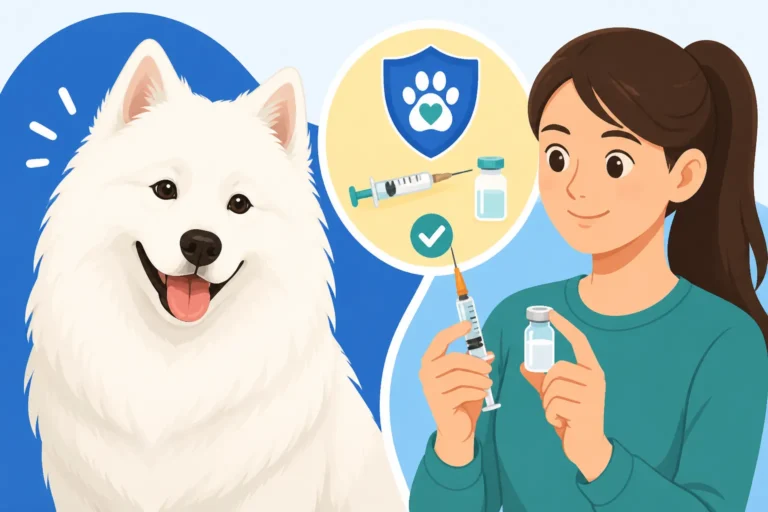
Managing diabetes in a Samoyed involves daily insulin injections, and owners can safely learn to administer doses and monitor blood sugar.

Diabetic Samoyeds typically require insulin injections every ten to twelve hours after meals to stabilize blood sugar levels.

Cataract surgery for diabetic Samoyeds explains rapid vision loss causes, signs, and surgical evaluation options for owners.

Diabetic Samoyeds often develop rapid cataracts and blindness caused by excess glucose and sorbitol accumulating in the eye lens.

Samoyed cloudy eye causes and diabetic cataract symptoms explained, including glucose buildup in the lens from hyperglycemia.

Sudden weight loss in a Samoyed and diabetes mellitus connection, plus other potential medical causes for dropping pounds.