The Samoyed Slept in the Tent to Keep People Alive
The history of the Samoyed explains how Siberian dogs shared tents to keep indigenous people alive in freezing winters.
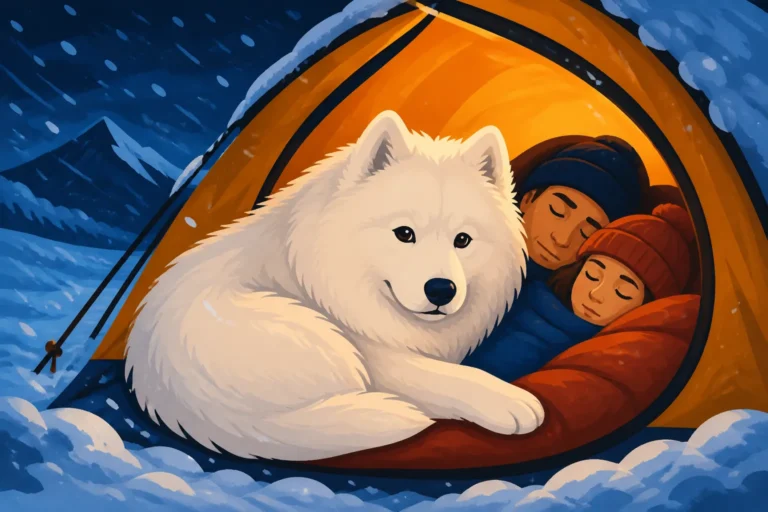
The history of the Samoyed explains how Siberian dogs shared tents to keep indigenous people alive in freezing winters.

The Nenets people of northern Arctic Russia bred Samoyeds as working dogs to survive extreme cold and migrate with reindeer.
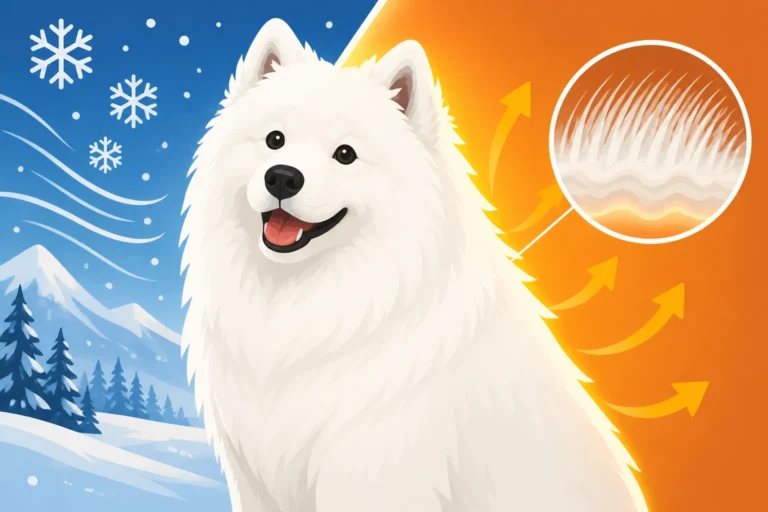
The Samoyed double coat uses guard hairs and dense woolly undercoat insulation to regulate temperature in freezing and warm climates.

Samoyed summer care explains how the thick double coat regulates body temperature in sixty below zero ancestry during hot weather.

Samoyed escape behavior stems from ancestral wanderlust and high intelligence, requiring specialized yard defenses and mental stimulation.

The Samoyed scream is a high-pitched, prolonged vocalization used during extreme excitement, frustration, or a plea for attention.

Monthly insulin costs and frequent vet visit expenses for managing a diabetic Samoyed over a lifetime are detailed here.

Samoyed Hereditary Glomerulopathy is an aggressive X-linked kidney disease causing fatal failure in young male dogs by fifteen months.
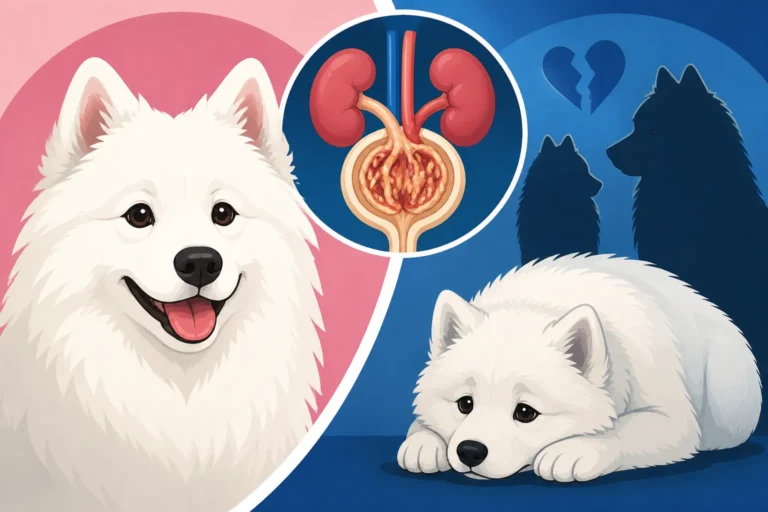
Samoyed Hereditary Glomerulopathy is an inherited kidney disease caused by a collagen defect that causes terminal failure in males.
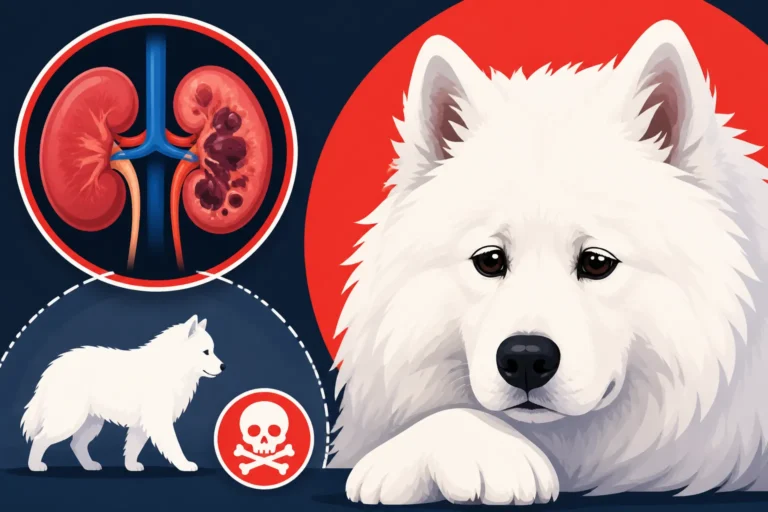
Samoyed Hereditary Glomerulopathy is a genetic kidney disease causing early failure in young male puppies through collagen breakdown.
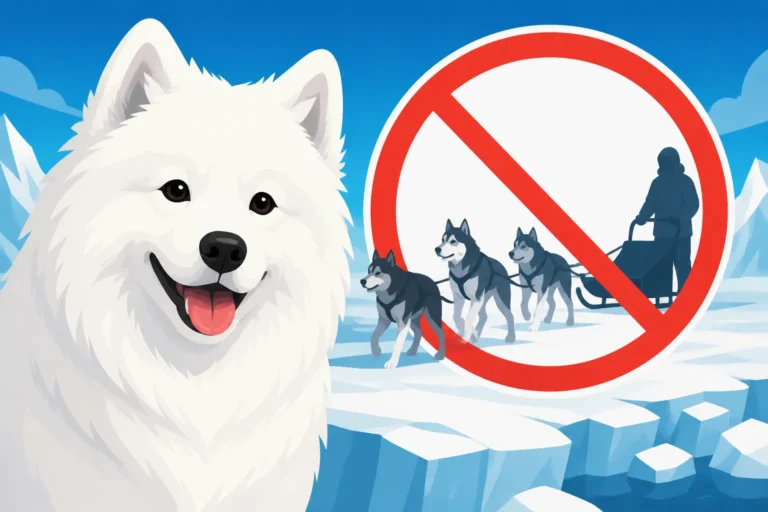
Antarctic environmental rules prohibited sled dogs and required removing them from the continent by April 1994.
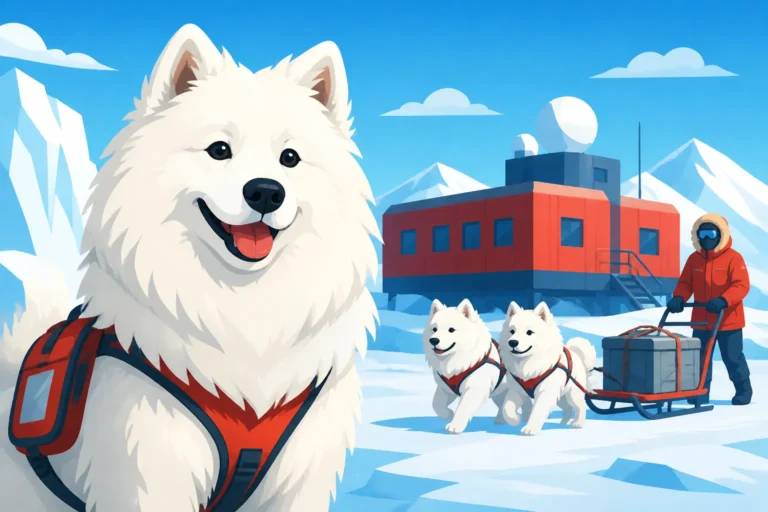
Samoyed sled dogs hauling supplies on early polar expeditions, and the reasons why working dogs no longer live on the continent.

Working Samoyeds and their modern roles in reindeer herding and recreational pulling sports across different regions.

Responsible Samoyed breeding practices, vital health checks, and screening procedures explained for prospective puppy buyers.

Samoyed popularity trends depend on grooming needs, exercise requirements, and friendly behavior rather than just good looks.

Samoyed ownership realities including heavy shedding, vocal behavior, and time commitments help prospective owners decide if the breed fits.
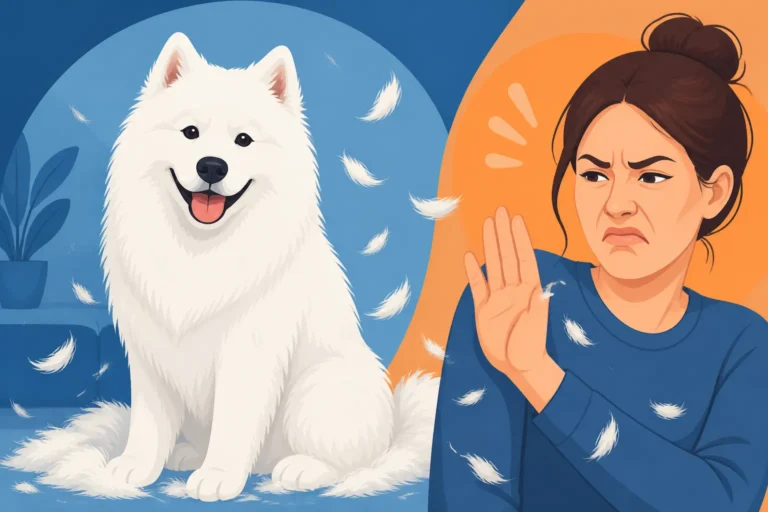
Samoyed shedding involves a dense double coat that drops year-round and blows heavily during seasonal changes.
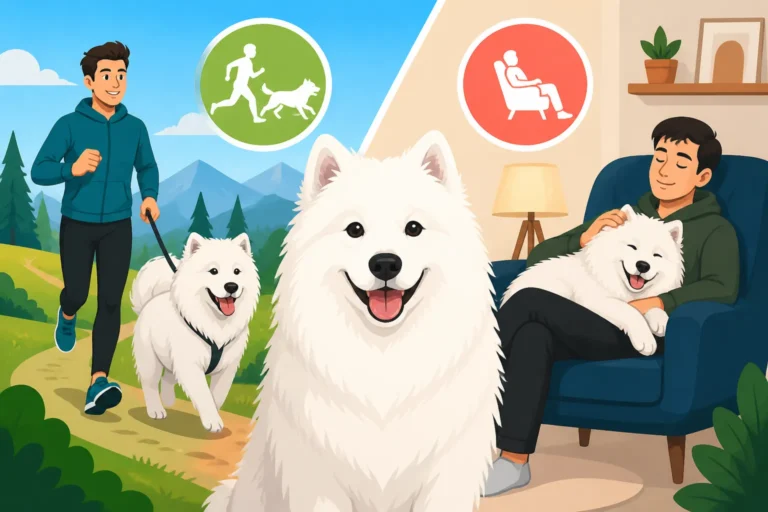
Samoyed owners need daily movement, household company, and mental engagement for this working dog instead of running marathons.
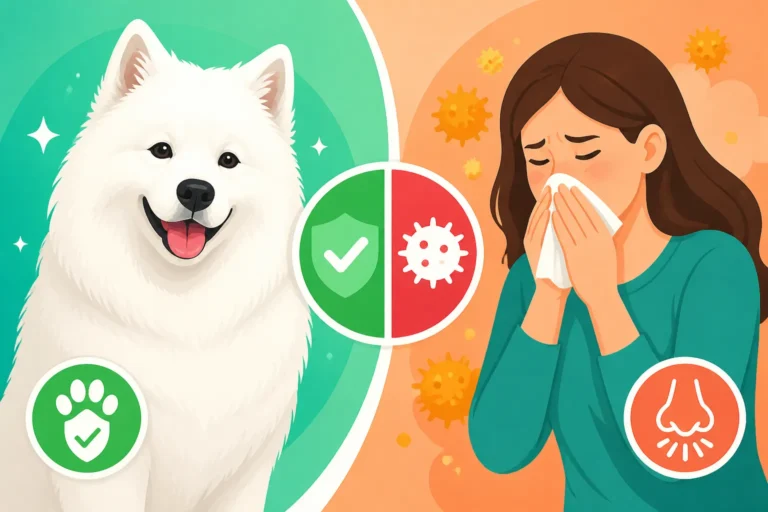
Samoyed allergy risks and heavy shedding patterns explain why this breed is not hypoallergenic for sensitive households.

An only Samoyed requires daily interaction, energy outlets, and alone-time training to thrive without a canine companion.