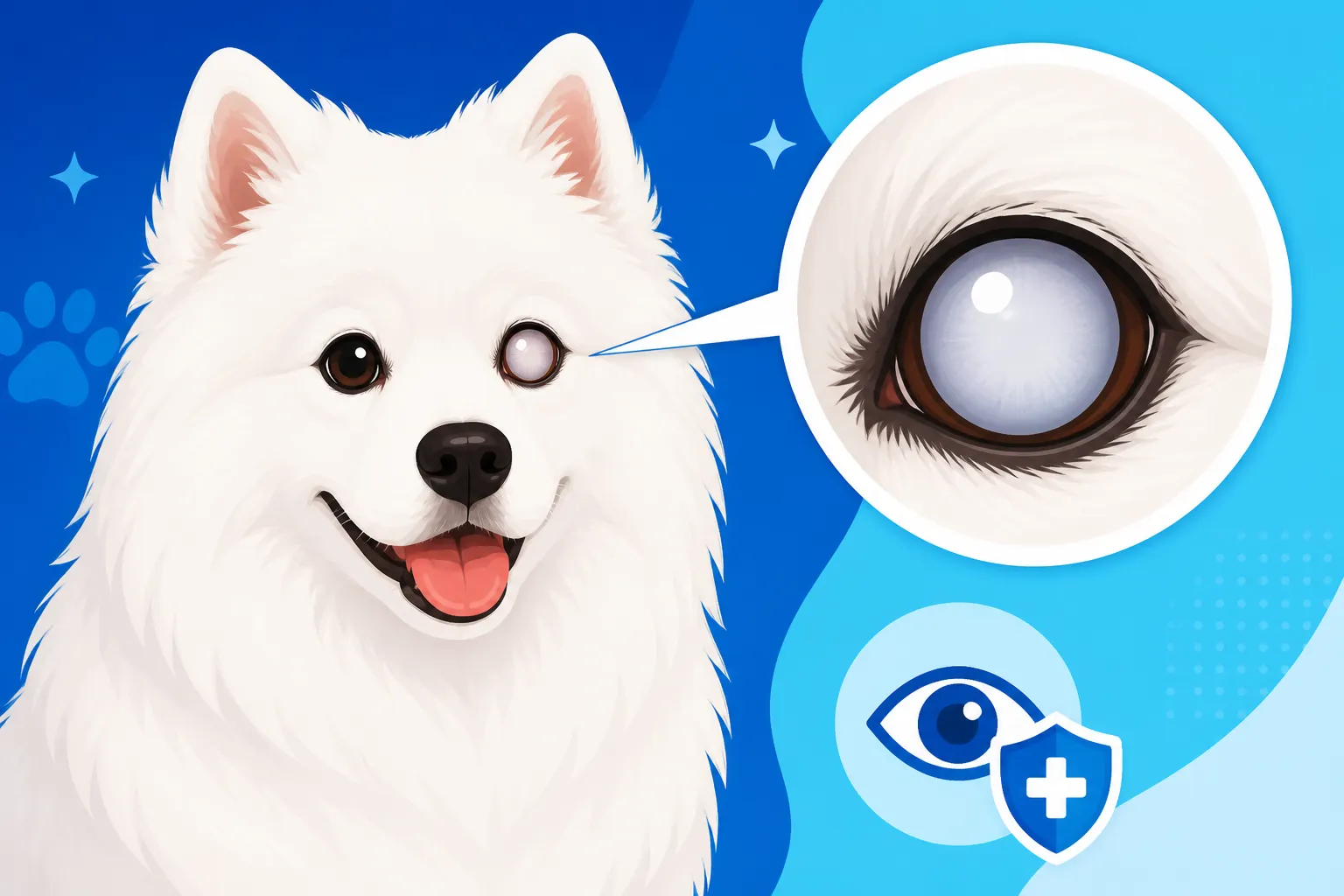
Whether a Samoyed’s Cloudy Eye Is a Diabetic Cataract
That first moment you notice a subtle haze or a distinct cloudiness in your beloved Samoyed's eye can send a chill down your spine. It’s a common worry for many Samoyed parents, and often, the first thought that leaps to mind is, "Oh no, is it diabetes?" This guide is here to walk you through the various reasons your Samoyed might have a cloudy eye, focusing particularly on diabetic cataracts, to help you understand what you're seeing and what steps to take next.
The First Glimmer of Worry: What a Cloudy Eye Looks Like in Your Samoyed
It starts subtly, doesn't it? Maybe you’re cuddling on the couch, or perhaps your Samoyed is looking up at you with that famous "Sammy smile," and you catch a glint in their eye that just doesn’t look quite right. That cloudy or hazy appearance can be incredibly alarming, and it's completely natural to jump to conclusions, especially when you know certain health issues are common in our furry friends.
Noticing the Change: Early Signs and Subtle Shifts
Sometimes, the cloudiness is so faint you wonder if you imagined it. It might look like a slight bluish-gray tint deep within the pupil, or perhaps a pearlescent sheen. You might notice it more in certain lighting conditions, like when the light catches their eyes just right. For many Samoyed owners, this initial observation leads to a flurry of internet searches, and often, the term "diabetic cataract" pops up, immediately raising the anxiety levels. It’s important to remember that not every cloudy eye is a diabetic cataract, but every cloudy eye warrants attention. Your observation skills are the first line of defense in your Samoyed’s health journey.
The Immediate Panic: Is it Diabetes?
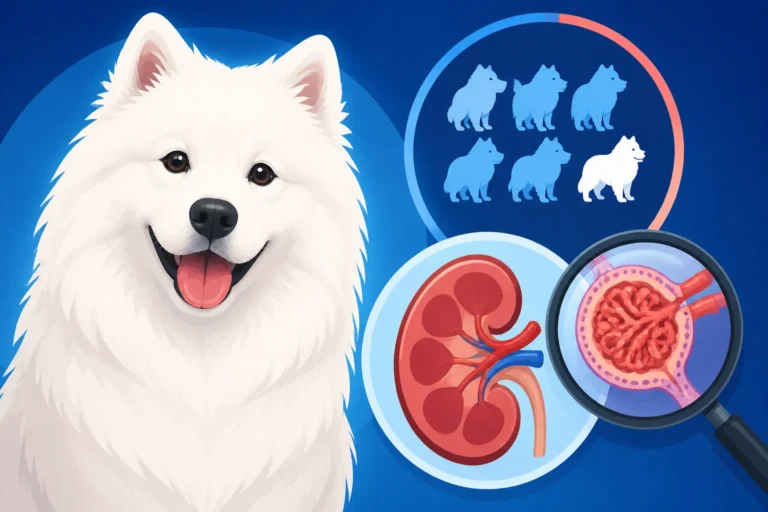
When you spot that cloudy eye, the mind can race. We all want our Samoyeds to live long, healthy lives, and any sign of potential illness is distressing. The association between cloudy eyes and diabetes is a strong one for many dog owners, and for good reason—diabetic cataracts are incredibly common in canines. You might start recalling if your Samoyed has been drinking more water than usual, or perhaps seems a bit more lethargic. These are classic signs of diabetes, and it’s natural for your brain to connect the dots. However, it's crucial not to diagnose your fluffy companion at home. Instead, channel that worry into proactive steps. Understanding the link between diabetes and eye health is valuable, but it's only one piece of the puzzle. For a deeper understanding of what happens when the kidneys are impacted, you can read more about The Kidney Disease That Kills Samoyed Males Before Fifteen Months.
Unpacking Diabetic Cataracts in Samoyeds
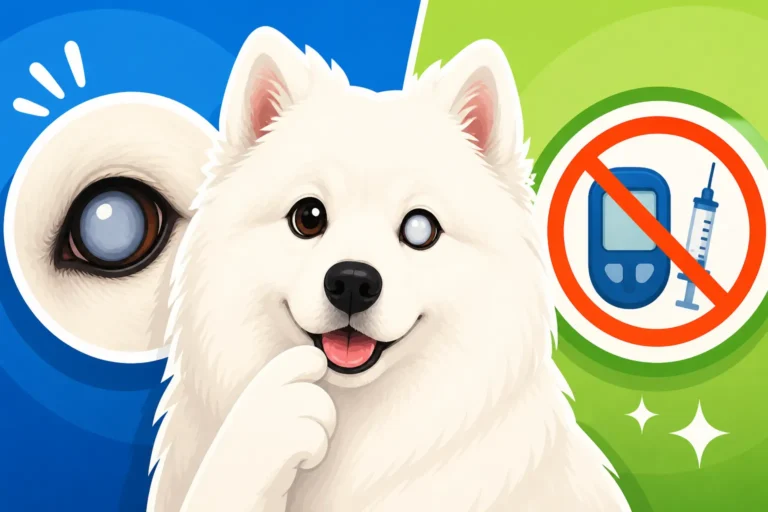
Diabetic cataracts are indeed a very common complication of diabetes mellitus in dogs. Unlike in humans, where diabetes can lead to various eye conditions including glaucoma or retinopathy, cataracts are overwhelmingly the primary ocular issue in diabetic dogs. For a Samoyed, this means a cloudy eye is a significant flag that should prompt a veterinary visit to check for diabetes.
The Glucose Connection: How Sugar Affects the Lens
The lens of your Samoyed's eye is a remarkably clear, intricate structure responsible for focusing light onto the retina. It’s primarily made of water and protein. In a diabetic dog, the body cannot properly utilize glucose (sugar) due to insufficient insulin production or inefficient insulin use. This leads to high levels of glucose in the bloodstream, a condition known as hyperglycemia.
This excess glucose finds its way into the lens of the eye. The lens, unlike some other body tissues, doesn't need insulin to absorb glucose. Once inside, this glucose is converted into a substance called sorbitol by an enzyme called aldose reductase. Sorbitol accumulates within the lens cells, drawing water into the lens due to osmosis. This influx of water disrupts the delicate balance and structure of the lens fibers, causing them to swell and lose their transparency. This process, often referred to as "sugar cataract" formation, is precisely what leads to the cloudy, opaque appearance we recognize as a cataract. The lens essentially becomes waterlogged and opaque, preventing light from reaching the retina and impairing vision.
The Rapid Progression: Why Diabetic Cataracts Can Seem Sudden
One of the most disheartening aspects of diabetic cataracts in dogs, including Samoyeds, is how rapidly they can develop. It’s not uncommon for an owner to notice a slight cloudiness one week, only to find their dog significantly visually impaired or even completely blind in a matter of days or a few weeks. This rapid progression is directly related to the high concentration of glucose in the lens and the efficiency of the sorbitol pathway.
Imagine waking up one morning, and your normally active Samoyed seems hesitant, bumping into furniture, or struggling to navigate familiar spaces. This swift decline in vision can be incredibly distressing for both dog and owner. While some cataracts develop slowly over months or years, diabetic cataracts often appear with startling speed. This makes prompt diagnosis and management of the underlying diabetes even more critical, though once the cataract process begins, it's generally irreversible without surgical intervention. It's a cruel twist that just when you're trying to manage a systemic disease like diabetes, another major challenge like sudden vision loss can appear.
Beyond the Eyes: Other Indicators of Diabetes in Your Samoyed
While a cloudy eye can be a strong indicator, it’s rarely the only symptom of diabetes in a Samoyed. Often, other subtle, or not-so-subtle, changes in their behavior and physical condition precede the onset of cataracts. Keeping an eye out for these other signs is crucial for early detection.
One of the most classic signs is increased thirst (polydipsia) and, consequently, increased urination (polyuria). You might find yourself refilling the water bowl more frequently or noticing that your Samoyed needs to go outside more often, or even has accidents in the house. This is because the body tries to flush out excess glucose through the kidneys. Another common symptom is unexplained weight loss, despite a seemingly normal or even increased appetite. Despite eating, the body's cells aren't getting the glucose they need for energy, leading to the breakdown of fat and muscle. You might also notice a lack of energy, lethargy, or a general decrease in their usual playful demeanor. Sometimes, you might even detect a sweet or fruity odor on their breath, especially if ketoacidosis is developing, a serious complication of untreated diabetes. If you've observed these signs, combined with a cloudy eye, it's imperative to seek veterinary attention immediately. These combined symptoms paint a clear picture that requires prompt diagnosis and management. You can learn more about Signs a Samoyed Has Become Diabetic to better understand what to look for.
Exploring Other Causes of Cloudy Eyes in Our Fluffy Friends
While diabetic cataracts are a prominent concern, it's important to remember that they're not the only reason your Samoyed might develop a cloudy eye. A number of other conditions, some benign and others serious, can manifest with a similar appearance. A comprehensive veterinary examination is essential to differentiate between them.
Nuclear Sclerosis: The Benign Cloud of Old Age
As our beloved Samoyeds gracefully age, it’s incredibly common to see a bluish-gray haze appear in the center of their pupils, typically starting around six to eight years of age or even younger in some large breeds. This is a normal aging change called nuclear sclerosis, or lenticular sclerosis. It’s caused by the hardening and compression of older lens fibers deep within the eye.
Unlike a cataract, which involves opacification that blocks light, nuclear sclerosis allows light to pass through, albeit with some scattering. This means that while it might slightly reduce vision, particularly in dim light or for close-up work, it generally doesn't lead to blindness or severe visual impairment. Think of it like a bifocal lens that’s slightly foggy – you can still see through it, but it’s not crystal clear. It's a natural part of Caring for a Samoyed Past Nine. Your vet can easily distinguish nuclear sclerosis from a cataract during an eye examination by dilating the pupils and shining a light into the eye. If your Samoyed is otherwise healthy and showing no other signs of illness, this might just be a gentle reminder of their advancing years.
Genetic and Hereditary Conditions: A Samoyed's Specific Vulnerabilities
Unfortunately, our beautiful Samoyeds, like many purebred dogs, can be prone to certain hereditary eye conditions that might cause cloudiness. One that often comes to mind is Progressive Retinal Atrophy (PRA), although PRA primarily affects the retina and causes vision loss, not necessarily a cloudy lens directly. However, some forms of eye disease can lead to secondary changes in the lens.
More directly, certain genetic predispositions can lead to cataract formation that isn't related to diabetes. These are known as hereditary cataracts. They can appear at various ages, from puppyhood (congenital cataracts) to middle age (juvenile or adult-onset cataracts). The appearance and progression can vary widely depending on the specific genetic mutation. For example, some breeds are known for cataracts that begin as small, focal opacities and slowly progress. A responsible breeder will often have their breeding dogs undergo regular eye examinations by a board-certified veterinary ophthalmologist to screen for these conditions, particularly for issues like Progressive Retinal Atrophy in a Samoyed or other inherited eye problems. If you're considering a Samoyed puppy, always ask about the eye health history of the parents and grandparents.
Inflammation, Injury, and Infection: External and Internal Threats
The eye is a delicate organ, and it can be affected by a myriad of external and internal factors leading to cloudiness.
- Uveitis: This is an inflammation of the uvea, the middle layer of the eye, which includes the iris, ciliary body, and choroid. Uveitis can be incredibly painful and cause the eye to appear cloudy or bluish, sometimes with redness or tearing. It can be caused by infections (bacterial, viral, fungal), autoimmune diseases, trauma, or even certain cancers. If left untreated, uveitis can lead to more serious complications like glaucoma or retinal detachment.
- Corneal Ulcers or Injuries: The cornea is the transparent outer layer of the eye. A scratch, foreign body, or infection on the cornea can cause localized cloudiness, often appearing as a white or bluish spot. This is usually accompanied by squinting, pawing at the eye, and increased tearing, indicating pain. Prompt treatment is essential to prevent deeper infection or rupture of the eyeball.
- Infections: Bacterial or fungal infections can also lead to cloudiness, either directly on the cornea or within the eye if severe. Sometimes, these infections can be secondary to another underlying issue.
Any sudden onset of cloudiness, especially if accompanied by pain (squinting, rubbing), redness, or discharge, warrants an immediate visit to your veterinarian. Early intervention is key to preserving your Samoyed’s vision and comfort.
Glaucoma: The Painful Pressure Inside the Eye
Glaucoma is a serious and potentially blinding condition that can cause a cloudy appearance in the eye. It's characterized by an increase in the fluid pressure inside the eye (intraocular pressure), which damages the optic nerve and retina. This increased pressure often makes the cornea appear hazy or bluish due to swelling.
Glaucoma is often incredibly painful, and your Samoyed might show signs like squinting, rubbing the eye, reluctance to be touched on the head, or appearing withdrawn. The eye itself might also look enlarged or appear red due to dilated blood vessels. In severe cases, the pupil may become dilated and unresponsive to light. Glaucoma is a medical emergency, and if you suspect your Samoyed has it, immediate veterinary care is critical to try and preserve their vision. The faster treatment is initiated, the better the prognosis. You can delve into this further by reading Whether a Samoyed Gets Glaucoma.
Navigating the Vet Visit: Diagnosing and Managing Your Samoyed's Eye Health
Discovering a cloudy eye in your Samoyed is undoubtedly worrying, but the good news is that veterinary science has advanced tremendously. Your vet is your best partner in unraveling the mystery behind the cloudiness and ensuring your Samoyed gets the care they need.
What to Expect at the Examination
When you bring your Samoyed in for a cloudy eye, your veterinarian will start with a thorough general physical examination, noting any other systemic symptoms like changes in thirst, urination, appetite, or energy levels, which could point towards diabetes or another underlying illness.
Next, they’ll move to a detailed ophthalmic examination. This typically includes:
- Visual Inspection: Your vet will observe your Samoyed's eyes in normal light and sometimes in a darkened room, checking for redness, discharge, squinting, or asymmetry. They'll also assess your dog's menace response (blinking when an object approaches the eye) and pupillary light reflexes to gauge vision.
- Schirmer Tear Test: This measures tear production, which can be important if dry eye (keratoconjunctivitis sicca) is suspected, as it can also lead to corneal clouding.
- Fluorescein Stain: A special orange dye is applied to the eye. If there's any corneal ulceration or scratch, the dye will adhere to it and glow bright green under a blue light, indicating damage to the cornea's surface.
- Tonometry: This is the measurement of intraocular pressure, using a special instrument to check for glaucoma. It's quick and usually painless.
- Ophthalmoscopy: Using an ophthalmoscope, your vet will look directly into the eye to examine the lens, retina, and optic nerve. They might use dilating drops to get a clearer view of the back of the eye. This is how they can often differentiate nuclear sclerosis from cataracts, and also detect other retinal issues that might be linked to Eye Disease and the Samoyed's Retina.
Diagnostic Tests: Peering Deeper into Eye and Systemic Health
Depending on the initial findings from the eye exam, your vet will likely recommend further diagnostic tests.
- Bloodwork: If diabetes is suspected due to cataracts or other clinical signs, blood tests are paramount. This typically includes a complete blood count (CBC) and a biochemistry panel, with a particular focus on blood glucose levels. A fructosamine test might also be recommended, which provides an average blood glucose level over the past 1-2 weeks, offering a more stable picture than a single glucose reading. These tests confirm if your Samoyed has diabetes. You should also ask your vet about Whether a Samoyed Needs Yearly Glucose Bloodwork as part of routine preventative care, especially as they age.
- Urinalysis: A urine sample can check for glucose in the urine (glucosuria), which is a strong indicator of diabetes, and also rule out urinary tract infections that can sometimes accompany diabetes. A urine protein-to-creatinine ratio might also be run if kidney disease is a concern.
- Referral to a Veterinary Ophthalmologist: For complex cases, specific types of cataracts, or if surgical intervention is being considered, your vet might recommend a referral to a board-certified veterinary ophthalmologist. These specialists have advanced equipment and expertise for diagnosing and treating intricate eye conditions.
Treatment Pathways: Options for Different Conditions
The treatment for your Samoyed's cloudy eye will entirely depend on the underlying cause.
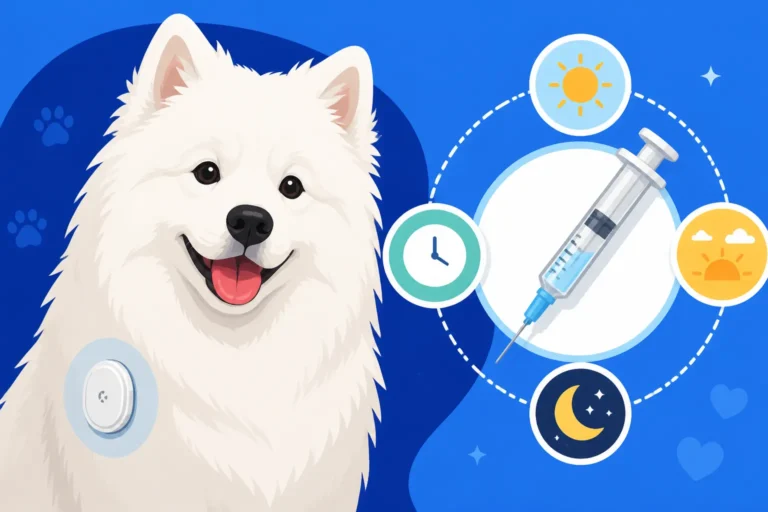
- For Diabetic Cataracts: The primary treatment for diabetic cataracts is surgical removal, much like in humans. Phacoemulsification, a technique where ultrasonic waves break up the cloudy lens, is commonly used. This surgery is highly successful in restoring vision in otherwise healthy diabetic dogs. However, it requires careful management of the diabetes before and after surgery. It's a significant financial and time commitment, but for many owners, seeing their Samoyed regain sight is priceless. Post-operative care includes various eye drops and careful monitoring. Managing diabetes itself, with insulin injections and dietary changes (as discussed in Managing a Diabetic Samoyed), is also crucial.
- For Nuclear Sclerosis: No treatment is necessary as it doesn't significantly impair vision or cause discomfort. Regular monitoring during routine exams is usually sufficient.
- For Uveitis, Corneal Ulcers, or Infections: Treatment will involve specific eye drops or oral medications, such as anti-inflammatory drugs, antibiotics, or antifungals. Pain management is also a critical component. Depending on the severity, follow-up visits might be frequent to ensure proper healing.
- For Glaucoma: This is an emergency. Treatment aims to rapidly lower intraocular pressure with medications (eye drops and/or oral drugs). In some cases, surgery might be necessary to reduce fluid production or improve drainage. Glaucoma requires lifelong management and often a combination of medications to preserve vision and comfort for as long as possible.
Remember, early detection, accurate diagnosis, and consistent follow-through with treatment are paramount for any eye condition. Don't hesitate to reach out to your veterinarian at the first sign of concern. Planning ahead with pet insurance, such as through a provider like Healthy Paws, can also provide significant peace of mind when unexpected and costly treatments for conditions like diabetic cataracts or glaucoma arise. They can help cover a large portion of eligible vet bills, making it easier to say "yes" to the best care for your Samoyed.
| Condition | Appearance of Cloudiness | Common Age of Onset | Associated Symptoms | Urgency Level | Primary Treatment |
|---|---|---|---|---|---|
| Diabetic Cataract | Dense white or bluish-white opacity, often affecting the whole lens | Any age, often middle-aged | Increased thirst/urination, weight loss, lethargy, increased appetite | High (requires vet visit) | Surgical removal (phacoemulsification) |
| Nuclear Sclerosis | Bluish-gray haze deep in the pupil, pearlescent | Senior (6-8+ years) | Minimal visual impairment, no pain | Low (routine monitoring) | No treatment needed |
| Uveitis | General cloudiness, may appear bluish or hazy, often in the front of the eye | Any age | Pain (squinting, rubbing), redness, tearing, light sensitivity, small pupil | High (requires vet visit) | Anti-inflammatory eye drops/oral meds, pain relief |
| Corneal Ulcer/Injury | Localized white/bluish spot on the surface of the eye | Any age | Pain (squinting, rubbing), tearing, redness, discharge | High (requires vet visit) | Antibiotic eye drops, pain relief, sometimes surgery |
| Glaucoma | Hazy, bluish appearance of the cornea, sometimes appears enlarged | Any age | Severe pain, redness, dilated pupil, vision loss, bulging eye | Emergency (immediate vet care) | Pressure-lowering eye drops/oral meds, possible surgery |
Disclaimer
The information provided in this article is for educational purposes only and is not intended to be a substitute for professional veterinary advice, diagnosis, or treatment. Always seek the advice of your veterinarian or other qualified animal health provider with any questions you may have regarding a medical condition.