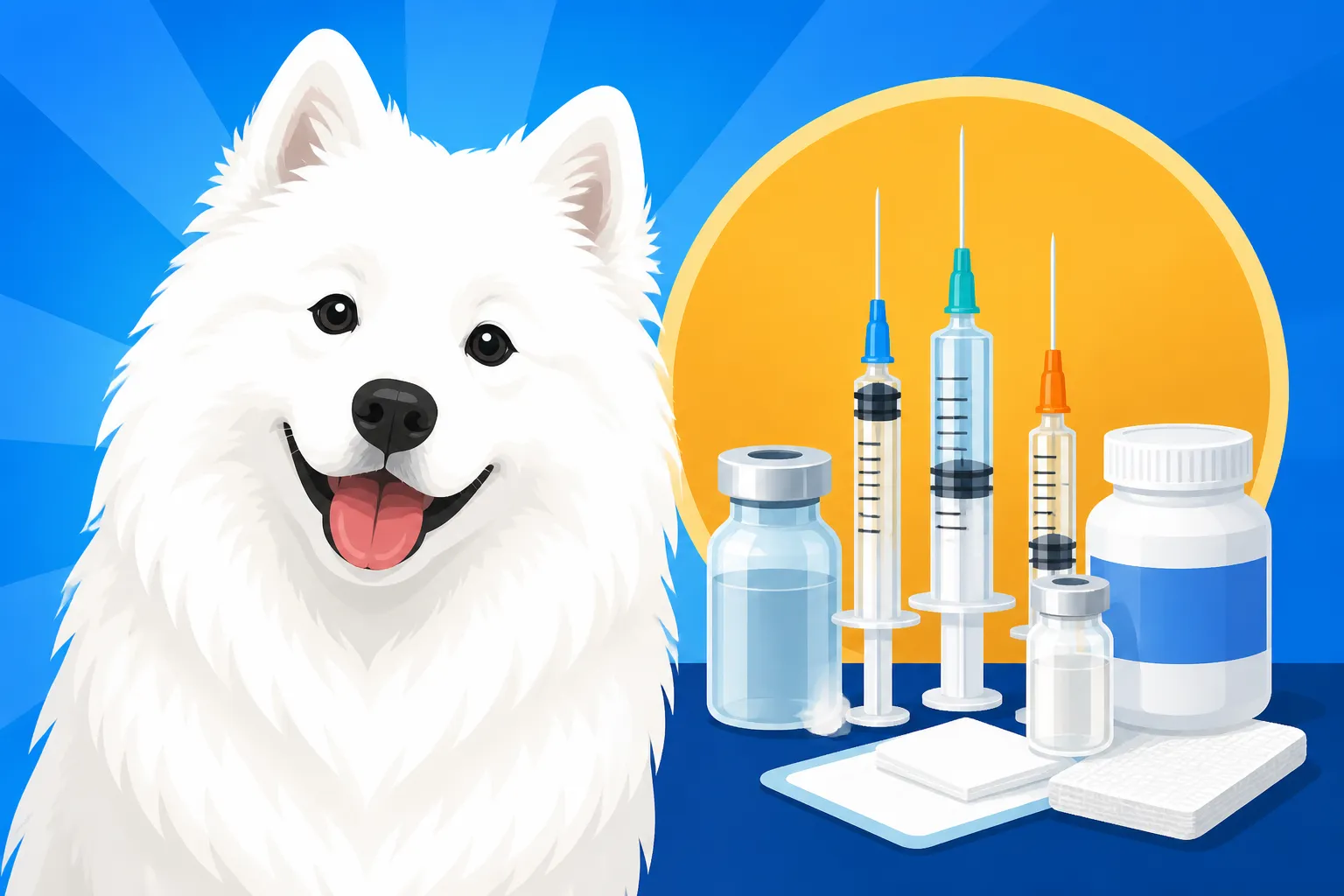
What Syringes and Supplies Cost a Samoyed Owner
Receiving a diabetes diagnosis for your beloved Samoyed can feel like a punch to the gut. Beyond the emotional stress of managing a chronic condition, the financial implications can be immediately overwhelming. It’s not just the cost of the insulin itself, but the endless array of supplies needed to administer it safely and effectively, monitor blood sugar, and support their overall health. This guide is here to walk you through the various syringes, monitoring tools, and supportive care items your diabetic Samoyed will need, helping you understand the ongoing financial commitment so you can plan and provide the best care possible.
Understanding the Initial Shock: Beyond the Insulin Vial
When your Samoyed is first diagnosed with diabetes, the vet visit alone can be a blur of information. You're trying to absorb the gravity of the situation, learn about insulin, and suddenly you're handed a list of supplies that seems to stretch on forever. It's completely normal to feel overwhelmed and even a little panicked about where to start and how much all of this is going to cost. Many owners focus solely on the insulin itself, only to realize there's a whole ecosystem of necessary tools that accompany it.
The Immediate Needs Post-Diagnosis
Right after diagnosis, your veterinarian will likely send you home with a starter kit of sorts. This usually includes a supply of insulin, the appropriate insulin syringes, and perhaps a few alcohol wipes. They might also demonstrate how to give an injection, which can feel daunting the first few times. The initial outlay for these items, especially if purchased directly from the vet clinic, can be substantial. It's a critical moment where you're learning the ropes while also absorbing these new, unexpected costs.
This initial phase is all about getting comfortable with the basics. You'll need enough supplies to get through at least a week or two, giving you time to research and find more cost-effective options for recurring purchases. Don't be shy about asking your vet for specific recommendations on where to buy supplies, or if they have samples of different syringe types you can try to see what works best for you and your Samoyed. This is also when discussions about What Insulin Costs for a Diabetic Samoyed often begin, revealing the long-term financial picture.
The Learning Curve of Home Care Supplies
Beyond the basic insulin and syringes, there are other items you'll quickly realize are essential for seamless home care. A dedicated space for your Samoyed’s diabetes supplies, a proper sharps container for safe disposal, and a routine for daily administration all become part of your new normal. This learning curve isn't just about mastering the injection technique; it's about integrating this new regimen into your daily life and understanding the necessity of each supply.
For instance, you might find that having a small, portable container for syringes and alcohol wipes is incredibly helpful for travel or even just moving from room to room. Some owners also invest in a designated blanket or mat for injection time, creating a calm and consistent environment for their Samoyed. These small additions, while not strictly medical, contribute significantly to the ease and success of your Samoyed's diabetes management.
The Lifelong Commitment: Daily Essentials and Replacements
Diabetes in Samoyeds, much like in humans, is a chronic condition that requires lifelong management. This means the initial shock of supplies quickly transitions into the reality of ongoing, recurring purchases. Budgeting for these daily essentials is crucial, as running out of a critical item can disrupt your Samoyed's treatment and lead to serious health complications.
Syringes and Needles: The Non-Negotiable Core
Insulin syringes are perhaps the most critical recurring expense. They are designed for single use to ensure sterility and sharpness, which minimizes discomfort for your Samoyed. These syringes come in various sizes, measured in units, and with different needle gauges and lengths. Your veterinarian will prescribe the specific type of syringe that matches your Samoyed's insulin concentration (e.g., U-40 for Vetsulin, U-100 for ProZinc or Novolin). Using the wrong syringe can lead to incorrect dosing, which is incredibly dangerous.
You'll quickly learn that buying syringes in bulk often provides significant cost savings. Online retailers like Chewy often offer competitive pricing on boxes of 100 or even 500 syringes. It’s wise to always have a substantial backup supply at home, anticipating potential shipping delays or unexpected needs. The number of injections your Samoyed needs daily will dictate your usage rate, but typically, you'll go through hundreds of syringes a year. Owners often find it helpful to compare options from various suppliers to find the most economical choice without compromising on quality or the specific type required for their pet's insulin. Learning How Often a Diabetic Samoyed Needs Insulin directly impacts your syringe consumption.
Sharps Containers: Safety First for Your Home
Proper disposal of used syringes and needles is not just a recommendation; it's a critical safety measure for everyone in your household and the community. Sharps containers are specially designed, puncture-resistant plastic containers where you safely dispose of used needles. These containers are available at pharmacies, medical supply stores, and online retailers. Trying to use makeshift containers like milk jugs or plastic bottles is not only unsafe but often not permitted by waste disposal services.
Once a sharps container is full, it needs to be disposed of properly according to local regulations, which can vary widely. Some areas have designated drop-off sites, while others might allow for specific household hazardous waste collection days. The cost of sharps containers is relatively low compared to other supplies, but it's an indispensable item that protects against accidental needle sticks, which can transmit diseases and cause injury.
Alcohol Wipes and Cotton Balls: Keeping Things Sterile
While not always strictly necessary for every injection, alcohol wipes and cotton balls are inexpensive items that contribute to good hygiene and peace of mind. Some veterinarians recommend briefly wiping the injection site with an alcohol wipe to clean the skin, especially if your Samoyed has been rolling around outside. However, allowing the alcohol to fully dry before injection is crucial, as injecting alcohol can sting.
Cotton balls can be useful for applying gentle pressure to the injection site after administering insulin, though usually, a quick pat is sufficient for a Samoyed. These items are generally very affordable and can be purchased in large quantities from any pharmacy or grocery store. Keeping a good stock ensures you’re prepared for any situation where a little extra cleanliness might be beneficial.
Monitoring Tools: Keeping Tabs on Your Samoyed's Health
Beyond administering insulin, a huge part of managing canine diabetes is monitoring your Samoyed's blood glucose levels. This is where a significant portion of your ongoing supply costs will come into play. Regular monitoring helps your vet adjust insulin dosages and helps you understand how your Samoyed is responding to treatment.
Blood Glucose Monitors and Test Strips
A portable blood glucose monitor (glucometer) designed for animals is an invaluable tool for any diabetic Samoyed owner. While human glucometers can sometimes be used, they may not be as accurate for canine blood due to differences in red blood cell structure. Veterinary-specific glucometers, such as the AlphaTRAK or Accu-Chek Aviva Vet, are calibrated for animal blood and provide more reliable readings. The initial cost of the glucometer itself is a one-time expense, though some kits come with a small number of strips and lancets.
The real ongoing cost lies in the test strips. Each blood glucose reading requires a new test strip, and these can be surprisingly expensive, especially if you're checking your Samoyed's blood sugar multiple times a day or running a glucose curve at home. Lancets, which are the small needles used to prick your Samoyed's ear or lip for a blood sample, are also a recurring cost, though generally much cheaper than strips. It's a trade-off between the expense of home monitoring versus the cost of frequent vet visits for glucose curves, which can add up quickly. Understanding What a Glucose Curve Involves for a Samoyed highlights the importance of these supplies.
Continuous Glucose Monitors (CGMs): The Modern Approach
For some Samoyed owners, Continuous Glucose Monitors (CGMs) offer a less invasive and more comprehensive way to track blood sugar trends. Devices like the FreeStyle Libre, though primarily designed for humans, are often used off-label by veterinarians for dogs. A small sensor is applied to the dog's skin, usually on the back, and it continuously measures interstitial glucose levels for a period of about 14 days. Readings are taken by scanning the sensor with a compatible reader or smartphone app.
While the initial sensor application might require a vet visit, the ability to get frequent, stress-free readings at home can be a game-changer. This helps paint a much clearer picture of your Samoyed's glucose fluctuations throughout the day and night, which is invaluable for fine-tuning insulin doses. The sensors themselves represent a significant recurring cost every two weeks, and while they can offer incredible insights, they might not be covered by all pet insurance plans. Always check with providers like Healthy Paws to see what coverage options are available for advanced monitoring tools. For more on the costs, you can look into What a Continuous Glucose Monitor Costs for a Samoyed.
Urine Ketone Strips: An Important Emergency Check
Beyond blood glucose, monitoring for ketones in your Samoyed's urine is a simple yet crucial part of diabetes management. When a diabetic dog doesn't have enough insulin, their body starts breaking down fat for energy, which produces ketones. A buildup of ketones can lead to diabetic ketoacidosis (DKA), a life-threatening emergency. Urine ketone strips are easy to use – you simply collect a urine sample and dip the strip. The strip changes color if ketones are present, indicating a problem.
These strips are inexpensive and have a relatively long shelf life. They are not for daily monitoring of glucose, but rather a vital emergency indicator. Your vet will likely advise you to check for ketones if your Samoyed seems unwell, isn't eating, or is vomiting. Keeping a fresh supply of urine ketone strips on hand is a small cost that can provide early warning of a serious complication, potentially saving your Samoyed's life and a huge emergency vet bill.
Supportive Care Items: Enhancing Quality of Life
Managing diabetes isn't just about insulin and monitoring; it's also about supporting your Samoyed's overall health and comfort. This includes special dietary considerations, maintaining their grooming, and ensuring their general well-being, all of which come with their own set of costs and supplies.
Specialized Diets and Treats
Diet plays an enormous role in managing canine diabetes. Many diabetic Samoyeds benefit from a prescription diet, which is typically high in fiber and complex carbohydrates to help regulate blood sugar levels. These specialized foods, whether dry kibble, wet food, or fresh food options, often come at a higher price point than conventional dog foods. Brands like Ollie offer fresh, customized meal plans that can be tailored to a dog's specific health needs, including diabetes, providing a convenient and often palatable option for picky eaters.
Finding appropriate treats is also a consideration. High-sugar or high-fat treats are a definite no-go for diabetic dogs. Instead, you'll need to opt for low-calorie, low-carbohydrate alternatives like plain cooked chicken, green beans, or specific diabetic-friendly treats. While these might seem like minor expenses individually, they add up over time and are critical for maintaining a stable blood glucose level. It's essential to factor in these dietary costs when considering the full scope of diabetes management. Read more about Whether a Diabetic Samoyed Needs a Prescription Diet.
Comfort and Grooming During Illness
A Samoyed with diabetes may experience periods of feeling unwell, especially if their blood sugar isn't well-controlled. During these times, comfort items become even more important. This could include extra soft bedding, easy-to-clean blankets, or even an elevated feeding bowl if they are experiencing any joint discomfort. Keeping your Samoyed clean and well-groomed is also vital, particularly around the injection sites, to prevent skin infections.
While your Samoyed's magnificent double coat generally requires significant grooming, a diabetic Samoyed might be more sensitive to brushing or bathing during periods of discomfort. Gentle brushes, detangling sprays, and a high-quality force dryer can make grooming sessions quicker and less stressful. Ensuring your Samoyed is comfortable and their coat is healthy helps prevent secondary issues and contributes to their overall quality of life, even when they're not feeling their best.
Emergency Preparedness: What You Hope You Never Need
No one wants to think about their Samoyed having a diabetic emergency, but being prepared is paramount. Having specific emergency supplies on hand can make a critical difference in outcomes, especially when dealing with severe hypoglycemia or diabetic ketoacidosis. These items might have a higher upfront cost but offer invaluable peace of mind.
Glucagon and Emergency Glucose Sources
Hypoglycemia, or dangerously low blood sugar, is a serious risk for diabetic dogs, especially if they receive too much insulin or miss a meal. Having emergency glucose sources readily available can be life-saving. Your vet might prescribe an injectable glucagon kit, which rapidly raises blood sugar in an emergency. These kits are often kept refrigerated and have an expiration date, so regular checks are necessary. The cost of a glucagon kit can be significant, but it's an emergency medication you truly hope you never have to use, but are immensely grateful for if you do.
Beyond injectable glucagon, simpler sugar sources like Karo syrup, honey, or even glucose gels (often found in human first aid kits for diabetics) should be kept on hand. A quick rub of these sugary substances onto your Samoyed's gums can provide a rapid glucose boost if they become lethargic or seize due to low blood sugar. These are relatively inexpensive items that belong in every diabetic Samoyed's emergency kit.
Carrying Cases and Travel Kits
When you're dealing with a chronic condition like diabetes, life doesn't stop. You might need to travel with your Samoyed, visit friends, or simply move around the house with your supplies. A dedicated carrying case or travel kit for your Samoyed's diabetes supplies can be incredibly useful. This ensures that all essential items – insulin, syringes, alcohol wipes, glucometer, test strips, and emergency glucose – are organized, protected, and easily accessible.
These cases range from simple cosmetic bags to more specialized medical organizers designed to keep insulin cool with ice packs. The cost can vary, but investing in one that is durable and functional can save you stress and potential mishaps, especially when you're away from home. Being able to quickly grab everything you need for an injection or a blood glucose check, whether you're at the park or visiting family, makes managing your Managing a Diabetic Samoyed much smoother.
Here's a breakdown of common supplies and their cost considerations:
| Supply Item | Purpose | Cost Nature | Frequency of Purchase | Key Considerations |
|---|---|---|---|---|
| Insulin | Blood sugar regulation | High, recurring | Monthly/Bi-monthly | Specific type/concentration, brand (e.g., Vetsulin) |
| Insulin Syringes | Administering insulin injections | Moderate, recurring | Monthly/Bi-monthly | Specific unit size (U-40/U-100), needle gauge/length |
| Sharps Containers | Safe disposal of used needles | Low, recurring | Every few months | Local disposal regulations, size |
| Alcohol Wipes/Cotton Balls | Sterilization of injection site (optional) | Very Low, recurring | Every few months | Bulk purchase for savings |
| Blood Glucose Monitor | Device for reading blood sugar | Moderate, one-time | Infrequent (replacement) | Calibrated for animal blood, specific brand |
| Test Strips | Used with glucometer for blood sugar readings | High, recurring | Weekly/Bi-weekly | Specific to glucometer model, bulk purchase is key |
| Lancets | Pricking for blood sample | Low, recurring | Monthly/Bi-monthly | Universal fit for lancing devices, different gauges |
| CGM Sensors | Continuous glucose monitoring | High, recurring | Bi-weekly | Vet application, compatibility with reader, insurance |
| Urine Ketone Strips | Detecting ketones in urine | Low, recurring | Every few months | Emergency use, expiration date |
| Prescription Diet | Regulating blood sugar through food | Moderate/High, recurring | Weekly/Monthly | Specific formulation, brand (e.g., Ollie, vet brands) |
| Diabetic-Friendly Treats | Rewards/snacks | Low, recurring | Monthly | Low calorie, low carb options |
| Glucagon Kit | Emergency treatment for severe hypoglycemia | High, infrequent | Yearly (expiration) | Prescription required, refrigeration, training needed |
| Emergency Glucose Source | Immediate sugar for low blood sugar | Very Low, infrequent | As needed | Honey, Karo syrup, glucose gel |
| Travel/Supply Case | Organizing/transporting supplies | Low/Moderate, one-time | Infrequent | Durability, cooling capabilities (for insulin) |
Caring for a diabetic Samoyed is a significant undertaking, both emotionally and financially. Understanding all the components of their care, from the daily insulin to the emergency supplies, helps you prepare for the journey ahead. While the costs can seem daunting, with careful budgeting and sourcing of supplies, you can ensure your beloved Samoyed lives a full and happy life, despite their diagnosis. Always remember to consult with your veterinarian for specific advice tailored to your Samoyed's individual needs.
Disclaimer
This article is for general informational purposes only and does not constitute professional advice. Laws, prices and regulations vary by location and change over time. Consult a qualified professional for guidance on your specific situation.