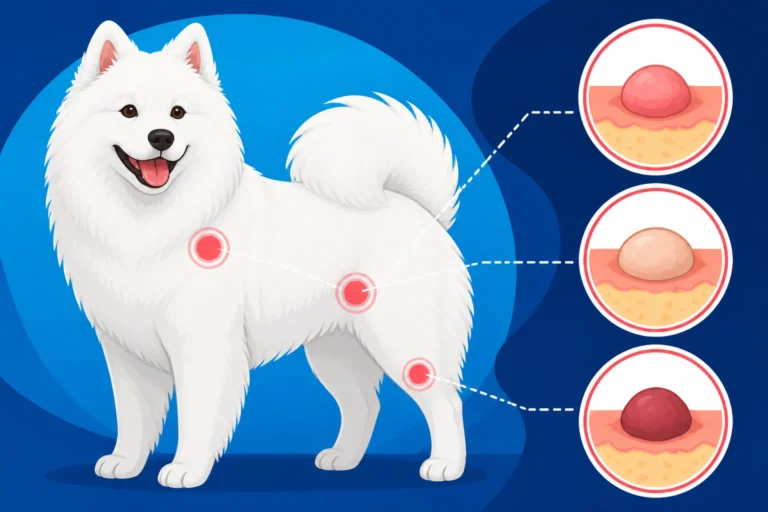
Managing a Diabetic Samoyed
Receiving a diabetes diagnosis for your beloved Samoyed can feel like a punch to the gut. The initial fear, the confusion about insulin, and the worry over their future well-being are completely normal. This comprehensive guide is here to walk you through everything you need to know about managing diabetes in your Samoyed, offering practical advice and empathetic support to help your fluffy companion live a long, happy, and healthy life.
Understanding Your Samoyed's Diabetes Diagnosis
That moment when the vet says "diabetes" is often overwhelming. You’re likely juggling a lot of emotions, from shock to profound concern, and probably a hundred questions are buzzing in your head. It’s important to take a deep breath and remember that while diabetes is a serious condition, it is manageable with commitment and consistent care.
The Initial Shock and What It Means
For many Samoyed owners, the first signs of diabetes can be subtle, then rapidly escalate. You might have noticed your usually energetic Sammy becoming lethargic, drinking water like there's no tomorrow, and needing to go outside to pee much more frequently. Sometimes, sudden, unexplained weight loss, despite a good appetite, is the giveaway. These symptoms, once ignored or attributed to other things, suddenly make sense in the context of a diagnosis. It’s a moment of clarity, but also one of significant adjustment.
What this diagnosis truly means is that your Samoyed's body is no longer producing enough insulin, or its cells aren't responding to the insulin it does produce, leading to high blood sugar levels. This isn't your fault, nor is it a sign you did anything wrong. It's a metabolic disorder, and for Samoyeds, like many breeds, there can be a genetic predisposition, though lifestyle factors can also play a role. You might be wondering about The Age a Samoyed Develops Diabetes or even Why Pancreatitis Precedes Samoyed Diabetes, and understanding these underlying factors can help you grasp the full picture.
Types of Diabetes in Samoyeds
Just like in humans, dogs can experience different types of diabetes, though the vast majority of cases in Samoyeds fall into a category akin to Type 1 diabetes in humans.
Insulin-Deficient Diabetes (Type 1-like): This is by far the most common form seen in Samoyeds and other dogs. In these cases, the pancreas, the organ responsible for producing insulin, stops creating enough of this vital hormone. Insulin is crucial for transporting glucose (sugar) from the bloodstream into the body's cells, where it's used for energy. Without sufficient insulin, glucose builds up in the blood, leading to the symptoms you observed. This type of diabetes requires lifelong insulin injections to regulate blood sugar.
Insulin-Resistant Diabetes (Type 2-like): While less common in dogs than insulin-deficient diabetes, insulin resistance can occur. In this scenario, the pancreas still produces insulin, but the body's cells don't respond to it effectively. This can sometimes be seen in overweight or obese dogs, or those with other underlying health conditions that affect metabolism. In some cases, managing the primary condition or weight loss can improve insulin sensitivity, but often, insulin therapy is still required. It’s why monitoring your Samoyed's weight closely is always a good idea, even before any health concerns arise.
Secondary Diabetes: This type of diabetes is caused by another medical condition or medication. For example, certain medications like corticosteroids can induce diabetes, or conditions like Cushing's disease (hyperadrenocorticism) can lead to insulin resistance. In these cases, treating the underlying condition might resolve or significantly improve the diabetes. Your vet will conduct thorough diagnostics to rule out any secondary causes before settling on a primary diabetes diagnosis and treatment plan. Knowing Whether a Samoyed's Diabetes Is Genetic is a common concern for many owners, and while genetics can play a role, environmental factors often interact with predispositions.
The Cornerstone of Management: Insulin Therapy
For most Samoyeds with diabetes, insulin injections are not just an option; they are a necessity for survival and quality of life. The thought of injecting your dog might be daunting at first, but with practice and patience, it becomes a routine, much like feeding time.
Administering Insulin: A Step-by-Step Guide
The first few times you administer an insulin shot, it’s normal to feel a bit shaky. Many vets will have you come in for a demonstration, and some even offer online tutorials. The key is to create a calm, consistent routine.
Gather Your Supplies: You'll need your insulin, sterile insulin syringes (which are usually single-use and specific to the type of insulin, like U-40 or U-100), and perhaps a few treats for positive reinforcement. Always check the expiration date on your insulin vial.
Prepare the Insulin: If your insulin is a suspension (cloudy), gently roll the vial between your palms to mix it. Never shake it vigorously, as this can damage the insulin molecules. If it's clear, no mixing is needed. Draw the prescribed amount of insulin into the syringe, being careful to avoid air bubbles.
Choose an Injection Site: The best place to inject is usually in the loose skin on your Samoyed’s shoulder blade or the side of their rib cage. You want a spot where you can easily tent the skin. Alternate sites with each injection to prevent local irritation or scar tissue buildup.
The Injection: Gently pinch a fold of loose skin to create a "tent." Insert the needle swiftly into the base of the tent, parallel to the body. You should feel little to no resistance. Once the needle is in, depress the plunger to inject the insulin. Withdraw the needle quickly. Many dogs barely react, especially if they're distracted by a tasty treat.
Positive Reinforcement: Immediately after the injection, offer praise, a gentle scratch, or a special treat. This helps your Samoyed associate the injection with a positive experience, making future injections much smoother. Remember, consistency is key. You'll be surprised how quickly both you and your Samoyed adjust. If you're wondering How Often a Diabetic Samoyed Needs Insulin, it's typically twice a day, every 12 hours.
Proper Insulin Storage and Handling
Insulin is a delicate medication and needs to be handled with care to maintain its effectiveness.
Refrigeration is Key: Always store insulin vials in the refrigerator, usually in the door or a crisper drawer, where temperatures are stable. Avoid storing it in the freezer or near extreme cold, as freezing can destroy the insulin.
Protect from Light and Heat: Keep insulin away from direct sunlight and heat. Never leave it in a hot car or on a sunny windowsill. These conditions can degrade the insulin, making it ineffective.
Vial Life: Once a vial is opened, its effectiveness might decrease over time, even if refrigerated. Most insulin types are good for 28-42 days after opening, but always check the specific instructions from your vet or the manufacturer. Mark the date you opened the vial on it to keep track.
Travel Considerations: If you're traveling with your Samoyed, ensure you have a cooler with ice packs to keep the insulin at the correct temperature. Never allow the insulin to freeze, and protect it from jostling or drops.
Overcoming Injection Anxiety for Both You and Your Samoyed
It's natural to feel anxious about giving injections. The fear of hurting your Samoyed or "doing it wrong" is very common.
For You: Practice makes perfect. Don't be afraid to ask your vet or vet tech for multiple demonstrations. You can even practice on an orange or a piece of fruit to get comfortable with the motion. Focus on deep breathing and remaining calm; your Samoyed can sense your stress. The good news is, Whether a Samoyed Owner Can Learn to Inject Insulin is a resounding yes! Many owners become experts in no time.
For Your Samoyed: A positive association is paramount. Always use a calm, reassuring voice. Choose a quiet, familiar spot for injections. Distraction is a powerful tool—a favorite toy, a Kong filled with peanut butter, or a high-value treat can make all the difference. Some Samoyeds respond well to having the injection coincide with mealtime, as they're already focused on food. Patience and consistency will build trust and make the process less stressful for everyone involved.
Navigating Dietary Needs and Feeding Schedules
Diet plays a crucial role in managing your Samoyed’s diabetes. It's not just about what they eat, but when and how much they eat. Consistency in feeding is almost as important as the insulin itself.
Choosing the Right Diabetic Diet
The goal of a diabetic diet is to help stabilize blood glucose levels, prevent extreme spikes or drops, and maintain a healthy weight.
High Fiber, Complex Carbohydrates: Many vets recommend diets that are higher in fiber and contain complex carbohydrates. Fiber helps slow down glucose absorption, preventing rapid spikes in blood sugar after meals. Examples include Purina Pro Plan Veterinary Diets DM (Diabetes Management) or Royal Canin Veterinary Diet Canine Diabetic. These diets are specifically formulated to support diabetic dogs.
Moderate Fat and Protein: While fiber is important, the overall balance of macronutrients also matters. A diet with moderate fat and protein can help maintain satiety and muscle mass. Your vet will help you select a commercial diabetic diet that is appropriate for your Samoyed's individual needs, considering their weight, activity level, and any other concurrent health issues. Remember, Whether a Diabetic Samoyed Needs a Prescription Diet is almost always the answer your vet will give.
Avoid Sugary or High-Glycemic Foods: This might seem obvious, but it bears repeating: no sugary treats, human foods high in simple carbohydrates (like bread, pasta, or rice in large quantities), or anything that could cause a rapid glucose surge.
Consult Your Veterinarian: Never attempt to create a homemade diabetic diet without strict guidance from a veterinary nutritionist. Balancing all the essential nutrients for a diabetic dog is incredibly complex and can lead to deficiencies or exacerbate their condition if not done correctly. Your vet is your best resource for finding the perfect food plan.
The Importance of Consistent Meal Times
For a diabetic Samoyed, consistency isn't just a suggestion; it's a critical component of successful management.
Fixed Schedule: Your Samoyed should be fed at the same time every day, typically twice a day, corresponding with their insulin injections. If your dog gets insulin every 12 hours, then meals should also be 12 hours apart. This helps match the food intake with the insulin's peak action, providing a steady supply of glucose for the insulin to process. This synchronized approach is vital for maintaining stable blood sugar levels.
Measured Portions: Always feed precisely measured portions as recommended by your vet. Overfeeding can lead to weight gain and make blood sugar control more difficult, while underfeeding can lead to hunger and potentially low blood sugar if insulin dosage isn't adjusted. Fixed Feeding Times Protect a Samoyed From Diabetes by establishing a predictable rhythm for their metabolism and insulin response.
No Free-Feeding: Free-feeding (leaving food out all day) is generally not recommended for diabetic dogs because it makes it impossible to regulate their caloric intake and coordinate it with insulin activity. Your Samoyed needs structured meal times.
Treats and Supplements for Diabetic Samoyeds
Giving treats to your Samoyed is a joyful part of dog ownership, and a diabetes diagnosis doesn't mean the end of all treats, just smarter choices.
Low-Calorie, Low-Carb Options: Opt for treats that are low in calories and carbohydrates. Plain cooked chicken breast, green beans, carrots, or small pieces of a high-fiber prescription kibble can be excellent choices. Always factor these treats into their daily caloric intake and discuss them with your vet to ensure they don't disrupt blood sugar control.
Avoid Human Snacks: Even if they seem healthy, many human snacks contain hidden sugars, salts, or fats that are unsuitable for a diabetic dog. Resist those pleading Samoyed eyes when you're eating!
Supplements: Your vet might recommend certain supplements, such as Omega-3 fatty acids, which can support overall health and potentially help with inflammation, or specific probiotics for gut health. However, never start any supplements without consulting your veterinarian, as some can interfere with medications or have unintended effects on blood sugar.
Monitoring Blood Glucose Levels at Home
Regularly monitoring your Samoyed's blood glucose levels is absolutely essential for effective diabetes management. It provides invaluable data that helps your vet fine-tune insulin dosages and dietary plans.
Learning to Use a Pet Glucometer
The idea of pricking your Samoyed to get a blood sample might sound intimidating, but it's a routine that many owners master quickly.
Choosing the Right Glucometer: While human glucometers can be used, they often read lower in dogs due to differences in red blood cell structure. Veterinary-specific glucometers, such as the AlphaTrak 2 or Accu-Chek Aviva Vet, are calibrated for canine blood and provide more accurate readings. Your vet can advise on the best option.
Getting a Blood Sample: The most common places to get a blood sample are the inner surface of the lip (a painless spot for most dogs) or the edge of the ear. Use a lancet device (like those used for human diabetics) to quickly prick the chosen spot. You only need a tiny drop of blood.
Testing Process: Apply the blood drop to the test strip inserted into the glucometer, and wait for the reading. Record the date, time, reading, and any relevant notes (e.g., "before meal," "after exercise") in a logbook. This logbook becomes a critical tool for your vet. Many owners find it helpful to reward their Samoyed immediately after the prick with a small, diabetic-friendly treat.
The Art of the Glucose Curve
A single blood glucose reading only gives you a snapshot. To truly understand how your Samoyed's body is processing insulin and food, your vet will likely recommend a glucose curve.
What is a Glucose Curve? A glucose curve involves taking blood glucose readings at regular intervals (usually every 1-2 hours) over a 12-hour period. This shows how your Samoyed's blood sugar fluctuates throughout the day, revealing how well the insulin is working, its peak effect, and its duration. It helps answer questions like What a Glucose Curve Involves for a Samoyed.
Why At-Home Curves Are Better: While vets can perform glucose curves in the clinic, doing it at home often provides more accurate results because your Samoyed is in their natural, less stressful environment. Stress can elevate blood glucose, skewing results. Your vet will guide you on how to perform an at-home curve and interpret the data.
Continuous Glucose Monitors (CGMs): Technology is advancing! Continuous Glucose Monitors (CGMs), originally developed for humans, are becoming more popular for dogs. These small sensors are painlessly applied to the skin (usually on the back) and automatically measure glucose levels every few minutes for up to 14 days. This provides an incredibly comprehensive picture of blood sugar trends without repeated blood pricks. You can learn more about Whether a Continuous Glucose Monitor Works on a Samoyed and discuss if it's a good option for your pet.
Signs of High and Low Blood Sugar
Being able to recognize the signs of blood sugar imbalances is crucial for quick intervention.
Hyperglycemia (High Blood Sugar): This is the chronic state of uncontrolled diabetes. Symptoms are generally what led to the diagnosis:
- Polydipsia (Increased Thirst): Your Samoyed will drink constantly.
- Polyuria (Increased Urination): Frequent urination, sometimes accidents in the house, because the body tries to flush out excess sugar.
- Polyphagia (Increased Appetite): Despite eating, the body's cells aren't getting glucose, so your dog feels constantly hungry.
- Weight Loss: Despite eating, the body breaks down fat and muscle for energy.
- Lethargy: Reduced energy levels and less enthusiasm for play.
- Cataracts: Over time, high blood sugar can lead to Whether a Samoyed's Cloudy Eye Is a Diabetic Cataract and blindness.
Hypoglycemia (Low Blood Sugar): This is a potentially life-threatening emergency, often caused by too much insulin, missed meals, or unusually strenuous exercise. Symptoms can escalate quickly:
- Weakness/Lethargy: Your Samoyed might seem unusually tired or weak.
- Shaking/Trembling: Muscle tremors or unsteady gait.
- Confusion/Disorientation: Staring blankly, seeming lost.
- Vomiting: Can occur in severe cases.
- Seizures: If blood sugar drops too low, seizures can happen.
- Coma: The most severe outcome.
If you suspect hypoglycemia, immediately give your Samoyed a small amount of sugar source, like corn syrup or honey rubbed on their gums, and contact your vet. This is a situation where every minute counts.
Lifestyle Adjustments for a Diabetic Samoyed
Managing diabetes isn’t just about medication and food; it's about integrating these changes into your Samoyed's daily life while maintaining their joy and zest for living. It requires a holistic approach to their well-being.
Exercise Routines and Energy Levels
Exercise is beneficial for diabetic Samoyeds, as it helps burn glucose and can improve insulin sensitivity. However, it needs to be carefully managed.
Consistency is Key: Just like with feeding, consistency in exercise is paramount. Daily, moderate exercise at predictable times is ideal. This helps prevent sudden drops in blood sugar that can occur with sporadic, intense activity. Avoid extreme changes in activity levels from day to day. If your Samoyed usually enjoys a long walk, sticking to that routine is good, but introducing a sudden, strenuous hike without preparation could be problematic.
Monitor Energy Levels: Pay close attention to your Samoyed’s energy. On insulin, many diabetic Samoyeds regain their joyful, energetic personalities. If your Samoyed seems unusually lethargic or sluggish after exercise, it might indicate that their blood sugar is too low or too high. Knowing Whether a Diabetic Samoyed Can Still Exercise is important, and the answer is usually yes, with proper management.
Timing Exercise with Meals and Insulin: Ideally, exercise should be scheduled after meals and insulin, when blood sugar levels are generally rising. Avoid intense exercise just before an insulin injection or when insulin is at its peak action, as this could lead to hypoglycemia. Always carry a fast-acting sugar source (like glucose gel or corn syrup) with you on walks, just in case.
Managing Stress and Routine Changes
Samoyeds thrive on routine, and for a diabetic Samoyed, consistency is even more crucial. Stress and changes can impact blood sugar levels.
Predictable Schedule: Stick to a predictable daily schedule for feeding, insulin injections, exercise, and even bedtime. This helps regulate your Samoyed's metabolism and reduces stress. If you have to travel or alter your routine, try to keep core aspects, like injection times, as consistent as possible.
Minimize Stressors: Samoyeds are sensitive dogs. Loud noises, new environments, or even too many strangers can cause stress, which can indirectly affect blood sugar. Try to create a calm, stable home environment. If you know a stressful event is coming (like a vet visit or fireworks), discuss strategies with your vet to mitigate its impact on your Samoyed's blood sugar.
Observing Behavior: You know your Samoyed best. Any subtle changes in behavior—increased anxiety, restlessness, or unusual quietness—could be signs of discomfort or blood sugar fluctuations. Keep a keen eye on these cues and communicate them to your vet.
Regular Vet Check-ups and Follow-ups
Managing diabetes is an ongoing partnership between you and your veterinary team. Regular check-ups are non-negotiable.
Initial Stabilization: After diagnosis, your Samoyed will likely need frequent vet visits to establish the correct insulin dose and diet. This stabilization period can take weeks or even a few months, involving multiple glucose curves and adjustments.
Ongoing Monitoring: Once stable, your Samoyed will still need regular check-ups, typically every 3-6 months, depending on their stability. These visits will include a physical exam, weight check, and potentially blood and urine tests to monitor overall health, kidney function, and ensure the diabetes remains well-controlled. Your vet might want to perform periodic glucose curves or check fructosamine levels (which give an average blood glucose over 1-2 weeks).
Addressing Complications: Diabetes can lead to complications, such as cataracts, urinary tract infections (due to sugar in the urine), or even more severe issues like diabetic ketoacidosis if left uncontrolled. Regular vet visits help catch these complications early and address them promptly. This proactive approach is key to Whether a Diabetic Samoyed Lives a Normal Span and maintaining their quality of life.
Preparing for Emergencies and Long-Term Care
Despite your best efforts, emergencies can arise, and understanding how to react is vital. Beyond emergencies, the financial aspect of long-term care also needs consideration.
Recognizing and Responding to Hypoglycemia
As mentioned earlier, hypoglycemia (low blood sugar) is a serious concern. It's often more dangerous in the short term than high blood sugar.
Immediate Action: If your Samoyed shows signs of hypoglycemia (weakness, wobbling, confusion, tremors, seizures), do not hesitate. Immediately administer a fast-acting sugar source. Rub a tablespoon or two of corn syrup, maple syrup, or honey directly onto their gums. If they are conscious and can swallow, you can try offering a small amount of sugary food like vanilla ice cream.
Seek Veterinary Help: After administering sugar, contact your veterinarian immediately. Even if your Samoyed seems to recover, it's crucial to understand why the hypoglycemia occurred. Your vet may need to adjust their insulin dose or feeding schedule to prevent future episodes. Always have a "hypo kit" readily available, containing corn syrup or glucose gel.
What to Do for Diabetic Ketoacidosis
Diabetic Ketoacidosis (DKA) is a severe, life-threatening complication of uncontrolled diabetes. It occurs when the body, unable to use glucose for energy, starts breaking down fat rapidly, producing toxic byproducts called ketones.
Signs of DKA: Symptoms can include severe lethargy, vomiting, diarrhea, loss of appetite, dehydration, rapid breathing, and a distinctive "fruity" odor on their breath (from the ketones). If you notice these signs, it's an immediate emergency.
Emergency Veterinary Care: DKA requires immediate hospitalization and intensive veterinary care, including intravenous fluids, insulin administered carefully, electrolyte monitoring, and treatment for any underlying infections. It is a critical condition that cannot be managed at home.
The Financial Realities of Long-Term Diabetic Care
Managing a diabetic Samoyed is a significant commitment, not just emotionally and time-wise, but also financially. It’s important to be prepared for the costs involved.
Insulin and Syringes: Insulin can be expensive, and it's a lifelong need. What Insulin Costs for a Diabetic Samoyed can vary significantly based on the type of insulin and where you purchase it. Syringes are also a recurring cost.
Prescription Diet: Diabetic prescription diets often cost more than standard kibble. What a Diabetic Samoyed's Prescription Diet Costs should be factored into your monthly budget.
Monitoring Supplies: Glucometers, test strips, and lancets are ongoing expenses. If you opt for a Continuous Glucose Monitor, the initial cost and sensor replacements add up.
Veterinary Visits and Tests: Regular vet check-ups, blood tests (including glucose curves or fructosamine checks), and potential treatments for complications will be necessary. What a Samoyed's Glucose Curve Costs at the Vet or at home needs to be considered.
Pet Insurance: This is where a good pet insurance policy can be a lifesaver. Look into options like Healthy Paws. While most policies won't cover pre-existing conditions (so a diagnosis before coverage means it won't be covered), if your Samoyed was enrolled before developing diabetes, a comprehensive policy might help significantly with medication, vet visits, and emergency treatments. Always check the specifics of any policy regarding chronic conditions. Even without coverage for diabetes itself, pet insurance can help with other unforeseen medical costs. Budgeting for these expenses or having an emergency fund is crucial for providing the best care for your diabetic Samoyed.
Consider a Budget: It's wise to sit down and realistically calculate the monthly and annual costs associated with your Samoyed's diabetes care. This way, you can plan and ensure you're financially prepared for the long haul. Remember, while the costs are real, the joy and companionship your Samoyed brings are priceless.
Disclaimer
The information provided in this article is for educational and informational purposes only and does not constitute veterinary medical advice. Always consult with a qualified veterinarian for any health concerns or before making any decisions related to your Samoyed's care, especially regarding diabetes management. Individual treatment plans vary based on a dog's specific needs and conditions.