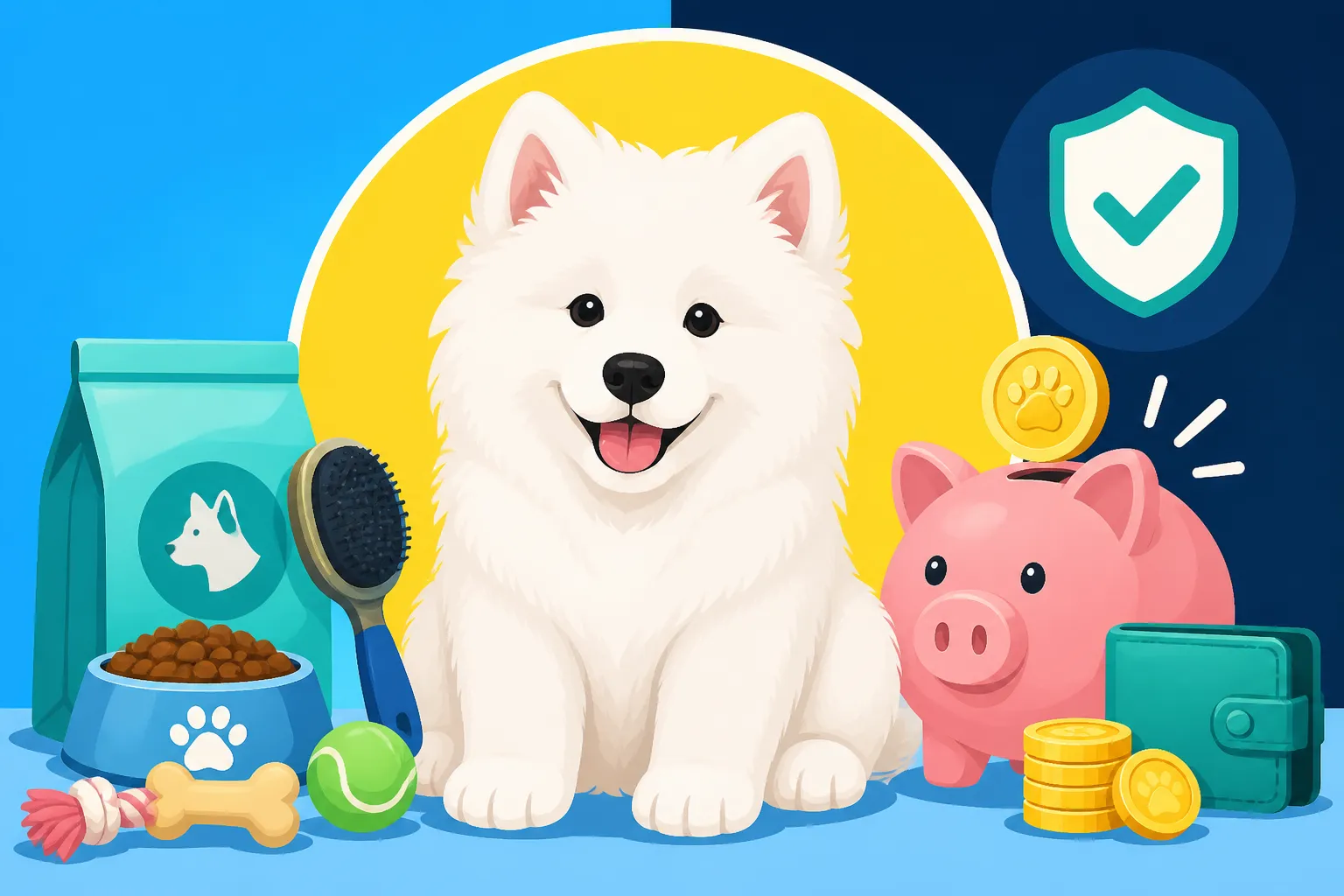
What a Samoyed’s First Year Costs
Bringing a fluffy Samoyed puppy home is an exhilarating moment, filled with dreams of snowy adventures and endless cuddles. However, many new owners quickly realize that the initial purchase price is just the tip of the iceberg when it comes to the true financial commitment, especially during that whirlwind first year. This guide will walk you through the various expenses you can realistically expect, helping you budget wisely and prepare for the joyful, albeit costly, journey of welcoming a Samoyed into your life.
The Initial Investment: Bringing Your Samoyed Puppy Home
The excitement of bringing home a Samoyed puppy often overshadows the financial planning required. Beyond the sticker price of the puppy itself, there are many foundational costs that hit hardest in the first few weeks and months. It's crucial to understand these upfront expenses to ensure you're fully prepared for your new furry family member.
Cost of the Puppy Itself
The price tag on a Samoyed puppy can vary significantly, and it’s often a reflection of the breeder's dedication to health, temperament, and adherence to breed standards. You might see prices that span a wide range, influenced by factors like the breeder's reputation, the lineage of the parents (show champions or working titles), and the comprehensive health testing performed. It's tempting to opt for a cheaper puppy, but this often comes with hidden long-term costs. Responsible breeders invest heavily in their breeding stock, performing essential health screenings for issues prevalent in the breed. For instance, reputable breeders will openly share results for The Health Tests Both Samoyed Parents Should Have, including hip and eye certifications, and crucially, DNA tests for conditions like The DNA Test That Finds the Samoyed Kidney Gene. A higher initial cost often reflects this commitment to producing healthy, well-socialized puppies, potentially saving you heartache and expensive veterinary bills down the line. Always ask for documentation and be wary of anyone who seems evasive about health clearances.
Initial Supplies and Setup
Once you've secured your puppy, the next step is outfitting your home for their arrival. This isn't just about buying cute accessories; it's about providing a safe, comfortable, and stimulating environment. You'll need a appropriately sized crate, which serves as a safe den and aids in house training. A comfortable, durable dog bed is also essential for their resting spots around the house. Food and water bowls, preferably stainless steel or ceramic, are a must. Don't forget a sturdy leash, collar, and harness designed for puppies, as they'll grow quickly.
Toys are not just for fun; they are vital for mental stimulation and redirecting chewing instincts. Stock up on a variety of chew toys, puzzle toys, and interactive toys. Grooming tools are a significant upfront investment for a Samoyed. You'll need a good quality slicker brush, an undercoat rake, and potentially a force dryer to properly dry their dense coat after baths. Thinking ahead, puppy gates are invaluable for containing your curious explorer to safe areas, and securing your yard is paramount. Many Samoyeds are notorious escape artists, so a truly secure perimeter might involve a tall, sturdy fence, and some owners even consider solutions like Whether Buried Wire Stops a Samoyed Digging Out to prevent tunneling. These initial setup costs, though substantial, lay the groundwork for a happy and healthy life for your Samoyed.
First Vet Visits and Preventative Care
The moment your Samoyed puppy arrives home, their health journey begins with a series of crucial veterinary appointments. Your puppy will need a comprehensive initial exam to establish a baseline of health and ensure they are thriving. This visit often includes a fecal test to check for intestinal parasites and the start or continuation of their vaccination series. Puppies typically require a series of booster shots to protect them from common and serious canine diseases like distemper, parvovirus, and rabies.
Beyond vaccinations, deworming is usually part of the puppy protocol to treat or prevent parasites. Microchipping is also highly recommended and often done during one of these early visits, providing a permanent form of identification should your Samoyed ever get lost. While spaying or neutering usually happens a bit later in the first year, it's a significant cost to factor into your budget. Some vets also recommend starting flea, tick, and heartworm prevention from a young age, adding another monthly expense. These preventative measures are an investment in your puppy’s long-term health and well-being, aiming to prevent more serious and expensive health issues down the road.
Ongoing Monthly Expenses: Food, Fun, and Staying Healthy
Once the initial flurry of puppy purchases settles, you'll shift into the rhythm of ongoing monthly expenses. These are the costs that continue throughout your Samoyed's life, and they can vary depending on your choices regarding diet, grooming, and routine veterinary care.
Nutritional Needs and Food Costs
Feeding a growing Samoyed puppy, and later an adult, requires a significant portion of your monthly budget. These are active dogs with substantial nutritional needs, and the quality of their food directly impacts their health, coat condition, and energy levels. You'll need to decide between high-quality kibble, raw food diets, or fresh food options. Each comes with its own price point. Brands like Ollie offer fresh, human-grade food that can be a fantastic option for a Samoyed, though it often comes at a higher cost than kibble.
It's not just about the type of food, but the quantity. A Samoyed puppy grows rapidly, and their caloric needs will change over the first year. You'll be surprised by How Many Cups a Day an Adult Samoyed Eats once they hit their stride. Owners must carefully monitor their Samoyed's weight and body condition, adjusting food portions as needed to support healthy, steady growth without becoming overweight. Overfeeding a puppy can lead to skeletal issues, especially in a large breed. Investing in quality food now can contribute to fewer health problems and a longer, more vibrant life for your furry companion.
Grooming Essentials and Maintenance
Ah, the glorious Samoyed coat! It's beautiful, yes, but it doesn't maintain itself. Regular grooming is not just for aesthetics; it's vital for their skin health and comfort. You'll be brushing your Samoyed multiple times a week to prevent mats and remove loose undercoat. During their "coat blow" seasons, typically twice a year, the amount of fur they shed is legendary. This period requires daily, intensive brushing to remove the dense undercoat that comes out in clumps, and it can last for several weeks.
While many owners learn to manage much of the grooming at home with the right tools, professional grooming services are often a necessity for a thorough deep clean and deshedding. What Grooming a Samoyed Costs Each Visit can be significant due to their size and coat density. Some owners opt for professional grooms every few months, supplementing with extensive home care. If you plan to do most of the grooming yourself, invest in a powerful force dryer, as drying a Samoyed to the skin after a bath can take hours without one. Neglecting their coat can lead to painful matting, skin infections, and discomfort, all of which will incur more expensive vet visits.
Routine Vet Care and Check-ups
Even beyond the initial puppy visits, routine veterinary care remains a consistent monthly or annual expense. In the first year, your puppy will likely need a few more booster shots and possibly a rabies vaccine if not already completed. Beyond that, continuous protection against fleas, ticks, and heartworm is crucial. These preventatives are typically administered monthly or quarterly and represent a regular, ongoing cost.
It’s always a good idea to factor in an annual wellness exam. During these visits, your vet will perform a full physical, discuss any concerns you might have, and recommend any necessary screenings or vaccinations. Remember, puppies are curious, clumsy creatures, and minor accidents or illnesses can pop up unexpectedly. A sudden upset stomach, a cut paw, or an allergic reaction can lead to an unplanned vet visit. While these might not be "monthly" costs, it's wise to have a financial buffer for such occurrences. Early detection of any issues through routine care can often prevent them from becoming more serious and costly problems later on.
Training and Socialization: Building a Well-Adjusted Samoyed
A well-behaved Samoyed doesn't happen by accident; it's the result of consistent training and thoughtful socialization, especially during their formative first year. These investments in time and resources are crucial for integrating your Samoyed happily into your family and community.
Puppy Classes and Basic Obedience
Samoyeds are incredibly smart, but they also have an independent streak and a mind of their own. They were bred to work alongside humans, but often as partners rather than subservient followers. This means training requires patience, consistency, and positive reinforcement. Puppy classes are an excellent starting point, offering structured learning in a controlled environment. Not only do puppies learn basic cues like "sit," "stay," and "come," but they also gain invaluable exposure to other dogs and people.
Group classes are usually more budget-friendly than private lessons, but private sessions can be invaluable for addressing specific behavioral challenges or for owners who prefer one-on-one guidance. Remember, for a Samoyed, obedience is often seen as a suggestion rather than a command, and you might find yourself needing to learn specialized techniques for Training a Samoyed That Finds Obedience Negotiable. Investing in professional training early can prevent undesirable behaviors from becoming ingrained habits, saving you stress and potential bigger expenses down the road if a behaviorist becomes necessary.
Socialization Experiences
Beyond formal training classes, intentional socialization is paramount during your Samoyed's first year. A well-socialized Samoyed is confident, friendly, and comfortable in a variety of situations. This involves carefully exposing your puppy to a wide range of sights, sounds, people, places, and other vaccinated, friendly dogs. Think about trips to pet-friendly stores, walks in bustling parks, car rides, and supervised playdates.
While some socialization opportunities are free, others might come with a small cost. For example, attending puppy playgroups at a reputable facility, or enrolling in advanced obedience or canine good citizen classes, provides structured and safe socialization. The goal is to create positive experiences to build a resilient and well-adjusted dog. A poorly socialized Samoyed can develop fear-based aggression or extreme shyness, which can lead to significant behavioral challenges requiring expensive expert intervention. Don't underestimate the profound impact of varied, positive socialization on your Samoyed's overall happiness and your own peace of mind.
Enrichment and Mental Stimulation
Samoyeds are intelligent working dogs, and they need more than just physical exercise; they need mental challenges to prevent boredom. A bored Samoyed is a destructive Samoyed. They might resort to digging massive holes in your yard – sometimes even just because it's hot, as discussed in The Digging a Samoyed Does Because It Is Hot – or develop undesirable vocalizations, earning them the infamous title of "Samoyed Scream" from The Samoyed Scream and Why It Is Not Barking.
Investing in a variety of enrichment toys, such as puzzle feeders, snuffle mats, and durable chew toys, can provide hours of engaging activity. These items help satisfy their natural instincts to chew, forage, and problem-solve. Rotating toys keeps things interesting. Beyond physical items, mental stimulation can come from short, fun training sessions, scent work games around the house, or even just letting them "help" with chores like carrying a light package. While the cost of these items might seem small individually, they add up, but they are a worthy investment against the potential cost of replacing chewed furniture or dealing with a frustrated, noisy dog.
Health Preparedness: Planning for the Unexpected
Even with the best breeding and preventative care, life with a Samoyed can throw unexpected health curveballs. Being financially prepared for these possibilities is just as important as budgeting for food and toys.
Pet Insurance Premiums
Pet insurance has become an indispensable tool for many Samoyed owners, offering a safety net for those unforeseen accidents or illnesses that inevitably arise. While you pay a monthly premium, it can provide significant financial relief if your Samoyed needs emergency surgery, extensive diagnostics, or long-term treatment for a chronic condition. Companies like Healthy Paws are popular choices, offering various plans.
It's important to understand that pet insurance typically works on a reimbursement model, where you pay the vet directly and then submit a claim for repayment based on your deductible and reimbursement percentage. Crucially, pet insurance generally does not cover pre-existing conditions, which is why it's highly recommended to enroll your Samoyed as a puppy, before any health issues manifest. Looking into What Insuring a Samoyed Costs Monthly can help you determine if this is the right option for your budget and peace of mind. While it adds another monthly expense, the alternative of facing thousands of dollars in emergency vet bills without assistance can be devastating.
Emergency Fund versus Insurance
For some owners, the idea of an emergency fund specifically for pet care feels more suitable than pet insurance. This involves setting aside a dedicated amount of money each month into a savings account, building up a reserve for potential veterinary emergencies. The advantage here is that the money is always accessible and you don't have to deal with deductibles, reimbursement percentages, or claim submissions.
However, the challenge lies in having enough saved when a major event occurs, especially in the first year. A young puppy can get into trouble quickly – ingesting something toxic, breaking a bone during playful antics, or developing a sudden illness. These incidents can lead to veterinary bills that quickly outstrip a newly established emergency fund. While an emergency fund offers flexibility, pet insurance provides immediate access to coverage for large, unexpected costs that might otherwise be financially crippling. Ultimately, the best approach depends on your financial situation and risk tolerance, but having one or both in place is critical for any responsible Samoyed owner.
Disease Specific Concerns
While Samoyeds are generally a hardy breed, they are not immune to certain hereditary health issues. Being aware of these can help you discuss appropriate preventative care or early diagnostic screenings with your veterinarian. For example, Samoyed Hereditary Glomerulopathy is a serious kidney disease primarily affecting males, and it's a condition where owners often wish they knew more about The Kidney Disease That Kills Samoyed Males Before Fifteen Months. Similarly, hip dysplasia, a common orthopedic issue in many large breeds, can also affect Samoyeds, and understanding conditions like Hip Dysplasia in a Samoyed is important for potential preventative measures, even if clinical signs typically appear later than the first year.
Even though these major conditions might not manifest in the puppy's first year, the groundwork for their health is laid during this time. Choosing a puppy from health-tested parents significantly reduces risk. Additionally, maintaining a healthy weight, providing appropriate exercise, and feeding a balanced diet can help mitigate the expression of some genetic predispositions. While you won't be paying for major treatments for these issues in the first year (hopefully!), it's important to be aware of the potential for them to arise later and to factor general breed-specific health into your long-term financial planning.
Hidden Costs and Time Investment: Beyond the Dollar Figure
Beyond the obvious expenses like food and vet visits, there are a host of less tangible, or "hidden," costs associated with a Samoyed's first year. These can surprise new owners and often include both financial outlays and a significant investment of your personal time and lifestyle adjustments.
Damage and Replacement
Let’s be realistic: puppies are adorable little agents of chaos, and Samoyeds are no exception. Their first year is often marked by an insatiable desire to chew, explore, and occasionally have accidents indoors. You might find your shoes, furniture legs, remote controls, or even electrical cords falling victim to their sharp puppy teeth. This means budgeting for replacements or investing in very robust puppy-proofing measures.
House training, while usually successful, will involve accidents. Cleaning supplies – specialized enzymatic cleaners for pet odors and stains – will become a regular purchase. While these costs might seem minor individually, they can add up over time, especially if your Samoyed is particularly enthusiastic about redecorating with their teeth. Factor in durable, chew-proof beds and toys to minimize destruction and save your belongings.
Time as an Investment
Perhaps the biggest "cost" of a Samoyed's first year isn't monetary at all; it's the immense investment of your time. This goes far beyond just feeding and walking. Samoyeds thrive on companionship and activity. They need consistent training, daily exercise that goes beyond a casual stroll, and ample mental stimulation. Every moment you spend teaching them, playing with them, or simply being present, contributes to their development into a well-adjusted adult.
Think about the hours dedicated to house training, teaching basic manners, and managing their energy. Grooming their luxurious coat also demands significant time each week. The First Year With a Samoyed Puppy is a period of intense bonding and instruction, requiring an almost constant presence and active engagement. If you work long hours or travel frequently, the "cost" of hiring dog walkers, pet sitters, or even doggy daycare can quickly add up to compensate for your absence, reflecting this crucial time investment.
Lifestyle Adjustments
Bringing a Samoyed into your home fundamentally alters your lifestyle, and these adjustments often come with indirect financial implications. Spontaneous weekend trips might become more complex or expensive if you need to arrange pet care. Your home environment might need modifications – a secure yard, designated play areas, or perhaps even an upgrade to your vacuum cleaner to handle the copious amounts of Samoyed fur.
Your social life might shift; many owners find their activities revolve more around their dog's needs, whether it's exploring new hiking trails, attending dog-friendly events, or simply enjoying quiet evenings at home with their furry companion. The decision to get a Samoyed is a decision to embrace a lifestyle that prioritizes their well-being and happiness. While these aren't line-item expenses, they represent the total commitment you make, shaping your daily routines and choices in ways that ultimately have a financial ripple effect.
Estimated First-Year Samoyed Costs Breakdown
To give you a clearer picture, here's a general breakdown of potential costs for your Samoyed's first year. Remember, these are broad estimates and actual costs can vary wildly based on your location, choices, and any unexpected health issues.
| Category | Description | Estimated Cost Range (First Year) |
|---|---|---|
| Puppy Purchase | Cost of a Samoyed puppy from a reputable breeder, including initial health checks and DNA testing for parents. | Highly variable, depends heavily on breeder and region. |
| Initial Supplies | Crate, bed, bowls, leash, collar, harness, identification tags, initial set of toys, puppy gates, basic grooming tools (brushes, rake), cleaning supplies. | Moderate upfront investment, some items are one-time. |
| Vet & Preventative | Initial vet exams, puppy vaccinations (multiple rounds), deworming, microchipping, flea/tick/heartworm prevention (first year), potential spay/neuter surgery. | Can be a significant lump sum in the first few months, followed by ongoing monthly/quarterly prevention. |
| Food & Treats | High-quality puppy food (kibble, fresh, or raw), training treats. Varies based on diet choice and growth rate. | Consistent monthly expense, increases as puppy grows. |
| Grooming Maintenance | Shampoos, conditioners, additional grooming tools (e.g., force dryer if doing at home), occasional professional grooming sessions (e.g., 2-3 times for a full deshed). | Varies from low (DIY) to high (regular professional). |
| Training & Enrichment | Puppy classes, basic obedience, durable chew toys, puzzle feeders, snuffle mats, possible private training sessions if needed. | Moderate upfront for classes, ongoing for toys/chews. |
| Pet Insurance | Monthly premiums. Varies by provider (e.g., Healthy Paws), deductible, and reimbursement level. | Consistent monthly expense, highly recommended. |
| Miscellaneous | Unexpected vet visits (accidents, minor illnesses), replacement of chewed items, dog walking/sitting services, additional cleaning supplies, potential fence repairs/upgrades (e.g., What a Six Foot Fence Costs a Samoyed Owner). | Highly unpredictable, but wise to budget a buffer. |
Disclaimer
This article is for general informational purposes only and does not constitute professional advice. Laws, prices and regulations vary by location and change over time. Consult a qualified professional for guidance on your specific situation.