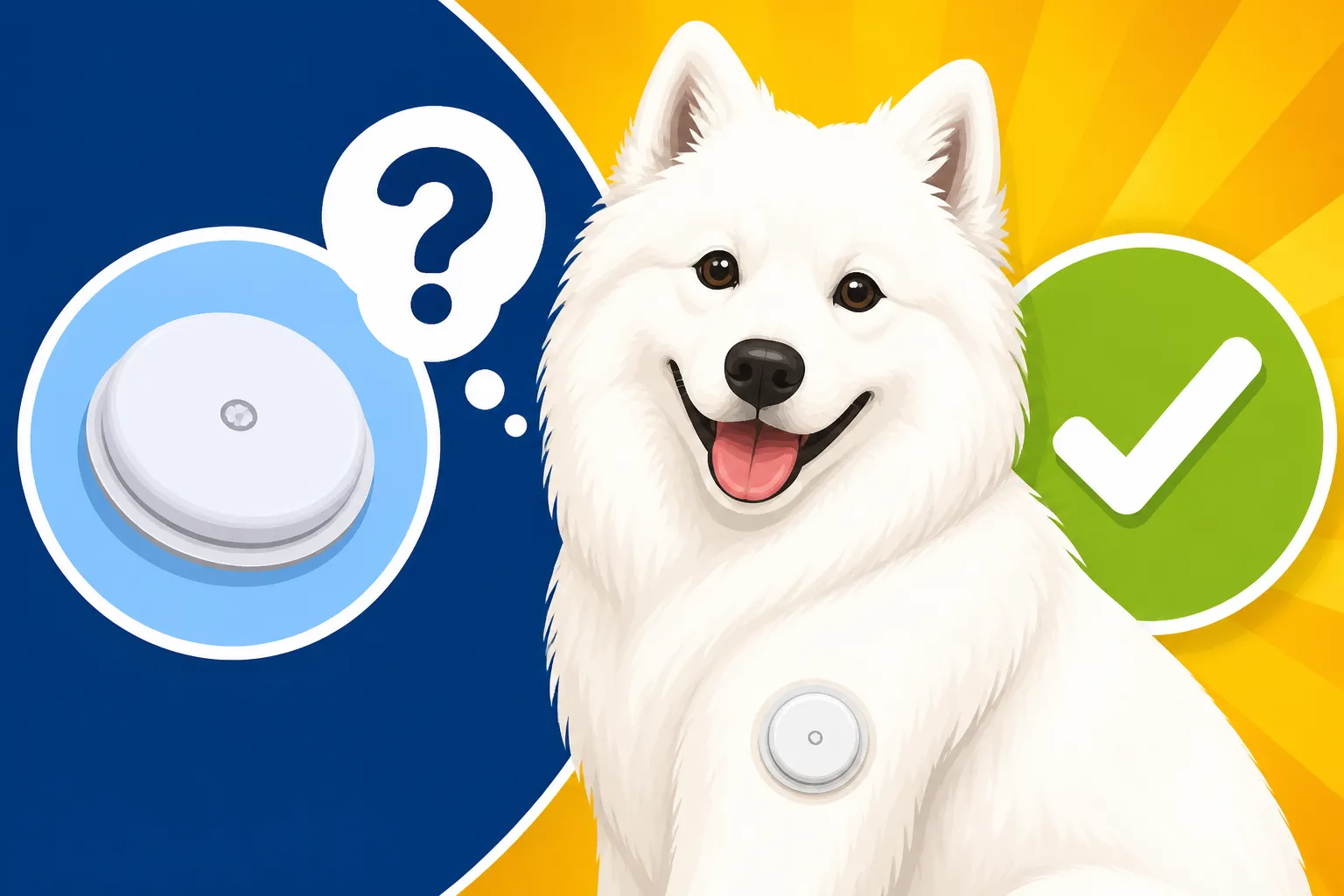
Whether a Continuous Glucose Monitor Works on a Samoyed
Dealing with a Samoyed diagnosed with diabetes can be incredibly stressful, especially when it comes to the constant worry of managing their blood sugar levels. The traditional methods often involve frequent, invasive blood glucose checks, which can be upsetting for both you and your beloved Sammy. This guide is here to walk you through how continuous glucose monitors (CGMs) can offer a less stressful, more consistent way to keep an eye on your Samoyed's diabetes, bringing a much-needed sense of control back into your daily routine.
The Challenges of Managing Samoyed Diabetes
Living with a diabetic Samoyed means an ongoing commitment to their health, often characterized by a tightrope walk of insulin dosages, meal timings, and blood sugar monitoring. It's a journey filled with love, but also with significant challenges, especially given the unique temperament and physical characteristics of our fluffy friends.
The Daily Grind of Pricking Your Sammy's Paw
For many Samoyed owners, the most immediate frustration is the act of testing blood glucose. Imagine trying to get a tiny drop of blood from your beautiful, thick-coated Sammy's ear or paw pad multiple times a day. It’s not just a physical challenge; it’s an emotional one. Your sweet-natured Samoyed might tolerate it for a while, but it can quickly become a source of anxiety for them, making them withdraw or even shy away from your touch. This isn't just a minor inconvenience; it's a significant barrier to consistent monitoring, which is absolutely crucial for preventing dangerous highs and lows. We want our dogs to trust us, not associate us with discomfort, and this constant pricking can really strain that bond.
Why Samoyeds Can Be Tricky Patients
Samoyeds, with their dense double coats and often stoic nature, can make diabetes management particularly complex. Their luxurious fur can hide subtle changes in body condition or skin irritation, making it harder to spot issues with injection sites or skin health that might impact insulin absorption. Beyond the fur, their inherent intelligence and independent spirit mean they're often too smart for their own good. They quickly learn to anticipate unpleasant experiences, and trying to perform a glucose check on a Samoyed who's decided they've had enough can feel like wrestling a fluffy cloud. It’s also worth noting that Samoyeds can be quite adept at hiding discomfort or illness, making it even harder to gauge how they're truly feeling day-to-day. You might see some behavioral changes, but their natural "smile" can mask a lot. For more on this, you might find our article on how a Samoyed hides illness behind a smile particularly insightful.
What is a Continuous Glucose Monitor CGM?
Continuous Glucose Monitors, or CGMs, have revolutionized diabetes management for humans, offering a peek into glucose trends that traditional finger-prick tests simply can’t provide. Now, this incredible technology is increasingly making its way into veterinary medicine, bringing a sigh of relief to many pet parents, including those with diabetic Samoyeds.
How CGMs Deliver Constant Data
At its core, a CGM is a small, wearable device that continuously measures glucose levels in the interstitial fluid, which is the fluid surrounding the cells, just under the skin. Unlike a traditional blood glucose meter that gives you a single snapshot in time, a CGM provides readings every few minutes, around the clock. This constant stream of data paints a much more complete picture of your Samoyed's glucose trends throughout the day and night. You can see how their levels respond to meals, exercise, and insulin injections, identifying patterns that would be impossible to catch with periodic manual checks. This is incredibly valuable for understanding the true effectiveness of your current management plan and making informed adjustments with your vet. It removes the guesswork and the stress of trying to time those blood glucose curves perfectly, which, let's be honest, can be a real logistical nightmare.
The Technology Behind Canine CGMs
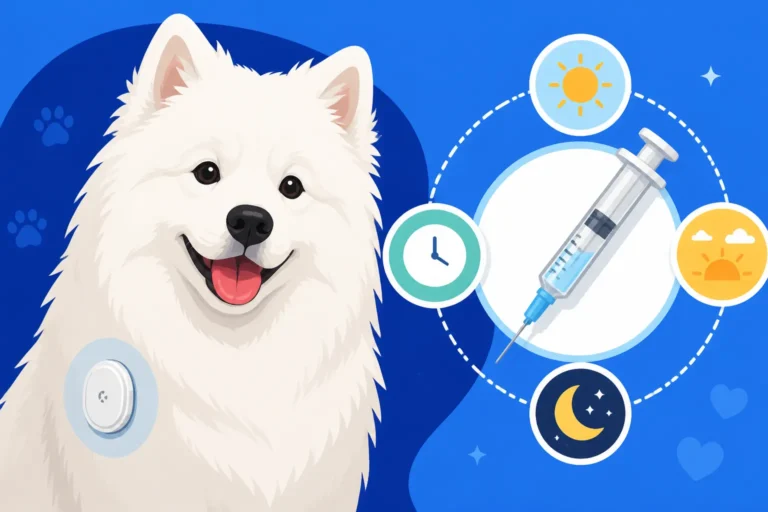
For dogs, the most commonly used CGM systems are often adaptations of human devices. The most prominent one you'll likely hear about is the FreeStyle Libre system. It consists of a small, round sensor, roughly the size of two stacked quarters, that attaches to your Samoyed's skin, usually on their side or upper leg. A tiny, sterile filament (smaller than an eyelash!) painlessly inserts just under the skin. Once applied, the sensor can stay in place for up to 14 days, continuously gathering data. To read the data, you simply use a compatible smartphone app or a dedicated handheld reader to scan the sensor. No painful blood draws needed! The sensor then transmits the stored glucose readings to your device. This data can include current glucose levels, a trend arrow showing if levels are rising or falling, and a historical graph of readings over several hours or days. This allows for incredibly granular insights into your Samoyed's glucose fluctuations, which is critical for making precise adjustments to their care, especially if you're trying to fine-tune their insulin regimen or understand why they might be having unpredictable lows or highs.
Are CGMs a Good Fit for Samoyeds?
This is the million-dollar question for many Samoyed owners considering a CGM. The good news is, yes, continuous glucose monitors absolutely can work on Samoyeds, and for many, they've been a game-changer. However, there are some specific considerations unique to our fluffy companions that you’ll want to keep in mind.
Benefits of Using a CGM on Your Samoyed
The advantages of a CGM for your Samoyed are numerous and can profoundly improve both their quality of life and your peace of mind.
- Reduced Stress and Discomfort: This is perhaps the biggest win. No more daily ear pricks or paw pokes! Imagine your Samoyed not flinching when you approach, but instead greeting you with their usual happy smile. A CGM means fewer invasive procedures, making the entire diabetes management process far less stressful for them and for you. It preserves that precious bond without the negative associations of constant needle sticks.
- Comprehensive Data for Better Management: Traditional blood glucose curves often require multiple readings over a 12-24 hour period, which is disruptive and can still miss important spikes or drops. A CGM provides a continuous stream of data, offering a complete picture of glucose trends. You can see how food, exercise, and even excitement impact their blood sugar, allowing your vet to make more precise adjustments to insulin doses. This detailed insight can be particularly helpful for understanding the full scope of managing a diabetic Samoyed.
- Early Detection of Hypoglycemia or Hyperglycemia: With real-time or near-real-time data, you can catch dangerous lows (hypoglycemia) or persistent highs (hyperglycemia) much faster. Many CGMs can be set to alert you if glucose levels fall outside a target range, giving you precious time to intervene before a crisis occurs. This proactive approach can significantly reduce the risk of serious complications.
- Easier for Owners: Let's be honest, it's easier for us too. Scanning a sensor is quick and painless, fitting seamlessly into busy schedules. This ease of use often leads to more consistent monitoring, which is the cornerstone of good diabetes control. It can also empower you to be a more active participant in your Samoyed's care, feeling more confident about their day-to-day stability. For instance, if you're trying to figure out how often a diabetic Samoyed needs insulin, the CGM data will be invaluable for your vet.
Challenges and Considerations for Samoyed Owners
While the benefits are clear, there are indeed some Samoyed-specific challenges to navigate when using a CGM.
- The Glorious Samoyed Coat: This is probably the biggest hurdle. Samoyeds have a thick, dense double coat designed for arctic conditions. Attaching a CGM sensor requires a small area of clipped fur to ensure proper skin adhesion. This can be tricky to manage, as the sensor needs to stay securely in place for up to two weeks. The regrowth of fur, activity, and even enthusiastic scratching can threaten the sensor's attachment. You'll need to be meticulous with site preparation and potentially consider protective coverings.
- Activity Levels and Durability: Samoyeds are active dogs, often keen on running, playing, and rolling in the dirt. A sensor needs to be durable enough to withstand their antics. While devices like the FreeStyle Libre are designed to be robust, an exceptionally boisterous or rough-and-tumble Samoyed might put it to the test. Owners might need to use additional veterinary wraps or custom-made patches to secure the sensor, especially if their Samoyed loves to play hard or spend time outdoors.
- Cost and Accessibility: CGMs, being advanced medical technology, do come with a cost. The sensors are disposable and need to be replaced every 10-14 days. This ongoing expense can add up, and while some pet insurance providers like Healthy Paws may cover a portion of diabetes management costs, it’s essential to check your policy specifics. Additionally, while the technology is becoming more common, not all veterinarians are fully familiar with canine CGM use, so you might need to seek out a practice that has experience.
- Interpretation of Data: While the CGM provides a wealth of data, understanding what it all means and how to act on it is crucial. Interstitial fluid glucose levels can lag behind blood glucose levels, and external factors can sometimes influence readings. It’s absolutely vital that you work closely with your veterinarian to interpret the data and adjust your Samoyed’s insulin dosage or diet appropriately. Never make dosage changes without consulting your vet. This consistent collaboration is key to successful management.
Practical Application and Attachment Sites
For Samoyeds, selecting the right attachment site is critical for sensor longevity and accurate readings. The most common site is the flank (side of the body) or over the shoulder blade, where there's usually enough skin, less muscle movement, and less direct friction from collars or harnesses.
Before application, the area must be shaved very closely and cleaned thoroughly. Many vets recommend using medical adhesive sprays or wipes (like Skin-Prep or Mastisol) to create a sticky surface for the sensor. Once applied, a protective covering, such as a self-adhering veterinary wrap (VetWrap) or even a custom-fit dog shirt, can help keep the sensor secure and prevent your Samoyed from scratching or rubbing it off, particularly during the initial days. Some owners even create little vests for their Samoyed that specifically cover the sensor site. Regular checks of the site for redness or irritation are also important to ensure comfort and prevent skin issues under the device.
Choosing and Using a CGM for Your Samoyed
When you're ready to embrace the world of continuous glucose monitoring for your Samoyed, a structured approach is best. It's not just about slapping on a sensor; it's about integrating this tool effectively into your pet's overall diabetes care plan.
Popular CGM Systems for Canines
Currently, the most widely adopted and readily available CGM system for dogs is the FreeStyle Libre system, developed by Abbott. While it's designed for human use, veterinarians have successfully adapted its application for canine patients.
The FreeStyle Libre 14-day system, or the newer FreeStyle Libre 2 and 3 versions, are often used. These consist of a small sensor that's easily applied by your vet (or yourself, with proper training and guidance from your vet) after a small patch of fur is carefully clipped. Once the sensor is in place, it records glucose readings every minute for up to 14 days. You then use a FreeStyle Libre reader or a compatible smartphone app to scan the sensor as often as needed to get your Samoyed's glucose data. The newer versions, like the Libre 2 and 3, even offer optional real-time alarms if glucose levels go too high or too low, which can be an absolute lifesaver for quickly intervening.
While other human CGMs exist, their cost and specific application methods might make them less practical or accessible for canine use compared to the FreeStyle Libre, which has a relatively smaller, less cumbersome sensor and a more forgiving application process that works well even with a thick-coated Samoyed.
Working with Your Veterinarian for Optimal Management
This step cannot be overstressed: your veterinarian is your primary partner in managing your Samoyed's diabetes, and that partnership becomes even more critical with a CGM. Before even considering a CGM, discuss it thoroughly with your vet.
Your vet will help you:
- Assess Suitability: They'll confirm if a CGM is the right choice for your Samoyed, considering their health status, activity level, and temperament.
- Proper Application and Training: While applying a FreeStyle Libre sensor seems straightforward, correct placement and secure adhesion are paramount for a Samoyed's thick coat. Your vet can apply the first sensor, show you exactly how to do it, and provide tips for ensuring it stays on for the full duration. They'll also guide you on how to properly clip the fur and prepare the skin.
- Data Interpretation: The raw numbers from a CGM are just data points. Your vet will help you interpret the trends, identify patterns (like post-meal spikes or overnight lows), and connect these to your Samoyed’s diet, exercise, and insulin regimen. They are the experts in translating this data into actionable changes. This is far more nuanced than just looking at a single blood glucose reading and requires a comprehensive understanding of What a Glucose Curve Involves for a Samoyed.
- Insulin Adjustments: Never adjust your Samoyed's insulin dosage based on CGM readings alone without consulting your vet. CGMs measure interstitial glucose, which can slightly lag behind blood glucose. Your vet will teach you how to correlate the CGM data with any necessary blood glucose checks (which might still be needed occasionally for calibration or confirmation) and make safe, informed decisions about insulin adjustments. Understanding How Often a Diabetic Samoyed Needs Insulin is a complex topic that benefits immensely from CGM data, but always under veterinary guidance.
Maintaining and Troubleshooting Your Samoyed's CGM
Once the sensor is on, a little proactive maintenance can go a long way in ensuring it lasts the full 14 days.
- Protection: As mentioned, your Samoyed's active lifestyle and dense coat require protective measures. A close-fitting dog shirt, a body wrap, or even an infant onesie can provide an extra layer of protection against accidental bumps, scratches, or rubs. Ensure whatever you use is breathable and doesn't cause overheating for your Samoyed, especially in warmer climates.
- Regular Checks: Daily, gently check the sensor site for any signs of redness, swelling, or irritation. Also, give the sensor a gentle wiggle to ensure it's still securely adhered. If you notice any issues, contact your vet immediately.
- Scanning Consistency: For the most comprehensive data, try to scan the sensor regularly throughout the day. Some apps allow you to add notes about meals, insulin injections, and exercise, which can provide invaluable context for your vet when reviewing the data.
- Troubleshooting Common Issues:
- Sensor Falling Off Early: This is a common issue, especially with active Samoyeds. It often comes down to insufficient hair clipping or inadequate skin preparation. Discuss with your vet stronger adhesives or better wrapping techniques.
- Inaccurate Readings: If you suspect a reading is off (e.g., your Samoyed seems hypoglycemic but the CGM reads normal), perform a manual blood glucose check to confirm. Sometimes, early in its application, a sensor can give slightly anomalous readings. Hydration levels can also affect interstitial fluid glucose readings.
- Connectivity Issues: Ensure your smartphone or reader is close enough to the sensor when scanning, and check for any app updates if you're experiencing consistent issues.
CGMs can dramatically improve the management of your Samoyed's diabetes, offering unprecedented insight and reducing stress. They allow for a more stable and predictable life for your furry family member. For an added layer of financial peace of mind with ongoing care costs, considering pet insurance like Healthy Paws can be beneficial. They often help with the expenses associated with chronic conditions, though it's always critical to read their specific policy details regarding pre-existing conditions and device coverage.
Comparing Glucose Monitoring Methods
| Feature | Traditional Blood Glucose Meter (BGM) | Continuous Glucose Monitor (CGM) |
|---|---|---|
| Method | Finger/ear/paw prick to get a blood sample | Small sensor placed under the skin, measures interstitial fluid glucose |
| Frequency of Readings | Intermittent (e.g., 2-4 times/day, or a full curve over 12-24 hours) | Continuous (every 1-15 minutes, 24/7) |
| Type of Data | Snapshot in time (single glucose value) | Trends, patterns, highs/lows over time (graphical representation) |
| Stress/Discomfort | High (repeated pricking, restraint) | Low (one-time application, then passive monitoring) |
| Owner Effort | High (manual blood collection, testing, logging) | Moderate (sensor application/replacement, scanning, data review) |
| Lag Time | None (real-time blood glucose) | Slight (interstitial fluid glucose can lag blood glucose by 5-15 minutes) |
| Duration | Performed as needed | Sensor typically lasts 10-14 days |
| Cost | Lower initial cost (meter, strips, lancets) | Higher ongoing cost (sensors, reader/app) |
| Suitability for Samoyeds | Can be challenging due to coat and temperament | Excellent, but requires careful application and protection due to coat |
Conclusion
Embracing a continuous glucose monitor for your diabetic Samoyed can truly transform the daily grind of diabetes management into a more manageable, less stressful routine. While the initial thought of applying a device might seem daunting, especially with that magnificent Samoyed coat, the benefits of constant, comprehensive data and the significant reduction in stress for your beloved companion are immense. You'll gain invaluable insights into your Samoyed's unique glucose patterns, allowing for more precise adjustments to their care plan. Remember, this journey is a partnership with your veterinarian. They are your best resource for proper application, data interpretation, and making informed decisions to ensure your Samoyed lives their happiest, healthiest life possible. It's about empowering you both to navigate diabetes with confidence and a whole lot less worry.
Disclaimer
Please note that the information provided in this guide is for informational purposes only and does not constitute veterinary medical advice. Always consult with a qualified veterinarian for any health concerns or before making any decisions related to your Samoyed's medical care, diet, or treatment plan. Individual circumstances can vary, and a professional veterinary assessment is essential.