Whether an Affected Samoyed Loses Weight First
It's a heartbreaking reality that our beloved Samoyeds, with their ever-present smiles and luxurious coats, are absolute masters at hiding discomfort or illness. This stoic nature makes it incredibly challenging to spot when something is truly wrong, and often, by the time we notice a significant change like weight loss, a condition might be further along than we'd ever want. This guide aims to shed light on whether weight loss is typically the first sign of trouble in an affected Samoyed and what you, as a loving owner, need to be vigilant about.
The Elusive Nature of Weight Loss in Samoyeds
When you look at a Samoyed, you see a magnificent cloud of white fur, a picture of robust health. Their dense double coat, designed to protect them from Arctic extremes, also serves as a brilliant disguise for any underlying physical changes. This is why noticing subtle shifts in their body condition, like weight loss, can be incredibly difficult until it becomes quite pronounced.
Why Early Detection is So Tricky
Imagine trying to gauge the leanness of an animal that essentially wears a permanent, fluffy winter jacket. It's not like seeing the ribs or hips on a short-coated breed becomes obvious overnight. For us Samoyed owners, we often rely on touch rather than sight. Running your hands over their sides, feeling for their ribs and spine, is far more telling than just looking at them from across the room. Many a Samoyed has walked around with a serious illness, its owner none the wiser because its beautiful coat camouflaged the gradual wasting of muscle and fat. This can lead to immense frustration and guilt when an illness is finally diagnosed, often leaving owners wondering what they missed.
Moreover, Samoyeds are generally known for being pretty good eaters. A sudden, dramatic refusal of food would be an obvious red flag, but a slight decrease in appetite over weeks or months, especially when combined with their energy levels still appearing normal, might not immediately ring alarm bells. They might pick at their food a bit more, or leave a few kibbles, but it's easy to dismiss this as them being picky or just not as hungry on a particular day. The cumulative effect, however, is a slow but steady caloric deficit that eventually leads to noticeable weight loss.
The Samoyed's Deceptive Fluff
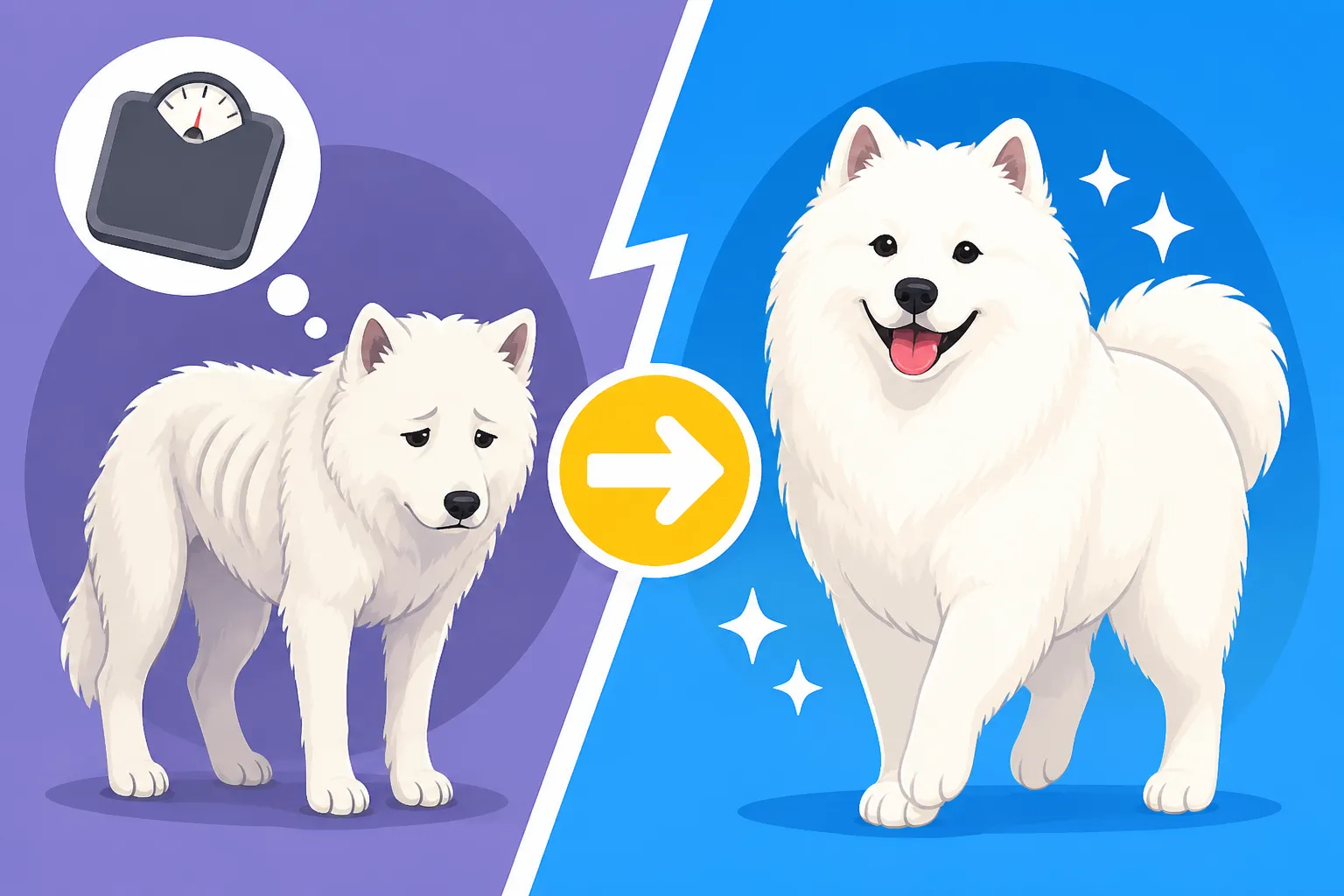
That gorgeous, plush Samoyed coat, while one of their most defining and attractive features, is also a masterful illusionist. It creates a silhouette that can maintain an appearance of fullness long after actual body mass has started to decline. Think about it: a fluffy pillow still looks substantial even if the stuffing inside is starting to thin out. The long guard hairs and dense undercoat stand away from the body, creating volume. This means that by the time you can see a Samoyed looking thin, they’ve likely lost a significant amount of weight already.
This "deceptive fluff" is why vets and experienced Samoyed owners stress the importance of regular hands-on checks. You need to physically feel your dog's frame. Can you easily feel their ribs, but not see them? Is their spine palpable without being sharply protruding? Is there a good amount of muscle over their shoulders and hips? A bony spine or hips, or ribs that are very prominent to the touch, are clear indicators that your Samoyed has indeed lost weight, regardless of how fluffy they still appear. This isn't just about general health; it's about catching those critical early signs. Remember how a Samoyed Hides Illness Behind a Smile, which further underscores the need for vigilance beyond surface appearances.
Common Samoyed Ailments and Their Weight Loss Patterns
While weight loss can be a symptom of many health issues, some conditions are more prevalent in Samoyeds and often present with a noticeable decline in body condition as part of their progression. It's rarely the first symptom you might notice, but it's definitely a significant one that indicates a problem requiring attention.
Kidney Disease: A Silent Culprit
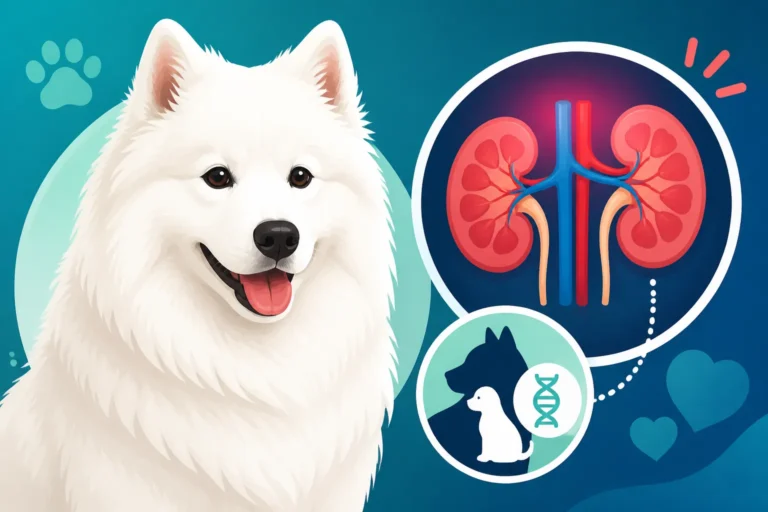
One of the most devastating conditions for Samoyed males is hereditary glomerulopathy, often referred to as Samoyed Hereditary Nephritis (SHN). This is a progressive kidney disease that unfortunately hits male Samoyeds particularly hard, often leading to kidney failure before they reach two years of age. Females can be carriers and may experience milder forms later in life, if at all.
In the early stages of kidney disease, weight loss is usually not the first or most obvious sign. Instead, you might notice other changes first. A Samoyed suffering from developing kidney disease might start drinking excessively and urinating more frequently, which can sometimes be subtle enough to miss if you're not paying close attention to their water bowl and potty breaks. As the kidneys struggle, they lose their ability to concentrate urine, leading to dilute, clear urine. This loss of protein in the urine, a hallmark of SHN, eventually contributes to muscle wasting and weight loss. You might notice your Samoyed looking a bit dull, perhaps a slight decrease in appetite, and then, very gradually, you might start to feel they are a bit bonier than usual when you pet them.
It’s crucial to understand that by the time a Samoyed with kidney disease is visibly losing weight, the disease has likely progressed significantly. This is why vigilance for subtle signs like increased thirst or changes in urination is paramount. Early detection through regular urine testing can make a difference, as discussed in Why a Samoyed's Urine Should Be Tested Young. Knowing Signs a Samoyed Is Losing Protein in Its Urine can help you advocate for early screening.
Diabetes Mellitus: A Metabolic Shift
Diabetes Mellitus is another serious condition that can affect Samoyeds, typically appearing in middle-aged dogs. It's a metabolic disorder where the body either doesn't produce enough insulin or can't effectively use the insulin it produces, leading to high blood sugar levels.
With diabetes, weight loss is often a prominent symptom, and it can sometimes seem quite sudden, especially for a condition that has been brewing. Despite eating what appears to be a normal amount, or even more, a diabetic Samoyed's body cannot properly convert glucose into energy. This forces the body to start breaking down fat and muscle for fuel, leading to a noticeable loss of body condition.
Alongside weight loss, key signs of diabetes include excessive thirst (polydipsia) and frequent urination (polyuria). Your Samoyed might be emptying their water bowl much faster than usual, and demanding to go outside more often, even waking you up at night for bathroom breaks. Increased appetite, despite losing weight, is also common because their cells are starving for energy. If you notice Signs a Samoyed Has Become Diabetic, including sudden weight loss alongside these other symptoms, it’s time for an urgent vet visit. Managing a diabetic Samoyed is a significant commitment, but with proper care and medication like insulin, many dogs can still lead full lives.
Other Conditions Where Weight Loss Can Occur
Weight loss isn't exclusive to kidney disease or diabetes. Many other health issues can lead to a decline in body condition in Samoyeds.
- Gastrointestinal Issues: Chronic digestive problems, inflammatory bowel disease, or exocrine pancreatic insufficiency (EPI) can all impair nutrient absorption, causing a dog to lose weight despite eating. If your Samoyed experiences chronic diarrhea, vomiting, or changes in stool quality, and starts to look thinner, it warrants investigation.
- Cancer: Unfortunately, Samoyeds, like many breeds, can be susceptible to various cancers. Many types of cancer lead to cachexia, a wasting syndrome characterized by significant weight and muscle loss, even when appetite is maintained or slightly reduced. Lumps Worth Checking on a Samoyed should always be taken seriously.
- Dental Disease: Severe dental pain or infection can make eating difficult and painful, leading to reduced food intake and subsequent weight loss. While often overlooked, dental health is a crucial component of overall well-being.
- Thyroid Issues: Hypothyroidism, a common endocrine disorder where the thyroid gland doesn't produce enough hormones, can cause weight gain, but in some rare, severe or atypical cases, it might lead to muscle wasting or other metabolic changes that could impact weight. Signs a Samoyed's Thyroid Has Failed are usually more subtle, like coat changes or lethargy.
- Heart Disease: Advanced heart disease can also contribute to weight loss and muscle wasting. A dog struggling with cardiac issues might have a reduced appetite, less energy for activity, and the body expends more energy just to function, leading to a catabolic state. If your vet notes Aortic Stenosis in a Samoyed, this could eventually be a factor.
- Pain or Chronic Discomfort: A Samoyed in chronic pain, perhaps from severe Arthritis in an Older Samoyed or another musculoskeletal issue, might have a reduced appetite or struggle to move to their food bowl comfortably, leading to gradual weight loss.
It's clear that while weight loss is a serious indicator, it is rarely the first symptom you will notice in many of these conditions. It's often accompanied by, or preceded by, other changes in behavior, appetite, thirst, or activity levels.
Monitoring Your Samoyed for Subtle Changes
Because Samoyeds are so good at masking illness and their fluff hides physical changes, consistent and proactive monitoring is your best defense. Don't wait until something is obviously wrong. Regular checks and knowing your dog's baseline are invaluable.
The Importance of Regular Body Condition Checks
You might not need to put your Samoyed on a scale every day, but you absolutely should be doing regular "hands-on" body condition assessments. This means feeling their body carefully. Start by running your hands along their ribs. You should be able to feel them distinctively, like feeling the knuckles on the back of your hand when your palm is flat. If you can't feel them easily without pressing, your Samoyed might be overweight. If they feel like sharp ridges with no padding, your Samoyed is likely underweight.
Next, feel along their spine. The bony protrusions should be palpable but not sharp or prominent. Over their hips, you should feel a good layer of muscle. If you can easily feel the points of their hip bones, or if their spine feels very bony, they're losing muscle mass and fat. Doing this once a week, perhaps during a grooming session, helps you learn what "normal" feels like for your dog. Any subtle changes over time will become much more apparent to your touch than to your eye.
This hands-on check is critical because it bypasses the visual deception of their glorious coat. It’s also a wonderful bonding experience, giving you dedicated time with your furry companion. Make it a routine, like brushing their teeth or checking their ears. This proactive approach helps you catch changes early, which can make all the difference in treatment outcomes. Knowing Why a Samoyed Owner Must Watch Its Weight Closely is fundamental to their long-term health.
Beyond the Scale: Other Red Flags to Watch For
While weight is important, it's just one piece of the puzzle. Being observant of your Samoyed's overall demeanor, habits, and energy levels can provide critical clues. Here's a table outlining some other key indicators to watch for:
| Symptom Category | Specific Red Flags | Potential Underlying Issues (not exhaustive) |
|---|---|---|
| Appetite & Thirst | Decreased or increased appetite | Kidney disease, diabetes, cancer, dental issues, pancreatitis |
| Increased water intake and urination | Kidney disease, diabetes, Cushing's disease, urinary tract infection | |
| Energy & Behavior | Lethargy, reduced playfulness, reluctance to walk/exercise | Kidney disease, heart disease, pain (arthritis), hypothyroidism, cancer, general malaise |
| Increased clinginess or seeking solitude | Pain, discomfort, illness, anxiety | |
| Coat & Skin | Dull coat, excessive shedding (beyond coat blow), skin changes, sores | Hypothyroidism, allergies, skin infections, kidney disease (poor coat quality) |
| Breathing | Increased panting (without exertion/heat), coughing, difficulty breathing | Heart disease, respiratory infection, pain, heat stress (see Signs a Samoyed Is in Heat Distress) |
| Elimination | Diarrhea, vomiting, constipation, changes in stool quality, straining to urinate | Gastrointestinal issues, pancreatitis, kidney disease, urinary tract infection |
| Pain Signs | Limping, stiffness, reluctance to jump, vocalizing when touched | Arthritis, injury, other pain-causing conditions |
Any combination of these signs, even if subtle, warrants attention. Samoyeds often show their discomfort in nuanced ways, perhaps by just being a little less enthusiastic about their favorite toy, sleeping a bit more, or taking longer to get up. These small shifts are your cues. If you're concerned about unexplained weight loss or any other worrying symptoms, remember that companies like Healthy Paws can provide peace of mind by helping with unexpected veterinary costs, encouraging you to seek care sooner rather than later.
When to Seek Veterinary Attention for Weight Loss
If you've noticed your Samoyed is losing weight, even if they still seem relatively cheerful, it's never something to ignore. Early intervention can make a significant difference in prognosis and quality of life for many conditions.
Preparing for Your Vet Visit
When you call your veterinarian, be prepared to give them as much detail as possible. Write down everything you've observed, no matter how small or insignificant it may seem.
Consider these points:
- When did you first notice the weight loss? Try to pinpoint a timeframe.
- How much weight do you estimate they've lost? If you have a scale at home, even weighing yourself with and without your dog can give a rough idea.
- What other symptoms have you seen? Refer to the table above. Have they been drinking more, urinating more, less active, changes in appetite, vomiting, diarrhea?
- What is their diet like? What food do they eat, how much, and how often? Any new treats or changes?
- Are they on any medications or supplements?
- Have there been any changes in their routine or environment? Stress can sometimes play a role.
- What is their typical exercise routine?
Being thorough helps your vet narrow down the possibilities and decide which diagnostic tests are most appropriate. It’s also wise to consider how you will manage potential vet bills; having pet insurance from providers like Healthy Paws can greatly alleviate financial stress during such times, allowing you to focus on your dog's health.
Diagnostic Steps and Treatment Pathways
Once at the clinic, your vet will perform a thorough physical examination. This will include feeling their ribs, spine, and hips to confirm the weight loss, checking their teeth, listening to their heart and lungs, and palpating their abdomen.
Depending on the initial findings and your observations, your vet will likely recommend a series of diagnostic tests. These commonly include:
- Bloodwork: A complete blood count (CBC) and a biochemistry panel can reveal a wealth of information, from signs of infection or inflammation to the function of organs like the kidneys, liver, and pancreas, and blood sugar levels (important for diabetes). They might specifically check creatinine and BUN levels for kidney function, as well as electrolytes.
- Urinalysis: This simple test can detect urinary tract infections, kidney issues (like protein in the urine), and glucose in the urine (a strong indicator of diabetes). It’s especially critical if you suspect kidney disease in your Samoyed, given the breed’s predisposition to conditions like The Kidney Disease That Kills Samoyed Males Before Fifteen Months.
- Fecal Examination: To rule out intestinal parasites or maldigestion issues.
- Imaging: X-rays or ultrasound may be necessary to look for tumors, foreign bodies, or assess organ size and structure. An abdominal ultrasound can be particularly informative for evaluating the kidneys, liver, and pancreas.
Treatment will, of course, depend entirely on the diagnosis. For kidney disease, management often involves a special renal diet, medications to manage blood pressure and protein loss, and fluid therapy. If diabetes is diagnosed, daily insulin injections will be necessary, along with dietary changes. For other conditions, treatments could range from antibiotics for infections, to specialized diets for gastrointestinal issues, to more complex therapies for cancer.
Remember, you are your Samoyed's strongest advocate. Trust your instincts. If you feel something is off, even if you can't quite put your finger on it, a vet visit is always the right choice. Companies like Healthy Paws often cover these diagnostic tests, which can be a huge relief when facing an unknown illness.
Disclaimer
This article is intended for informational purposes only and is not a substitute for professional veterinary advice. Always consult with a qualified veterinarian for any health concerns or before making any decisions about your Samoyed's health or treatment.