How Fast a Samoyed Male Declines
There’s a unique heartbreak that comes with watching a beloved Samoyed male, full of youthful vigor and a trademark smile, suddenly and tragically decline due to a specific kidney disease. The insidious nature of Samoyed Hereditary Glomerulopathy means that one day your fluffy companion is romping, and the next, you're scrambling to understand why he's fading so fast. This guide delves into the rapid progression of this devastating illness, exploring the timeline, symptoms, and the challenging reality faced by owners.
The Cruel Reality of Samoyed Hereditary Glomerulopathy
For Samoyed owners, few diagnoses strike as much fear and confusion as Samoyed Hereditary Glomerulopathy (SHG), often referred to as Samoyed Hereditary Nephritis. This isn't just any kidney disease; it's a specific, genetically inherited condition that disproportionately and severely impacts male Samoyeds, often leading to a heartbreakingly swift decline. Understanding its nature is the first step in recognizing the signs and advocating for your beloved companion.
What is SHG and Why it Targets Males So Severely?
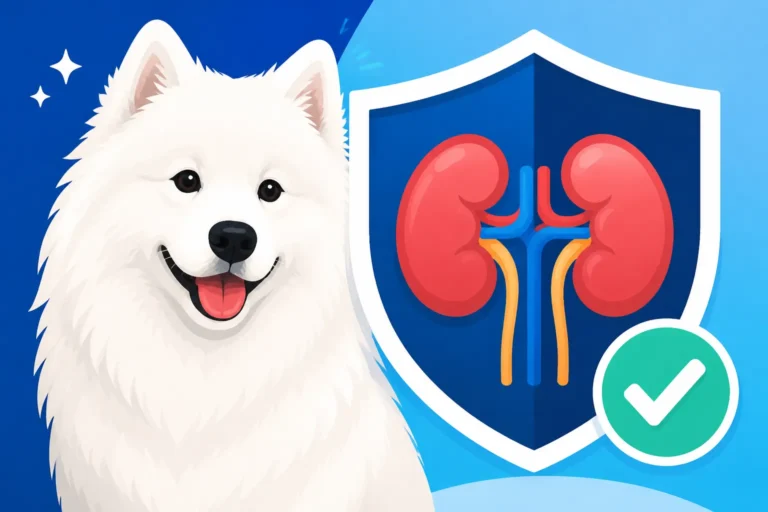
Samoyed Hereditary Glomerulopathy is an X-linked dominant inherited disorder, which means it's linked to the X chromosome. This genetic peculiarity explains why male Samoyeds suffer such a severe, rapid, and often fatal form of the disease, while females, who have two X chromosomes, are typically carriers and experience a much milder, often subclinical, progression if any symptoms at all. The root cause lies in a mutation in the COL4A5 gene, which is responsible for producing a specific type of collagen (Type IV collagen). This particular collagen is a crucial component of the basement membranes in the kidneys' glomeruli – the tiny filtering units that remove waste from the blood. When this collagen is defective, these filters start to break down.
In male Samoyeds, who only have one X chromosome, a single copy of the mutated gene is enough to cause the full-blown, devastating disease. Their kidneys simply cannot form the structural components needed for proper filtration. The glomeruli become leaky, allowing vital proteins to escape into the urine, and eventually, they scar and fail completely. This genetic vulnerability means that if a male inherits the mutated gene from his carrier mother, his fate is tragically sealed. For a deeper dive into the specific mechanism, you can read more about Why Collagen Failure Destroys a Samoyed's Kidney.
The Deceptive Timeline: When Symptoms Emerge
One of the most insidious aspects of SHG is its deceptive timeline. While the genetic defect is present from birth, overt clinical signs typically don't manifest until the dog is several months old. Most affected male Samoyeds begin to show measurable proteinuria – an excessive loss of protein in their urine – by around 3 to 5 months of age. This early stage is often "subclinical," meaning there are no obvious external symptoms that an owner would notice. The puppy might still be playful, energetic, and seemingly healthy, masking the silent damage occurring within his kidneys.
It's usually between 7 and 15 months of age when more noticeable clinical signs start to appear. This is the period when the kidney damage has progressed to a point where the dog can no longer compensate. This timeframe is particularly heartbreaking because it strikes during what should be the prime of their puppyhood and young adulthood. Owners often describe a sudden, bewildering shift in their dog’s health, a rapid deterioration that catches them off guard and leaves them feeling helpless. Many people don't realize that The Kidney Disease That Kills Samoyed Males Before Fifteen Months is a distinct possibility.
Recognizing the Subtle Yet Ominous Early Warning Signs
The early stages of Samoyed Hereditary Glomerulopathy are characterized by symptoms that are often subtle, easily overlooked, or dismissed as normal variations in a young dog's behavior. This makes early detection a significant challenge, especially for owners who aren't specifically looking for signs of kidney disease in a puppy. However, being aware of these indicators can make a critical difference in understanding the progression.
The Silent Loss of Protein in Urine
The earliest and most critical indicator of SHG is proteinuria – the presence of excessive protein in the urine. As the kidney's filtering units, the glomeruli, become damaged due to the defective collagen, they can no longer hold onto larger protein molecules, which then leak into the urine. In the very early stages, this protein loss is not visible to the naked eye, and your Samoyed male may appear perfectly healthy and active. This is why regular, early urine testing is so crucial, especially for male Samoyed puppies. A simple dipstick test at your vet might indicate protein, but a more accurate and quantitative measure is the urine protein-to-creatinine ratio (UPC ratio).
A consistently elevated UPC ratio, particularly in a young male Samoyed, is a strong red flag. This protein loss isn't just a symptom; it actively contributes to the progression of kidney damage. The protein itself can be toxic to the kidney tubules, leading to further inflammation and scarring, creating a vicious cycle of deterioration. Unfortunately, many owners aren't routinely screening their puppies for proteinuria, meaning this vital early warning sign is often missed until the disease has advanced significantly. Knowing Signs a Samoyed Is Losing Protein in Its Urine can empower owners to seek timely veterinary intervention.
Increased Thirst and Subtle Energy Shifts
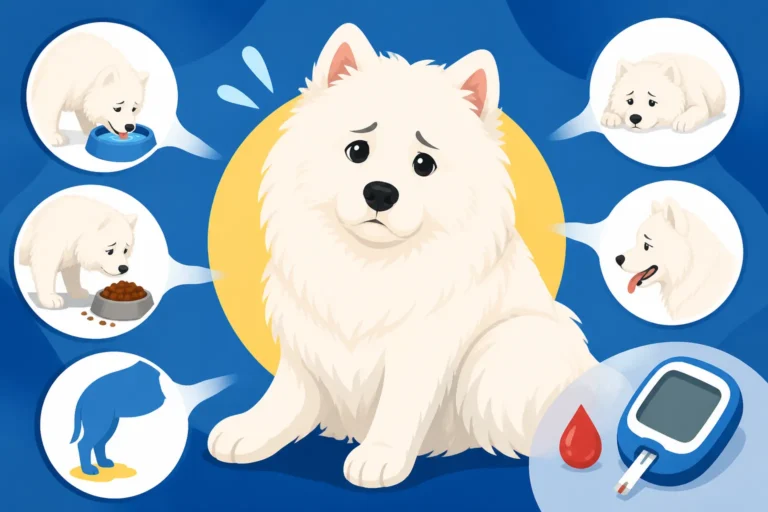
As the kidneys lose their ability to concentrate urine due to the ongoing damage, your Samoyed will start to produce more dilute urine. To counteract the increased fluid loss and prevent dehydration, the dog will naturally drink more water – a condition known as polydipsia. This increased thirst often leads to increased urination (polyuria), which owners might notice as more frequent potty breaks or larger puddles. These signs, however, can be insidious. A slightly increased water intake might be attributed to warmer weather, more exercise, or just a growth spurt.
Alongside changes in thirst and urination, subtle shifts in energy levels can also occur. Your usually boisterous Samoyed might seem a little less enthusiastic about playtime, sleep a bit more, or recover more slowly after exercise. These changes are often so gradual that they can be dismissed as normal adolescent behavior or simply a dog "mellowing out." The characteristic "Samoyed smile" can also mask underlying discomfort or illness, making it even harder to detect that something is truly wrong. How a Samoyed Hides Illness Behind a Smile is a testament to their stoic nature, but it can be a disadvantage when trying to spot early disease. The challenge for owners is to differentiate these subtle changes from normal puppy behavior and recognize them as potential indicators of a serious health issue.
The Swift and Heartbreaking Cascade of Kidney Failure
Once Samoyed Hereditary Glomerulopathy progresses beyond the early, subtle stages, the decline can be startlingly rapid. It's a cruel race against time, where kidney function diminishes at an alarming rate, transforming a vibrant young dog into a frail patient in a matter of weeks or a few months. This period is incredibly challenging for owners, as they witness a dramatic shift in their dog's health and well-being.
From Compensated to Crisis: The Rapid Onset of Azotemia
Initially, the kidneys have a remarkable compensatory capacity. They can lose a significant portion of their function before clinical signs of kidney failure become apparent. However, once approximately two-thirds to three-quarters of the kidney function is lost, the remaining healthy nephrons can no longer keep up. This is when azotemia develops – a buildup of nitrogenous waste products, such as creatinine and blood urea nitrogen (BUN), in the bloodstream. These toxins, which the kidneys should be filtering out, begin to accumulate, leading to a cascade of more severe symptoms.
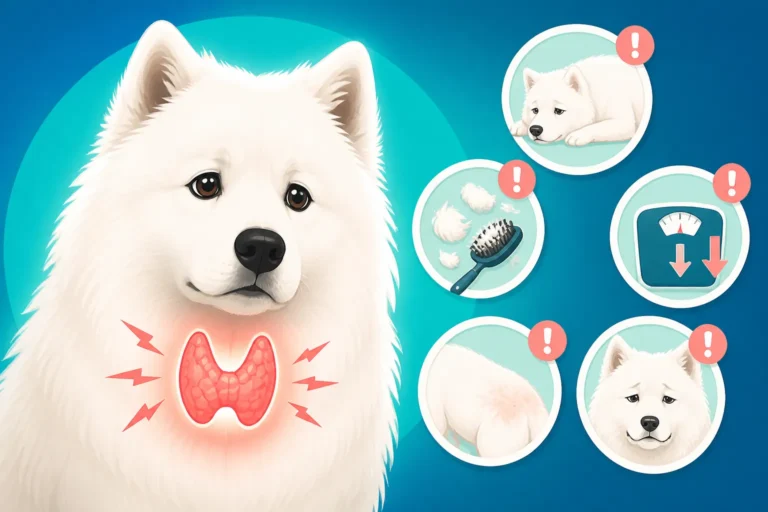
At this stage, you'll likely notice more pronounced signs. The increased thirst and urination will become undeniable. Your Samoyed might start to lose his appetite, leading to weight loss and muscle wasting, especially noticeable over the spine and hips. Vomiting can become frequent as the accumulated toxins irritate the gastrointestinal tract. Lethargy will deepen, and your dog might become withdrawn, losing interest in activities he once loved. This transition from seemingly "normal" to noticeably ill can happen very quickly, often over a period of mere weeks, leaving owners reeling.
The Final Stages: Uremic Toxicity and Systemic Impact
As kidney function continues to plummet, the azotemia worsens, leading to a condition known as uremia or uremic crisis. This means the toxic waste products have reached such high levels that they begin to poison virtually every system in the body. The gastrointestinal symptoms intensify, with severe nausea, vomiting, and diarrhea becoming common. Oral ulcers, a tell-tale sign of uremia, can develop, making eating incredibly painful and leading to a foul, ammoniac breath.
The neurological system can also be affected, leading to weakness, tremors, and in severe cases, seizures or disorientation. The dog may become anemic as the kidneys fail to produce erythropoietin, a hormone vital for red blood cell production, further contributing to weakness and pale gums. At this point, the quality of life deteriorates drastically. The dog is often in a state of constant discomfort and sickness, and despite intensive supportive care, the kidneys simply cannot recover. The timeline from the first noticeable clinical signs to the final stages of uremic crisis and collapse can be incredibly short, sometimes just a few weeks or months, leaving very little time to process the rapid decline and make difficult decisions.
Attempting to Slow the Inevitable: Treatment and Supportive Care
The unfortunate truth about Samoyed Hereditary Glomerulopathy is that there is no cure. The focus of treatment is entirely on supportive care, aiming to slow the progression of the disease, manage symptoms, and maintain the best possible quality of life for as long as possible. This approach requires a dedicated effort from owners and a close partnership with their veterinarian.
Dietary Management and Medications: A Race Against Time
One of the cornerstones of managing SHG is a specialized renal diet. These diets are typically formulated with reduced, but high-quality, protein to minimize the workload on the kidneys and decrease the production of nitrogenous waste products. They also often have controlled phosphorus levels, as phosphorus can accumulate in kidney disease and exacerbate health problems. While commercial renal diets are available, some owners may work with a veterinary nutritionist to create a homemade plan. The goal is to provide adequate nutrition without overburdening the failing kidneys.
In addition to diet, various medications are often prescribed. ACE inhibitors, such as enalapril or benazepril, are frequently used to help reduce proteinuria by decreasing blood pressure within the glomeruli. This can help slow down the protein leakage and, in turn, reduce further kidney damage. Other medications may include phosphorus binders to control elevated blood phosphorus, anti-nausea drugs to combat vomiting, and appetite stimulants to encourage eating. While these treatments can offer some relief and potentially extend life by a few weeks or months, it's crucial to understand that they are palliative, not curative. The cost of these specialized diets and medications can add up quickly, which is where having pet insurance, like a comprehensive plan from Healthy Paws, can really make a difference in allowing owners to pursue every possible avenue for their Samoyed. Whether an Affected Samoyed Can Be Treated and Whether a Renal Diet Extends an Affected Samoyed's Life delve deeper into these options.
Maintaining Hydration and Comfort
Maintaining proper hydration is another critical aspect of supportive care. As the kidneys lose their ability to concentrate urine, dogs with SHG tend to become dehydrated more easily. Ensuring constant access to fresh water is essential, and some veterinarians may recommend adding water to food to increase intake. In more advanced stages, or during periods of crisis like severe vomiting, subcutaneous fluid therapy might be necessary. This involves injecting fluids under the skin, allowing for slow absorption into the bloodstream, which helps to flush toxins, maintain hydration, and make the dog feel better.
Beyond hydration, comfort is paramount. Managing any pain or discomfort associated with the illness is vital for preserving quality of life. This can include medications for gastrointestinal upset, joint pain, or any other secondary issues that arise as the body struggles with uremic toxins. Creating a calm, comfortable environment, offering favorite toys (even if only for brief interest), and providing gentle affection become even more important. The goal is to ensure that, despite the grim prognosis, your Samoyed's remaining time is as free from suffering as possible.
The Emotional Labyrinth: Coping with a Rapid Decline
Watching a young dog decline so quickly from a devastating genetic disease plunges owners into an emotional labyrinth filled with grief, guilt, and difficult decisions. This is not the typical aging process where you have years to prepare; instead, it's a sudden, brutal confrontation with mortality that strikes during what should be the prime of a Samoyed's life.
The Grief and Guilt of a Short Life
The grief associated with losing a Samoyed to SHG is particularly complex and intense. Owners are not just mourning the loss of a pet; they are mourning the loss of a future they envisioned – years of hikes, cuddles, and companionship. The suddenness of the decline, often striking before the dog is even two years old, leaves little time for emotional preparation. This acute, premature loss can feel incredibly unfair and traumatic. There's often a profound sense of helplessness, watching a vibrant, smiling creature fade away despite all efforts.
Beyond grief, guilt often creeps in. Owners might question if they missed early signs, if they could have done more, or if they somehow contributed to the illness, even though SHG is a genetic condition beyond their control. This can be compounded by the financial strain of extensive veterinary care, leading to questions about whether every possible treatment was pursued. The financial burden can be immense, with specialized diets, medications, and frequent vet visits adding up rapidly. Pet insurance providers, like Healthy Paws, can alleviate some of this financial pressure, but the emotional toll remains heavy. It's crucial for owners to remember that this disease is inherited, and their love and care were the best possible responses to an impossible situation.
Making Difficult Decisions and Finding Support
As the disease progresses, owners are inevitably faced with agonizing decisions about their Samoyed's quality of life. Determining when supportive care is no longer enough, and when extending life means extending suffering, is one of the hardest choices any pet owner can make. This decision is often made more difficult by the Samoyed's inherent stoicism and tendency to hide discomfort, making it hard to gauge their true level of suffering. Open and honest communication with a trusted veterinarian is paramount during this time. They can provide objective assessments of your dog's condition and help guide you through these heartbreaking choices.
Finding support is vital for navigating this emotional journey. Connecting with other Samoyed owners who have faced SHG, either through online forums or local breed clubs, can provide a sense of community and understanding. Sharing experiences and feelings with those who truly comprehend the unique pain of this specific disease can be incredibly validating. Remembering that you gave your Samoyed a life full of love, even if it was tragically short, is an important step in processing the grief and moving towards healing.
Preventing Future Heartbreak: Breeder Responsibility and Owner Diligence
While dealing with the immediate tragedy of SHG is overwhelming, understanding its genetic basis empowers us to work towards preventing future occurrences. The responsibility for combating this devastating disease rests firmly on the shoulders of ethical breeders and informed prospective owners.
The Power of Genetic Testing and Ethical Breeding
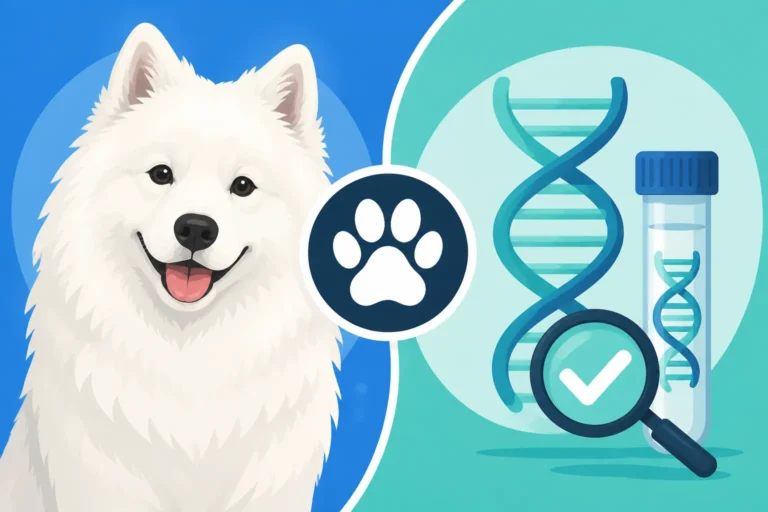
The most powerful tool in the fight against Samoyed Hereditary Glomerulopathy is genetic testing. A specific DNA test, the COL4A5 test, is now available to identify carriers and affected individuals. Since SHG is an X-linked dominant disease, it means:
- Males with one copy of the mutated gene (X*Y) are affected.
- Females with one copy of the mutated gene (X*X) are carriers and typically have a mild or subclinical form of the disease.
- Females with two copies of the normal gene (XX) are clear.
Ethical breeders utilize this test on all their breeding stock, particularly on all female dogs, to ensure they do not produce affected male puppies. A carrier female bred to a clear male will produce 50% clear male puppies, 50% affected male puppies, 50% clear female puppies, and 50% carrier female puppies. By only breeding clear females to clear males, breeders can entirely avoid producing affected males. This is why The DNA Test That Finds the Samoyed Kidney Gene is so critical. Any breeder who is serious about the health of their lines will ensure that their breeding dogs have been tested for the COL4A5 gene mutation. Breeders who ignore this test risk perpetuating immense suffering and heartbreak.
Advocating for Health: What Prospective Owners Must Ask
As a prospective Samoyed owner, you have a crucial role to play in advocating for the health of the breed. It's not enough to simply fall in love with a fluffy puppy; you must thoroughly vet the breeder. Always ask for proof of genetic testing for Samoyed Hereditary Glomerulopathy for both parents of any litter you are considering. Specifically, you want to see that the dam (mother) is clear of the COL4A5 mutation. If the mother is a carrier, then half of her male offspring will be affected. While a carrier female might be bred to a clear male, responsible breeders would ideally remove carrier females from their breeding program to eradicate the disease. This commitment to health testing goes beyond just SHG; it should extend to other known Samoyed health concerns like hip and elbow dysplasia, and eye certifications.
Don't be shy about asking direct questions:
- "Have both parents been tested for Samoyed Hereditary Glomerulopathy (COL4A5 gene)?"
- "Can I see the official test results for both the dam and sire?"
- "Are you breeding any carrier females? If so, what steps are you taking to ensure no affected males are produced?"
A reputable breeder will be transparent, eager to share their health testing protocols, and happy to explain the results. If a breeder is evasive, claims the test isn't necessary, or hasn't tested their dogs, it should be a major red flag. Buying an untested puppy is an unnecessary gamble that could lead to immense heartache and financial burden down the line. Remember, The COL4A5 Test Every Samoyed Buyer Should Ask About is non-negotiable for responsible Samoyed ownership. Supporting breeders who actively work to eliminate genetic diseases is how we ensure a healthier future for this magnificent breed.
Samoyed Hereditary Glomerulopathy: Stages of Decline
| Stage of Disease | Typical Age Range (Male Samoyeds) | Key Clinical Features | Diagnostic Indicators | Prognosis & Urgency |
|---|---|---|---|---|
| Subclinical | 3-6 months | No outward signs; puppy appears healthy and energetic. | Persistent proteinuria (elevated UPC ratio). | Early detection critical for understanding progression. |
| Early Clinical Signs | 7-15 months | Increased thirst (polydipsia), increased urination (polyuria), subtle lethargy, mild weight loss. | Elevated UPC ratio, possible mild azotemia. | Prognosis guarded; interventions aim to slow decline. |
| Advanced Clinical Signs | 10-18 months | Moderate to severe lethargy, anorexia, vomiting, significant weight loss, muscle wasting, poor coat quality. | Moderate to severe azotemia (high BUN/creatinine), anemia, electrolyte imbalances. | Rapid decline; quality of life severely impacted. |
| Uremic Crisis | 12-24 months | Severe vomiting, diarrhea, oral ulcers, neurological signs (tremors, seizures), extreme weakness. | End-stage renal failure, severe azotemia, uremia. | Very poor prognosis; focus on comfort and palliation. |
Disclaimer
The information provided in this article is for educational and informational purposes only and does not constitute veterinary advice. Always consult with a qualified veterinarian for any health concerns or before making any decisions about your Samoyed's medical care.