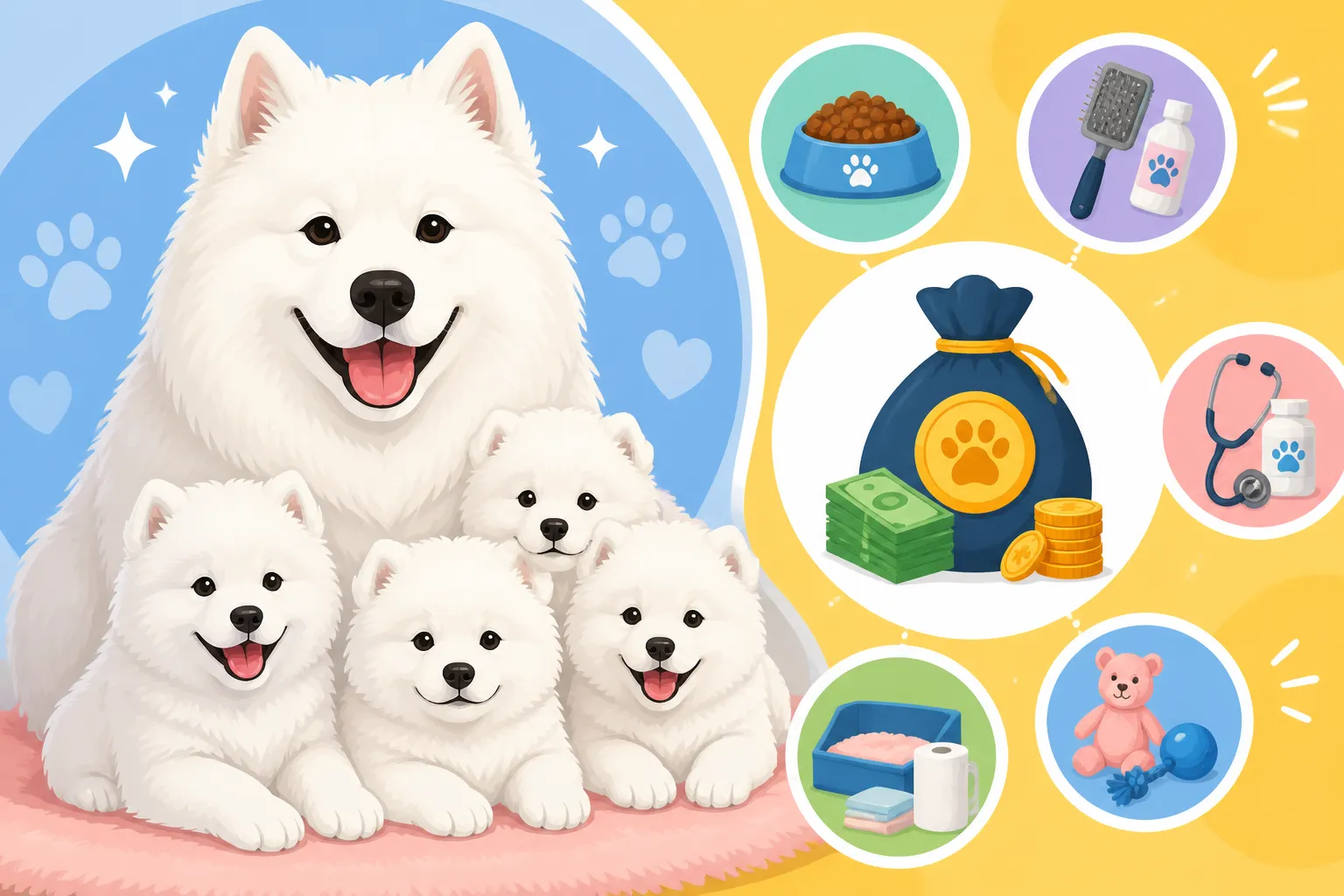
What Raising a Samoyed Litter Costs
If you've ever dreamt of raising a litter of fluffy Samoyed puppies, you're not alone in picturing those adorable, smiling faces. However, the reality of bringing a healthy, well-socialized litter into the world is far from cheap or simple, and it involves a significant financial and time investment that many prospective breeders underestimate. This guide will walk you through the various expenses involved in raising a Samoyed litter, from the initial health screenings of the parents to the daily care of the squirming pups, giving you a realistic picture of what it truly takes.
The Foundation: Pre-Breeding Costs for Healthy Parents
Before a single puppy enters the world, the most crucial and often overlooked costs are tied to ensuring the health and genetic soundness of the parent dogs. Responsible breeding is about so much more than just putting two Samoyeds together; it's about safeguarding the future health of the breed and doing right by every life brought into existence. Skimping here can lead to heartbreak and far greater expenses down the line.
Comprehensive Health Screenings for Prospective Parents
This is where the true commitment to responsible breeding begins. Samoyeds, like many purebred dogs, are prone to certain hereditary conditions. A reputable breeder will invest heavily in screening their breeding stock to minimize the risk of passing these issues on to the puppies. This isn't just a recommendation; it's a moral imperative.
You'll be looking at screenings like hip and elbow evaluations through organizations like the Orthopedic Foundation for Animals (OFA) to check for dysplasia. These often involve sedation and X-rays, and while they aren't cheap, they're essential. Eye exams performed by a board-certified veterinary ophthalmologist are also critical to rule out conditions like progressive retinal atrophy or retinal dysplasia. These exams need to be done regularly, sometimes annually, to ensure ongoing clear vision. Cardiac exams, especially for conditions like subaortic stenosis, often require an ultrasound of the heart (echocardiogram) performed by a veterinary cardiologist. Then there's the critical DNA test for The COL4A5 Test Every Samoyed Buyer Should Ask About, which identifies carriers or affected individuals for Samoyed Hereditary Glomerulopathy. This one test can literally determine the lifespan of male puppies. All of these health clearances come with their own distinct costs, often running into the hundreds or even thousands of dollars per dog, depending on how many tests are performed and where you live. The Health Tests Both Samoyed Parents Should Have go far beyond just a general vet check-up, requiring specialist appointments and specific laboratory analyses.
Stud Fees and Breeding Logistics
If you're not breeding two of your own dogs, you'll incur a stud fee. This is the payment made to the owner of the male dog (the stud) for his services. Reputable stud owners also perform extensive health testing on their males, and their fees reflect that investment in health and quality. Stud fees can vary widely, but for a well-bred Samoyed male with all clearances, championship titles, and a proven pedigree, you can expect a substantial fee. Sometimes, this is a flat fee, other times it's the price of one or two puppies, or a combination.
Beyond the stud fee, there are logistical costs. If the stud dog isn't local, you might need to arrange for shipping cooled semen or even travel with your female. This involves collection fees at the stud's vet, shipping costs (which can be overnight and temperature-controlled), and artificial insemination fees at your own vet. Sometimes, multiple inseminations are needed. To time the breeding correctly, your female will need progesterone testing, which involves serial blood tests to pinpoint the exact ovulation window. Each of these tests adds up, and getting the timing right is crucial to a successful pregnancy. This often means multiple vet visits over several days, each with its own cost for blood draws and lab analysis.
Pregnancy and Whelping: Preparing for the Big Arrival
Once your female is confirmed pregnant, the costs don't slow down. Now, your focus shifts to supporting the health of the expectant mother and preparing for the safe arrival of her precious cargo. This period requires careful monitoring, nutritional adjustments, and a significant investment in supplies and emergency planning.
Nutrition and Veterinary Care for the Expectant Mother
A pregnant Samoyed needs more than just her regular kibble. Her nutritional needs increase significantly, especially in the latter half of gestation. You'll likely need to transition her to a high-quality puppy food or a specialized diet formulated for pregnant and lactating dogs. This food is denser in calories and nutrients, and it comes at a higher price point than adult maintenance food. Supplements might also be recommended by your vet, such as folic acid or additional calcium, which are extra expenses.
Regular veterinary check-ups throughout her pregnancy are essential. This could include palpation to feel the developing puppies, ultrasounds to confirm pregnancy and check fetal viability, and X-rays later in pregnancy to get an accurate How Many Puppies a Samoyed Litter Holds count. Knowing the number of puppies helps you prepare for whelping and alerts your vet if not all puppies are delivered. Each vet visit, ultrasound, and X-ray contributes to the overall cost, ensuring that both mother and puppies are thriving. Even simple things like ensuring she's up-to-date on deworming before breeding and during pregnancy, using products safe for pregnant dogs, add to the bill.
Whelping Supplies and Emergency Preparedness
The actual birth, or whelping, requires a dedicated space and an array of supplies. You'll need a sturdy whelping box, which can be a DIY project or a commercially purchased one designed for easy cleaning. This box should be set up well in advance to allow the mother to get comfortable. Heating lamps or pads are vital to keep newborn Samoyed puppies warm, as they cannot regulate their own body temperature for the first few weeks.
Beyond the major items, think about the smaller but equally necessary supplies: clean towels, disposable pads, a bulb syringe for clearing airways, dental floss for tying umbilical cords (though your vet might provide clamps), a scale for weighing puppies daily, and appropriate cleaning supplies for inevitable messes. You'll also want an emergency kit stocked with things like puppy formula, feeding tubes or bottles, and any medications your vet might recommend. Critically, you need to have an emergency fund set aside. Whelping can be unpredictable, and complications like a retained placenta, uterine inertia, or a puppy stuck in the birth canal can necessitate an emergency veterinary visit or even an urgent C-section. These surgical interventions can be very costly, especially if they occur after hours, but are sometimes life-saving for both mother and pups.
Nurturing the Newborns: From Fluffball to Future Family Member
The first eight weeks of a Samoyed puppy's life are a whirlwind of growth, development, and constant care. This period demands intensive hands-on involvement and a steady stream of resources to ensure each puppy grows into a healthy, well-adjusted individual ready for its forever home.
Puppy Health and Immunizations
Newborn puppies are incredibly vulnerable, and their health is paramount. Their first vet check, usually within the first few days of life, is essential. The vet will assess their overall health, check for any congenital defects, and perhaps clip their tiny nails. This initial visit sets the stage for their health journey.
Deworming protocols typically start at two weeks of age and continue every two weeks until they leave for their new homes. There are various dewormers available, and your vet will advise on the best schedule and product. Then come the vaccinations, which usually begin around 6-8 weeks, protecting them from common and dangerous diseases. Each vaccine appointment adds to the vet bill. Many responsible breeders also choose to microchip their puppies before they leave, providing permanent identification that can help reunite a lost puppy with its owner. This is another small but important cost. Don't forget their eyes and ears; Why a Samoyed Puppy's Eyes Are Checked at Eight Weeks is part of ensuring they are developing normally.
Feeding, Socialization, and Supplies
Once puppies start weaning from their mother's milk, typically around 3-4 weeks, they transition to a high-quality puppy kibble. Samoyed puppies eat a surprising amount as they grow, and providing nutritious food in large quantities can be a significant expense. Finding a good, reputable brand that supports healthy growth is important. Many breeders turn to online retailers like Chewy for bulk discounts on puppy food, as well as for supplies like toys and bedding.
Socialization is perhaps the most critical, yet "free" aspect of puppy development, though it requires immense time. Exposure to various sights, sounds, people, and gentle handling is crucial for creating well-adjusted adults. However, providing a stimulating environment still incurs costs: a variety of safe toys, different textures for them to explore, and plenty of clean bedding. There will be constant laundry, requiring detergent and water, and endless cleaning, necessitating cleaning supplies. Potty training starts early, and while it mostly involves taking them outside often, puppy pads can be an additional expense for containing indoor accidents. Investing in high-quality, durable toys and chews, perhaps from brands available on Ollie (even if for later stages, the concept of quality chewables starts early), helps ensure their safety and proper development of bite inhibition.
Marketing and Placement
Finding the right homes for your Samoyed puppies is an art and a science. It involves more than just putting up a "puppies for sale" sign. You'll spend time and resources advertising your litter, whether through breed clubs, reputable online platforms, or your own website and social media. This might include photography, website hosting fees, or advertising costs.
More importantly, it involves meticulously screening potential buyers. This means phone calls, interviews, reference checks, and answering countless questions. Crafting a comprehensive puppy contract, sometimes with the help of legal advice, is essential to protect both you, the puppy, and the new owner. These contracts often include health guarantees and spay/neuter clauses. What a Samoyed Health Guarantee Covers is something every reputable breeder understands and provides. The time spent ensuring a good match for each puppy is invaluable, and while it's not a direct monetary cost, it's a huge commitment of your personal resources.
The Unseen Expenses: Unexpected Challenges and Time Commitment
Beyond the visible costs of vet bills, food, and supplies, there are often unseen expenses and challenges that can significantly impact the overall cost of raising a Samoyed litter. These are the "what-ifs" that every responsible breeder must be prepared for, both financially and emotionally.
Complications and Vet Emergencies
Even with the best planning and health clearances, complications can arise during pregnancy, whelping, or in the first few weeks of the puppies' lives. A puppy might fail to thrive, develop an infection, or require intensive veterinary care. This could mean emergency vet visits, specialized medications, overnight stays at the clinic, or even costly procedures. Imagine a scenario where a puppy develops a severe gastrointestinal issue, requiring IV fluids and diagnostic tests. These situations can quickly rack up thousands of dollars, far exceeding initial estimates.
Similarly, the mother dog could experience postpartum complications like mastitis (an infection of the mammary glands) or eclampsia (a life-threatening calcium deficiency). Treating these conditions requires immediate veterinary attention, medication, and sometimes hospitalization. While pet insurance companies like Healthy Paws offer plans for individual pets, a breeder must essentially self-insure for these unexpected litter-wide or dam-related emergencies. It’s a constant reminder of why having a substantial emergency fund earmarked for the litter is non-negotiable.
Extended Care or Returns
Ideally, all your Samoyed puppies will find wonderful homes by eight to ten weeks of age. However, sometimes a puppy might not sell as quickly, requiring you to continue feeding, housing, and providing veterinary care for an extended period. This means more food, more deworming, additional vaccinations, and continued socialization efforts. This extended care adds to your ongoing expenses.
Even after puppies leave, a responsible breeder offers a lifetime commitment. There's always the possibility that a puppy might need to be returned to you due to unforeseen circumstances in its new home. This means taking back an older puppy or even an adult dog, and being prepared to rehome it responsibly, which involves further costs for food, vet care, and finding a suitable new family. This commitment to taking back dogs you've bred is a hallmark of ethical breeding and part of Why Samoyeds Reach Rescue at Eighteen Months if breeders aren't responsible.
The Value of Time
Perhaps the biggest, yet unquantifiable, cost of raising a Samoyed litter is the time commitment. From the moment you decide to breed, your life will revolve around your dogs. This includes countless hours researching pedigrees, contacting stud owners, attending vet appointments, cleaning the whelping box multiple times a day, feeding and socializing puppies, doing mountains of laundry, and screening prospective buyers. Newborn puppies require round-the-clock care, waking every few hours for feedings and checks, which means a significant sacrifice of your own sleep and personal life for weeks on end.
This isn't a hobby that you can dip in and out of; it's an all-consuming responsibility. If you were to put an hourly wage on the time invested, the "profit" from selling puppies would quickly vanish, revealing the true dedication required. For many, the reward is not financial, but the joy of seeing healthy, happy puppies thrive in loving homes, knowing you've contributed positively to the breed.
Here's a simplified breakdown of the types of costs involved:
| Cost Category | Example Expenses | Frequency |
|---|---|---|
| Pre-Breeding | Health tests (OFA hips/elbows, eye exams, cardiac, DNA tests like COL4A5), stud fees, progesterone testing, artificial insemination, travel for breeding | Per breeding |
| Pregnancy | High-quality puppy/lactation food, supplements, prenatal vet check-ups, ultrasounds, X-rays to count puppies, deworming | Monthly/Weekly |
| Whelping | Whelping box, heating lamp/pad, towels, cleaning supplies, emergency veterinary care fund, C-section contingency, puppy scale, bulb syringe, umbilical clamps | One-time/As needed |
| Puppy Care | Puppy food, initial vet exams, deworming schedule, vaccinations, microchipping, toys, bedding, cleaning supplies, advertising, puppy pads, socialization props | Weekly/Bi-weekly |
| Unforeseen | Emergency vet bills for sick puppies or dam complications, extended care for unsold puppies, costs associated with returns | As needed |
Disclaimer
This article is for general informational purposes only and does not constitute professional advice. Laws, prices and regulations vary by location and change over time. Consult a qualified professional for guidance on your specific situation.