The Health Tests Both Samoyed Parents Should Have
Bringing a Samoyed puppy into your life is an incredibly exciting prospect, full of visions of fluffy cuddles and joyous snow romps. But, beneath all that glorious white fur and those famous smiles, lurks a critical question that many new owners overlook or simply don't know how to ask: what health tests have the parents had? This guide is here to demystify the essential health screenings that every Samoyed parent should undergo, ensuring you can make the most informed decision when choosing your future family member and potentially sparing you heartache and expensive veterinary bills down the line.
Why Parental Health Testing Is Crucial for Samoyeds
When you're looking for a Samoyed puppy, it's easy to get swept up in the adorable pictures and the excitement of finding your perfect furry companion. However, responsible breeding goes far beyond pairing two attractive dogs. It's about preserving the health and longevity of the breed, and a huge part of that responsibility lies in understanding the genetic predispositions of Samoyeds and actively working to mitigate them through rigorous health testing. Ignoring these tests is like building a house without checking the foundation – you might not see the cracks immediately, but they're almost certainly going to appear, and often at the worst possible time.
The Legacy of Genes: Why It Matters
Every puppy inherits half its genes from its mother and half from its father. This inheritance includes not just physical traits like coat color and size, but also predispositions to certain health conditions. For Samoyeds, like many purebred dogs, there are specific hereditary diseases that have been identified within the breed. A responsible breeder understands this genetic legacy and uses health testing as a tool to select breeding stock that is less likely to pass on these undesirable traits. It's an investment in the future health of their puppies and, by extension, in your future companion. When a breeder cuts corners on testing, they're not just saving themselves money; they're potentially passing on health problems that will cost you dearly, both emotionally and financially.
The Difference Between "Vet Checked" and "Health Tested"
This is a really important distinction that often confuses prospective puppy buyers. A "vet check" typically means a veterinarian has given the puppy a general examination, listened to its heart, palpated its abdomen, and perhaps checked its eyes and ears. This is standard procedure for any puppy sale and is absolutely necessary for the immediate health assessment of the individual puppy. However, a vet check does not replace comprehensive health testing of the parents. Health testing involves specific, often breed-specific, screenings for genetic or inherited conditions that may not manifest in a puppy for months or even years. For example, a puppy might appear perfectly healthy at eight weeks, but its parents could carry genes for conditions that will only show up as the dog matures. Always ask for proof of parental health clearances, not just a puppy vet check.
Genetic Screening: Protecting Against Hereditary Kidney Disease
One of the most devastating health conditions in Samoyeds is Samoyed Hereditary Glomerulopathy (SHG), often simply referred to as Samoyed kidney disease. This X-linked genetic disorder primarily affects male Samoyeds, leading to progressive kidney failure at a tragically young age. For anyone considering a male Samoyed, understanding this condition and the tests associated with it is paramount.
The COL4A5 Gene Test
The cornerstone of preventing SHG is the DNA test for the COL4A5 gene. This is a critical screening tool that every Samoyed parent should have. The test identifies whether a dog is "clear" (meaning they don't carry the gene), a "carrier" (typically females, who carry one copy of the affected gene but are usually only mildly affected themselves), or "affected" (males with the gene, or extremely rarely, females with two copies, though the latter is very rare as males typically don't live to breed).
If you’re looking at a puppy, you absolutely need to ask about The COL4A5 Test Every Samoyed Buyer Should Ask About. A responsible breeder will readily provide documentation of their breeding dogs' COL4A5 test results. They will use these results to ensure that no affected males are produced in their litters. For instance, a carrier female can be bred to a clear male, and while some female offspring might be carriers, no male puppies will be affected. This thoughtful approach is How a Samoyed Breeder Avoids Producing Affected Males. Without this specific test, breeding is a genetic gamble, and the stakes are literally life or death for male puppies.
Understanding Samoyed Hereditary Glomerulopathy
For those unfamiliar, The Kidney Disease That Kills Samoyed Males Before Fifteen Months is a truly heartbreaking condition. Male Samoyeds who inherit the affected COL4A5 gene begin to show signs of kidney failure around three to nine months of age, with severe symptoms and typically death occurring before 15 months. Carrier females, while generally living a normal lifespan and often showing only mild, subclinical kidney changes, can pass the gene to their offspring. This makes testing both parents essential, especially the female, as she is the one who can pass the gene to her sons. If a breeder isn't testing for this, it's a huge red flag, and you might want to consider Whether an Untested Samoyed Litter Is Worth Buying. Being transparent about these results is also key; Whether a Breeder Should Show the Samoyed Kidney Results is a question that responsible breeders will answer with a confident "yes."
Orthopedic and Eye Clearances for Samoyed Parents
Beyond genetic diseases, Samoyeds are also prone to certain structural issues, particularly in their joints and eyes. These conditions can significantly impact a dog's quality of life and lead to chronic pain and expensive treatments. Official clearances from veterinary specialists are the only way to confirm a breeding dog's orthopedic and ocular health.
Hip and Elbow Dysplasia Screenings
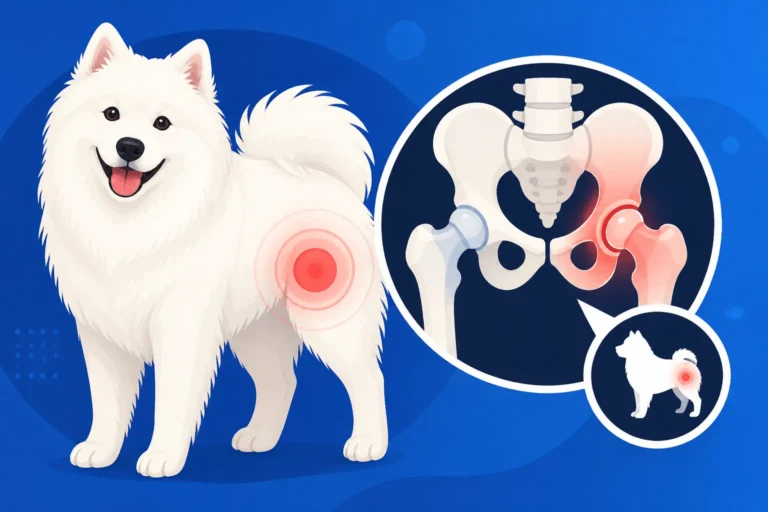
Hip and elbow dysplasia are common orthopedic conditions in many large breeds, including Samoyeds. Hip dysplasia occurs when the hip joint doesn't form properly, leading to looseness, pain, and eventually arthritis. Elbow dysplasia is a similar condition affecting the elbow joint. Both are often hereditary, though environmental factors like rapid growth and excessive exercise in puppyhood can exacerbate them.
For these conditions, breeders typically obtain certifications from organizations like the Orthopedic Foundation for Animals (OFA) or PennHIP. These certifications involve radiographs (X-rays) of the hips and/or elbows, which are then evaluated by a panel of veterinary radiologists. Dogs are given a rating (e.g., Excellent, Good, Fair for hips; Normal for elbows) or diagnosed as dysplastic. Breeding dogs should only have passing scores. If you're encountering a breeder who dismisses these tests, or doesn't have current certifications, it's a serious concern, as issues like Hip Dysplasia in a Samoyed can severely impact a dog's activity level and comfort. You might wonder What an OFA Hip Certification Costs a Samoyed Breeder, but for a responsible breeder, it's a necessary investment in the health of their lines.
Annual Eye Examinations
Eye health is another critical area for Samoyeds. They can be susceptible to several hereditary eye conditions, including Progressive Retinal Atrophy (PRA) and Retinal Dysplasia. These conditions can lead to impaired vision or even blindness. Because some eye conditions can develop later in life, or progress over time, breeding Samoyeds should undergo annual eye examinations by a board-certified veterinary ophthalmologist.
The ophthalmologist performs a thorough examination, often looking for signs of disease that are not visible to the untrained eye. These examinations are then registered with organizations like the OFA's Eye Certification Registry (CAER). A breeder should be able to provide documentation of current, clear eye exams for both parents. This helps to prevent puppies from inheriting conditions that could ultimately lead to Eye Disease and the Samoyed's Retina. While it might seem like just another expense, What a Samoyed Eye Exam Costs is a small price to pay for ensuring the health and clear vision of future generations.
Cardiac and Thyroid Health: Beyond the Obvious
Sometimes, people focus so heavily on the more commonly known issues like hips and kidneys that they forget about other vital organs. The heart and thyroid are two such areas where hereditary conditions can cause significant problems for Samoyeds.
Cardiac Screening for Aortic Stenosis
Heart conditions, though perhaps less talked about than kidney disease in Samoyeds, are still a concern. Subaortic Stenosis (SAS), for instance, is a congenital heart defect where a narrowing occurs just below the aortic valve, making the heart work harder. This can lead to murmurs, heart failure, and even sudden death. Breeding dogs should be screened for cardiac health by a board-certified veterinary cardiologist.
This screening typically involves a physical examination, listening for murmurs, and often an echocardiogram (an ultrasound of the heart) to confirm the health and structure of the heart. The results are usually registered with the OFA. Ensuring parents are clear of such defects helps to minimize the risk of their offspring developing Aortic Stenosis in a Samoyed. It's another layer of protection that a dedicated breeder will undertake to ensure they are producing the healthiest puppies possible.
Thyroid Function Tests
Hypothyroidism, an underactive thyroid gland, is another condition that can affect Samoyeds and is sometimes hereditary. While it often develops later in life, breeding dogs should have their thyroid function tested regularly. An underactive thyroid can lead to a range of symptoms, including weight gain, lethargy, poor coat quality, and even behavioral changes.
Testing for hypothyroidism involves blood tests to measure thyroid hormone levels. Results are often submitted to the OFA, which tracks thyroid health in many breeds. Identifying breeding dogs with healthy thyroid function helps to reduce the incidence of this condition in future generations. It's a key part of ensuring the overall well-being of the breed, as issues like Whether a Samoyed Gets Hypothyroidism can significantly impact a dog's daily life, often requiring lifelong medication.
Understanding the Results and What They Mean for Your Puppy
Navigating health testing results can feel like learning a new language. You'll hear terms like "OFA certified," "clear by parentage," and specific genetic test names. Knowing what to look for and how to interpret these results is crucial for peace of mind.
Verifying Clearances: Public Databases and Breeder Transparency
Reputable breeders are typically transparent about their health testing and will provide you with copies of official certificates. Don't be afraid to ask for these documents! Even better, many certifications, particularly those from the OFA, are publicly verifiable online. You can often search for a dog by its registered name or registration number on the OFA website to see its complete health testing history, including hip, elbow, eye, cardiac, and thyroid clearances.
This verification step is important because it confirms the tests were indeed performed and the results are legitimate. A breeder who hesitates or refuses to show you documentation, or claims tests were done without proof, should raise a red flag. This commitment to transparency is a hallmark of someone dedicated to breed health.
Here’s a simplified table summarizing the key health tests for Samoyed parents:
| Health Test Category | Specific Test/Certification | What It Screens For | Typical Reporting Body | Importance for Samoyeds |
|---|---|---|---|---|
| Genetic | COL4A5 DNA Test | Samoyed Hereditary Glomerulopathy (Kidney Disease) | Reputable Genetic Labs | CRITICAL: Prevents affected males with fatal kidney disease. |
| Orthopedic | OFA Hip Evaluation | Hip Dysplasia | Orthopedic Foundation for Animals (OFA) | Reduces risk of painful, debilitating arthritis. |
| OFA Elbow Evaluation | Elbow Dysplasia | Orthopedic Foundation for Animals (OFA) | Reduces risk of painful, debilitating arthritis. | |
| Ocular | OFA Eye Certification Registry (CAER) | Progressive Retinal Atrophy, Retinal Dysplasia, etc. | OFA (via Veterinary Ophthalmologist) | Preserves vision and prevents hereditary blindness. |
| Cardiac | OFA Cardiac (Auscultation/Echo) | Subaortic Stenosis, other heart defects | OFA (via Veterinary Cardiologist) | Reduces risk of congenital heart disease and sudden death. |
| Thyroid | OFA Thyroid Evaluation | Hypothyroidism | Orthopedic Foundation for Animals (OFA) | Mitigates risk of hormonal imbalances affecting health and coat. |
The Long-Term Benefits for You and Your Samoyed
Choosing a puppy from health-tested parents doesn't just give you peace of mind; it genuinely increases the likelihood of your Samoyed living a long, healthy, and happy life. While no guarantee against all ailments can ever be made, you've significantly reduced the risk of devastating hereditary conditions. This proactive approach saves you from potentially heartbreaking decisions and the immense financial strain that comes with managing chronic or fatal genetic diseases.
Even with the most rigorous health testing, unforeseen accidents or illnesses can still occur, which is why many Samoyed owners consider pet insurance. A reputable plan, such as those offered by Healthy Paws, can help cushion the financial impact if your beloved Samoyed needs unexpected medical care. However, starting with a puppy from health-tested parents means you're already giving them the best possible start, and hopefully, keeping those insurance claims primarily for life's little mishaps rather than inherited genetic defects. It's truly a win-win situation for the puppy, the breed, and for your family. Ultimately, a Samoyed's health is a partnership between dedicated breeders and informed owners, working together to give these beautiful dogs the best possible future.
Disclaimer
This article is for general informational purposes only and does not constitute professional advice. Laws, prices and regulations vary by location and change over time. Consult a qualified professional for guidance on your specific situation.