The COL4A5 Test Every Samoyed Buyer Should Ask About
The joy and anticipation of bringing a fluffy Samoyed puppy into your home can sometimes be shadowed by anxieties about their health. It's an unspoken fear for many prospective owners: what if my beloved Samoyed inherits a hidden illness? This guide will shine a light on one such critical concern, Samoyed Hereditary Glomerulopathy, and explain why the COL4A5 genetic test is an absolute non-negotiable for anyone looking to welcome one of these magnificent dogs into their family.
Understanding Samoyed Hereditary Glomerulopathy SHG
When you picture a Samoyed, you probably think of their smiling face, their luxurious white coat, and their boundless energy. What most people don't realize is that beneath that beautiful exterior, a serious genetic condition, Samoyed Hereditary Glomerulopathy (SHG), can lurk, particularly devastating to male puppies. This isn't just an "old dog disease" or a random occurrence; it's a condition that targets the kidneys with a cruel precision, primarily in young males.
What SHG Is and How It Progresses
Samoyed Hereditary Glomerulopathy is a severe, progressive kidney disease caused by a defect in collagen, specifically Type IV collagen, which is a vital structural component of the glomerular basement membrane in the kidneys. Think of the glomeruli in the kidneys as tiny, intricate sieves that filter waste products from the blood while keeping essential proteins in. In a Samoyed with SHG, this delicate sieve structure is flawed from birth due to the abnormal collagen.
Initially, a puppy with SHG might seem perfectly normal, full of life and mischief. But as they grow, typically starting around three to four months of age, these faulty filters begin to fail. They start to leak protein from the bloodstream into the urine, a process called proteinuria. Over time, this leakage worsens, leading to chronic inflammation and scarring in the kidneys. The kidneys, struggling to perform their essential filtering function, slowly but surely begin to shut down. The progression is relentless, often culminating in total kidney failure and death before a male Samoyed even reaches 15 months of age. It's a truly heartbreaking trajectory, watching a vibrant puppy succumb to such an aggressive, early-onset disease. For a deeper dive into the specific timeline, you might want to read about The Kidney Disease That Kills Samoyed Males Before Fifteen Months.
Why Males Are Affected More Severely
One of the most perplexing and devastating aspects of SHG is its sex-linked inheritance pattern, specifically X-linked. This means the gene responsible for the faulty collagen is located on the X chromosome. To understand why this is so critical, let's refresh our memory of basic genetics: females have two X chromosomes (XX), while males have one X and one Y chromosome (XY).
If a female Samoyed inherits one copy of the defective COL4A5 gene on one of her X chromosomes, she becomes a "carrier." Because she has a second, healthy X chromosome, it often compensates for the faulty one. While carrier females can show some mild signs of kidney damage, such as protein in their urine, they generally don't develop the severe, rapidly progressive kidney failure seen in males. They might live a long, full life, perhaps needing some management for mild kidney issues in their senior years, but they are unlikely to die from SHG in their youth. However, they can pass the defective gene on to their offspring.
A male Samoyed, on the other hand, only has one X chromosome. If he inherits the defective COL4A5 gene on that single X chromosome from his mother, there's no "backup" X chromosome to compensate. This means he will be "affected" by the disease, and the severe symptoms and rapid progression are inevitable. This is why SHG is often described as "only devastating the boys," because they lack the genetic redundancy that protects females. This specific genetic vulnerability explains Why Samoyed Hereditary Glomerulopathy Only Devastates the Boys. It underscores why knowing the genetic status of both parents, especially the mother, is paramount when considering a Samoyed puppy.
The Science Behind the COL4A5 Test
The discovery of the specific gene responsible for Samoyed Hereditary Glomerulopathy was a monumental step forward for the breed. For years, breeders and owners grappled with a devastating disease that seemed to strike without warning, leaving a trail of heartbreak. Now, thanks to dedicated genetic research, we have a tool that can identify the root cause, allowing for informed decisions and, eventually, the potential eradication of SHG from Samoyed lines.
Pinpointing the COL4A5 Gene
The breakthrough came with the identification of the COL4A5 gene as the culprit. This gene carries the instructions for making a specific type of collagen, known as alpha-5 (IV) collagen. As we discussed, Type IV collagen is absolutely crucial for the proper structure and function of the glomerular basement membrane in the kidneys. This membrane acts as the primary filter within the kidney's nephrons, allowing waste products to pass through while retaining vital proteins and cells within the bloodstream.
When there's a mutation in the COL4A5 gene, the body can't produce normal alpha-5 (IV) collagen. Instead, it creates a faulty, unstable version. Imagine trying to build a strong, sturdy fence with rotten wood; eventually, it's going to collapse. Similarly, the glomerular basement membranes, built with this defective collagen, become weak, leaky, and eventually dysfunctional. This leads to the characteristic proteinuria (protein leakage in urine) and progressive kidney damage that defines SHG. The genetic test for COL4A5 directly looks for this specific mutation, offering a definitive answer about a Samoyed's genetic status regarding the disease.
How the Test Identifies Carriers and Affected Dogs
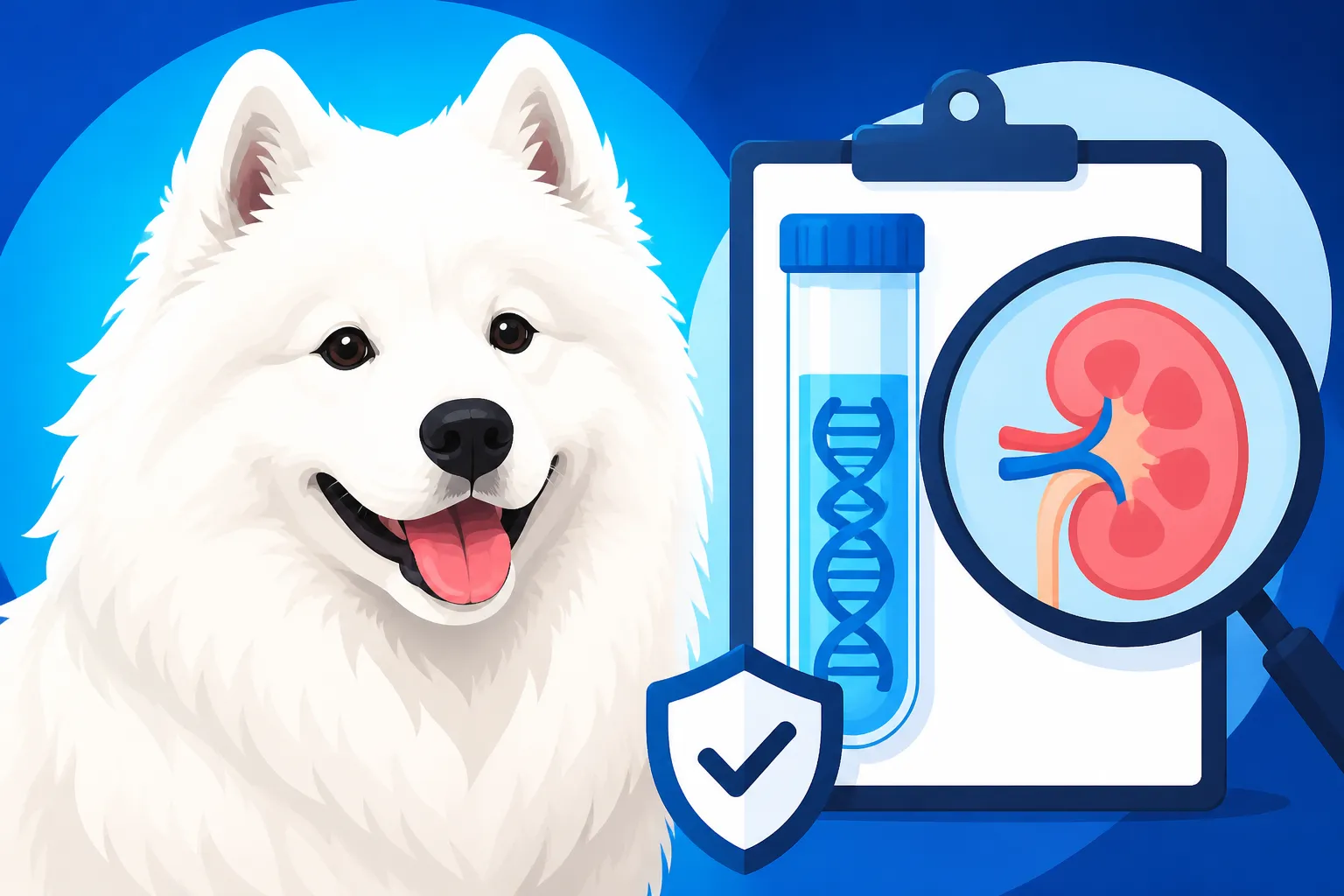
The COL4A5 test is a DNA test, typically performed using a simple cheek swab or a blood sample. The lab then analyzes the genetic material to identify the presence or absence of the specific mutation on the X chromosome. The results will typically fall into one of three categories:
- Clear (X/X for females, X/Y for males with no mutation): This means the dog does not carry the COL4A5 mutation and is not at risk for developing SHG due to this specific genetic defect. They cannot pass the mutation on to their offspring.
- Carrier (X*/X for females): This result applies only to females. It means the female carries one copy of the COL4A5 mutation (indicated by X*) on one X chromosome and one normal X chromosome. As discussed, carrier females usually have a mild form of the disease or remain clinically healthy, thanks to the compensating normal X chromosome. However, they can pass the mutated X* chromosome to 50% of their offspring, making them a crucial factor in breeding decisions.
- Affected (X/Y for males):* This result applies only to males. It means the male carries the COL4A5 mutation on his single X chromosome. As there is no normal X chromosome to compensate, these males will develop SHG and suffer its severe, progressive effects, usually leading to early death.
This genetic clarity is invaluable. It takes the guesswork out of an otherwise devastating disease, empowering breeders to make responsible choices and allowing prospective owners to enter into Samoyed ownership with peace of mind. For those interested in the scientific specifics of the test itself, you can find more information in our guide on The DNA Test That Finds the Samoyed Kidney Gene.
Why Every Prospective Samoyed Owner Needs to Ask for This Test
The decision to bring a Samoyed into your life is a significant one, full of dreams of snowy walks and joyful companionship. But without proper diligence, those dreams can quickly turn into a nightmare of heartache and financial strain. The COL4A5 test isn't just a fancy extra; it's a fundamental requirement for anyone committed to responsible pet ownership and protecting the future of this magnificent breed.
Avoiding Heartbreak and High Vet Bills
Imagine falling head over heels for an adorable, fluffy Samoyed puppy. You bring him home, he fills your life with joy, and then, around six months old, you notice he's a bit lethargic, drinking more water, or having accidents in the house. A trip to the vet reveals devastating news: kidney disease, rapidly progressing, with a grim prognosis. This isn't a hypothetical scenario; it's the painful reality for families who unknowingly purchase an SHG-affected male Samoyed.
The emotional toll is immense. Watching a young dog, barely out of puppyhood, fade away from kidney failure is an experience no one should have to endure. There's no cure for SHG, only supportive care that can, at best, delay the inevitable for a short time. This care involves special diets, medications to manage symptoms like nausea and blood pressure, and frequent veterinary visits, including blood tests and urine analyses. These treatments can quickly accumulate into staggering veterinary bills, adding financial stress to an already emotionally draining situation. Even with excellent pet insurance, like a comprehensive plan from Healthy Paws, these costs can be substantial, and the emotional pain of a dying puppy remains. While insurance can help mitigate the financial hit of unexpected illnesses, preventing a known, preventable genetic disease is always the better path. Understanding What Treating an Affected Samoyed Male Costs Before He Dies can give you a clear picture of the financial burden involved.
By asking for and verifying the COL4A5 test results for both parents of your potential puppy, you are actively choosing to avoid this heartbreaking scenario. You are ensuring that your future companion has the best possible start in life, free from the shadow of this cruel genetic illness.
Supporting Responsible Breeding Practices
The availability of the COL4A5 test has given ethical Samoyed breeders an invaluable tool to make informed breeding decisions. When you, as a prospective buyer, insist on seeing these test results, you are doing more than just protecting yourself; you are sending a powerful message to the breeding community. You are signaling that health testing is not optional, but a foundational pillar of responsible breeding.
Responsible breeders utilize the COL4A5 test to strategically plan matings. Ideally, they aim to breed "clear" dogs to "clear" dogs, ensuring 100% clear offspring. However, if a desirable female carries the SHG gene, a responsible breeder can still use her in a breeding program, but only if she is bred to a clear male. In such a pairing, all male puppies will be clear (as they inherit the non-mutated X from the clear father), and 50% of the female puppies will be clear, while the other 50% will be carriers. These carrier females can then be placed into pet homes with full disclosure, or potentially used in future breeding programs only if carefully paired with a clear male to continue reducing the carrier population.
Unscrupulous breeders, or those simply uninformed, might skip this test. They might argue it's too expensive, or that "their lines have never had it." This is a dangerous gamble that perpetuates the disease within the breed. Your demand for documented COL4A5 results helps to distinguish the truly dedicated breeders from those who are cutting corners. It pushes the entire breed towards a healthier future by making SHG-affected puppies a rarity, rather than a devastating possibility. This collective effort is what drives progress in eliminating genetic diseases and highlights How a Samoyed Breeder Avoids Producing Affected Males.
Interpreting COL4A5 Test Results from a Breeder
Once you've committed to finding a Samoyed from a responsible breeder, the conversation about health testing will naturally turn to the COL4A5 test. This isn't the time to be shy or assume; it's your right, and indeed your responsibility, to understand exactly what the test results mean and to verify their authenticity. Don't be afraid to ask for specifics and documentation.
Understanding "Clear," "Carrier," and "Affected"
Let's break down those test results once more, this time focusing on what they mean for the puppy you might bring home and the breeding pair:
- Clear (Non-Affected/Homozygous Normal):
- Meaning: The dog does not have the COL4A5 mutation on either of its X chromosomes (if female) or its single X chromosome (if male).
- Health: These dogs will not develop SHG and will not pass the gene on to their offspring.
- Breeding Implication: This is the ideal status for a breeding dog. When a clear male is bred to a clear female, all puppies will be clear.
- Carrier (Heterozygous Affected):
- Meaning: This applies only to females. The female has one normal X chromosome and one X chromosome with the COL4A5 mutation.
- Health: Carrier females typically do not develop severe SHG. They may show very mild signs of kidney changes later in life, but it's rarely life-threatening for them.
- Breeding Implication: A carrier female can be bred, but only to a clear male. If she is bred to a clear male, all male puppies will be clear (since they get their X from her and their Y from dad). Half of her female puppies will be clear, and half will be carriers. It's crucial that any female offspring identified as carriers also be bred only to clear males, or ideally spayed and placed as pets. Breeding a carrier female to an affected male (which shouldn't happen anyway) or another carrier male would be disastrous, significantly increasing the risk of producing affected males.
- Affected (Hemizygous Affected for males, Homozygous Affected for females):
- Meaning: For males, this means their single X chromosome carries the COL4A5 mutation. For females, this would mean both X chromosomes carry the mutation (a very rare occurrence, typically only seen if an affected male were bred to a carrier female, which no responsible breeder would do).
- Health: Affected males will develop severe, rapidly progressive SHG, usually leading to death before 15 months of age. An affected female would also develop the severe disease.
- Breeding Implication: Affected dogs should never be bred. They should be neutered or spayed and ideally placed in loving pet homes with full disclosure of their health prognosis.
Here's a table to visualize the breeding outcomes:
| Female Parent Status | Male Parent Status | Offspring (Males) | Offspring (Females) |
|---|---|---|---|
| Clear (X/X) | Clear (X/Y) | 100% Clear | 100% Clear |
| Carrier (X*/X) | Clear (X/Y) | 50% Clear, 50% Affected (X*/Y) | 50% Clear, 50% Carrier (X*/X) |
| Clear (X/X) | Affected (X*/Y) | 100% Affected (X*/Y) | 100% Carrier (X*/X) |
| Carrier (X*/X) | Carrier (X*/Y) | 50% Affected, 50% Clear | 25% Affected, 50% Carrier, 25% Clear |
Note: Breeding Affected x Affected or Carrier x Affected combinations are highly unethical and should never occur in a responsible breeding program.
What to Ask Your Breeder About Their Testing Protocol
When you're speaking with a potential breeder, don't just ask, "Are your dogs tested for COL4A5?" Dig deeper. Here are some specific questions and points to consider:
- "Can I see the official documentation for the COL4A5 test results for both the sire and dam of this litter?" Don't accept verbal assurances. You need to see the actual laboratory certificates. These documents should clearly state the dog's registered name, microchip or tattoo number, the date of the test, and the result (Clear, Carrier, or Affected). Reputable labs like Embark Veterinary, Optimal Selection, and PennHIP are commonly used.
- "Which laboratory performed the testing?" Knowing the lab can give you confidence in the results' legitimacy.
- "When were these tests performed?" Genetic tests are usually a one-time thing, but it's good to know the timeframe.
- "What were the test results for the grandparents or previous generations?" While the parents' results are most critical for the current litter, understanding the lineage can offer insight into the breeder's long-term commitment to eliminating the disease.
- "If the mother is a carrier, how do you handle that?" A responsible breeder using a carrier female will ensure she is only bred to a clear male and will transparently disclose this. They may also test the female puppies from such a litter to identify carriers and place them in pet homes with spay contracts.
- "Are you testing the puppies in this litter for COL4A5?" While the parents' results give you a strong indication, some breeders will also test individual puppies, especially male puppies from a carrier mother, to definitively determine their status before placement. This provides an extra layer of assurance.
- "What is your health guarantee regarding SHG?" A reputable breeder will have a clear health guarantee in their contract, often covering genetic diseases.
A transparent and ethical breeder will welcome these questions and be eager to share their documentation. If a breeder is evasive, unwilling to show official certificates, or dismisses the importance of the test, consider that a major red flag. Your thoroughness in this area will pay off in a healthier, happier life for your Samoyed. This is why it's vital that Whether a Breeder Should Show the Samoyed Kidney Results is a standard expectation.
The Impact on Samoyed Breeding and the Future
The introduction of the COL4A5 test for Samoyed Hereditary Glomerulopathy has fundamentally changed the landscape of responsible Samoyed breeding. What was once a devastating and unpredictable threat to the breed's future can now be systematically addressed, leading to healthier generations of these wonderful dogs. This test isn't just about individual puppies; it's about the long-term health and integrity of the entire Samoyed breed.
Breeding Strategies with COL4A5 Results
For ethical breeders, the COL4A5 test has become an indispensable tool in their breeding programs. It allows for precise control over the genetic risks associated with SHG, meaning breeders no longer have to guess or rely solely on observing clinical signs, which often appear too late.
- Optimal Pairing: The safest and most straightforward strategy is to breed two "clear" Samoyeds together. This pairing guarantees that all puppies in the litter will be genetically clear of the COL4A5 mutation, ensuring they will not develop SHG or pass the gene on.
- Responsible Use of Carriers: While the ideal is to breed only clear dogs, sometimes a carrier female possesses other highly desirable traits (temperament, conformation, working ability) that make her valuable to a breeding program. In such cases, a responsible breeder can still utilize her, but only by breeding her to a "clear" male. As outlined in the table above, this pairing ensures that all male puppies will be clear (as they inherit their single X chromosome from their clear father), and half of the female puppies will be clear, while the other half will be carriers. The breeder must then test the female puppies to identify the carriers and make appropriate decisions, such as placing them in pet homes with spay contracts, or if they are exceptional, ensuring they are only ever bred to clear males themselves. This approach allows breeders to maintain genetic diversity within the breed while carefully managing and ultimately reducing the prevalence of the SHG gene. This careful approach is why it's important to understand Whether a Carrier Samoyed Female Should Be Bred.
- Eliminating Affected Dogs: The test immediately identifies affected males, which should never be bred. This prevents the further spread of the mutation and spares these dogs from passing on a lethal disease.
The key is transparency and diligent record-keeping. Breeders who use this test effectively contribute significantly to the overall health of the breed, moving us closer to a future where SHG is a distant memory.
The Goal: Eradicating SHG from the Breed
The ultimate, long-term goal for the Samoyed community, fueled by the COL4A5 test, is the complete eradication of Samoyed Hereditary Glomerulopathy from the breed's gene pool. While this is an ambitious undertaking, it is entirely achievable with sustained effort and commitment from breeders worldwide.
By consistently testing all breeding stock, making informed pairing decisions, and gradually phasing out carriers while preserving genetic diversity, the frequency of the COL4A5 mutation can be drastically reduced over generations. This doesn't mean immediately removing all carriers from the breeding pool, as that could severely narrow the gene pool and introduce other genetic problems. Instead, it's a strategic, phased approach where the aim is to produce clear offspring, thereby slowly diluting and eventually eliminating the defective gene.
This collective responsibility extends beyond individual breeders to breed clubs, veterinary geneticists, and prospective puppy buyers. By demanding testing, buyers create an economic incentive for breeders to prioritize health. By supporting research and education, breed clubs ensure that knowledge is widely disseminated. Every clear puppy born, every responsible breeding decision made, brings the Samoyed breed one step closer to a future free from the shadow of SHG. It's an ongoing journey, but the test provides the roadmap for how Whether the Samoyed Kidney Gene Has Been Bred Out can realistically become a reality.
Beyond the COL4A5 Test: Other Important Health Considerations
While the COL4A5 test is absolutely vital for Samoyed health, it's crucial to remember that it addresses only one specific genetic disease. A truly responsible approach to Samoyed ownership and breeding encompasses a broader spectrum of health screenings and ongoing care. Just like with any purebred dog, Samoyeds are prone to other conditions that diligent owners and ethical breeders must be aware of and proactively manage.
Comprehensive Health Screening for Samoyeds
The COL4A5 test should be considered a non-negotiable baseline, but it's far from the only health screening a responsible Samoyed breeder will undertake. Before breeding, both the sire and dam should undergo a battery of evaluations to ensure they are contributing healthy genes to the next generation. These typically include:
- Hip Dysplasia Screening: This common orthopedic condition affects many large breeds, including Samoyeds. Reputable organizations like the Orthopedic Foundation for Animals (OFA) evaluate hip X-rays to grade a dog's hip joint conformation. Parents should ideally have OFA ratings of Fair, Good, or Excellent.
- Eye Clearances: Samoyeds can be prone to certain eye conditions, such as Progressive Retinal Atrophy (PRA) or Retinal Dysplasia. Breeding dogs should have yearly eye examinations performed by a board-certified veterinary ophthalmologist, with results registered with the OFA's Eye Certification Registry (CAER).
- Cardiac Clearances: Heart conditions, such as Subaortic Stenosis, can also affect Samoyeds. Breeding dogs should undergo a cardiac examination by a board-certified veterinary cardiologist, often involving auscultation (listening with a stethoscope) and potentially an echocardiogram, with results registered with OFA.
- Thyroid Testing: Hypothyroidism, an underactive thyroid gland, can occur in Samoyeds. Regular thyroid panel testing is recommended for breeding stock.
These comprehensive health screenings collectively give prospective owners a much clearer picture of the genetic health of their puppy's lineage. It's a testament to a breeder's commitment when they invest in multiple health certifications, demonstrating they are striving to produce not just beautiful dogs, but healthy ones. For a complete list of recommended tests, check out The Health Tests Both Samoyed Parents Should Have.
Lifelong Care and Monitoring for Kidney Health
Even if your Samoyed puppy comes from thoroughly tested, clear parents, and has no genetic predisposition to SHG, ongoing vigilance regarding their kidney health is a crucial part of responsible ownership. Kidneys are vital organs, and while SHG is a specific genetic disease, Samoyeds, like all dogs, can develop other types of kidney issues throughout their lives, especially as they age.
Regular veterinary check-ups are paramount. Your vet will perform routine blood and urine tests that can flag early indicators of kidney problems. Key things to monitor include:
- Urine Specific Gravity (USG): This measures how concentrated your dog's urine is. Consistently dilute urine can be an early sign of kidney issues, even before bloodwork changes.
- Urine Protein:Creatinine Ratio (UPC): This test specifically quantifies the amount of protein leaking into the urine, which is a hallmark of many kidney diseases. It's a much more sensitive indicator than a simple dipstick test for protein. Regularly monitoring Why a Samoyed's Urine Should Be Tested Young can provide a baseline for future health.
- Bloodwork (Creatinine, BUN, Phosphorus): These values indicate how well the kidneys are filtering waste products from the blood. Significant elevations signal that kidney function is compromised.
Maintaining a healthy weight, providing a high-quality diet, and ensuring constant access to fresh water are all critical components of kidney-friendly care. If any concerns arise, prompt veterinary attention can make a significant difference in managing the condition and preserving kidney function. While the COL4A5 test removes the threat of early-onset, aggressive genetic kidney failure, a lifetime of proactive care, backed by tools like pet insurance from providers such as Healthy Paws for any unforeseen illness or accident, ensures your Samoyed has the best chance at a long, happy, and healthy life.
Disclaimer
The information provided in this article is for general informational purposes only and is not intended as a substitute for professional veterinary advice. Always consult with a qualified veterinarian for any health concerns or before making any decisions related to your pet's health and treatment. Genetic test results and breeding decisions should always be made in consultation with genetic counselors and experienced veterinary professionals.