Whether a Samoyed Puppy’s Eyes Are Checked at Eight Weeks
Bringing home a Samoyed puppy is an absolutely joyous, often chaotic, and endlessly fluffy experience. Amidst all the excitement of preparing for their arrival, you're probably wading through a sea of information about health clearances and early vet checks, and it can feel overwhelming trying to figure out what's truly necessary. One question that frequently pops up for new and prospective owners is whether a Samoyed puppy's eyes are actually checked at eight weeks of age, and if so, why that specific timing is so important. This comprehensive guide will walk you through the specifics of early eye exams for your little cloud, explaining why these checks are crucial and what they entail.
The Importance of Early Eye Exams in Samoyed Puppies
When you think about bringing a Samoyed into your life, images of their bright, intelligent eyes and famous "Samoyed smile" probably spring to mind. These expressive features are a huge part of their charm, but more importantly, their eye health is fundamental to their quality of life. For Samoyed puppies, especially, early eye examinations aren't just a formality; they're a vital step in identifying potential hereditary conditions that could significantly impact their vision and well-being down the line. It's a frustrating reality that some serious eye issues can be inherited, silently developing in those first few weeks before they become glaringly obvious to an untrained eye.
Understanding Inherited Eye Conditions in Samoyeds
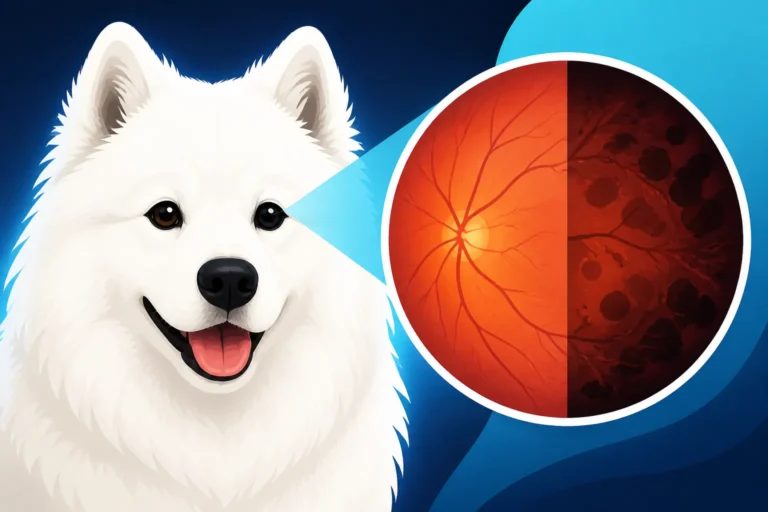
Samoyeds, like many purebred dogs, can be predisposed to certain inherited eye conditions. Two of the most common and concerning are Progressive Retinal Atrophy (PRA) and Retinal Dysplasia. Imagine bringing home a puppy, only to discover months later that their vision is slowly but irrevocably deteriorating. It's a heartbreaking scenario that responsible breeders strive to prevent, and early eye exams are a key part of that prevention.
Progressive Retinal Atrophy, for instance, is a group of degenerative diseases affecting the retina. While some forms might not show clinical signs until later in life, some can begin to manifest subtly in puppyhood. It's a genetic condition, meaning it's passed down from parents. Similarly, Retinal Dysplasia refers to an abnormal development of the retina. This can range from mild folds in the retina that cause no significant vision impairment to more severe, widespread detachments that can lead to blindness. In some breeds, a more severe form of retinal dysplasia, often linked with skeletal abnormalities, can be very serious. While Samoyeds aren't typically associated with the skeletal form, localized retinal folds can still occur. These conditions highlight why a careful examination of the developing eye is absolutely critical at a young age, before permanent damage sets in or before a puppy goes home.
The Role of a Veterinary Ophthalmologist
You might assume any vet can check a puppy's eyes, and while a general practitioner can perform a basic visual inspection, for truly comprehensive and reliable screening for inherited eye diseases, a board-certified veterinary ophthalmologist is the gold standard. These specialists have advanced training and equipment specifically designed to examine the intricate structures of the eye. They can detect subtle abnormalities that might be missed during a routine puppy check-up.
It’s a bit like comparing your family doctor to a heart surgeon – both are doctors, but one has specialized expertise for specific, complex issues. For something as delicate and crucial as a puppy's developing vision, getting an expert opinion from a veterinary ophthalmologist can make all the difference. This specialized visit can be an added cost, but it's an investment in your puppy's future vision and can help breeders make informed decisions for future litters. Many breeders will arrange for the entire litter to be examined by an ophthalmologist, often referred to as a "litter eye exam," before the puppies are eight or nine weeks old. This is an excellent indicator of a breeder's commitment to the health of their puppies.
What a Comprehensive Eye Exam Entails for a Puppy
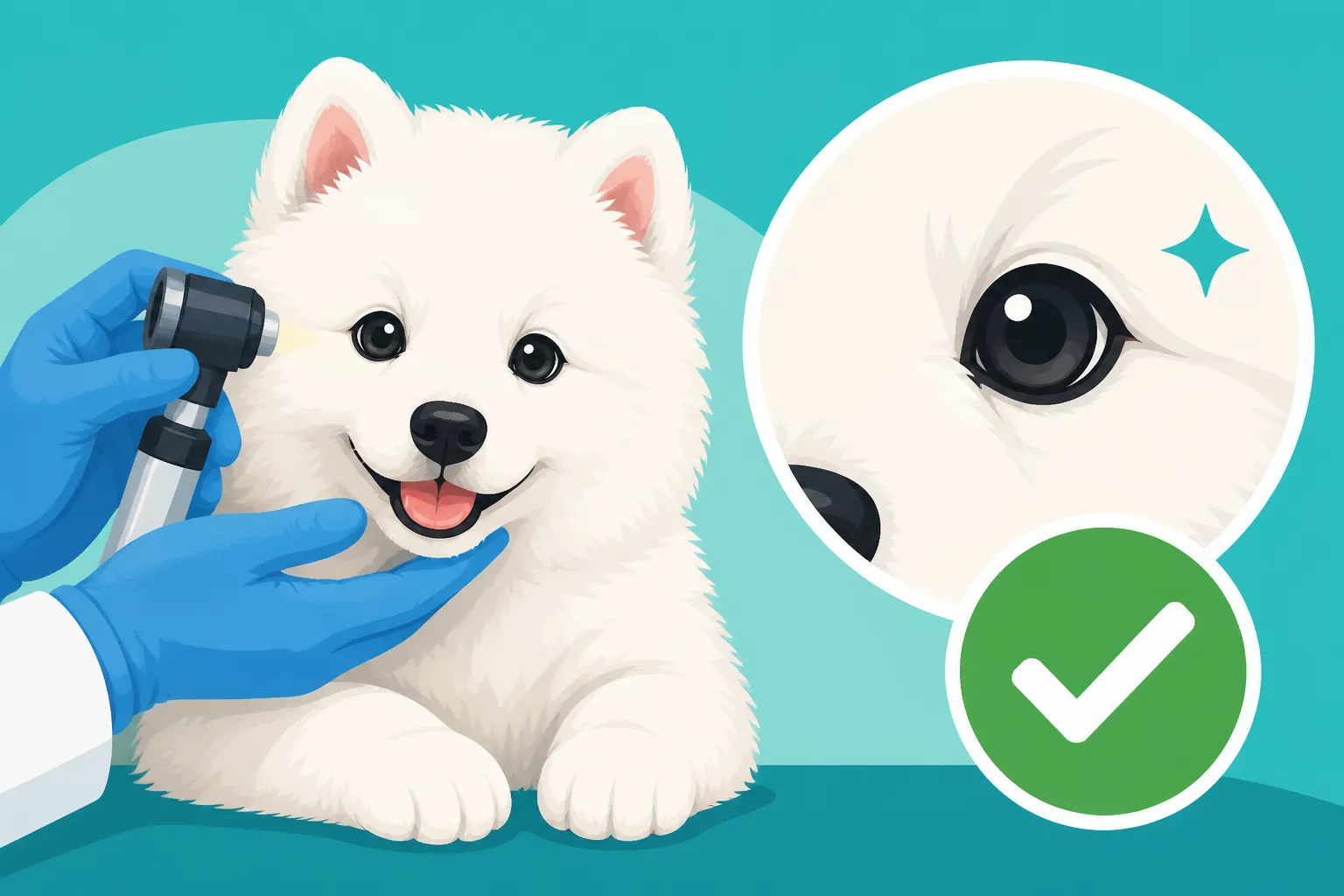
So, what exactly happens during one of these specialized eye exams for an eight-week-old Samoyed puppy? It's much more than just a quick glance. The ophthalmologist will typically perform a thorough examination, often involving several steps:
- General Ocular Inspection: First, they'll observe the puppy's eyes and surrounding structures for any obvious signs of redness, discharge, swelling, or abnormalities in eyelid positioning. They'll also check how the puppy tracks objects, offering a rudimentary assessment of vision.
- Pupil Dilation: To get a good look at the back of the eye (the retina and optic nerve), the ophthalmologist will usually administer eye drops to dilate the pupils. This process takes about 15-20 minutes, giving the puppy a chance to relax before the next step.
- Indirect Ophthalmoscopy: Once the pupils are dilated, the specialist uses an indirect ophthalmoscope, a head-mounted light source combined with a handheld lens, to magnify and illuminate the internal structures of the eye. This allows them to examine the retina for any signs of dysplasia, detachments, or early degenerative changes indicative of Progressive Retinal Atrophy in a Samoyed.
- Slit Lamp Biomicroscopy: This instrument provides a magnified, three-dimensional view of the front structures of the eye, including the cornea, iris, and lens. It's crucial for detecting cataracts, persistent pupillary membranes (PPMs), or other anomalies that might not be visible with the naked eye. While cataracts are often associated with conditions like Diabetes in a Middle Aged Samoyed, some forms can be congenital or develop very early in life.
- Fundus Examination: This is a direct examination of the retina, optic nerve, and choroid, providing critical information about the health of the back of the eye where many inherited conditions manifest.
The goal is to catch any issues early, allowing breeders to make appropriate decisions and providing new owners with full transparency about their puppy's health status.
Why Eight Weeks is a Critical Window for Eye Health Checks
The timing of these initial eye exams, typically around eight weeks, isn't arbitrary. It aligns perfectly with several key developmental milestones and practical considerations for both breeders and new owners. By this age, a puppy's eyes are developed enough for many significant hereditary conditions to be detectable by an experienced ophthalmologist, yet it's usually before they head off to their new forever homes. This window is truly critical for setting the foundation of a healthy life for your Samoyed.
The OFA Eye Certification Registry (CAER/CERF) Exam
One of the most recognized and respected programs for evaluating canine eye health is the Eye Certification Registry (CAER), formerly known as CERF, administered by the Orthopedic Foundation for Animals (OFA). For this certification, a board-certified veterinary ophthalmologist performs the thorough eye examination. The results are then submitted to the OFA, which maintains a public database of certified dogs.
For breeding animals, these exams are typically performed annually. However, for puppies, a "litter eye exam" can be done between 6 to 12 weeks of age, with 8-9 weeks being a very common timeframe. This allows the ophthalmologist to screen for conditions that are apparent early on. If a puppy passes, it means that at the time of the exam, no observable signs of inherited eye disease were found. This isn't a guarantee for life, as some conditions like some forms of PRA can develop later, but it’s a crucial snapshot of their early health. A responsible breeder will always provide you with documentation from this exam for your puppy, demonstrating their commitment to Why a Samoyed Litter Needs an Eye Exam. This is also part of the broader commitment to The Health Tests Both Samoyed Parents Should Have to ensure healthy offspring.
Identifying Early Signs of Trouble
Beyond the professional ophthalmologist's exam, attentive breeders and new owners play a crucial role in observing their puppies. While you won't have the sophisticated equipment of a specialist, you can still look for red flags that might warrant further investigation.
- Cloudiness or Opacity: Look for any haziness, white spots, or cloudiness in the pupil area, which could indicate early cataracts or corneal issues.
- Abnormal Eye Discharge: While some sleepy dust is normal, excessive tearing, thick discharge, or green/yellow pus can signal infection or irritation.
- Squinting or Excessive Blinking: This could indicate pain, discomfort, or sensitivity to light.
- Uneven Pupil Size or Shape: Pupils should be symmetrical and react equally to light.
- Redness or Swelling: Any inflammation of the eyelids or the whites of the eyes (sclera) is a cause for concern.
- Behavioral Cues: A puppy repeatedly bumping into objects, hesitating in new environments, or being unusually clumsy might have vision impairment. However, remember puppies are naturally clumsy!
- Light Sensitivity: If your puppy seems unusually bothered by bright lights, it could be a sign of underlying eye pain or disease.
It's important to remember that puppies are still developing, and some minor, transient issues might resolve on their own. However, if you see any persistent or concerning signs, it's always best to consult with your veterinarian promptly.
Breeder Responsibility and Transparency
Reputable Samoyed breeders understand the paramount importance of early eye checks. They view it as a fundamental part of their responsibility to the breed and to the families who will adopt their puppies. A breeder who consistently performs these eight-week eye exams and is open about the results is demonstrating a high level of integrity and care. They should readily provide you with the ophthalmologist's report for your specific puppy, as well as the eye certifications for both parent dogs.
Beware of breeders who dismiss the need for these early exams or refuse to share documentation. This can be a red flag, as it might indicate they are cutting corners on health testing. Remember, you're not just buying a puppy; you're investing in a family member who will hopefully bring you joy for The Twelve to Fourteen Years a Samoyed Lives. Asking about these tests and understanding the results helps you avoid potential heartbreak and significant vet bills down the road. Some puppy health guarantees might even hinge on these initial vet checks. While you might not specifically find a guarantee that covers "Whether a Samoyed Health Guarantee Covers the Kidneys," a comprehensive guarantee often covers major genetic health issues, and eye health is frequently included.
| Eye Condition | Typical Onset/Detection in Samoyeds | Key Characteristics | Importance of Early Check |
|---|---|---|---|
| Progressive Retinal Atrophy (PRA) | Can vary; some forms detectable in puppyhood, others later. | Gradual degeneration of retina, leading to night blindness, then total blindness. Genetic. | Crucial for identifying early forms and informing breeding decisions. |
| Retinal Dysplasia | Often detectable in puppyhood (8-12 weeks). | Abnormal development of retina (folds, detachments). Can range from mild to severe vision loss. Genetic. | Essential for early diagnosis to understand prognosis and advise owners. |
| Cataracts (Congenital/Early Onset) | Can be present at birth or develop within first few months. | Clouding of the lens, obstructing light and causing vision impairment. Can be hereditary or non-hereditary. | Important to distinguish from normal puppy eye cloudiness and assess severity. |
| Persistent Pupillary Membranes (PPMs) | Usually detectable at 8 weeks, often resolve or remain mild. | Remnants of fetal blood vessels in the eye. Can range from harmless strands to vision-impairing webs. | Common to check in puppies; mild forms often don't require intervention. |
| Eyelid Abnormalities (Entropion/Ectropion) | Often visible at 8 weeks or shortly thereafter. | Eyelids roll inward (entropion) or outward (ectropion), causing irritation or exposure. | Early detection allows for surgical correction to prevent chronic irritation or corneal damage. |
Navigating Eye Health Concerns as a New Samoyed Owner
Even with the most rigorous early checks, owning a Samoyed means being vigilant about their health throughout their life. Your puppy’s eight-week eye exam is a snapshot, not a crystal ball. As they grow, new issues can arise, and maintaining good eye health becomes an ongoing partnership between you and your veterinarian. The frustration of dealing with health issues can be immense, but proactive care and knowing what to look for can make a huge difference.
What to Ask Your Breeder About Eye Health
When you’re talking to a breeder, don't be shy about asking specific questions related to eye health. A good breeder will welcome your inquiries and be prepared with thorough answers and documentation. Here are some essential questions:
- "Have the puppies had a litter eye exam by a board-certified veterinary ophthalmologist?" If the answer is yes, ask to see the official report for your chosen puppy and the entire litter.
- "What are the OFA Eye (CAER) certification results for both parent dogs?" Ask to see copies of these certifications. Both parents should have current, clear eye certifications. This demonstrates their commitment to preventing inherited conditions like Progressive Retinal Atrophy in a Samoyed or Retinal Dysplasia in a Samoyed.
- "Are there any known eye health issues in your breeding lines, even if they aren't on the OFA list?" A truly transparent breeder will share this information, even if it's about a distant relative.
- "What is your health guarantee regarding eye conditions?" Understand the terms of their guarantee. Does it cover inherited eye diseases, and if so, for how long? This is part of evaluating Whether an Untested Samoyed Litter Is Worth Buying against a tested one.
- "What are the typical eye care routines you recommend for Samoyeds?" Good breeders often have practical advice for general eye hygiene.
Being prepared with these questions ensures you’re making an informed decision and supporting responsible breeding practices, contributing to The Push to Breed Healthier Samoyeds.
Ongoing Eye Care for Your Samoyed
Once your Samoyed puppy is home, ongoing eye care becomes your responsibility. This doesn't mean you need to be an ophthalmologist yourself, but rather a diligent observer and a consistent caregiver.
- Regular Visual Checks: Make it a habit to look at your Samoyed’s eyes daily. Are they bright and clear? Is there any excessive discharge? Do the eyelids look normal? Early detection of minor issues, like a stray hair irritating the eye, can prevent them from becoming major problems.
- Gentle Cleaning: Samoyeds, with their glorious white fur, can sometimes get tear staining, though usually less severe than some other white breeds. Use a soft, damp cloth or a veterinarian-approved eye-cleaning solution to gently wipe away any crust or discharge from the corners of their eyes. Always wipe away from the eye, and use a fresh part of the cloth for each eye to prevent spreading any potential infection. Avoid products with harsh chemicals.
- Protect from Irritants: Be mindful of dust, dirt, and harsh chemicals around your Samoyed. If you're gardening or doing household cleaning, keep your pup away from airborne irritants. When traveling in a car, don't let them hang their head out the window with full wind blast, as this can dry out their eyes and introduce debris.
- Annual Veterinary Exams: Even if your Samoyed's eyes seem perfectly fine, their annual vet check-up should always include a thorough eye examination. Your general practitioner can catch many common issues. For Samoyeds, given their breed predispositions, it's wise to discuss with your vet Whether a Samoyed Needs a Yearly Eye Exam by a specialist, especially as they get older, just to be proactive.
- Pet Insurance: Thinking ahead about potential health costs is smart. Services like Healthy Paws can provide peace of mind. While they won't cover pre-existing conditions, enrolling your Samoyed puppy early can help cover unexpected illnesses or injuries, including future eye conditions that weren't present or detectable at the time of enrollment. It's a pragmatic step to take for comprehensive care throughout their life.
When to Seek Emergency Veterinary Care for Eye Issues
While routine care and vigilance are important, there are times when an eye issue requires immediate, emergency veterinary attention. Eye problems can escalate quickly, and delaying treatment can lead to permanent vision loss or severe pain. Don't hesitate if you notice any of the following:
- Sudden Blindness: Your Samoyed is suddenly bumping into furniture, disoriented, or reluctant to move.
- Severe Pain: Constant squinting, rubbing at the eye, holding the eye shut, or being unusually sensitive to touch around the head.
- Bulging or Swollen Eye: An eye that appears to be protruding or is significantly swollen could indicate severe pressure, infection, or trauma.
- Trauma to the Eye: Any visible injury, cut, or puncture to the eye or eyelid.
- Sudden Cloudiness or Color Change: A rapid onset of a milky white or bluish appearance, especially if accompanied by pain.
- Foreign Object: If you can see a foreign object lodged in your Samoyed's eye. Do not attempt to remove it yourself, as you could cause more damage.
- Severe Redness or Blood: Intense redness of the whites of the eyes or visible blood, either around or within the eye.
Remember, when it comes to eye health, it’s always better to be safe than sorry. A quick trip to the emergency vet or your regular veterinarian can save your Samoyed's vision and prevent unnecessary suffering. Having pet insurance, like a plan from Healthy Paws, can certainly alleviate some of the financial stress that comes with these unexpected emergency visits, allowing you to focus on your furry friend's recovery. Many owners find that the long-term investment in a plan from providers like Healthy Paws is invaluable for managing their Samoyed's health over the years, from puppyhood through to Caring for a Samoyed Past Nine.
Disclaimer
This article is intended for informational purposes only and is not a substitute for professional veterinary advice, diagnosis, or treatment. Always seek the advice of your veterinarian or other qualified health provider with any questions you may have regarding a medical condition.