Whether a Samoyed Is Cheap to Feed for Its Size
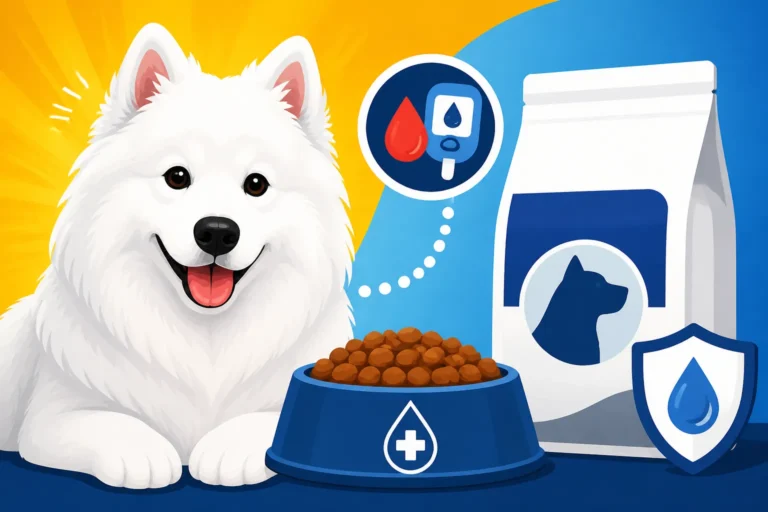
Many Samoyed owners, especially those new to the breed, often find themselves wondering if these majestic dogs are really as economical to feed as their calm demeanor might suggest. After all, they're big, fluffy creatures, and it's easy to assume that any large dog will simply eat a lot of any food. But the truth is, while Samoyeds aren't typically gargantuan eaters for their size, their unique physiology and potential health considerations mean that cutting corners on their diet can actually cost you a lot more in the long run. This guide will walk you through the nuances of feeding a Samoyed, dispelling myths and helping you understand the true financial commitment involved in keeping your fluffy friend happy and healthy.
Understanding a Samoyed's Nutritional Needs
It's a common trap to think of a Samoyed as just another "large breed" dog. While they certainly fit that category by weight and stature, their heritage as working dogs from the arctic means their bodies operate a little differently than, say, a Labrador or a German Shepherd. This isn't just about how much they eat, but what they eat, and the quality of those ingredients really does matter.
More Than Just "Big Dog" Food
Samoyeds are built for endurance, with a metabolism that can efficiently utilize nutrients to fuel their activity and maintain their magnificent double coat. This means they thrive on high-quality, nutrient-dense food, not just large quantities of filler. You might think grabbing the biggest, cheapest bag of kibble from the supermarket will do, and for some dogs, it might, for a while. But for a Samoyed, feeding lower-quality food often means they're not getting the essential proteins, fats, and micronutrients they need. They might eat more to feel full, but still lack proper nourishment, leading to a dull coat, lower energy, and even digestive upset. It's frustrating to navigate the endless aisles of dog food, each claiming to be the best, and trying to decipher complex ingredient lists while keeping an eye on your budget. However, overlooking ingredient quality for the sake of a lower sticker price on a giant bag can quickly become a false economy.
Growth Stages and Dietary Changes
A Samoyed's nutritional requirements aren't static; they evolve throughout their life. A growing puppy, an active adult, and a mellow senior dog each have distinct needs that influence the type and amount of food they should consume.
During puppyhood, Samoyeds need a diet that supports steady, controlled growth. Overfeeding or providing food with incorrect nutrient balances can lead to rapid growth, which in turn can predispose them to orthopedic issues down the line. Puppy formulas are designed with this in mind, but again, quality varies wildly. As they transition into adulthood, typically around 12-18 months, their caloric needs often stabilize, moving to a maintenance diet. This is a critical time to ensure they don't pack on excess weight, which can stress their joints. Then, as they enter their senior years, usually around age seven or eight, their metabolism can slow, activity levels might decrease, and they might benefit from foods tailored to support joint health, maintain muscle mass, and prevent weight gain. Adjusting their diet at each stage is an important part of responsible ownership and impacts your ongoing food budget. For more on this, you might find Feeding an Old Samoyed helpful.
Health Concerns Influencing Diet
One often-overlooked aspect of Samoyed feeding costs is their predisposition to certain health issues that can directly impact their dietary needs. Conditions like diabetes or pancreatitis, though not universal, can necessitate significant dietary changes and specialized prescription foods.
If your Samoyed develops diabetes, for example, their diet will need careful management to regulate blood sugar levels. This often means a specific prescription diet, which tends to be more expensive than regular commercial foods. Similarly, Samoyeds can be prone to pancreatitis, an inflammation of the pancreas, which can be triggered or exacerbated by high-fat diets. For dogs with this sensitivity, a low-fat prescription diet becomes essential to prevent painful flare-ups. Switching to these specialized diets isn't just a matter of preference; it's a medical necessity, and the cost difference can be substantial. While a standard bag of quality kibble might seem pricey, it pales in comparison to the cost of these specialized foods, not to mention the veterinary bills that often accompany such diagnoses. Sometimes, exploring options like Ollie, which offers fresh, customized meal plans, can provide a balance of quality nutrition and tailored ingredients, especially for dogs with sensitivities, although you'll want to discuss any dietary changes with your vet first. If you're concerned about fat content, you might want to read Whether a Samoyed Needs a Low Fat Diet.
The Real Cost of Quality Samoyed Food
When considering whether a Samoyed is "cheap to feed," it's crucial to look beyond the initial purchase price of a bag of food. The type of food, its quality, and the long-term impact on your dog's health all play a significant role in the overall expense.
Kibble vs. Fresh vs. Raw
The world of dog food offers a spectrum of choices, each with its own cost implications and preparation demands.
- Kibble: This is generally the most budget-friendly and convenient option. You can find everything from economy brands to premium, high-quality kibbles. The price per bag varies widely, but even a good quality kibble for a Samoyed will likely be more expensive than what you'd spend on a smaller breed simply due to the volume needed. However, buying in larger bags can often provide a better unit price. It's easy to store, has a long shelf life, and requires no preparation beyond scooping.
- Fresh Food: Brands like Ollie and others offer fresh, often human-grade, food delivered directly to your door. These options are typically tailored to your dog's specific needs, breed, age, and activity level. While the quality is generally excellent and many owners report improvements in coat and digestion, this comes at a significantly higher cost per meal than most kibble options. The convenience of pre-portioned meals is a plus, but you'll also need freezer space.
- Raw Food (BARF – Biologically Appropriate Raw Food or PMR – Prey Model Raw): This approach involves feeding raw meat, bones, and organs, sometimes with added fruits and vegetables. Raw feeding can be done commercially (pre-made raw diets) or DIY. Commercial raw diets are often more expensive than premium kibble but can offer specific benefits for some dogs. DIY raw feeding requires extensive research to ensure nutritional completeness and proper food safety, and the cost can fluctuate depending on where you source your ingredients. It often involves more preparation time and dedicated freezer space.
| Food Type | Initial Cost (per serving) | Preparation Time | Shelf Life (unopened) | Customization Potential |
|---|---|---|---|---|
| Kibble | Low to Moderate | Very Low | Long (months) | Low |
| Fresh Food | Moderate to High | Low | Short (days/weeks) | High |
| Raw (Pre-made) | Moderate to High | Low | Moderate (weeks) | Moderate |
| Raw (DIY) | Low to Moderate | High | Moderate (weeks) | High |
The Impact of Food Quality on Long-Term Health
It might feel counterintuitive, but investing in a higher-quality food from the outset can actually save you money down the road. Poor quality food, often laden with fillers, artificial colors, and inadequate nutrients, can lead to a host of health problems for your Samoyed.
Imagine a Samoyed on a diet that doesn't quite meet their needs. Their glorious double coat might become dull, dry, and prone to excessive shedding or skin issues, requiring more frequent vet visits for itchy skin or infections. They might experience chronic digestive upset, leading to costly medications or diagnostic tests. An unhealthy diet can also contribute to weight problems, stressing their joints and potentially exacerbating conditions like hip dysplasia. All these issues translate into veterinary bills – consultations, medications, special shampoos, or even surgical interventions – that far outweigh the initial savings on a cheaper bag of food. So, while a premium kibble or fresh food option might seem expensive at checkout, it's an investment in preventative health that can keep your Samoyed thriving and your vet visits to a minimum. Websites like Chewy allow you to compare ingredients and read reviews across many brands, helping you make an informed decision on quality for value.
Reading the Labels: What to Look For (and Avoid)
Navigating dog food labels can feel like deciphering a foreign language, but understanding a few key elements can help you identify truly nutritious options for your Samoyed. Don't be swayed by marketing jargon; focus on the actual ingredients.
Look for a named meat source (e.g., "chicken meal," "lamb") as the first ingredient, rather than vague terms like "meat by-products." Whole grains like brown rice or oats are generally preferable to fillers such as corn, soy, or wheat, which can be difficult for some dogs to digest and offer little nutritional value. Avoid artificial colors, flavors, and preservatives. These ingredients are often found in cheaper foods and provide no benefit to your Samoyed's health. Understanding How Many Cups a Day an Adult Samoyed Eats is crucial, but knowing what's in those cups is even more vital. A high-quality food means your Samoyed is absorbing more nutrients, which might even mean they need slightly less volume than a lower-quality alternative to feel satisfied and well-nourished.
Beyond the Bag: Hidden Feeding Costs
The food in the bowl is just one part of the feeding equation. Many other expenses, often overlooked, add up to the true cost of nourishing your Samoyed. These "hidden" costs can significantly impact your budget and are important to consider when evaluating whether a Samoyed is "cheap to feed."
Treats, Supplements, and Chews
Anyone who has ever tried to train a Samoyed knows that treats are an absolute necessity! From positive reinforcement during puppy training to reinforcing good behavior in adults, treats are a constant in a Samoyed owner's life. But these aren't free, and choosing quality treats is just as important as choosing quality food. High-value training treats, especially for a smart but sometimes independent breed like the Samoyed, can add up quickly. What Treats Cost a Samoyed Owner in Training is a real consideration.
Beyond training, many owners opt for dental chews to help maintain oral hygiene, and these, too, come with a price tag. Then there are supplements. With their active lifestyle and predisposition to certain joint issues as they age, many Samoyed owners consider joint supplements containing ingredients like glucosamine and chondroitin. While these can be beneficial, they represent another ongoing expense that isn't included in the monthly food bill. Omega-3 fatty acids for skin and coat health, or probiotics for digestive support, are other common additions. These aren't always cheap, and they’re definitely part of the overall feeding budget. You can learn more about joint support in Joint Supplements for a Samoyed.
Special Dietary Needs and Vet Consultations
Perhaps one of the most significant "hidden" costs comes when your Samoyed develops a health condition that requires a specialized diet. We touched on diabetes and pancreatitis earlier, but other issues like food allergies, kidney disease, or certain gastrointestinal conditions can also necessitate specific, often prescription-only, diets. These therapeutic foods are formulated to manage medical conditions and are almost always more expensive than commercial dog foods.
Furthermore, managing these conditions often involves regular veterinary check-ups and consultations with veterinary nutritionists. These professionals can help tailor a diet plan, but their expertise comes at a cost. If your Samoyed needs a prescription diet, like for managing diabetes, that's an ongoing expense you hadn't budgeted for initially. Whether a Diabetic Samoyed Needs a Prescription Diet gives a good overview. This is where having pet insurance, such as through Healthy Paws, can be incredibly beneficial. While it won't cover the cost of the food itself, it can help offset the veterinary consultation fees, diagnostic tests, and medications associated with managing these diet-sensitive conditions, easing the financial burden.
Storage and Equipment
It might seem minor, but the right storage and feeding equipment for a Samoyed can also add to your overall costs. Because Samoyeds often eat a decent volume of food, you'll likely be buying larger bags of kibble. Proper storage is essential to keep the food fresh and prevent pests. An airtight, robust storage container is a must-have, and these aren't always cheap, especially for the larger sizes needed.
Then there are the bowls themselves. While a basic stainless steel bowl is a good start, some Samoyeds might benefit from a raised feeder for ergonomic eating, particularly as they get older, or a slow feeder bowl if they tend to gobble their meals too quickly. A slow feeder (Whether a Slow Feeder Suits a Samoyed) can be a great option for enthusiastic eaters. These specialized bowls are additional purchases that contribute to the overall setup cost. While not a recurring expense, they are an initial investment that many owners don't factor into the "cheap to feed" equation.
Budgeting for Your Samoyed's Food
Owning a Samoyed is a joyful experience, but it also comes with financial responsibilities, and food is a major one. Approaching your Samoyed's diet with a realistic budget and smart shopping strategies can help you manage costs without compromising on their health.
Estimating Monthly Food Expenses
It's difficult to give an exact figure for monthly food expenses, as it varies so widely based on the brand, type of food (kibble, fresh, raw), your dog's age, activity level, and any special dietary needs. However, you can create a realistic estimate. Start by researching a few high-quality dog food brands that appeal to you. Look at their feeding guidelines for a dog of your Samoyed's target adult weight and activity level. Multiply the daily recommended amount by 30 days, and then find out the cost of a bag that will cover that amount.
For example, a typical adult Samoyed might need 2-3 cups of a good quality kibble per day, but this can go up or down. If you're feeding a premium kibble, you might find that a 30-pound bag lasts about a month. Compare the cost of such a bag across different retailers. Don't forget to factor in the cost of treats and any supplements you plan to use. Tracking your actual expenses for the first few months will give you a much clearer picture. Remember, being lean and healthy is key to a long life for your Samoyed, so precise portion control is crucial. How Much Food a Samoyed Eats Monthly is a good article to review.
Smart Shopping Strategies
While you don't want to compromise on quality, there are smart ways to manage your Samoyed's food budget.
- Buy in Bulk: Larger bags of kibble almost always offer a better price per pound. If you have the storage space (and an airtight container), buying the biggest size available can lead to significant savings.
- Subscribe and Save: Many online retailers, like Chewy, offer "subscribe and save" programs, where you get a discount for setting up recurring deliveries of your chosen food. This also adds convenience, as you won't have to remember to reorder.
- Look for Sales and Loyalty Programs: Keep an eye out for sales from pet stores or online retailers. Some brands also have loyalty programs where you can earn free bags of food after a certain number of purchases.
- Consider Fresh Food Subscriptions Carefully: While often more expensive, services like Ollie might offer introductory discounts. If you're exploring fresh food, compare different providers to see which offers the best value for your Samoyed's specific needs and your budget.
The Long-Term Perspective
Ultimately, the question of whether a Samoyed is "cheap to feed" really comes down to perspective. If you're looking for the absolute cheapest way to keep a dog alive, then no, a Samoyed probably isn't the breed for you. Their unique needs for high-quality nutrition, coupled with potential health predispositions, mean that cutting corners on their diet is likely to lead to more significant expenses down the road in the form of vet bills and a less vibrant, less healthy companion.
However, if you view their food as an investment in their long-term health, happiness, and vitality, then the cost becomes entirely reasonable. A well-fed Samoyed with a gleaming coat, bright eyes, and boundless energy is a joy to behold and typically requires fewer costly interventions. The true cost of owning a Samoyed extends far beyond just their food, encompassing everything from grooming to vet visits over more than a decade. For a full picture, consider reading The Full Cost of Thirteen Years With a Samoyed. By prioritizing quality nutrition, you're not just feeding a dog; you're nurturing a beloved family member, ensuring they live their best, healthiest, and happiest life by your side.
Disclaimer
This article is for general informational purposes only and does not constitute professional advice. Laws, prices and regulations vary by location and change over time. Consult a qualified professional for guidance on your specific situation.