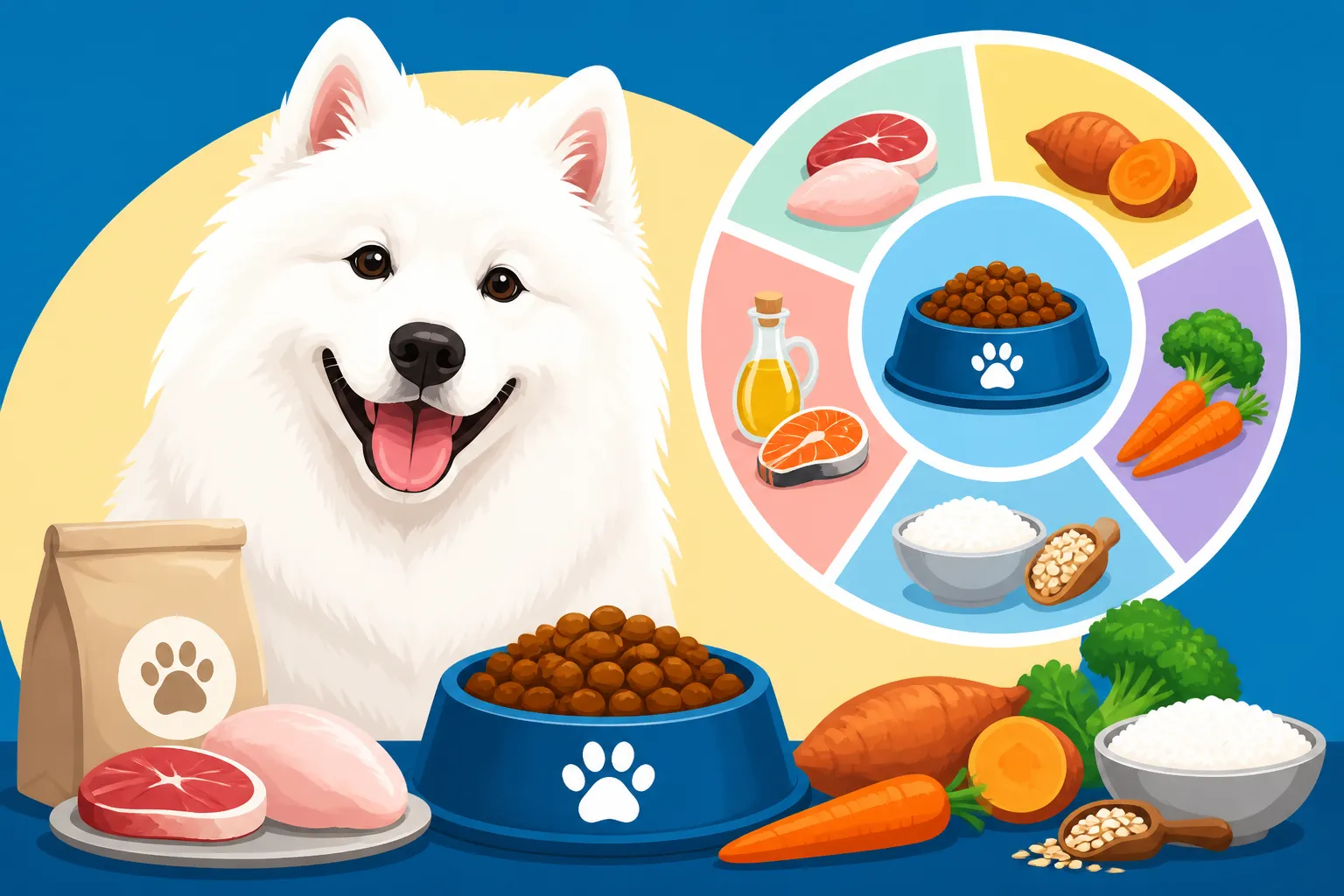
How Much Food a Samoyed Eats Monthly
Bringing a fluffy Samoyed into your life is an absolute joy, but let's be honest, the excitement often comes with a healthy dose of sticker shock, especially when you start looking at ongoing costs. One of the biggest and most consistent expenses you'll face is feeding that beautiful, hungry floof. This guide is going to meticulously break down how much food a Samoyed typically eats each month, what influences those figures, and how you can manage the budget without compromising on quality or your dog's health.
Understanding Your Samoyed's Caloric Needs
It’s easy to look at a Samoyed and assume they must eat mountains of food. After all, they’re not small dogs, and they’re built for endurance in harsh climates. However, the reality is often surprising for new owners. Samoyeds, while active, are also incredibly efficient eaters, a trait passed down from their ancestors who survived on lean resources. This doesn't mean they eat little, but rather that their nutritional needs are specific and require careful management to prevent weight gain or nutritional deficiencies.
Factors Influencing Food Intake
The amount of food your Samoyed needs isn't a one-size-fits-all number. It's a dynamic calculation influenced by several key factors that you, as their owner, will need to consider and adjust for over time. Ignoring these can lead to an overweight Samoyed, which comes with its own set of health risks, or, conversely, an underweight one lacking proper energy.
First and foremost, your Samoyed's age plays a huge role. Puppies, especially during rapid growth phases, require significantly more calories per pound of body weight than adult dogs. They're little growth machines, constantly developing bones, muscles, and organs. Think of a teenager always raiding the fridge – it’s similar for a Samoyed puppy! Once they hit adulthood, usually around 12-18 months, their growth slows, and their caloric needs per pound decrease. Then, as they transition into senior years, their metabolism often slows further, and activity levels might decline, necessitating another adjustment. We cover this more in The Age a Samoyed Counts as a Senior.
Activity level is another massive factor. Is your Samoyed a couch potato who enjoys a leisurely stroll around the block, or are they a working dog training for sledding, canicross, or agility? A Samoyed competing in dog sports or regularly enjoying long hikes will burn far more calories and, consequently, need more food than one whose main exercise is playing in the yard. For highly active dogs, you might even consider specific "performance" formulas, which tend to be more calorie-dense, as discussed in Whether a Samoyed Needs a Performance Formula.
Lastly, individual metabolism, genetics, and whether they are spayed or neutered also impact their requirements. Just like people, some Samoyeds naturally have a faster metabolism, while others tend to put on weight easily. Spaying or neutering can also lead to a decrease in metabolic rate, making it easier for dogs to gain weight if their food intake isn't adjusted. This is why it’s so crucial to monitor your Samoyed's body condition regularly, feeling for those ribs under all that glorious fluff.
General Guidelines for Samoyed Puppies
Bringing home a Samoyed puppy is an exciting time, and figuring out how much to feed them can feel a bit daunting. Puppyhood is a period of intense growth and development, which means their nutritional needs are different and more demanding than those of an adult Samoyed. They need a diet specifically formulated for puppies, typically higher in protein, fat, and certain nutrients to support their rapid development.
Generally, Samoyed puppies need to eat more frequently and in larger quantities relative to their size. From about 8 weeks to 4-6 months, they might be eating 3-4 times a day. As they get older, the frequency might drop to 2-3 times a day. The specific amount will depend heavily on the food’s caloric density and the puppy's individual growth rate and activity. A good starting point is always the feeding guide on your chosen puppy food bag, but remember these are just guidelines. Your veterinarian will be your best resource for tailored advice. For example, a 4-month-old Samoyed puppy, as detailed in How Much Food a Samoyed Puppy Eats at Four Months, might consume around 3-4 cups of high-quality puppy kibble per day, split into multiple meals.
It’s vital to feed a large-breed puppy formula if possible, as these are designed to support a slower, more controlled growth rate, which can help prevent orthopedic issues like hip and elbow dysplasia later in life. Overfeeding a puppy can lead to excessively fast growth, putting undue stress on developing joints. Always aim for a lean body condition in your growing Samoyed.
Adult Samoyed Feeding Averages
Once your Samoyed matures, typically between 12 to 18 months, their growth plates have closed, and their energy requirements usually stabilize. This is when you'll transition them to an adult dog food formula. For an average adult Samoyed, weighing anywhere from 35 to 65 pounds, the daily caloric intake can range significantly based on activity.
A moderately active adult Samoyed might consume anywhere from 2.5 to 4 cups of high-quality kibble per day, split into two meals. This rough estimate translates to roughly 1200-1800 calories, but again, always check the specific caloric content of your chosen food. For a more precise idea, you can delve into How Many Cups a Day an Adult Samoyed Eats. For example, a 50-pound adult Samoyed might need around 1500 calories a day. If your Samoyed is very active, perhaps you're out skijoring or hiking long distances, they might need closer to 2000-2500 calories. Conversely, a less active Samoyed might thrive on closer to 1000-1200 calories to maintain a healthy weight.
It's crucial to weigh your dog regularly and assess their body condition score. You should be able to feel their ribs easily without seeing them protruding, and they should have a discernible waist when viewed from above. Remember, Samoyeds can gain weight easily if not managed, and their thick coats can often hide those extra pounds, as explored in How a Samoyed's Ruff Hides Weight Gain. Consistent feeding schedules can also be helpful for managing their weight and overall health, as outlined in Whether a Samoyed Needs a Consistent Feeding Schedule.
Choosing the Right Food Type and Its Impact on Cost
The type of food you choose for your Samoyed will heavily influence your monthly budget. There's a vast array of options out there, from budget-friendly kibble to gourmet fresh food, and each comes with its own price tag and set of considerations.
Kibble: Convenience and Cost-Effectiveness
For many Samoyed owners, high-quality kibble is the go-to choice, and for good reason. It's convenient, shelf-stable, and generally the most cost-effective option. The sheer variety available means you can find formulas tailored to specific needs, such as large breed, sensitive stomach, or age-specific diets.
When budgeting for kibble, expect to spend anywhere from $40 to $100+ per month, depending on the brand quality and where you purchase it. Premium brands, often found at specialty pet stores or online, will naturally be at the higher end. For instance, a 30-pound bag of a reputable kibble might cost you around $60-80 and last a 50-pound Samoyed roughly 3-4 weeks. If you’re opting for a more economical brand, you might find a similar-sized bag for $40-50, but it's important to look at ingredient quality, not just price.
When selecting kibble, prioritize formulas that list a high-quality animal protein (like chicken, beef, or salmon) as the first ingredient. Avoid fillers like corn, wheat, and soy, and look for wholesome grains or alternative carbohydrates if your dog has sensitivities. Reading up on What Kibble Costs for a Samoyed can give you a more detailed breakdown of price points. Companies like Chewy often offer subscription services that can provide a slight discount and ensure you never run out, which is a great way to manage costs and convenience.
Fresh, Raw, and Home-Cooked Options
Moving up the price ladder, you'll find fresh, raw, and home-cooked food options. These diets have gained popularity for their perceived benefits in terms of digestibility, coat health, and overall vitality. However, they come with a significantly higher price tag and often require more preparation and storage effort.
Fresh Food Services: Companies like Ollie deliver pre-portioned, human-grade meals directly to your door. These services offer convenience comparable to kibble subscriptions but at a much higher cost. For a Samoyed, you could easily be looking at $150 to $300+ per month, depending on the plan and your dog's size. The appeal is the freshness and quality of ingredients, but the financial commitment is substantial. What Fresh Food Costs for a Samoyed provides more insight into these expenses.
Raw Diets (BARF – Biologically Appropriate Raw Food): This involves feeding uncooked meat, bones, organs, and sometimes vegetables and fruits. The costs here vary widely. You can buy pre-made raw patties or grinds, which are convenient but expensive (often $200-400+ per month for a Samoyed). Alternatively, sourcing your own ingredients from butchers and grocery stores can be cheaper, but requires extensive knowledge to ensure a balanced diet. This is not something to embark on without thorough research and veterinary guidance, as nutritional imbalances can be dangerous.
Home-Cooked Meals: Preparing meals for your Samoyed in your kitchen allows you to control every ingredient. However, like raw feeding, it demands a deep understanding of canine nutrition to ensure it's balanced. It can also be time-consuming and costly, potentially ranging from $100-$250+ per month, depending on your ingredient choices. Always work with a veterinary nutritionist if you go this route to avoid deficiencies.
While these options can offer benefits, they are a significant financial commitment. It's crucial to weigh the perceived benefits against your budget and ability to provide a truly balanced diet.
Navigating Special Diets and Medical Needs
Sometimes, the choice of food isn't just about preference or budget; it's a medical necessity. Samoyeds can, unfortunately, develop various health issues that require specialized diets, and these can significantly impact your monthly food bill.
For instance, if your Samoyed develops diabetes, as discussed in Diabetes in a Middle Aged Samoyed, they might need a prescription diabetic diet. These foods are formulated to help regulate blood sugar levels, often by being lower in carbohydrates and higher in fiber and protein. Similarly, if your Samoyed experiences kidney issues, a renal diet designed to reduce the workload on the kidneys by controlling protein, phosphorus, and sodium levels would be necessary. These prescription diets, available only through veterinarians or with a veterinary prescription, are typically more expensive than standard commercial kibbles. You could see your monthly food bill increase by $30 to $80 or more.
Digestive sensitivities are also common. Some Samoyeds might react to certain proteins or grains, requiring a limited ingredient diet or a hydrolyzed protein diet. These specialized foods aim to reduce allergic reactions and gastrointestinal upset. Brands like Royal Canin, Purina Pro Plan Veterinary Diets, and Hill's Prescription Diet are common providers of these specialized formulas.
It's not just the food itself; sometimes, dietary supplements become necessary. Whether a Samoyed Needs Joint Support Early is a common question, and if the answer is yes, then glucosamine and chondroitin supplements would be an additional monthly cost. Omega-3 fatty acids for skin and coat health, or probiotics for gut health, are other common additions. While these aren't "food" per se, they are often part of the overall dietary management and need to be factored into your budget. Being prepared for these potential costs is part of responsible Samoyed ownership.
Strategies for Managing Your Monthly Samoyed Food Budget
Even with the best intentions, those monthly food bills can creep up. Fortunately, there are smart strategies you can employ to manage your Samoyed's food budget without compromising on quality or health. It’s all about being a savvy shopper and understanding your dog’s true needs.
Buying in Bulk and Subscription Services
One of the most effective ways to save money on Samoyed food is by buying in larger quantities. While a small bag might seem more manageable, the per-pound cost of a large bag (say, 30-40 pounds) is almost always lower. If you have the storage space, buying the largest bag your Samoyed can consume within its freshness window (usually a month or two after opening, stored properly in an airtight container) is a wise financial move.
Many online retailers, like Chewy, and even some local pet stores, offer subscription services for pet food. These often come with a discount (e.g., 5-10% off recurring orders) and free shipping, which can add up to significant savings over a year. Plus, the convenience of having food automatically delivered means you'll never have to rush to the store when the bag is almost empty. Just make sure you adjust the frequency if your Samoyed's eating habits change, perhaps due to age or activity level, to avoid overstocking or running out. This approach also helps you stick to a consistent feeding schedule, which is vital for your Samoyed's health.
Consider splitting bulk purchases with another Samoyed owner if storage is an issue, or if you find an incredible deal on an extra-large bag that might go stale before your single dog can finish it. Always store kibble in an airtight container, ideally off the floor and away from direct sunlight, to maintain freshness and prevent pests.
Smart Snacking and Treats
Treats are an undeniable part of having a Samoyed. They're essential for training, a lovely way to show affection, and a fantastic motivator. However, treats can quickly become a hidden budget buster and contribute to unwanted weight gain if not managed properly. The cost of treats can add another $10-$30 or more to your monthly expenses, especially if you’re using high-value, store-bought options. What Treats Cost a Samoyed Owner in Training can further illuminate this.
The key to smart snacking is moderation and choice. Instead of constantly buying expensive, novelty treats, consider using pieces of your Samoyed's regular kibble for training sessions. They might be less exciting, but they’re still rewarding, and it doesn't add extra calories or cost beyond their daily food allowance. When you do opt for commercial treats, choose healthy, low-calorie options, and break larger treats into smaller pieces. Your Samoyed probably doesn’t care about the size, just the fact that they're getting something.
Another excellent strategy is to use simple, human-grade foods in moderation. Small pieces of plain cooked chicken, carrots, green beans, or apple slices (without seeds) make fantastic, healthy, and relatively inexpensive treats. Always avoid grapes, raisins, chocolate, and anything with xylitol, which are toxic to dogs. By being mindful of treat usage, you keep both your Samoyed lean and your wallet a little heavier.
Monitoring Weight and Adjusting Portions
This is perhaps one of the most critical, yet often overlooked, aspects of managing your Samoyed's food budget and health. It’s not just about how much food a Samoyed should eat, but how much your Samoyed actually needs to maintain an ideal body condition. As we've established, every dog is an individual. An average guideline is just that – a guideline.
Regularly monitoring your Samoyed's weight and body condition score is paramount. Get into the habit of feeling their ribs, spine, and hip bones. You should be able to feel them with gentle pressure, but they shouldn't be visibly protruding. Observe their waistline from above and their tuck-up from the side. If you notice they're gaining a little too much weight, your first response shouldn't be to switch to a "diet food" immediately. Often, simply reducing their current food portion by 10-15% and increasing their exercise can be highly effective. Conversely, if they're looking a little thin, a slight increase in food might be necessary.
This constant adjustment means you're not overfeeding, which saves money in the long run and, more importantly, prevents health problems associated with obesity, like joint issues and an increased risk of diabetes. Whether a Samoyed Gains Weight Easily highlights how prone they can be to packing on pounds. This vigilance allows you to stretch a bag of food longer when appropriate, contributing to your monthly savings. Your veterinarian can also provide an objective assessment of your Samoyed’s body condition and help you determine the right feeding amount. It’s a proactive approach to both health and finances.
The Hidden Costs Beyond the Bag
While the monthly cost of food is a primary concern, it's worth briefly touching on the "hidden" costs that can sometimes tie directly into your Samoyed's diet and overall well-being. Thinking holistically about your dog's health can help you budget more effectively in the long run.
Supplements and Preventative Care
Beyond the kibble or fresh food, many Samoyed owners consider supplements a regular part of their dog's diet. As mentioned earlier, joint supplements like glucosamine and chondroitin are popular, especially for larger breeds or older dogs, to support joint health. These can run anywhere from $15-$40+ per month. Omega-3 fatty acids, often in fish oil form, are frequently added for coat health, skin health, and anti-inflammatory benefits, adding another $10-$25 to your monthly bill. Probiotics for digestive health might also be recommended.
While these aren't "food," they are part of a preventative care strategy that, in theory, can save you money on future veterinary bills by helping to maintain your Samoyed's health. It’s a bit like taking your own daily vitamins – an investment in long-term wellness. Companies like Healthy Paws, an insurance provider, would certainly appreciate you keeping your Samoyed in top condition to potentially minimize future claims.
Regular veterinary check-ups are also crucial. Your vet can advise on the best diet for your Samoyed's specific age, activity level, and health status. They can catch early signs of weight issues, allergies, or other conditions that might necessitate a change in diet, potentially preventing more severe and expensive problems down the line. Investing in quality food and appropriate supplements now can be a proactive way to ensure your Samoyed lives a long, healthy, and happy life, potentially delaying or reducing the need for costly medical interventions in the future.
| Item | Estimated Monthly Cost Range | Notes |
|---|---|---|
| High-Quality Kibble | $40 – $100 | Varies by brand, quality, and bag size. Buying in bulk usually saves money per pound. |
| Premium Fresh/Raw Food Service | $150 – $300+ | Significant investment, often subscription-based. Examples: Ollie. |
| DIY Raw/Home-Cooked Food | $100 – $250+ | Cost varies widely based on ingredients and sourcing. Requires careful nutritional balancing. |
| Prescription/Vet Diets | Add $30 – $80+ to base food | For specific medical conditions (e.g., kidney, diabetes). More expensive than standard foods. |
| Training Treats | $10 – $30 | Can be reduced by using kibble or healthy human snacks. |
| Supplements (Joint, Omega-3s) | $15 – $40 | Optional, but often recommended for large or aging Samoyeds. |
| Total Monthly Food Budget | $50 – $300+ | Wide range depending on food type, activity level, and individual needs. |
Disclaimer
This article is for general informational purposes only and does not constitute professional advice. Laws, prices and regulations vary by location and change over time. Consult a qualified professional for guidance on your specific situation.