Joint Supplements for a Samoyed
It's heartbreaking to see our fluffy, smiling Samoyeds start to slow down, struggle with stairs, or hesitate before jumping onto the couch they once leaped onto with glee. Joint issues can truly dim that famous Samoyed sparkle, making everyday movements painful and stealing their youthful bounce. This guide is here to walk you through everything you need to know about joint supplements for your Samoyed, helping you understand what works, when to consider them, and how to keep your beloved companion comfortable and happy for as long as possible.
Understanding Samoyed Joint Health and Common Challenges
Our beautiful Samoyeds are built for activity, for pulling sleds across snowy expanses, and for herding reindeer. Their very structure, while powerful and agile, can also predispose them to certain joint challenges, especially as they age or if they lead a very active life. It's a reality that many Samoyed owners face, and it's essential to be proactive.
One of the most well-known issues in larger breeds like the Samoyed is hip dysplasia. This isn't just a vague "bad hip"; it’s a genetic condition where the ball and socket of the hip joint don't fit together properly. Over time, this poor fit leads to grinding and wearing down of the cartilage, resulting in pain, inflammation, and eventually, crippling arthritis. It’s a progressive disease, and while some Samoyeds might not show obvious signs early on, the underlying damage can be occurring. Many breeders will put their dogs through certifications like those from the Orthopedic Foundation for Animals (OFA) to check for this, and you can learn more about how accurate these certifications are in Whether a Samoyed's Hip Score Predicts Later Arthritis. Beyond the hips, elbow dysplasia is another concern, where the elbow joint also develops abnormally, leading to similar pain and degenerative joint disease. These aren't always immediately obvious, as Samoyeds are incredibly stoic creatures. They're often masters at How a Samoyed Hides Illness Behind a Smile, so we really need to pay close attention to subtle shifts in their behavior or movement.
Even without these genetic predispositions, simply living a long, happy life can lead to wear and tear on joints. Arthritis in an older Samoyed is a very common scenario. Imagine all the running, jumping, and playing your Samoyed does over The Twelve to Fourteen Years a Samoyed Lives. That's a lot of impact! As they transition into their senior years, which for a Samoyed often means around the age of nine, you might notice them slowing down. The Age a Samoyed Counts as a Senior is a good time to start thinking about additional support. This natural aging process leads to a breakdown of cartilage, reduced joint fluid, and decreased flexibility. The good news is that while we can't stop time, we can certainly make efforts to support their joint health throughout their lives and especially as they get older. Preventative measures and early intervention can make a world of difference in their quality of life.
Genetic Joint Conditions in Samoyeds
When we talk about joint issues in Samoyeds, it's not always just "old age." There are specific genetic conditions that make certain Samoyeds more prone to joint problems, regardless of how well you care for them. Understanding these can help you have a more informed conversation with your veterinarian and potentially start preventative measures earlier.
Hip dysplasia, as mentioned, is a big one. It's not just a flaw; it's a developmental issue. A Samoyed with mild hip dysplasia might only show subtle lameness after a lot of exercise, or a reluctance to jump. However, internally, their hip joint is deteriorating, leading to inflammation and bone spurs. This chronic irritation eventually becomes full-blown Hip Dysplasia in a Samoyed. Similarly, elbow dysplasia can manifest in a variety of ways, from an ununited anconeal process to osteochondrosis. Both of these conditions lead to abnormal joint development and can cause significant pain and lameness, especially during growth and as arthritis sets in. It's not uncommon to see a young Samoyed puppy, around 6-12 months old, start showing signs if these conditions are severe. Keeping a Samoyed puppy off stairs and managing their exercise during this critical growth phase is often recommended to minimize stress on developing joints.
Beyond these well-known conditions, other orthopedic issues like patellar luxation (slipping kneecap) or even cruciate ligament tears can affect Samoyeds. While not always directly genetic, conditions like patellar luxation can have a hereditary component, and a dog with existing joint instability, such as mild dysplasia, might be more prone to a torn cruciate ligament later in life. Imagine your Samoyed suddenly yelping after a sharp turn during a play session – that could be a cruciate tear, a very painful injury that often requires surgery. These conditions highlight the importance of not just waiting for signs of pain, but being aware of your dog's gait, activity levels, and overall comfort from a young age. Regular vet check-ups can also help catch subtle signs before they become major problems.
Environmental Factors and Lifestyle Impacts
It's easy to focus on genetics, but the environment and lifestyle your Samoyed leads play a huge role in joint health. Even a genetically sound Samoyed can develop joint issues if their environment isn't supportive.
Weight Management: This is perhaps the single biggest factor you can control. An overweight Samoyed puts immense strain on all their joints. Every extra pound translates to exponentially more pressure on their hips, knees, and elbows. Just like humans, obesity exacerbates existing conditions like arthritis and can even hasten their onset in healthy dogs. Keeping your Samoyed at a lean, healthy weight is foundational to good joint health. Your vet can help you determine the ideal body condition score for your individual Samoyed, as their thick coat can make it hard to gauge just by looking.
Exercise and Activity Levels: Samoyeds are active dogs, and they need appropriate exercise. However, "appropriate" is the keyword. High-impact activities, excessive jumping, or long-distance running on hard surfaces, especially with a young, still-growing Samoyed, can be detrimental. Conversely, too little exercise can lead to weak muscles that don't support the joints adequately. A balanced routine that includes walking, swimming (which is low-impact), and controlled play is ideal. Be mindful of activities that involve sharp turns, abrupt stops, or significant air time. While a Samoyed is strong and enjoys pulling, such as in How Much a Samoyed Can Pull, even these activities need proper conditioning and appropriate equipment to prevent undue stress on joints. You also need to consider the climate; in hot weather, you should definitely be mindful of Whether a Samoyed Should Only Be Exercised at Night in Summer to prevent overheating and general discomfort which can impact their willingness to move freely.
Nutrition: A well-balanced diet is crucial for overall health, including joint health. A diet rich in essential nutrients supports healthy bone and cartilage development. Some research suggests certain foods can be inflammatory, so discussing your Samoyed's diet with your vet, especially if joint issues are a concern, is a good idea. Supplements aren't a substitute for good nutrition but can complement it beautifully.
Living Environment: The surfaces your Samoyed walks on daily can also make a difference. Slippery floors (hardwood, tile) can be treacherous, causing them to splay out and strain their joints. Providing carpets, runners, or non-slip mats can offer better traction. Comfortable bedding is also important, particularly for older dogs or those with existing joint issues. A supportive orthopedic bed can cushion their joints and ease discomfort, which is a key part of Caring for a Samoyed Past Nine.
The Role of Joint Supplements for Samoyeds
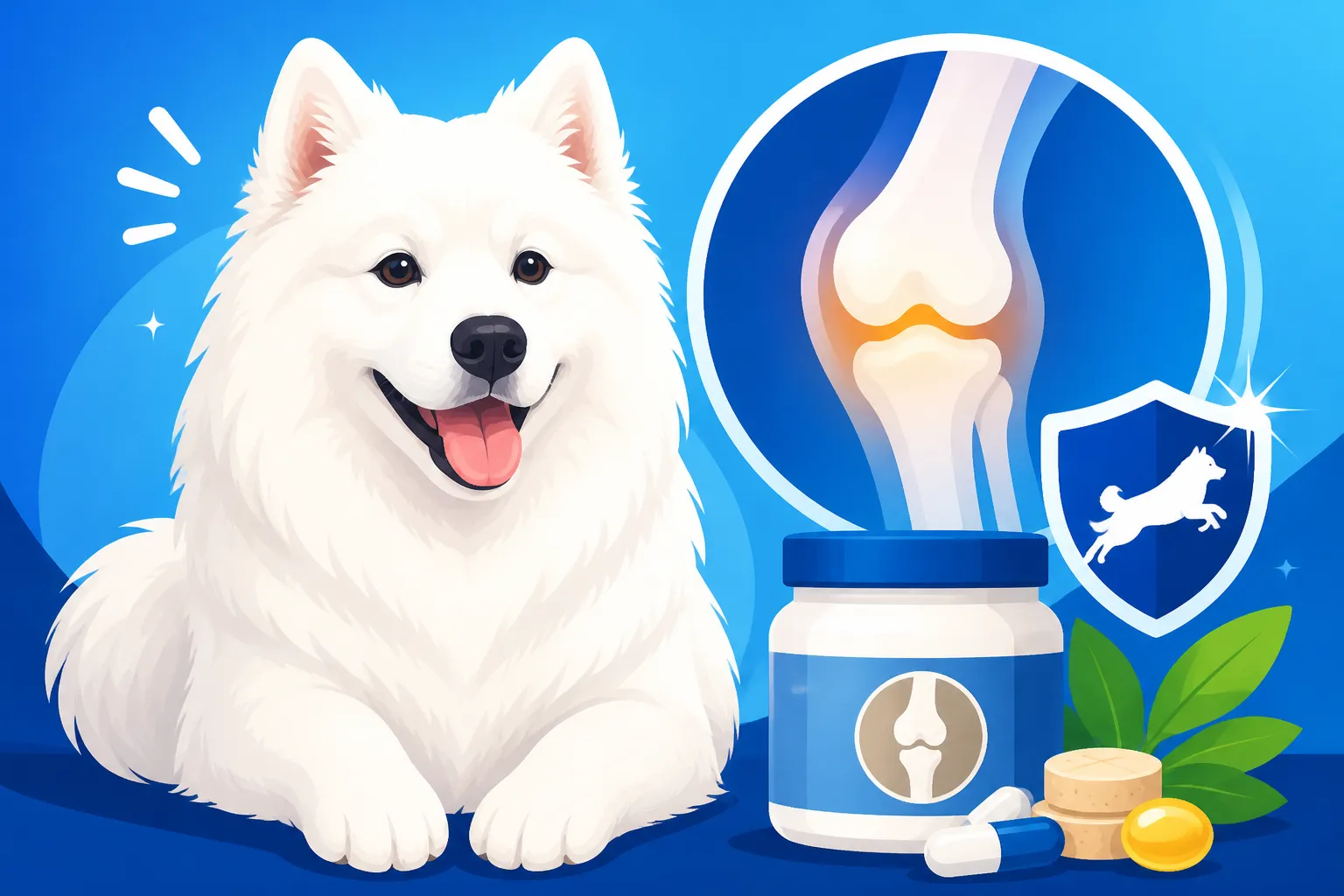
So, with all these challenges, where do joint supplements fit in? Think of them as nutritional support designed to help maintain joint structure, reduce inflammation, and ease discomfort. They're not a magic cure for genetic conditions or severe injuries, but they can significantly improve the quality of life for many Samoyeds, either proactively or reactively.
For a young Samoyed from lines known for good joint health, or one that has been certified clear of hip and elbow dysplasia, preventative supplementation can still be a wise choice. It's about providing the building blocks for healthy cartilage and maintaining optimal joint fluid before issues arise. For a Samoyed diagnosed with early-stage dysplasia or one showing the first subtle signs of aging stiffness, supplements can help slow the progression of degenerative changes and manage pain.
It’s important to remember that these aren't medications in the traditional sense, but rather nutraceuticals. This means they often work synergistically, and their effects can be cumulative over time. You typically won't see an overnight miracle, but rather a gradual improvement in mobility, reduced stiffness, and a more comfortable demeanor over weeks or months. This is why consistency is key. When considering any long-term health strategy, it's wise to look into pet insurance options early on. Companies like Healthy Paws can provide peace of mind by helping cover ongoing vet costs, though it's important to understand what their policies cover regarding pre-existing conditions.
Key Ingredients and Their Benefits
When you start looking at joint supplements, the sheer number of ingredients can be overwhelming. Let's break down the most common and effective ones you'll encounter and what they do for your Samoyed's joints.
-
Glucosamine: This is perhaps the most famous joint supplement ingredient. Glucosamine is an amino sugar that plays a crucial role in building and repairing cartilage, the cushion between bones in a joint. It helps to stimulate the production of proteoglycans and collagen, which are essential components of healthy cartilage. For a Samoyed, consistent glucosamine supplementation can help maintain the integrity of their joint cartilage, making it more resilient to daily wear and tear. It also has mild anti-inflammatory properties, which can help reduce swelling and discomfort. You'll often see it as Glucosamine Hydrochloride (HCl) or Glucosamine Sulfate.
-
Chondroitin Sulfate: Often paired with glucosamine, chondroitin works to inhibit the enzymes that break down cartilage in the joints. It also helps to maintain the elasticity of cartilage and promotes water retention within the cartilage, which is vital for its cushioning ability. Think of it as a defensive player, protecting the cartilage from further damage. Together, glucosamine and chondroitin are a powerful duo, providing both building blocks and protective measures for your Samoyed's joints.
-
MSM (Methylsulfonylmethane): This is a natural sulfur compound found in many foods. In supplements, MSM is known for its strong anti-inflammatory and pain-relieving properties. It helps reduce nerve impulses that transmit pain, and it also supports the formation of healthy connective tissue like cartilage and ligaments. For a Samoyed dealing with existing stiffness or discomfort, MSM can offer noticeable relief, making movements smoother and less painful.
-
Omega-3 Fatty Acids (EPA & DHA): You might know Omega-3s from fish oil, and they are absolutely fantastic for joint health, among many other benefits. EPA (eicosapentaenoic acid) and DHA (docosahexaenoic acid) are potent anti-inflammatory agents. They work by modulating the body's inflammatory response, which means they can help reduce the chronic inflammation associated with arthritis and other joint conditions. This isn't just about pain relief; reducing inflammation helps protect the joint from further damage. Look for high-quality fish oil supplements (like those from salmon, anchovy, or sardine) or green-lipped mussel extract, which is a natural source of these fatty acids, along with glucosamine and chondroitin.
-
Hyaluronic Acid (HA): This is a key component of synovial fluid, the lubricating fluid found in joints. HA acts like a shock absorber and lubricant, allowing bones to glide smoothly over each other. Supplementing with HA can improve the viscosity of this fluid, reducing friction and enhancing joint function.
-
Green-Lipped Mussel (GLM): Hailing from New Zealand, this superfood is a powerhouse for joint health. It naturally contains a synergistic blend of glucosamine, chondroitin, omega-3 fatty acids (especially a unique form called ETA, which is a super-anti-inflammatory), and various vitamins and minerals. It's an excellent all-in-one option that many Samoyed owners find effective.
These ingredients work together, often more effectively in combination than individually, to provide comprehensive support for your Samoyed's joints.
What Science Says About Efficacy
It’s completely normal to be skeptical about supplements. We all want what's best for our Samoyeds, and that means looking for evidence-based solutions. While supplements are not regulated by the FDA in the same way pharmaceuticals are, a significant body of scientific research supports the use of ingredients like glucosamine, chondroitin, and omega-3 fatty acids for canine joint health.
Numerous studies, including those published in veterinary journals, have demonstrated that these nutraceuticals can effectively reduce pain, improve mobility, and slow the progression of osteoarthritis in dogs. For instance, research consistently shows that omega-3 fatty acids, particularly EPA, significantly decrease inflammatory markers and improve lameness scores in dogs with arthritis. Glucosamine and chondroitin have been shown to help rebuild cartilage components and protect against further degradation, which is critical for breeds prone to Arthritis in an Older Samoyed.
However, it's crucial to understand a few things. Firstly, not all supplements are created equal. The quality and bioavailability of ingredients can vary wildly between brands. Look for products that clearly state the amount of each active ingredient and are from reputable manufacturers with good manufacturing practices (GMP) certification. Secondly, the effects are typically gradual. Don't expect your Samoyed to be running like a puppy overnight. It can take several weeks, sometimes even 6-8 weeks, to see noticeable improvement. This is because these ingredients work by supporting the body's natural healing and maintenance processes, which take time. Finally, supplements are most effective as part of a holistic approach to joint care, alongside appropriate exercise, weight management, and regular veterinary check-ups. They are not a standalone cure for severe conditions but rather a vital component of a comprehensive management plan. Your vet is the best person to guide you through the available options and help you choose the right supplement regime for your Samoyed.
Choosing and Administering Joint Supplements
Navigating the world of joint supplements can feel like a minefield with so many options out there. But making an informed choice is critical for your Samoyed's health and comfort. It's not just about picking the first product you see; it's about finding one that's high-quality, effective, and safe for your specific companion.
The first and most important step is to consult your veterinarian. Seriously, this isn't just a suggestion; it's a necessity. Your vet knows your Samoyed's medical history, current health status, and any pre-existing conditions. They can accurately assess if your Samoyed actually needs a joint supplement, what type would be most beneficial, and what dosage is appropriate. They can also rule out other underlying health issues that might be mimicking joint pain, which is especially important given that Samoyeds often mask discomfort. Perhaps the stiffness is due to a neurological issue or something else entirely. Your vet can provide tailored recommendations and advise on potential interactions with any other medications your Samoyed might be taking.
Once you have your vet's recommendation, you'll need to consider the product itself. Look for reputable brands that have undergone third-party testing. This means an independent lab has verified that the ingredients listed on the label are actually in the product, and in the stated amounts, and that it's free from contaminants. Websites like the National Animal Supplement Council (NASC) have a quality seal that indicates a product meets certain standards. Consider the form of the supplement – chews, powders, or liquids. Some Samoyeds are pickier than others! A tasty chew might be easier to administer than trying to sprinkle powder on a meal they then refuse. Also, check for the specific concentrations of active ingredients like glucosamine and chondroitin. A higher concentration might mean your Samoyed needs fewer doses, which can be more convenient.
When to Start and Dosage Considerations
Deciding when to start giving your Samoyed joint supplements is a common question, and it really depends on your dog's age, breed predisposition, and current health status.
Proactive Approach: For Samoyeds from lines known to be prone to conditions like hip or elbow dysplasia, or those that are highly active in sports like sledding or agility, many vets recommend starting joint supplements proactively around 1-2 years of age. This provides support to their developing and working joints before significant wear and tear occurs. It's like building a strong foundation. Even if your Samoyed has pristine joint health, these supplements can help maintain that health long-term, potentially delaying the onset of age-related Arthritis in an Older Samoyed.
Reactive Approach: If your Samoyed is already showing subtle signs of joint stiffness, such as being slower to get up, hesitating before jumping, or showing a slight limp after exercise, it's definitely time to consult your vet about starting supplements. For older Samoyeds, almost universally, joint supplements can provide significant comfort and improve mobility. As dogs age, the natural production of joint-supporting compounds decreases, and wear and tear accumulates. Supplements can replenish these vital components and help manage the discomfort that comes with getting older.
Dosage: This is where your veterinarian's guidance is paramount. Supplement dosages are typically based on your Samoyed's weight. However, some conditions might warrant a higher "loading dose" for the first few weeks to build up therapeutic levels in the body, followed by a maintenance dose. It's crucial to follow the dosage instructions provided by your vet or on the product label precisely. Giving too little might not provide any benefit, and giving too much, while generally safe with these types of supplements, can sometimes lead to mild digestive upset or simply be a waste of money. Never assume that more is better. Stick to the recommended amounts to ensure efficacy and safety.
Reputable Brands and Product Forms
Choosing a reputable brand and the right product form can make all the difference in consistent supplementation and seeing results for your Samoyed.
Reputable Brands: When it comes to something as important as your Samoyed's health, don't just grab the cheapest option off the shelf. Look for brands that are transparent about their ingredients, manufacturing processes, and testing. Brands that voluntarily participate in organizations like the National Animal Supplement Council (NASC) often display a quality seal, which indicates they adhere to strict quality control standards. Some well-regarded brands in the pet joint supplement market include Cosequin, Dasuquin, Phycox, and Zesty Paws. These companies typically invest in research and development and produce high-quality ingredients. While pet insurance typically doesn't cover supplements as a preventative measure, if your Samoyed has a diagnosed joint condition, some policies from providers like Healthy Paws might help with prescription joint medications or other forms of treatment. Always check your specific policy details.
Product Forms: Samoyeds can be quite discerning, so finding a form they'll readily accept is key:
- Chewable Tablets or Soft Chews: These are often the easiest and most popular option. Many are flavored to be palatable, making them seem like a treat. This can significantly reduce the struggle of administering a daily supplement. Look for soft chews if your Samoyed has dental issues or prefers a softer texture.
- Powders: Powders can be mixed directly into your Samoyed's food. This is a good option for picky eaters who might detect a chewable supplement or for dogs that are on a specific diet. Just make sure the powder is thoroughly mixed in, so your Samoyed doesn't leave any behind.
- Liquids: Liquid supplements can also be mixed into food or given directly via a syringe. They offer precise dosing and can be absorbed quickly. This might be ideal for very finicky eaters or dogs that struggle with chewing.
Before committing to a large container, sometimes you can find smaller trial sizes or individual samples to see if your Samoyed likes the taste and texture. Consistency is crucial for these supplements to work, so finding a form that your Samoyed readily accepts will set you up for success.
| Ingredient | Primary Benefit | Anti-inflammatory | Cartilage Support | Pain Relief |
|---|---|---|---|---|
| Glucosamine | Cartilage repair & synthesis | Moderate | High | Low |
| Chondroitin Sulfate | Inhibits cartilage breakdown, maintains elasticity | Moderate | High | Low |
| MSM | Reduces inflammation, supports connective tissue | High | Moderate | High |
| Omega-3 Fatty Acids | Powerful anti-inflammatory, joint lubrication | High | Low | Moderate |
| Hyaluronic Acid | Improves synovial fluid lubrication, shock absorber | Low | Moderate | Low |
| Green-Lipped Mussel | Comprehensive, natural blend of above | High | High | Moderate |
Integrating Joint Supplements into a Holistic Care Plan
Joint supplements are powerful tools, but they work best when they're part of a broader, holistic approach to your Samoyed's overall well-being. Think of it as a team effort, where each component supports the others to maximize comfort and mobility. Just giving a supplement without addressing other aspects of care might only provide partial relief.
The foundation of good joint health for your Samoyed begins long before you even consider supplements. It starts with early life care. During puppyhood, controlled exercise is paramount. Avoiding excessive jumping, long runs, or strenuous activity on hard surfaces can protect developing joints. Remember, their bones and growth plates are still maturing. Proper nutrition during this critical growth phase also plays a significant role. Making sure your Samoyed maintains a healthy weight throughout its life is arguably the most crucial factor. Every extra pound increases stress on their joints, accelerating wear and tear and worsening conditions like arthritis. Regular exercise tailored to their age and condition helps build strong muscles that support the joints, but equally important is understanding how much exercise a Samoyed needs and avoiding overexertion.
As your Samoyed gets older, their needs will change. Caring for a Samoyed Past Nine involves more than just joint supplements. It means providing comfortable, orthopedic bedding, considering ramps for cars or furniture, and keeping an eye on their weight and activity levels. Physical therapy, hydrotherapy (swimming), and acupuncture can also be incredibly beneficial for Samoyeds with existing joint issues, working synergistically with supplements to reduce pain and improve range of motion. Medications prescribed by your vet, such as NSAIDs (non-steroidal anti-inflammatory drugs), might also be necessary during flare-ups or for managing chronic pain. The combination of dietary supplements, appropriate exercise, weight management, and veterinary care creates a comprehensive strategy that gives your Samoyed the best chance at a long, comfortable, and joyful life.
Lifestyle Adjustments and Environmental Support
Beyond supplements and veterinary care, making practical adjustments to your Samoyed's daily life and environment can significantly impact their joint comfort and overall mobility. These small changes can add up to a big difference in their quality of life.
Weight Management: We can’t stress this enough. A lean Samoyed is a comfortable Samoyed. Work with your vet to determine your dog's ideal weight and commit to a consistent feeding and exercise plan. Even if your Samoyed has a thick coat that hides their true body condition, you should be able to feel their ribs easily without pressing hard, and they should have a discernible waist when viewed from above. If you're struggling to manage their weight, discuss dietary changes or portion control strategies with your vet.
Controlled Exercise: While Samoyeds are active, intense, high-impact activities might need to be modified, especially for older dogs or those with known joint issues. Focus on low-impact exercises like walking on soft surfaces (grass, trails) or swimming. Swimming is fantastic because it provides excellent muscle conditioning without any impact on the joints. Avoid activities that involve sharp turns, abrupt stops, or extensive jumping. Short, frequent walks can be better than one long, strenuous outing. Remember, even a Samoyed who loves to run might need you to be the "bad guy" and limit their activity if it causes them pain later.
Environmental Modifications: Look around your home with your Samoyed's joints in mind.
- Flooring: Slippery floors (tile, hardwood) can be incredibly challenging and even dangerous for dogs with weak or painful joints. They can slip, strain muscles, and exacerbate joint pain. Lay down non-slip rugs, carpet runners, or use paw grips to provide better traction, especially in high-traffic areas.
- Access: Consider ramps for accessing cars, beds, or even stairs, especially for senior Samoyeds. Jumping up and down puts immense stress on their spine and limb joints. A simple ramp can save them from unnecessary pain and injury.
- Bedding: Provide orthopedic beds that offer firm, supportive cushioning. These beds distribute weight evenly and relieve pressure points, allowing your Samoyed to rest comfortably without aggravating their joints. Memory foam beds are often an excellent choice.
- Stairs: If you have many stairs, try to limit your Samoyed's access, or carry them if they are small enough, especially during puppyhood. Keeping a Samoyed Puppy Off Stairs can help protect their developing joints.
By implementing these practical changes, you're not just giving supplements; you're creating an environment that actively supports your Samoyed's joint health and makes their daily life more comfortable.
Physical Therapy and Complementary Therapies
When joint issues become more pronounced, or even as a preventative measure for highly active Samoyeds, physical therapy and complementary therapies can be incredibly effective alongside supplements. These approaches focus on improving mobility, strengthening supporting muscles, and managing pain in a non-pharmacological way.
Veterinary Physical Therapy: This is much like physical therapy for humans. A certified veterinary rehabilitation therapist will assess your Samoyed's gait, range of motion, and muscle strength. They'll then develop a personalized exercise plan that might include:
- Therapeutic Exercises: Specific movements and stretches designed to improve flexibility, strengthen core muscles, and build endurance without stressing painful joints. This can involve balance boards, cavaletti poles, or simply guided stretches.
- Hydrotherapy (Underwater Treadmill or Swimming): This is a fantastic option for Samoyeds. The buoyancy of the water reduces weight-bearing stress on the joints, allowing them to exercise muscles and improve range of motion with less pain. It's especially beneficial for dogs recovering from surgery or those with severe arthritis.
- Massage: Gentle massage can improve circulation, reduce muscle tension, and alleviate pain around affected joints.
- Therapeutic Ultrasound or Laser Therapy: These modalities use sound waves or light energy to promote healing, reduce inflammation, and decrease pain at a cellular level.
Acupuncture: Derived from traditional Chinese medicine, acupuncture involves inserting thin needles into specific points on the body. For dogs, it's increasingly recognized as an effective treatment for chronic pain, including that associated with arthritis. It can help release natural pain-relieving chemicals (endorphins) and improve blood flow. Many Samoyeds tolerate acupuncture very well, often becoming quite relaxed during sessions.
Chiropractic Care: Similar to human chiropractic, veterinary chiropractors focus on restoring proper alignment to the spine and other joints. Misalignments can lead to nerve impingement and compensatory pain in other parts of the body. Ensuring proper spinal and joint mechanics can reduce stress on the major load-bearing joints.
These therapies, when combined with high-quality joint supplements and appropriate pain management from your veterinarian, can offer a truly comprehensive approach to keeping your Samoyed mobile and comfortable. While pet insurance providers like Healthy Paws may not cover alternative therapies universally, some plans offer coverage for rehabilitation and specific complementary treatments if prescribed by a veterinarian, so it's always worth checking your policy.
Disclaimer
This article is intended for informational purposes only and does not constitute veterinary advice. Always consult with a qualified veterinarian for any health concerns or before making any decisions about your Samoyed's medical care, diet, or supplement regimen. Individual results from supplements can vary, and what works for one dog may not work for another.