What Treats Cost a Samoyed Owner in Training
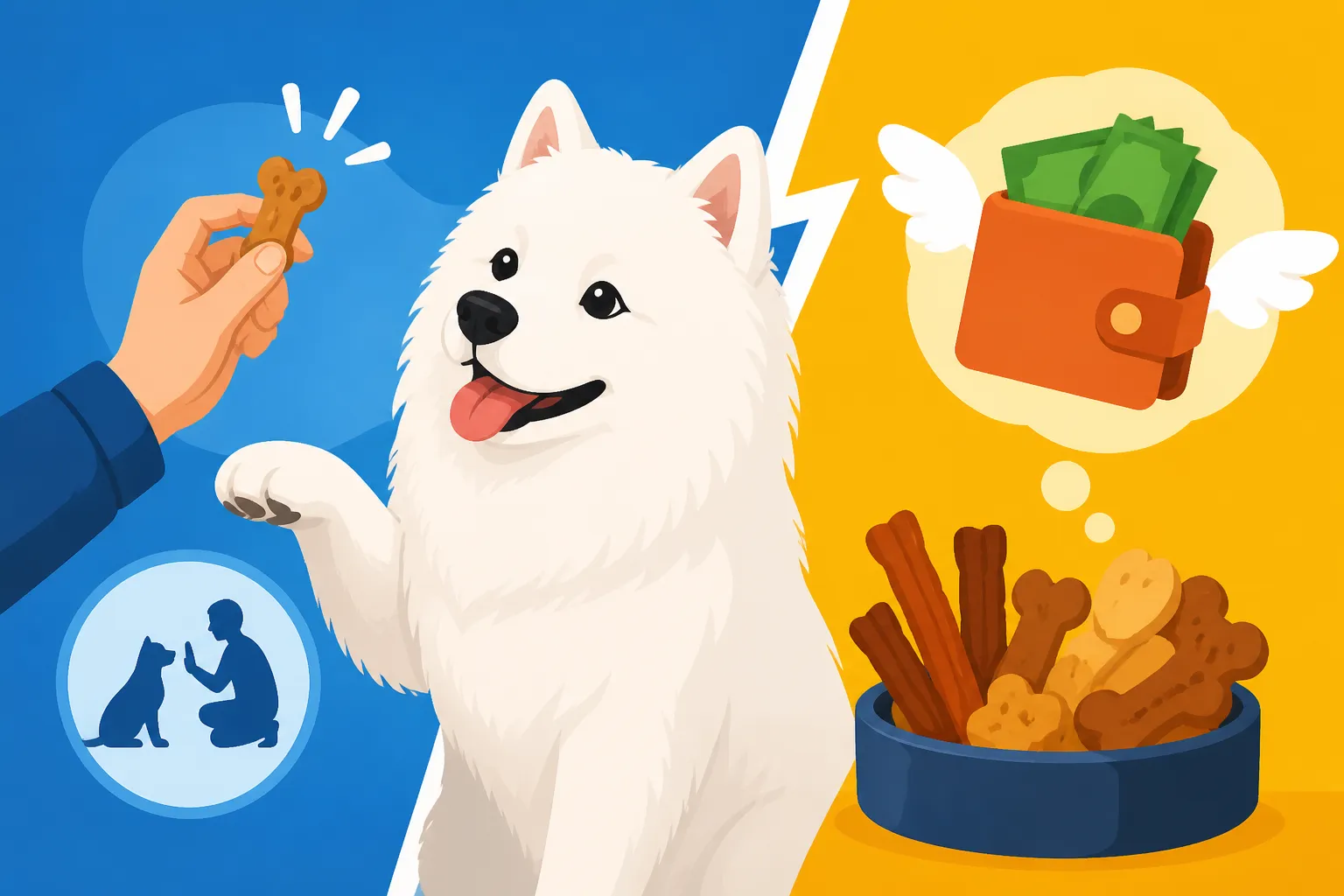
Bringing home a Samoyed puppy is a joyous occasion, full of fluffy cuddles and endless potential. But as you quickly discover, training this intelligent, independent, and sometimes stubborn breed requires a significant amount of motivation, and for a Samoyed, that often means high-value treats. The sticker shock of continuous treat purchases can be a real jolt, and many owners find themselves wondering just how much they'll be shelling out to keep their furry cloud engaged in learning. This guide will help you understand the true cost of treats for training your Samoyed, explore various options, and offer strategies to manage your budget without sacrificing your dog's progress.
The Essential Role of High-Value Treats in Samoyed Training
Anyone who has shared their life with a Samoyed knows they are bundles of joy, but they also come with a strong sense of self-preservation and an opinion on everything. Unlike some breeds that live to please, a Samoyed often operates on a "what's in it for me?" philosophy. This isn't stubbornness, exactly, but a deep-seated intelligence and an independent spirit rooted in their ancient sledding and herding heritage. They weigh the value of your request against the environmental distractions and their own desires. This is where high-value treats become absolutely indispensable.
Why Your Samoyed Needs More Than Just Kibble
Imagine trying to convince a teenager to do chores with a pat on the head or a bland cracker. It's just not going to cut it, right? The same often goes for a Samoyed. While kibble might work for basic obedience in a quiet living room, the moment you step outside or introduce any novel stimuli – a squirrel, a passing car, another dog – that kibble suddenly becomes invisible. Your Samoyed's focus shifts, and your voice might as well be the wind whistling through their double coat.
High-value treats are like currency in your Samoyed's world. They act as powerful motivators, cutting through distractions and grabbing their attention when nothing else will. These aren't just snacks; they're vital communication tools that say, "This is important! This is worth stopping for! This is better than chasing that leaf!" Without them, especially in the early stages of training or when working on challenging behaviors like reliable recall (a classic Samoyed struggle!), progress can be agonizingly slow, if it happens at all. Remember, you're investing in a well-adjusted, responsive companion, and the treats are a key part of that investment. They help build positive associations with learning and reinforce the bond between you and your fluffy friend. Training a Samoyed That Finds Obedience Negotiable is a real challenge that high-value treats can help overcome.
The Spectrum of Treat Value and Why it Matters
Not all treats are created equal in the eyes (or nose!) of a Samoyed. It's helpful to think of treats on a spectrum, from low-value to jackpot rewards. Understanding this hierarchy allows you to be strategic with your spending and ensure you're using the right level of motivation for the task at hand.
- Low-Value Treats: These are your everyday, run-of-the-mill treats. Often dry, crunchy, and not particularly smelly. Think plain kibble, small biscuits, or dried training pellets. They're great for reinforcing known behaviors in low-distraction environments, like practicing "sit" in the kitchen or rewarding a calm "down-stay" while you're reading. They're efficient for high-repetition drills where you don't want to overfeed rich foods.
- Medium-Value Treats: These step it up a notch. They might be slightly softer, a bit more aromatic, and definitely more exciting than kibble. Small pieces of commercial soft training treats, certain fruits or vegetables like apple slices (seedless) or baby carrots, or even a piece of their favorite dry dog food if it's a step above their regular kibble. Use these for introducing new, easy cues, or for maintaining focus during a slightly more distracting training session indoors.
- High-Value Treats: This is where the magic happens for Samoyeds. These are soft, smelly, and utterly irresistible. Cooked chicken breast, bits of cheese, hot dogs, liverwurst, or premium freeze-dried meats often fall into this category. These are your go-to for teaching new, challenging commands, practicing in distracting outdoor environments, or when you need to really break through and capture their attention. A reliable "come" when there's a squirrel in sight? You'll need high-value. This is also where the costs can really start to add up, as these treats tend to be more expensive per ounce.
- Jackpot Rewards: The crème de la crème! A jackpot treat isn't just a high-value treat; it's multiple high-value treats, delivered rapidly, or one exceptionally large, delicious piece. You pull out the jackpot when your Samoyed does something truly phenomenal, like finally mastering a difficult skill, offering a spontaneous, perfect recall from a tempting situation, or overcoming a major fear. It makes a lasting impression and tells them, "THAT was amazing! Do that again!"
By varying your treat delivery, you keep your Samoyed guessing and excited. Don't always give the best stuff for the easiest tasks; reserve those high-value rewards for when they truly earn them. This strategy not only makes your treats more impactful but also helps you conserve your more expensive options.
Breaking Down the Costs: Different Types of Training Treats
When you embark on training your Samoyed, you'll find a dizzying array of treats available. Each type comes with its own price point, ingredients, and level of appeal to your fluffy companion. Understanding these options is key to making informed decisions that fit both your budget and your Samoyed's training needs.
Commercial Training Treats
The pet store aisles are overflowing with commercial training treats designed specifically for dog training. These come in various forms and qualities, and their cost can vary dramatically.
- Soft & Chewy Bites: These are often small, moist, and pungent, making them very appealing for training. Brands like Zuke's Mini Naturals or Wellness Soft Puppy Bites are popular choices. They're easy to break into even smaller pieces, which helps stretch them further. The cost per bag might seem reasonable, but if you're using them frequently, you'll be cycling through bags quickly. Look for options with limited, wholesome ingredients. A general rule of thumb is that the higher the quality of ingredients (e.g., real meat as the first ingredient), the higher the price. You can often find a good selection of these on sites like Chewy, allowing you to compare options and read reviews from other dog owners.
- Crunchy Biscuits & Freeze-Dried Options: Crunchy treats can work for low-value rewards, but they tend to be less exciting for a Samoyed in a distracting environment. Freeze-dried meat treats (like liver or chicken) are fantastic high-value options, offering intense flavor and aroma in a lightweight form. They are often more expensive per ounce than soft chews but can be very effective due to their potency. They're excellent for breaking into tiny pieces to maximize their use.
- Ingredient Quality and Cost: The quality of ingredients plays a huge role in the price. Treats made with human-grade ingredients, single-protein sources, or without artificial colors, flavors, or preservatives will generally cost more. However, for a breed like the Samoyed, known for potentially sensitive stomachs and a need for high motivation, investing in better quality can be worthwhile. Cheaper treats might be full of fillers that offer little nutritional value and might not be as enticing. It's a balance between cost, palatability, and health considerations.
Human-Grade or Fresh Food Treats
Many Samoyed owners turn to human-grade foods as high-value treats, and for good reason. They are often incredibly appealing, natural, and you have complete control over the ingredients.
- Kitchen Staples: Cooked, plain chicken breast (shredded or diced), small cubes of cheese (cheddar, mozzarella), hot dogs (cut into tiny pieces), boiled eggs, or even plain Greek yogurt (in small licks) are incredibly motivating for most Samoyeds. The cost here depends on your grocery bill, but often, buying a large pack of chicken breasts and cooking it yourself can be more cost-effective per serving than buying pre-packaged high-value dog treats. You can also quickly whip these up from leftovers or ingredients you already have on hand. Just be absolutely sure to avoid ingredients toxic to dogs, such as onions, garlic, grapes, xylitol, and chocolate.
- Fresh Food Subscription Services: For those looking for convenience and consistently high-quality, human-grade food that can double as incredibly appealing treats, services like Ollie are becoming a popular choice. While their primary offering is complete meals, the fresh, minimally processed nature of their food means a small portion can be incredibly motivating for training. Imagine cutting a few cubes of gently cooked beef or chicken from their regular meal to use as a jackpot reward. This can be more cost-effective than buying specialized, expensive high-value treats, as you're already paying for quality food. It offers a consistent, healthy, and highly desirable treat option that your Samoyed will absolutely adore.
- Benefits and Drawbacks: The main benefit is the sheer motivational power and the knowledge of exactly what your Samoyed is consuming. The drawbacks include the need for preparation (cooking, cutting) and storage (they often need refrigeration) and a potentially shorter shelf life compared to dry commercial treats. However, for a Samoyed that needs that extra push, the benefits often outweigh these minor inconveniences.
DIY and Budget-Friendly Options
If you're on a tighter budget or simply enjoy being creative, making your own treats can be a fantastic way to control costs and ingredients.
- Homemade Dehydrated Treats: Buying lean cuts of meat (chicken, beef, liver) and dehydrating them at home can produce incredibly potent, long-lasting, and cost-effective treats. A food dehydrator is a one-time investment, and then you're just paying for the raw ingredients. These are typically very high-value due to their intense smell and flavor.
- Baked Treats: There are countless recipes online for homemade dog biscuits using simple ingredients like flour, peanut butter, pumpkin, or oats. While these tend to be lower value than meat-based options, they can still be great for everyday reinforcement. The cost is primarily for the ingredients and your time.
- Amping Up Kibble: Don't underestimate the power of making your Samoyed's regular kibble more appealing. Soaking a handful of kibble in low-sodium chicken or beef broth for 10-15 minutes can transform it into a much more interesting, slightly softened, and smellier treat. You can also mix a tiny dab of peanut butter (xylitol-free!) or plain yogurt with kibble in a small container to create a very enticing, low-cost training mixture. This is particularly useful for low-distraction training moments or when you need a high volume of rewards without adding too many calories. What Kibble Costs for a Samoyed is a separate budget item, but integrating it into training can save a lot on treats.
Managing Your Treat Budget Without Compromising Training
It's easy to get overwhelmed by the thought of constantly buying expensive treats for your Samoyed. But with a few smart strategies, you can keep your training effective and your wallet happier. Think of treat management as another aspect of responsible Samoyed ownership, just like regular grooming to manage that magnificent coat or understanding The Samoyed Scream and Why It Is Not Barking.
Strategies for Smart Treat Spending
Being mindful of how and what you buy can make a big difference in your monthly treat expenditure.
- Buy in Bulk: For commercial treats, especially those you use frequently, buying larger bags or tubs is almost always more cost-effective in the long run. Look for multi-packs or family-sized options. Many online retailers like Chewy offer bulk discounts or subscription services that can save you money. Just be sure to check expiration dates and store them properly to maintain freshness.
- Look for Sales and Discounts: Keep an eye out for sales at your local pet store or online. Sign up for newsletters from your favorite pet food brands or retailers. Sometimes, a "buy one, get one half off" deal can significantly reduce your per-treat cost. Store loyalty programs can also offer points or discounts that add up over time.
- Portion Control is Key: This is perhaps the most crucial strategy. Samoyeds don't need a whole biscuit for every correct response. For most training purposes, a pea-sized piece of a high-value treat is more than enough to convey your approval. Cut hot dogs, chicken, or cheese into tiny cubes. Break soft training treats into three or four pieces. A small amount of a truly desirable treat is far more effective than a large amount of something mediocre. This not only saves money but also prevents overfeeding and helps maintain your Samoyed's healthy weight. Why a Samoyed Owner Must Watch Its Weight Closely is always important, and treats are often overlooked in daily calorie intake.
- Rotate Treats for Novelty and Value: Don't stick to just one type of high-value treat forever. Your Samoyed might get bored, or the "value" of that treat could diminish over time. By rotating through a few different high-value options – chicken one week, cheese the next, maybe some Ollie fresh food bits the week after – you keep your Samoyed excited and engaged. This can also prevent you from overspending on one particular brand or type of treat that might be pricier.
- Leverage Lower-Value Treats: As your Samoyed masters a command, gradually start mixing in lower-value treats alongside the high-value ones. For example, after 3-4 successful "sits" with chicken, try one with a piece of kibble, then back to chicken. The intermittent reinforcement keeps them guessing and working hard, while reducing your reliance on the more expensive items.
The Long-Term Investment in Training
While the ongoing cost of treats might feel like a drain on your finances, it's vital to view it as an investment – perhaps one of the best investments you'll make in your Samoyed's life. A well-trained Samoyed is a joy to live with, a safer companion in public, and less likely to develop expensive behavioral issues down the line.
Consider the alternative: a Samoyed that hasn't been properly motivated and trained could develop problems like incessant barking, destructive chewing, or unreliable recall, leading to damaged property, frustrated neighbors, or even dangerous situations. Addressing these issues later on often involves professional trainers or behaviorists, which can be far more costly than a lifetime of judiciously chosen treats. The strong bond and clear communication fostered through positive reinforcement training with treats are priceless. Over time, as your Samoyed learns and matures, you'll find you can reduce your reliance on treats for every single behavior, transitioning to verbal praise, play, or life rewards (like opening the door for a walk).
Furthermore, ensuring your Samoyed's overall health helps protect your training investment. While pet insurance like Healthy Paws won't cover treats, it can certainly help with unexpected veterinary bills from accidents or illnesses, which could otherwise derail your training efforts or put a strain on your budget for other essential items. Taking proactive steps for your Samoyed's wellbeing, including smart training, saves money and heartache in the long run.
Here's a quick comparison of various treat types to help you visualize your options:
| Treat Type | Typical Value (Samoyed Perspective) | Cost Consideration (per serving) | Pros | Cons |
|---|---|---|---|---|
| Kibble | Low | Very Low | Already on hand, calorie-controlled | Low appeal, easily ignored, not for distractions |
| Commercial Dry Biscuits | Low-Medium | Low | Shelf-stable, widely available | Less motivating, often contain fillers |
| Commercial Soft Chews | Medium-High | Medium | Easy to portion, good aroma, convenient | Can be pricier, check ingredients for quality |
| Freeze-Dried Meats | High-Jackpot | High | Extremely palatable, intense aroma, light | Most expensive per ounce, can be crumbly |
| Cooked Chicken/Meat | High-Jackpot | Medium-High (DIY cheaper) | Very high appeal, natural, no fillers | Requires prep, refrigeration, shorter shelf life |
| Cheese/Hot Dogs | High | Medium | Easy to cut, very appealing, convenient | High fat/sodium, use sparingly, refrigeration needed |
| Fresh Food Services | High-Jackpot | Medium-High (portioning) | Top-tier quality, excellent palatability | Primarily full meal, requires refrigeration |
| Homemade Dehydrated | High-Jackpot | Medium (DIY after equipment) | Customizable, high appeal, shelf-stable | Requires dehydrator, prep time |
Ultimately, finding the right balance of treat types for your Samoyed’s training needs and your budget involves a bit of experimentation. Some Samoyeds are motivated by unusual things, so don't be afraid to try different flavors and textures. The goal is to keep them engaged, happy, and learning, reinforcing that amazing bond you share. This investment in their early years will pay dividends in a lifetime of companionship.
Disclaimer
This article is for general informational purposes only and does not constitute professional advice. Laws, prices and regulations vary by location and change over time. Consult a qualified professional for guidance on your specific situation.