What Adopting a Samoyed Costs Instead of Buying One
You've fallen in love with the Samoyed's bright smile and fluffy coat, and who can blame you? But then you start looking into prices, and the numbers from reputable breeders can feel like a punch to the gut. It's easy to get discouraged, wondering if owning one of these magnificent dogs is simply out of reach. This guide is here to walk you through the realistic costs and often overlooked benefits of adopting a Samoyed through a rescue organization, offering a path to bringing a beloved "Sammy" into your home without the initial breeder price tag.
The Initial Sticker Shock: Why Buying a Samoyed Can Be Prohibitive
The desire for a Samoyed is often met with the stark reality of their price point. Buying a Samoyed puppy from a responsible, health-testing breeder isn't just about paying for a cute ball of fluff; it's an investment in generations of careful breeding, health clearances, and early socialization. But for many aspiring owners, that initial cost can be a significant barrier, leading them to explore other avenues, sometimes with unforeseen consequences.
Understanding Breeder Costs and What They Include
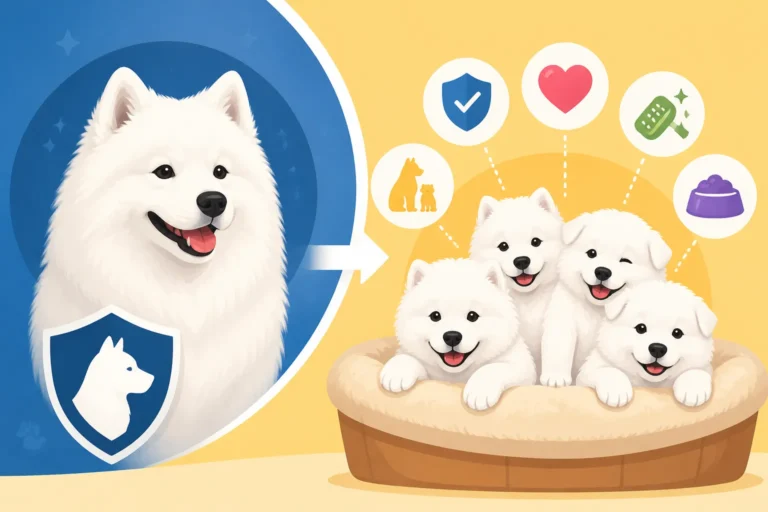
When you see a price tag for a Samoyed puppy from a dedicated breeder, it's not arbitrary. That figure typically covers extensive health testing for both parents, including screenings for conditions like hip and elbow dysplasia, eye diseases such as Progressive Retinal Atrophy in a Samoyed or Retinal Dysplasia in a Samoyed, and crucial cardiac clearances like those for Aortic Stenosis in a Samoyed. Beyond these physical examinations, responsible breeders also invest in DNA testing for genetic conditions, like the one associated with The Kidney Disease That Kills Samoyed Males Before Fifteen Months. These tests are expensive, and rightly so, as they help ensure a healthier future for the puppies.
Furthermore, a breeder's costs include proper nutrition for the mother during pregnancy and lactation, veterinary care for the litter, initial vaccinations, deworming, microchipping, and often, early socialization programs that expose puppies to various sights, sounds, and experiences. They spend countless hours cleaning, feeding, and nurturing these puppies, not to mention the time spent screening potential buyers to ensure their puppies go to suitable homes. This comprehensive approach is what truly distinguishes a reputable breeder from a casual seller, but it understandably translates into a higher upfront price for the buyer.
The Pitfalls of "Bargain" Samoyeds
When faced with high breeder prices, it's tempting to look for a "bargain" Samoyed online or through less reputable channels. This is where many well-intentioned people run into significant problems. Often, these lower-priced puppies come from backyard breeders or puppy mills that cut corners on critical health testing, nutrition, and socialization. You might save money upfront, but you could easily end up with a dog facing serious, expensive health issues down the line, or significant behavioral challenges due to a poor start in life.
Imagine bringing home a seemingly inexpensive Samoyed puppy only to discover within a few months that it has severe hip dysplasia, requiring costly surgeries, or that it exhibits extreme anxiety or aggression because it was never properly socialized. These hidden costs, both financial and emotional, far outweigh any initial savings. It’s a classic case of "pay now or pay much, much more later." The allure of a lower price often hides a multitude of potential heartaches and financial burdens that can easily exceed the cost of a responsibly bred puppy, making the idea of adopting a rescue Samoyed even more appealing.
Understanding Samoyed Rescue: More Than Just a Shelter
When you hear "rescue," you might picture a bustling animal shelter, but Samoyed rescue organizations often operate quite differently. These dedicated groups are typically run by passionate volunteers who have a deep understanding of the breed's unique needs and quirks. They work tirelessly to find loving, forever homes for Samoyeds who, through no fault of their own, have found themselves in need.
How Samoyed Rescues Operate
Samoyed rescues don't usually have a physical shelter building brimming with dogs. Instead, they often rely on a network of foster homes where the Samoyeds live as part of a family. This foster-based system is incredibly beneficial because it allows the volunteers to truly get to know each dog's personality, temperament, and specific needs. They can assess how the dog interacts with children, other pets, and various household environments. This invaluable insight helps them make much more informed placement decisions, ensuring a better match between the dog and its new family.
Furthermore, rescues often take in Samoyeds from a variety of situations: owner surrenders due to life changes, strays found by animal control, or even dogs rescued from neglectful situations. These organizations are dedicated to rehabilitating these dogs, providing necessary veterinary care, behavioral training, and emotional support before they are adopted. They are advocates for the breed, ensuring each Samoyed gets a second chance at a happy life, no matter their past.
The Types of Samoyeds Available for Adoption
It's a common misconception that rescue dogs are "damaged goods" or have severe behavioral problems. While some rescue Samoyeds may have specific needs that require an experienced owner, many are simply victims of circumstance. You might find Samoyeds of all ages, from energetic adolescents who proved too much for their previous families, to wise seniors looking for a quiet retirement home. Sometimes, entire litters end up in rescue, or younger adults who were simply "too much dog" for unprepared owners, often due to their high energy or vocal tendencies, which you can learn more about in articles like Why a Samoyed Vocalizes Instead of Barking or The Samoyed Scream and Why It Is Not Barking.
You'll also find Samoyeds with varying degrees of health history. Some might come with pre-existing conditions that the rescue has already started treating, while others are healthy and simply need a new family. What they all share is a need for a patient, understanding, and committed home. Adopting isn't just about giving a dog a home; it's about providing a fresh start, sometimes for a dog that has never known true stability or consistent love.
The Adoption Fee: Your First Financial Commitment
When you adopt a Samoyed, you will pay an adoption fee. This fee is crucial for rescue organizations, as it directly supports their mission and helps cover the costs they incur in caring for the dogs. It's not a profit-making venture, but rather a way to sustain their life-saving work.
What an Adoption Fee Covers
The adoption fee for a Samoyed rescue can vary, but it's typically a fraction of what you'd pay a breeder. Crucially, this fee isn't just for the dog itself; it's a contribution towards the extensive care the rescue has already provided. Most adoption fees cover:
- Veterinary Examination: A full check-up by a licensed veterinarian.
- Spay/Neuter Surgery: Almost all rescues ensure dogs are spayed or neutered before adoption to prevent further unwanted litters.
- Vaccinations: Up-to-date core vaccinations (distemper, parvovirus, rabies, etc.).
- Deworming and Parasite Treatment: Treatment for common internal and external parasites.
- Microchipping: A permanent form of identification, often registered to the rescue for safety.
- Basic Grooming: Many Samoyeds come into rescue with matted coats, requiring professional grooming to get them comfortable and healthy.
- Behavioral Assessment and Training: While not extensive, fosters provide insights into temperament and may work on basic obedience.
You can learn more about What a Samoyed Rescue Charges in detail, but understanding these inclusions highlights the incredible value you receive. The rescue essentially front-loads many of the initial veterinary expenses that you would otherwise pay out-of-pocket for a puppy or a dog from an unknown background. This means you're bringing home a dog that is already medically vetted and prepared for a healthy new beginning.
The Purpose Behind the Fee
It's important to see the adoption fee not as a purchase price, but as a direct donation to the rescue's ongoing efforts. Imagine a Samoyed comes into rescue with severe dental issues, or needs urgent surgery for an injury. The adoption fees from other dogs help cover these significant expenses, allowing the rescue to save even more lives. Without these fees, rescue organizations simply wouldn't be able to provide the comprehensive care that ensures each dog is healthy and ready for a new home.
Beyond the immediate financial aspect, paying an adoption fee also acts as a vetting mechanism. It helps ensure that potential adopters are financially prepared for the responsibilities of pet ownership. Someone unwilling to pay a reasonable adoption fee might not be ready for the routine expenses that come with owning a Samoyed, such as food, grooming, and ongoing veterinary care. It's a small investment in a lifetime of companionship, and it supports a cause that resonates with anyone who loves this breed.
Beyond the Adoption Fee: Essential Costs for Your New Samoyed
While the adoption fee covers many initial vet costs, bringing a new Samoyed into your home, whether adopted or purchased, always involves a series of essential setup expenses. These are the things your Samoyed will need from day one to feel comfortable, safe, and happy in their new environment.
Setting Up Your Home for a Samoyed
Before your adopted Samoyed even walks through the door, you'll need to prepare your home. This includes practical items that ensure both their well-being and your peace of mind.
- Crate and Bedding: A sturdy, appropriately-sized crate is essential for house-training, providing a safe den, and for managing your Samoyed when you can't directly supervise them. Remember, Samoyeds are ingenious escape artists, as discussed in How a Samoyed Gets Out of Anything You Build, so a robust crate is key. Within the crate, comfortable, washable bedding is a must. You'll likely need to invest in durable options, as some Samoyeds love to chew.
- Food and Water Bowls: Stainless steel or ceramic bowls are durable and easy to clean. Consider a slow-feeder bowl if your Samoyed tends to gulp their food, which can help prevent digestive upset.
- Leash, Collar, and Harness: A strong, well-fitting collar with identification tags is paramount. A front-clip harness or a head halter can be incredibly helpful for managing their strength on walks, especially if your adopted Samoyed hasn't had much leash training.
- Safety Gear: Given their propensity for adventure and sometimes selective hearing, a secure fenced yard is highly recommended. If you don't have one, consider the cost of installing one, or invest in a GPS collar for added peace of mind, as explored in Whether a GPS Collar Is Worth It for a Samoyed.
These initial investments create a safe and welcoming space for your Samoyed, helping them adjust more smoothly to their new life. It’s also wise to get these items before your new companion arrives to minimize stress during the transition.
Initial Veterinary Care and Wellness Checks
Even with the comprehensive care provided by a rescue, your new Samoyed will need a "new patient" check-up with your own veterinarian shortly after adoption. This visit is crucial for establishing a baseline for their health and for you to ask any questions specific to their needs.
- Initial Vet Visit: Your vet will conduct a thorough physical examination, review any health records provided by the rescue (and most Whether Rescue Samoyeds Come With Health Records), and discuss vaccination schedules, parasite prevention, and any concerns you might have. This is also an excellent time to get advice on transitioning their food, managing any stress, and establishing a routine.
- Preventative Medications: You'll need to purchase ongoing supplies of flea, tick, and heartworm prevention. These are non-negotiable for protecting your Samoyed's health, regardless of where you live.
- Potential Follow-ups: If your adopted Samoyed has any pre-existing conditions or unknown history, your vet might recommend additional diagnostics, such as blood tests or imaging. Be prepared for these possibilities, as they can add to your initial costs. This is where pet insurance, like plans from Healthy Paws, can be incredibly valuable, helping to mitigate unexpected expenses from day one. It's smart to research options for What Insuring a Samoyed Costs Monthly early on.
It's tempting to think that since the rescue handled so much, your initial vet costs will be zero, but that vital first appointment with your own vet is a foundational step in your Samoyed's long-term health journey.
Food and Initial Supplies
The type and quality of food you choose for your Samoyed will be an ongoing decision, but you'll need to have a supply ready for their arrival.
- High-Quality Dog Food: Samoyeds thrive on good nutrition. Whether you opt for a premium kibble available from retailers like Chewy, a fresh food delivery service like Ollie, or a raw diet, factor in the cost. Your rescue might recommend a specific food to help with the transition, and gradually switching them over is usually best to avoid digestive upset. Learn more about What Feeding a Samoyed Costs Each Month.
- Treats and Chews: Training treats are essential for positive reinforcement and bonding, especially with a rescue dog who might be learning new routines. Long-lasting chews can help keep them occupied and provide mental stimulation.
- Grooming Tools: While your adopted Samoyed might have received initial grooming, maintaining their magnificent double coat requires regular attention. Invest in a good quality slicker brush, an undercoat rake, and a sturdy comb. These are crucial for preventing mats and managing shedding, as detailed in What a Coat Blow Costs at a Samoyed Groomer. You'll want to avoid expensive professional grooming as a regular cost if you can manage it at home.
Having these basics in place not only ensures your Samoyed's comfort but also sets you up for successful integration into your family. Being prepared reduces stress for both you and your new furry family member.
Ongoing Care: Budgeting for a Rescued Samoyed's Lifetime
Adopting a Samoyed isn't a one-time transaction; it's a commitment for The Twelve to Fourteen Years a Samoyed Lives. Beyond the initial adoption fee and setup costs, there are significant ongoing expenses that every responsible owner must budget for. These are the day-to-day and year-to-year costs that ensure your Samoyed lives a healthy, happy, and fulfilling life.
Routine Veterinary Care and Preventative Health
Regular veterinary check-ups are the cornerstone of preventative health for any dog, and Samoyeds are no exception. Even if your rescue Samoyed arrived in perfect health, staying on top of their wellness is crucial.
- Annual Check-ups: These typically include a physical exam, vaccinations (as needed), and sometimes routine bloodwork. For an older Samoyed, your vet might recommend more frequent checks or specific screenings, especially as they enter their senior years, which you can read about in Caring for a Samoyed Past Nine.
- Parasite Prevention: Monthly or quarterly medications for heartworm, fleas, and ticks are vital. These costs add up but are far less expensive than treating the diseases these parasites can cause.
- Dental Care: Dental hygiene is often overlooked but incredibly important. Regular brushing at home, along with professional dental cleanings under anesthesia every few years, can prevent painful dental disease and other systemic health issues. Expect professional cleanings to be a significant vet expense.
- Unexpected Illness or Injury: No matter how healthy your Samoyed is, emergencies can happen. Accidents, sudden illnesses like Bloat in a Samoyed, or chronic conditions such as Diabetes in a Middle Aged Samoyed can result in substantial vet bills. This is precisely why many Samoyed owners consider pet insurance. Plans from providers like Healthy Paws can reimburse a significant portion of these unexpected costs, offering peace of mind when the unthinkable happens. It's worth comparing options to understand What Insuring a Samoyed With Two Known Diseases Costs or any other potential conditions.
Food, Treats, and Nutritional Supplements
Feeding a Samoyed isn't just about filling their bowl; it's about providing consistent, high-quality nutrition that supports their active lifestyle and overall health.
- Quality Diet: As discussed, your chosen food type will dictate much of this cost. A large, active breed like a Samoyed will eat a substantial amount of food each month. Whether it's premium kibble from Chewy, or fresh meals from Ollie, stick to a consistent, balanced diet tailored to their age and activity level. You can explore How Many Cups a Day an Adult Samoyed Eats to get a better sense of volume.
- Training Treats: Even an adult rescue Samoyed benefits immensely from positive reinforcement training, especially as you work on cues and integrate them into your routine. Keep a steady supply of healthy, palatable treats on hand.
- Supplements: Depending on your Samoyed's age and health, your vet might recommend supplements such as joint support, omega-3 fatty acids, or probiotics. These are additional monthly costs to factor into your budget. For example, joint supplements are a common consideration for larger breeds.
Grooming and Coat Maintenance
The Samoyed's iconic white double coat is beautiful but requires diligent care. This isn't just about aesthetics; proper grooming is essential for their health and comfort.
- Brushing: Expect to brush your Samoyed several times a week, and daily during their semi-annual "coat blow" seasons. Investing in a good quality force dryer can cut drying time significantly after baths and helps "blow out" dead undercoat, but it's an upfront cost.
- Bathing: While Samoyeds are remarkably clean dogs, they do need baths, especially if they've rolled in something delightful or gotten particularly muddy. You can learn about How Often a Samoyed Should Be Bathed to keep their coat in top condition. If you opt for professional grooming, these costs can be substantial, as their dense coat requires extensive drying time.
- Nail Trims and Ear Cleaning: Regular nail trims are essential to prevent discomfort and foot problems. Checking and cleaning their ears regularly helps prevent infections, particularly for dogs who enjoy swimming. These can be done at home with proper tools or by a vet or groomer for a fee.
- Shedding Management: Be prepared for substantial shedding. This isn't strictly a cost, but it will impact your home, requiring more frequent vacuuming and potentially air filter changes. Consider it a "cost of living" with a Samoyed! You might even investigate What Selling Samoyed Fur as Yarn Brings In as a unique way to repurpose some of that fluff.
The Intangible Value: Why Adoption is Priceless (and Still Has Costs)
While we've focused heavily on the financial aspects, it's crucial to acknowledge the immense, often unquantifiable value that comes with adopting a Samoyed. Adoption isn't just about saving money; it's about saving a life and gaining a companion whose journey often makes your bond even deeper.
The Rewards of Giving a Second Chance
There's a unique satisfaction that comes from opening your home and heart to a dog in need. A rescue Samoyed, whether they came from a challenging situation or simply an owner who could no longer care for them, often seems to understand and appreciate their second chance. Many adopters report an incredibly strong bond with their rescue dogs, a sense of gratitude that shines through their eyes and wagging tails.
Imagine bringing home a Samoyed who was a little timid at first, perhaps because of past experiences. With patience, kindness, and consistent love, you watch them blossom, their inherent Samoyed joy and playfulness emerging. This transformation, seeing a dog learn to trust and thrive in your care, is an unparalleled reward. It's a testament to the resilience of these animals and the power of a loving home. This journey of healing and bonding can be incredibly fulfilling, creating a unique connection that is truly priceless.
Understanding the Emotional Investment Required
While adoption offers incredible rewards, it also demands a significant emotional investment. Rescue Samoyeds often come with a history, and sometimes that history means they might have some quirks or behaviors that require patience and understanding.
- Adjustment Period: Every dog, especially a rescue, needs time to adjust to a new home. This "decompression period" can last weeks or even months. During this time, they might be reserved, have accidents, or test boundaries. Patience and a consistent routine are key to helping them settle in.
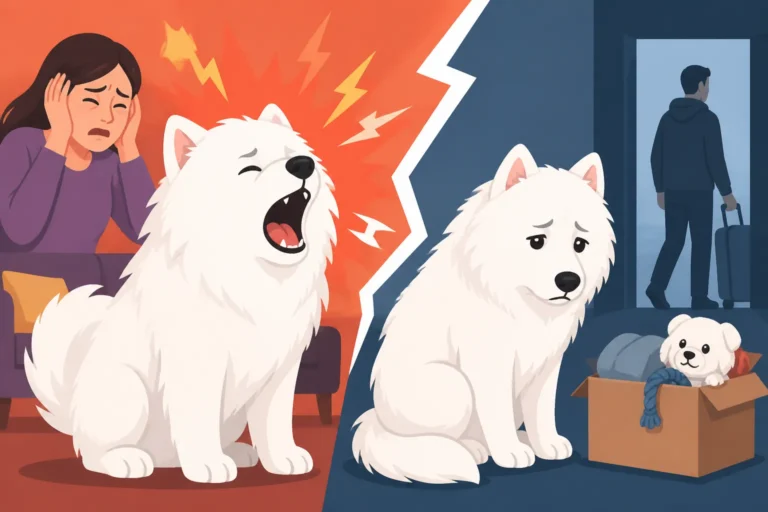
- Behavioral Challenges: Some rescue Samoyeds might have specific behavioral issues, such as separation anxiety (especially common if they've been rehomed multiple times), resource guarding, or reactivity towards other dogs. While many rescues work on these issues, be prepared to continue their training. This might involve enrolling in obedience classes or even consulting with a professional dog behaviorist. It's not uncommon for Samoyeds to be surrendered due to behavioral issues like noise or escaping, as noted in articles such as Why Samoyeds Are Surrendered.
- Unknown History: Sometimes, a rescue Samoyed's past is largely unknown. This can make it challenging to anticipate certain behaviors or health predispositions. You'll need to be observant, flexible, and willing to work through whatever arises with kindness and professional guidance if needed.
The emotional energy you invest in helping your rescue Samoyed feel secure and loved is a significant part of the adoption journey. It's a commitment that goes beyond money, requiring empathy, resilience, and an unwavering dedication to their well-being. But for those willing to make that commitment, the return in love and companionship is immeasurable.
Saving Money and Sanity: Practical Tips for Adopting a Samoyed
Adopting a Samoyed can be a truly wonderful experience, and while it's more budget-friendly upfront than buying from a breeder, smart planning can help you save even more money and prevent stress down the road. Here are some practical tips to consider as you embark on your adoption journey.
Embrace Fostering: A Trial Run for Both of You
Many Samoyed rescue organizations rely heavily on foster homes. Fostering a Samoyed is an incredible way to help a dog in need while also giving you a unique "trial run" to see if a Samoyed is truly the right fit for your lifestyle and home.
- Reduced Upfront Costs: As a foster, the rescue typically covers all veterinary expenses, food, and often even supplies like crates and leashes. This means you get to experience owning a Samoyed without the immediate financial burden of adoption or purchase.
- Learn About the Breed: Fostering allows you to gain firsthand experience with the Samoyed's unique characteristics, like their vocal nature, grooming needs, and activity levels. This can be invaluable in deciding if a Samoyed is truly for you before making a lifetime commitment. It’s also a great way to learn about the dog's personality. If you decide to adopt the dog you are fostering, you'll already have an intimate understanding of their needs and quirks, minimizing surprises.
- Community Support: Fosters are part of a supportive network of experienced Samoyed owners and rescue volunteers. You'll have access to advice, resources, and encouragement, which can be particularly helpful if you're a first-time Samoyed owner. To understand more about this, you can explore Fostering a Samoyed. It's a win-win situation: you provide a temporary loving home, and the rescue gets a better understanding of the dog's personality for future placement.
Smart Shopping for Samoyed Essentials
Once you decide to adopt, being a savvy shopper can significantly reduce your initial setup costs. You don't need to buy everything brand new or top-of-the-line, especially since Samoyeds have a knack for putting items to the test.
- Secondhand Finds: Check local online marketplaces, pet store clearance racks, or even rescue group fundraisers for gently used crates, beds, bowls, and toys. Many items are perfectly functional and much cheaper. Just ensure they are clean and safe.
- DIY Grooming: The biggest ongoing cost for a Samoyed, apart from food and vet care, can be professional grooming. Learning to groom your Samoyed yourself will save you a fortune. Invest in quality tools – a good slicker brush, an undercoat rake, and a high-velocity force dryer – and watch online tutorials. It’s a learning curve, but mastering Drying a Samoyed to the Skin after a bath is invaluable.
- Bulk Buying and Sales: For consumables like food and treats, look for sales and consider buying in bulk from retailers like Chewy. Many online pet supply stores offer subscription services that can provide discounts and ensure you never run out of essentials. For more specialized diets, like fresh food options, Ollie often has introductory offers.
Budgeting for the Unexpected
Even with the best planning, owning a dog inevitably comes with unexpected costs. Having a financial cushion or proactive measures in place can save you a lot of stress.
- Emergency Fund: Aim to set aside a dedicated emergency fund specifically for your Samoyed. This money can cover sudden illnesses, accidents, or unforeseen veterinary procedures. Even a few hundred dollars can make a difference in an emergency situation.
- Pet Insurance: This is often the most recommended way to mitigate the financial impact of unexpected health issues. Research different providers and plans early on. Understand what's covered, deductibles, and reimbursement percentages. While it's an ongoing monthly expense, it can prevent a single large vet bill from becoming a financial crisis. For instance, Whether Insurance Covers a Samoyed's Diabetes is a question you'd want to ask if considering a diabetic Samoyed.
- Routine Maintenance for Longevity: Investing in high-quality food, consistent preventative vet care, and regular grooming isn't just about saving money; it's about investing in your Samoyed's long-term health. Preventing issues through good care is always cheaper than treating them once they arise. For example, regular dental care can prevent costly extractions and other systemic problems down the line.
Comparing Costs: Adoption vs. Buying
When you're considering bringing a Samoyed into your life, the financial aspect is undeniably a major factor. Let's break down the typical cost structures of adoption versus purchasing from a breeder, so you can make an informed decision that aligns with your budget and values.
The Upfront Financial Landscape
The most significant difference between adopting and buying is often the initial financial outlay.
| Cost Category | Buying from Reputable Breeder | Adopting from Samoyed Rescue |
|---|---|---|
| Initial Dog Cost | Significantly higher; covers breeder's investment in health tests, quality care, socialization, initial vaccines. | Moderate adoption fee; covers rescue's costs for vet care, spay/neuter, microchip, vaccines, deworming. |
| Initial Vet Visit | Required for new puppy check-up, often includes second round of vaccines. | Required for new patient check-up, review of records, and establishing care. Usually fewer initial procedures needed. |
| Spay/Neuter | Additional cost, typically performed between 6-12 months. | Usually included in the adoption fee, already performed. |
| Microchipping | May be included or an additional cost. | Usually included in the adoption fee. |
| Initial Supplies | Same for both: crate, bowls, leash, collar, toys, food. | Same for both: crate, bowls, leash, collar, toys, food. |
| Health Guarantee | Common from breeders, covers certain genetic conditions for a limited time. | Rescues provide known health history, but no formal "guarantee." You can ask Whether a Samoyed Health Guarantee Covers the Kidneys if buying. |
| Known Health Status | Parents health tested; puppy receives initial vet check. | Dog receives full vet check by rescue; known issues often disclosed. |
As you can see, while both options have initial supply costs, the core cost of the dog itself and associated initial vet procedures like spay/neuter and microchipping are often significantly less when adopting. This makes adoption a more accessible entry point for many aspiring Samoyed owners.
Long-Term Financial Considerations
The long-term costs of owning a Samoyed, regardless of how you acquire them, will be fairly consistent. These include ongoing food, routine vet care, grooming, and potential emergency expenses.
- Food: A Samoyed's diet will be a consistent monthly expense. Whether you bought or adopted, the amount and type of food needed won't change. You can expect What Feeding a Samoyed Costs Each Month to be one of your larger ongoing budget items.
- Veterinary Care: Annual wellness exams, preventative medications, and potential treatments for illnesses or injuries are standard. An adopted Samoyed might come with some known health history, which can help you anticipate certain needs, but unforeseen issues can arise with any dog. This is where pet insurance, like Healthy Paws, really shines, offering financial protection for these unexpected events, regardless of how you got your Samoyed.
- Grooming: The Samoyed's double coat requires significant maintenance. While you can save money by doing much of it yourself, professional grooming costs for a Samoyed can be substantial if you choose that route.
- Training and Enrichment: All Samoyeds benefit from ongoing training and mental enrichment. Whether it's enrolling in classes or investing in puzzle toys and regular exercise, these are costs that contribute to their well-being. This might be especially important for a rescue Samoyed who might need extra help Settling a Rehomed Adult Samoyed.
- Age-Related Care: As your Samoyed ages, their needs may change. Senior Samoyeds often require more frequent vet visits, specialized diets, or medications for conditions like arthritis. This is a factor to consider for any dog you bring into your home. The total cost of What Thirteen Years With a Samoyed Comes To is substantial no matter where you get them.
In essence, adopting a Samoyed helps you bypass a significant portion of the initial acquisition cost, allowing you to reallocate those funds towards essential long-term care, emergency savings, or perhaps even higher quality food from providers like Ollie or more frequent orders from Chewy. It democratizes Samoyed ownership, making it a viable option for a broader range of loving homes.
Disclaimer
This article is for general informational purposes only and does not constitute professional advice. Laws, prices and regulations vary by location and change over time. Consult a qualified professional for guidance on your specific situation.