Whether a Fatty Meal Triggers Samoyed Pancreatitis
It’s a situation many of us Samoyed owners dread: that moment our fluffy, mischievous friend manages to snatch something they shouldn’t have, or a well-meaning guest slips them a forbidden treat. The worry isn't just about an upset stomach; it's the deeper fear of serious conditions like pancreatitis. This guide will delve into whether those fatty meals truly trigger pancreatitis in Samoyeds, what to watch for, and how to keep your beloved cloud dog healthy and happy.
Understanding Pancreatitis in Samoyeds
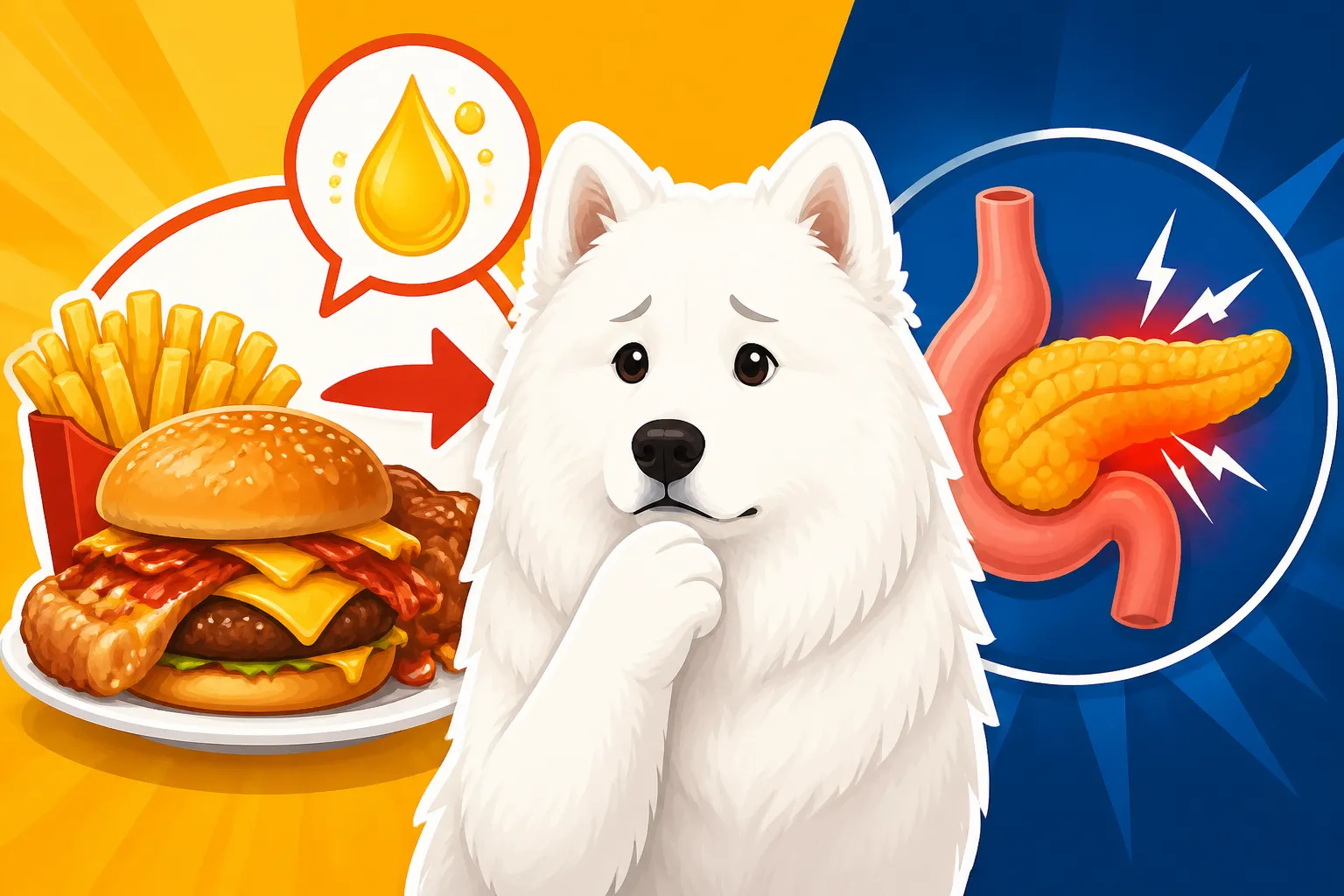
Pancreatitis is an inflammation of the pancreas, a vital organ located near the stomach. In dogs, the pancreas has two main jobs: producing enzymes that aid in digestion and hormones like insulin that regulate blood sugar. When the pancreas becomes inflamed, these digestive enzymes, instead of waiting to be released into the small intestine, get activated prematurely inside the pancreas itself. This essentially causes the pancreas to start "digesting" itself, leading to pain, damage, and systemic inflammation.
It’s a truly nasty condition, and unfortunately, Samoyeds are not immune. While not as commonly cited as a breed-specific risk compared to some other breeds like Miniature Schnauzers, any dog can develop pancreatitis, and diet absolutely plays a role. It’s a terrifying experience for both you and your Samoyed, marked by intense discomfort that they, with their stoic nature, might try to hide until it's quite advanced. You might even wonder, "Whether a Samoyed Complains When It Hurts" – and often, they don't, making early detection a challenge.
Acute vs. Chronic Pancreatitis
Pancreatitis can manifest in two forms: acute and chronic.
- Acute Pancreatitis: This is a sudden, severe onset of inflammation. It often comes on rapidly after a trigger, such as a particularly fatty meal. Your Samoyed might go from seemingly fine to extremely ill very quickly, displaying intense abdominal pain, vomiting, diarrhea, and lethargy. The inflammation can range from mild to life-threatening, requiring immediate veterinary attention and often hospitalization. It’s a true emergency and can escalate rapidly if not addressed.
- Chronic Pancreatitis: This form involves ongoing or recurrent inflammation of the pancreas. It can be less severe in its individual episodes, but the persistent inflammation leads to scarring and permanent damage to the pancreatic tissue over time. This can compromise both the digestive and hormonal functions of the pancreas. Sometimes, chronic pancreatitis can even precede other conditions, like you might read in "Why Pancreatitis Precedes Samoyed Diabetes", making early management crucial to preventing further health complications down the road for your Samoyed.
Why Pancreatitis is a Big Deal
The pancreas is involved in critical bodily functions. When it's inflamed, it’s not just about pain. The digestive enzymes can leak into the abdominal cavity, causing damage to surrounding organs. In severe cases, it can lead to systemic inflammatory response syndrome (SIRS), shock, and even death. Furthermore, repeated bouts of pancreatitis or chronic inflammation can permanently damage the insulin-producing cells, potentially leading to diabetes mellitus. It's a cascade of potential problems that starts with a seemingly simple trigger, highlighting why we, as Samoyed owners, need to be hyper-vigilant about their diet.
The Clear Link Between Fatty Meals and Samoyed Pancreatitis
Yes, a fatty meal absolutely can trigger pancreatitis in Samoyeds, just as it can in other dogs. It’s not an old wives' tale or an exaggerated warning from your vet; there's solid physiological reasoning behind it. The pancreas works overtime to digest fats. When an abnormally large amount of fat suddenly hits the digestive system, it places immense stress on the pancreas to produce an overwhelming surge of digestive enzymes. This overstimulation is believed to be a key factor in triggering the inflammatory process.
Imagine your Samoyed, with their typically pristine white coat, suddenly looking distressed after getting into the Thanksgiving turkey drippings or a discarded container of greasy takeout. It’s not just the mess you’re worried about, it’s the intense internal struggle their body is undergoing. The pancreas, suddenly overloaded, goes into overdrive and, for reasons not fully understood, begins to attack itself.
The "Fat Threshold" and Individual Sensitivity
It's not just about eating a stick of butter; even seemingly innocuous fatty foods can be problematic. A Samoyed’s system isn't designed to handle the rich, high-fat human foods we often enjoy. Things like bacon grease, fried chicken skin, fatty cuts of meat, sausages, or even rich dairy products can be culprits. The tricky part is that the "fat threshold" can vary between individual dogs. One Samoyed might tolerate a small, fatty treat without issue, while another could end up severely ill from the same amount.
Moreover, some dogs are simply more predisposed to pancreatitis than others, either due to genetics, underlying health conditions, or previous episodes. It's a bit like us humans and our sensitivity to certain foods – what might give one person heartburn could send another to the emergency room. For your Samoyed, it’s always better to err on the side of caution.
Common Scenarios That Lead to Pancreatitis
- Trash Raids: We all know how clever Samoyeds can be, and how quickly they can snatch something from the counter or delve into an unsecured trash can. Leftover greasy pizza crusts, drippings from roasted meat, or even discarded fat trimmings from cooking are prime culprits.
- Holiday Feasts: Thanksgiving, Christmas, and other holidays often mean rich, fatty foods are abundant. Well-meaning family members might slip your Samoyed a piece of ham, gravy, or a fatty leftover. Educating guests about your Samoyed's dietary restrictions is crucial.
- "Special" Treats: Sometimes we want to give our Samoyeds something extra special, but even seemingly harmless human foods can be too rich. Consider the fat content in cheese, peanut butter (especially certain brands), or even some dog treats that are surprisingly high in fat. Remember, even a small amount can sometimes be enough.
- Dietary Changes: Rapid changes to a dog's diet, especially introducing a new, rich food too quickly, can also upset the digestive system and potentially trigger pancreatitis.
Preventing Pancreatitis in Your Samoyed
Prevention is always better than cure, especially with a painful and potentially dangerous condition like pancreatitis. Managing your Samoyed’s diet and environment is paramount to their long-term health.
Dietary Management and Safe Choices
The cornerstone of pancreatitis prevention is a diet appropriate for your Samoyed. This typically means a high-quality, balanced dog food that isn't excessively high in fat. If your Samoyed has had pancreatitis before, your vet might recommend a prescription low-fat diet to prevent recurrence. You might be interested in whether your "Whether a Samoyed Needs a Low Fat Diet" is a preventative measure, and for many, it absolutely is.
Here's a guide to common human foods and their fat content:
| Food Item (Common Human Foods) | Fat Content (General) | Risk for Pancreatitis | Notes |
|---|---|---|---|
| Bacon/Sausage | Very High | High | Extremely fatty, often salty. Big no-no. |
| Fried Chicken Skin/Fat Trimmings | Very High | High | Concentrated fat; often seasoned. |
| Gravy/Sauces (Meat Drippings) | High | High | Often very rich, high in fat and sometimes spices. |
| Cheese (full-fat) | Moderate to High | Moderate to High | Can be too rich for many dogs, especially in larger amounts. |
| Butter/Oils | Very High | High | Concentrated fat, avoid entirely. |
| Peanut Butter (conventional) | Moderate | Moderate | Check labels for fat and xylitol. Use sparingly, if at all. |
| Lean Cooked Chicken (no skin) | Low | Low | Generally safe as a treat in moderation. |
| Plain Cooked Rice | Very Low | Very Low | Excellent for upset stomachs. |
| Cooked Green Beans | Very Low | Very Low | Great low-calorie, low-fat treat. |
| Carrots (raw or cooked) | Very Low | Very Low | Healthy and crunchy, good for teeth. |
When choosing treats, stick to commercially available dog treats designed to be low in fat, or offer healthy alternatives like baby carrots, apple slices (without seeds), or green beans. Always introduce new treats slowly and in small quantities to monitor for any adverse reactions.
Securing the Environment
Samoyeds are intelligent and resourceful. If there’s food they want, they’ll find a way to get it. That means being proactive about securing your home:
- Trash Cans: Invest in dog-proof trash cans with secure lids that your Samoyed can't open or tip over. This is especially important in the kitchen.
- Countertops: Never leave food unattended on countertops, even for a moment. What seems high to you might be perfectly accessible to a determined Samoyed.
- Pantries/Cabinets: Keep pantry doors closed and lower cabinets latched if your Samoyed has a knack for opening them. Child-proof latches work wonders.
- Educate Guests: Make sure anyone who interacts with your Samoyed understands the importance of not feeding them human food, especially during holidays or gatherings. A simple explanation of "why" (pancreatitis risk) is often more effective than just "don't do it."
Regular Veterinary Care
Routine vet check-ups are essential for monitoring your Samoyed's overall health and catching potential issues early. Your vet can advise on appropriate diet, weight management, and any specific predispositions your Samoyed might have. They can also discuss specific concerns, like whether "Whether a Samoyed Needs Yearly Kidney Bloodwork" or other routine screenings are necessary for their age and breed.
Maintaining a healthy weight for your Samoyed is also crucial. Overweight dogs are generally at a higher risk for various health problems, including pancreatitis. Regular exercise appropriate for their age and health, combined with a controlled diet, will help keep them in prime condition.
Recognizing Signs and Seeking Help
Despite our best efforts, sometimes pancreatitis still happens. Knowing the signs is critical for getting your Samoyed the immediate help they need. Samoyeds are notorious for their ability to mask illness, often continuing to "smile" even when they're not feeling well. This resilience, while charming, can make detecting subtle health changes a true challenge. You might find yourself checking "Signs a Samoyed Is Losing Protein in Its Urine" and other subtle markers, which is exactly the kind of vigilance needed.
Common Symptoms of Pancreatitis
The symptoms of pancreatitis can range from mild to severe and may include:
- Vomiting: This is one of the most common signs. It can be frequent and persistent.
- Diarrhea: Often greasy or yellowish.
- Abdominal Pain: This is usually severe. Your Samoyed might hunch their back in a "prayer position" (front legs down, rear end up) to try and relieve the pain. They might also be reluctant to be touched around their abdomen.
- Lethargy/Weakness: Your typically energetic Samoyed might be unusually tired, uninterested in play or walks, and generally subdued.
- Loss of Appetite: Refusal to eat or drink.
- Dehydration: Due to vomiting and diarrhea.
- Fever: Although not always present.
- Restlessness/Pacing: Due to discomfort.
If you observe any of these signs, especially in combination, it’s imperative to contact your veterinarian immediately. Do not wait to see if it improves on its own.
Veterinary Diagnosis and Treatment
When you get to the vet, they will perform a physical examination and likely recommend diagnostic tests.
- Blood Tests: A complete blood count (CBC) and biochemistry panel will assess general health, inflammation markers, and organ function. Specific pancreatic enzyme tests, like canine pancreatic lipase immunoreactivity (cPLI), are often the most accurate for diagnosing pancreatitis.
- Imaging: X-rays might be taken to rule out other causes of vomiting and abdominal pain, while an ultrasound can provide a direct view of the pancreas, showing inflammation or fluid accumulation.
Treatment for pancreatitis is primarily supportive and aims to rest the pancreas and manage symptoms. This often includes:
- Fluid Therapy: Intravenous (IV) fluids are crucial to combat dehydration and maintain electrolyte balance.
- Pain Management: Strong pain medications are essential to alleviate the intense abdominal pain.
- Anti-nausea Medications: To control vomiting and help your Samoyed feel more comfortable.
- Dietary Rest: In severe acute cases, food and water may be withheld for a period to allow the pancreas to rest. Once vomiting stops, a low-fat, highly digestible diet is slowly introduced.
- Antibiotics: May be used if there's a concern for secondary bacterial infection, though not always necessary.
Treatment for pancreatitis can be intensive and expensive, often requiring several days of hospitalization. This is where pet insurance, like a policy from a provider such as Healthy Paws, can be an absolute lifesaver. Knowing that a significant portion of those emergency vet bills can be covered provides immense peace of mind during such a stressful time. Without good insurance, the financial strain can add another layer of worry to an already difficult situation. This is definitely one of those health issues where "What a Samoyed's Vet Bills Look Like" can be quite high.
Living with a Samoyed Prone to Pancreatitis
For Samoyeds that have experienced pancreatitis, managing their diet and lifestyle becomes a lifelong commitment. The goal is to prevent future episodes and maintain the health of their pancreas.
Long-Term Dietary Changes
Your vet will likely recommend a permanent dietary change to a low-fat prescription diet. These diets are carefully formulated to be easily digestible and minimize pancreatic stimulation. Stick to this diet religiously, even for treats. Many prescription diets also offer low-fat treat options. Avoid any human food, even seemingly harmless bits, unless specifically approved by your vet.
It's also important to be consistent with feeding times. You might want to refer to "Whether a Samoyed Needs a Consistent Feeding Schedule" as part of your new routine, as this can aid digestion and prevent sudden overloads.
Monitoring and Follow-Up
Regular follow-up appointments with your vet will be necessary to monitor your Samoyed's progress and check for any signs of recurrence. Blood tests may be performed periodically to assess pancreatic enzyme levels and overall organ health. Watch your Samoyed closely for any subtle changes in appetite, energy levels, or stool consistency. Because "How a Samoyed Hides Illness Behind a Smile," you'll become incredibly attuned to their normal behavior to spot even the slightest deviation.
This ongoing vigilance, combined with appropriate medical care and a dedicated pet insurance plan from a company like Healthy Paws, can significantly improve the quality of life for a Samoyed with a history of pancreatitis. It means you can focus on their well-being rather than stressing about every single unexpected vet cost.
Lifestyle Adjustments
While diet is primary, certain lifestyle adjustments can also help:
- Stress Reduction: Some studies suggest stress can play a role in pancreatitis. Maintaining a calm, predictable routine can be beneficial.
- Regular, Moderate Exercise: Helps maintain a healthy weight and overall well-being without causing undue stress. Avoid strenuous activity immediately after meals.
- Hydration: Ensure your Samoyed always has access to fresh, clean water.
- Medication Adherence: If your vet prescribes any ongoing medications or supplements, administer them faithfully.
Understanding the gravity of pancreatitis and its direct link to fatty meals is crucial for any Samoyed owner. While it's tempting to share our delicious human food with our beloved Samoyed, the potential consequences far outweigh the fleeting joy of a forbidden treat. By being diligent about their diet, securing your home, and staying vigilant for any signs of illness, you can significantly reduce the risk and ensure your Samoyed lives a long, healthy, and happy life by your side. Remember, their health is in your hands, and keeping those beautiful Samoyed smiles bright means making smart, responsible choices every single day.
Disclaimer
The information provided in this guide is for general informational purposes only and does not constitute veterinary advice. Always consult with a qualified veterinarian for any health concerns or before making any decisions related to your Samoyed's care and treatment.