Whether a Samoyed Should Have a Gastropexy
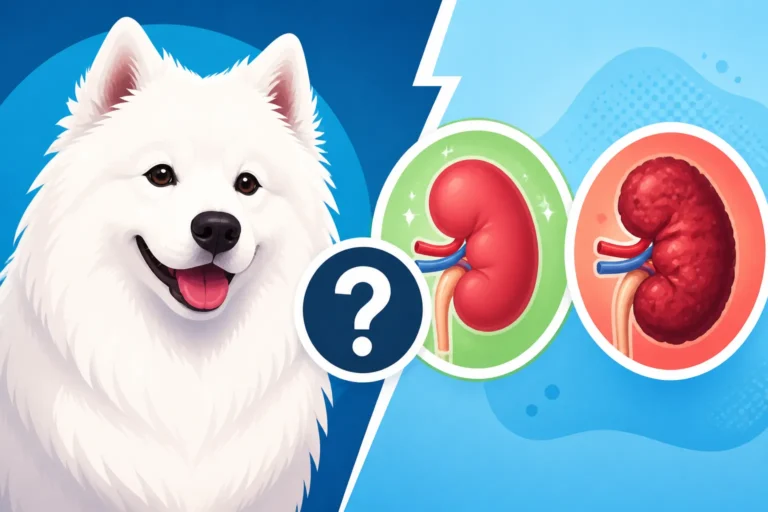
Living with a Samoyed often means constant joy, fluff, and that iconic smile. But for many owners, there’s a quiet, underlying worry about a devastating condition known as bloat, or Gastric Dilatation-Volvulus (GDV). This terrifying emergency can strike quickly and silently, turning a normal day into a frantic rush to the vet. This comprehensive guide will walk you through what gastropexy is, why it's a consideration for Samoyeds, and whether this preventative surgery might be the right choice for your cherished canine companion.
The Terrifying Reality of Bloat in Samoyeds
The sheer speed and lethality of bloat are what make it so frightening for Samoyed owners. It's not just a stomach ache; it's a critical, life-threatening situation that demands immediate veterinary intervention. Understanding what happens during bloat and why Samoyeds are particularly susceptible is the first step in deciding on any preventative measures.
Understanding Gastric Dilatation-Volvulus GDV
Gastric Dilatation-Volvulus, or GDV, is a complex and often fatal condition. It begins when the stomach rapidly fills with gas, food, or fluid, causing it to distend—this is the "dilatation" part. This distension can put immense pressure on surrounding organs, the diaphragm, and large blood vessels, leading to shock. The truly deadly part, however, is the "volvulus," which occurs when the gas-filled stomach then twists on its axis. This twisting cuts off both the entrance and exit of the stomach, trapping everything inside. Crucially, it also kinks the blood vessels supplying the stomach, leading to tissue death, and can affect the blood return to the heart, sending the dog into severe shock.
The immediate danger with GDV is immense. The restriction of blood flow to the stomach wall causes tissue to die rapidly, leading to perforations and peritonitis. The pressure on the diaphragm makes breathing difficult, and the interruption of blood flow to the heart can trigger dangerous arrhythmias. Without swift surgical intervention, GDV is almost always fatal. Even with surgery, the survival rate can vary significantly depending on how quickly treatment is initiated and the severity of the damage. For any owner, knowing the signs and acting quickly is paramount, as every minute counts.
Why Deep-Chested Breeds Like Samoyeds Are at High Risk
Samoyeds, with their elegant, deep chests, unfortunately, fall into a category of breeds predisposed to GDV. The deep and narrow conformation of their ribcage creates more space for the stomach to swing and twist, unlike dogs with broad, shallow chests. This anatomical lottery makes them, alongside other large and giant breeds such as Great Danes, German Shepherds, Irish Setters, and Standard Poodles, primary candidates for this condition. While not every deep-chested dog will bloat, the risk factor is significantly elevated.
Beyond their physical build, other factors can increase a Samoyed's risk. Eating one large meal a day, especially quickly, has often been cited as a potential trigger. Stress, excessive exercise after eating, drinking large amounts of water immediately post-meal, or even genetics can play a role. Some studies have even explored connections to elevated feeding bowls, though this remains a point of debate among veterinarians. It's a condition with many potential contributing factors, making it challenging to predict who will be affected. You can learn more about the specifics of Bloat in a Samoyed to get a deeper understanding of this terrifying condition.
Recognizing the Alarming Signs of Bloat
The insidious nature of bloat means it can progress rapidly from subtle discomfort to a full-blown crisis. As a Samoyed owner, it’s absolutely vital to be hyper-aware of the early signs. Often, the first thing you might notice is restlessness or pacing, a subtle agitation that seems out of character. Your Samoyed might try to vomit repeatedly but produce nothing — this non-productive retching is a classic and very concerning symptom. They might seem to be trying to relieve themselves but can't, or simply look anxious and uncomfortable.
As the condition progresses, you may observe a distended abdomen, which can feel hard and painful to the touch. Your Samoyed might stand with an arched back or refuse to lie down comfortably. Other critical signs include excessive drooling, pale gums, a rapid and weak pulse, and labored breathing. This isn't a situation where you "wait and see"; if you suspect bloat, even faintly, it’s an immediate emergency. Head straight to your nearest veterinary emergency clinic without delay. Knowing Signs a Samoyed Is Bloating can literally be the difference between life and death.
Unpacking Gastropexy: A Proactive Defense
Given the severe risks associated with GDV, many Samoyed owners explore preventative options. Gastropexy is one such procedure that has proven highly effective in mitigating the most dangerous aspect of bloat: the twisting of the stomach. It’s a surgical intervention that provides a significant layer of protection and peace of mind.
What Gastropexy Actually Entails
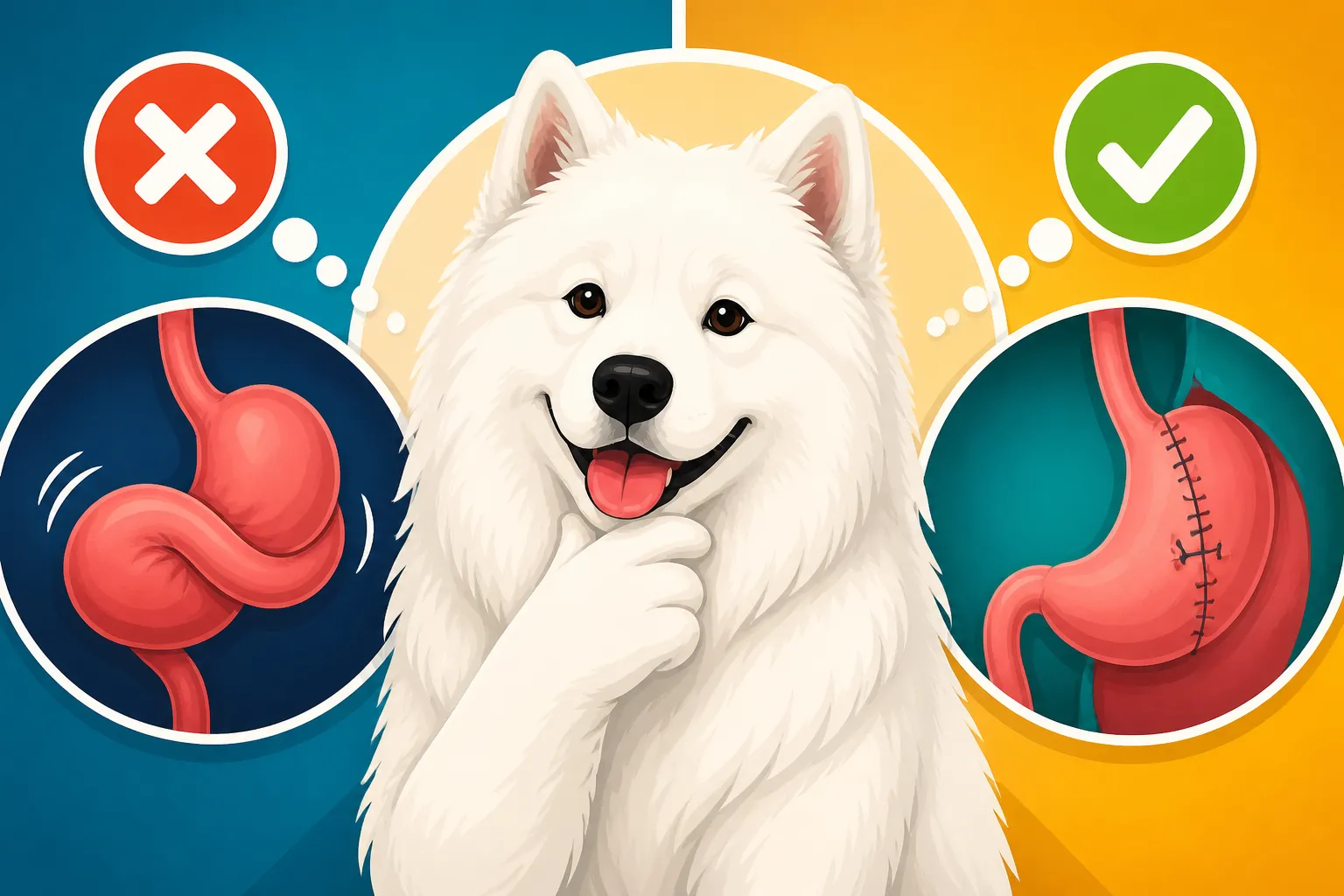
At its core, a gastropexy is a surgical procedure designed to permanently attach the stomach to the abdominal wall. Think of it like tacking down a loose rug to prevent it from bunching up or twisting. The surgeon creates an adhesion between a specific part of the stomach (typically the pylorus, the lower part near the small intestine) and the inner lining of the body wall, usually the right side. This surgical bond prevents the stomach from rotating or twisting, which is the "volvulus" part of GDV.
It's important to understand that gastropexy does not prevent the stomach from filling with gas (the "dilatation"). A gastropexied dog can still experience bloat if gas accumulates. However, because the stomach is anchored, it cannot twist. This means that if bloat does occur, the gas can usually escape or be relieved more easily by a veterinarian, and the critical blood supply to the stomach is preserved. This distinction is crucial: gastropexy reduces the life-threatening severity of bloat by preventing the twist, turning a potentially fatal emergency into a serious but manageable situation.
Exploring Laparoscopic vs. Open Surgical Approaches
When considering a gastropexy for your Samoyed, you'll generally find two main surgical approaches: the traditional "open" method and the more modern "laparoscopic" (or minimally invasive) technique. Each has its own benefits and considerations.
The open gastropexy involves a single, larger incision through the abdominal wall, similar to a standard spay or neuter incision, allowing the surgeon direct access to the stomach. This method is straightforward for most veterinarians and can be performed even in an emergency GDV situation. Recovery might be a bit longer and more uncomfortable due to the larger incision.
The laparoscopic gastropexy, on the other hand, is a minimally invasive procedure. It involves two or three small incisions (often just a few centimeters long) through which a tiny camera (laparoscope) and specialized instruments are inserted. The surgeon views the internal organs on a monitor and performs the gastropexy with precision. This technique generally results in less pain, smaller scars, and a faster recovery time for your Samoyed. Many owners choose this option when their Samoyed is already undergoing a spay or neuter, as it combines two procedures into one anesthetic event. However, it requires specialized equipment and a surgeon trained in laparoscopic techniques, which might not be available at every veterinary practice. Regardless of the method, it's wise to discuss Whether a Samoyed Is Sensitive to Anesthesia with your vet before any procedure.
Here’s a quick overview of the differences:
| Feature | Laparoscopic Gastropexy | Open Gastropexy |
|---|---|---|
| Invasiveness | Minimally invasive (2-3 small incisions) | Traditional (one larger incision) |
| Recovery Time | Generally faster, less painful | Longer, potentially more painful |
| Cost | Often higher upfront due to specialized equipment/skill | Generally lower initial cost |
| Visibility | Excellent internal visualization via camera | Direct visualization |
| Ideal Timing | Often performed concurrently with spay/neuter | Can be performed at any time, often in emergency GDV |
| Specialization | Requires specialized equipment and trained surgeons | Standard surgical procedure |
The Lifesaving Goal: Preventing Gastric Volvulus
The primary and most crucial goal of a gastropexy is to prevent the stomach from twisting. While your Samoyed might still experience gas buildup or dilatation, the critical life-threatening component of GDV – the volvulus – is effectively averted. This dramatically improves the prognosis if bloat does occur. Instead of a frantic, life-or-death emergency surgery with a questionable outcome, a dog with a gastropexy that bloats can often be managed with less invasive methods to relieve the gas.
This prevention offers immense peace of mind for Samoyed owners. Knowing that your beloved companion has this protective measure in place can significantly reduce anxiety, especially if you live an active lifestyle, travel frequently, or have a Samoyed with other risk factors. It allows your Samoyed to enjoy their The Twelve to Fourteen Years a Samoyed Lives with one less critical health concern looming over them.
Is Gastropexy the Right Choice for Your Samoyed?
Deciding whether to pursue a preventative gastropexy is a highly personal decision that involves careful consideration of various factors, including your Samoyed's individual health, your lifestyle, and your financial situation. It’s a discussion best had in depth with your trusted veterinarian.
Assessing Your Samoyed's Individual Risk Profile
Not every Samoyed owner will opt for a gastropexy, and not every Samoyed has the same risk profile. When considering the procedure, think about your individual dog. Is your Samoyed highly anxious or prone to stress? These factors can increase bloat risk. Does your Samoyed eat very quickly, gulping down food and air? While you can use slow feeder bowls, it’s still a consideration. Does your Samoyed have a known family history of GDV? This genetic predisposition is a significant indicator that a preventative gastropexy might be extremely beneficial.
Age also plays a role. A younger Samoyed undergoing a prophylactic gastropexy will benefit from protection for a longer portion of their life. For an older Samoyed, especially one reaching The Age a Samoyed Counts as a Senior or beyond, the risks of general anesthesia might outweigh the benefits if they don't have other significant risk factors, or if the procedure isn't combined with another necessary surgery. Your veterinarian will be able to help you weigh these individual factors to make the most informed decision for your specific Samoyed.
The Timing: Concurrent with Spay or Neuter
For many Samoyed owners, the ideal time to perform a preventative gastropexy is concurrently with another abdominal surgery, most commonly a spay or neuter. This approach is highly practical for several reasons: it minimizes the number of times your Samoyed needs to undergo general anesthesia, streamlining recovery, and potentially reducing overall costs. Your veterinarian will already have access to the abdominal cavity, making it efficient to perform the gastropexy at the same time.
If your Samoyed is still young and approaching the age for spay or neuter, it's an excellent opportunity to discuss a gastropexy with your vet. They can review your Samoyed's pre-anesthetic bloodwork – a crucial step for any surgery – and help you understand all the implications. This combined procedure can offer long-term protection without adding an entirely separate recovery period. Always ensure you understand all pre-surgical requirements, including Whether a Samoyed Needs Pre Anesthetic Bloodwork, to ensure your Samoyed is as healthy as possible for the procedure.
Weighing the Costs and Long-Term Value
Let's be realistic: veterinary care, especially surgery, comes with a cost. A preventative gastropexy can be a significant upfront investment. The exact cost will vary based on your geographic location, the veterinary clinic, the surgeon's experience, and whether you opt for an open or laparoscopic approach. However, it’s essential to view this cost in comparison to the alternative. Emergency surgery for GDV is not only far more expensive—often several thousands of dollars due to the emergency nature, late-night staffing, and intensive post-operative care—but it also carries a much higher risk of mortality for your Samoyed.
Consider how pet insurance can play a role here. Many reputable pet insurance providers, like Healthy Paws, offer comprehensive plans that can help offset the costs of both preventative and emergency procedures. While preventative gastropexy might fall under a wellness plan add-on or not be covered as a standalone preventative procedure by all insurers, a policy with Healthy Paws would certainly be invaluable if your Samoyed developed GDV and required emergency surgery. Understanding What a Samoyed's Vet Bills Look Like and What Insuring a Samoyed Costs Monthly can help you budget appropriately and potentially save you from making difficult choices in a crisis. Proactive insurance enrollment is always best, as most policies won't cover pre-existing conditions.
Navigating the Procedure and Recovery
Once the decision for gastropexy is made, understanding the surgical process and the subsequent recovery period is vital. While it offers immense protection, it is still a surgical procedure that requires careful attention and adherence to post-operative instructions.
Potential Surgical Risks and Post-Operative Care
Like any surgical procedure requiring general anesthesia, a gastropexy carries inherent risks. These can include adverse reactions to anesthesia, post-operative infection at the incision site, bleeding, or complications during the healing process. Your veterinary team will take every precaution to minimize these risks, including thorough pre-anesthetic screening, using modern anesthetic protocols, and careful monitoring during and after the surgery.
Post-operative care is crucial for a smooth recovery and successful healing of the gastropexy site. Your Samoyed will likely need to wear an Elizabethan collar (the "cone of shame") to prevent licking or chewing at the incision. Activity will be restricted to short, leash-only walks for several weeks to allow the stomach to firmly adhere to the abdominal wall without undue strain. Pain medication and sometimes antibiotics will be prescribed. It’s important to monitor the incision site for any signs of redness, swelling, or discharge and to contact your vet immediately if you notice any concerns. Samoyeds can be quite stoic and good at hiding discomfort, so paying close attention to subtle changes is important, as sometimes How a Samoyed Hides Illness Behind a Smile can make it hard to tell if they're in pain. If you're concerned Whether a Samoyed Complains When It Hurts, don't hesitate to reach out to your vet.
The Lifelong Benefits and Owner Confidence
Despite the temporary inconvenience of surgery and recovery, the long-term benefits of a gastropexy are profound. The most significant advantage is the drastic reduction in the risk of fatal GDV. Knowing that your Samoyed is largely protected from the most dangerous aspect of bloat provides immense psychological relief and confidence for owners. You can enjoy walks, playtime, and meals with less apprehension, knowing you've taken a critical step to safeguard their health.
This preventative measure contributes significantly to your Samoyed's overall quality of life and potentially their longevity. It allows them to lead a more normal and active life without the looming shadow of this unpredictable and often deadly condition. For a dog that is expected to live for The Twelve to Fourteen Years a Samoyed Lives, preventing such a devastating disease early on can ensure more years of joyful companionship.
Living with a Gastropexied Samoyed
While gastropexy dramatically reduces the risk of fatal GDV, it's not a license to ignore all other bloat prevention strategies. It's still wise to continue managing other risk factors. This might include feeding smaller, more frequent meals, avoiding vigorous exercise immediately after eating, and utilizing slow-feeder bowls if your Samoyed tends to gulp food. Ensure your Samoyed always has access to fresh water but avoid letting them drink excessively large amounts right after strenuous activity.
Regular veterinary check-ups remain essential to monitor your Samoyed's overall health, including their weight and dental hygiene. Although a gastropexy provides substantial protection, staying vigilant for any unusual behavior or changes in your Samoyed's appetite or energy levels is always important. Even with the best preventative measures, a close bond with your veterinarian and your pet insurance provider, like Healthy Paws, ensures you're prepared for whatever life might bring.
Disclaimer
The information provided in this guide is for general informational purposes only and does not constitute veterinary advice. Always consult with a qualified veterinarian for any health concerns or before making any decisions about your Samoyed's care, including surgical procedures like gastropexy. Every dog is an individual, and what is right for one may not be right for another.