Whether a Breeder Should Show the Samoyed Kidney Results
It’s a heartbreaking situation many Samoyed families dread: bringing home a fluffy, happy puppy, only to face devastating news about its health much too soon. For Samoyed owners, particularly those with male dogs, the shadow of Samoyed Hereditary Glomerulopathy (SHG) can loom large. This guide is here to shed light on why transparent access to a Samoyed breeder's kidney test results isn't just a nice-to-have, but an absolute necessity for peace of mind and the well-being of these beloved dogs.
Understanding Samoyed Hereditary Glomerulopathy (SHG)
When you fall in love with a Samoyed, you're not just falling for that iconic smile; you're often dreaming of years of loyal companionship. But some dreams can be cut tragically short by specific genetic health conditions. One of the most significant concerns for Samoyed owners and breeders alike is Samoyed Hereditary Glomerulopathy, often referred to as SHG. It's a cruel disease that targets the kidneys, and understanding its nature is the first step in appreciating why health testing is so critical.
What SHG Actually Is
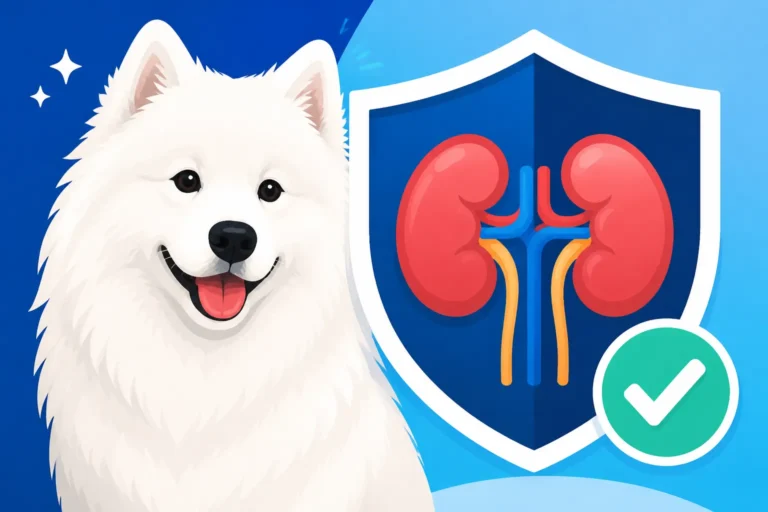
SHG is a genetic kidney disease, specifically affecting the tiny filtering units within the kidneys called glomeruli. These glomeruli are responsible for filtering waste products from the blood while keeping essential proteins in. In dogs affected by SHG, the collagen structure of these filters starts to break down. Imagine a fine sieve designed to catch coffee grounds but let water through; if the mesh starts to fray and tear, the coffee grounds would slip right through with the water. That’s essentially what happens with SHG – the kidneys become leaky, allowing vital proteins to escape into the urine instead of staying in the bloodstream where they belong. This progressive damage ultimately leads to kidney failure. It’s a silent, insidious disease that often progresses without overt symptoms until the damage is already extensive.
The disease is sometimes colloquially referred to as Samoyed Hereditary Nephritis, and it's something every prospective owner should be aware of. The insidious nature of What Samoyed Hereditary Glomerulopathy Does to the Kidneys means that a puppy can appear perfectly healthy for months, only for signs to emerge later, leaving families blindsided by a diagnosis of a terminal illness. It's not like a broken leg you can see and treat; it's a slow, internal deterioration that progresses relentlessly.
The Genetic Basis and Inheritance Pattern
SHG is an X-linked genetic disorder, meaning it’s tied to the X chromosome, one of the two sex chromosomes. This specific inheritance pattern is crucial to understanding why it affects males so differently from females. The gene responsible is called COL4A5, and mutations in this gene disrupt the production of a particular type of collagen, which is a vital protein component of the kidney's filtering membranes. Because males only have one X chromosome (XY), if they inherit the affected X chromosome from their mother, they will develop the full-blown disease. Females, on the other hand, have two X chromosomes (XX). If a female inherits one affected X chromosome, she is typically a carrier but usually doesn't develop severe kidney disease because her other, healthy X chromosome can often compensate. This genetic nuance is why understanding Why Collagen Failure Destroys a Samoyed's Kidney is so important for breeders. It's not a simple dominant/recessive trait, and this complexity makes transparent testing even more vital.
Why Males Are More Severely Affected
The X-linked inheritance pattern dictates the devastating impact on male Samoyeds. As mentioned, a male Samoyed inherits his single X chromosome from his mother. If that X chromosome carries the COL4A5 mutation, there's no backup — he will be affected. These males typically develop severe kidney disease early in life, with progressive kidney failure leading to a significantly shortened lifespan. It’s often said that The Kidney Disease That Kills Samoyed Males Before Fifteen Months is SHG, because many affected males don't live to see their second birthday, or even their first. They start showing signs of protein in their urine around 3-6 months of age, and the disease progresses rapidly from there. For a male Samoyed, inheriting this gene is essentially a death sentence. Females, inheriting two X chromosomes, usually only become carriers. While carrier females can exhibit some mild, age-related kidney changes, they rarely progress to full-blown kidney failure. This distinct difference in severity between sexes is the heartbreaking reality of Why Samoyed Hereditary Glomerulopathy Only Devastates the Boys.
The Importance of Genetic Testing for SHG
Given the severe nature of SHG, especially in male Samoyeds, genetic testing is not just a recommendation; it's a moral imperative for responsible breeding. Without it, breeders are essentially playing a game of chance with the health and lives of their puppies and the emotional well-being of their future families. The availability of a specific DNA test has revolutionized how breeders can approach this disease, allowing for informed decisions that protect the breed.
Identifying Carriers and Affected Dogs
The beauty of modern veterinary science is that we now have the tools to identify the COL4A5 gene mutation. The DNA Test That Finds the Samoyed Kidney Gene allows breeders to definitively determine if a dog is genetically clear (meaning they do not carry the mutation), a carrier (meaning they have one copy of the mutation but are typically healthy), or affected (meaning they have two copies if female, or one copy if male, and will develop the disease). For males, being affected is clear-cut due to the single X chromosome. For females, being a carrier means they can pass the mutation on to their offspring, particularly their male puppies, who then become affected. Knowing this status before breeding allows breeders to make educated pairings, steering clear of combinations that would produce affected males.
Preventing the Disease in Future Generations
The ultimate goal of genetic testing for SHG is to eliminate the production of affected puppies. This isn't about eradicating carrier females from the gene pool, as many might worry, but about strategic breeding. A responsible breeder, armed with the knowledge of which dogs are carriers, can still breed them, but only to a male who has been tested and confirmed as clear of the mutation. This breeding strategy ensures that no male puppies produced will be affected, and any female puppies born will either be clear or carriers themselves. It’s a methodical approach to How a Samoyed Breeder Avoids Producing Affected Males while maintaining genetic diversity. This proactive stance is a hallmark of ethical breeding practices, aiming to improve the health of the breed over time rather than simply reacting to tragic outcomes.
The Impact on a Puppy's Lifespan and Quality of Life
Imagine the joy of bringing home a Samoyed puppy, full of life and playful exuberance. Now imagine that joy being overshadowed by chronic illness, veterinary visits, special diets, and the inevitable decline of kidney failure before its first birthday. This is the tragic reality for puppies born with SHG. Whether an Affected Samoyed Male Feels Pain is a question that weighs heavily on owners, as the disease progresses and they face lethargy, vomiting, and a general loss of vitality. Their quality of life diminishes drastically, and their lifespan is often measured in months, not years. This stark reality underscores why genetic testing is so critical. It's about ensuring those fluffy bundles of joy have the best chance at a long, healthy life, free from the suffering and the immense emotional and financial burden SHG places on families. While pet insurance providers like Healthy Paws can assist with unexpected vet bills, preventing such a devastating genetic disease upfront is always the best course of action.
Why Transparency in Health Testing Matters
It's one thing for a breeder to say their dogs are health-tested; it's another entirely for them to provide concrete, verifiable evidence. Transparency is the bedrock of trust between a responsible breeder and a prospective puppy buyer. When it comes to a serious genetic disease like SHG, a breeder's willingness to openly share kidney test results isn't just good practice—it's an ethical obligation that speaks volumes about their commitment to the breed and their puppies.
Building Trust with Potential Buyers
In the often-confusing world of puppy searching, finding an ethical breeder can feel like searching for a needle in a haystack. There are many breeders out there, and unfortunately, not all operate with the same high standards. A breeder who readily provides documentation for all relevant health clearances, especially for SHG, immediately stands out as trustworthy. They aren't just selling a puppy; they're offering a transparent partnership in the journey of pet ownership. This openness demonstrates confidence in their breeding program and respect for their potential puppy families. It signals that they have nothing to hide and are genuinely invested in the health of their dogs, putting puppy welfare above all else. This builds a foundation of trust that is invaluable when making such a significant, long-term commitment.
The Ethical Breeder's Commitment
An ethical Samoyed breeder understands their profound responsibility to the breed. This responsibility extends far beyond simply producing cute puppies; it encompasses safeguarding the future health and genetic integrity of Samoyeds. This means comprehensive health testing for the parent dogs, not just for SHG but also for other conditions common in the breed, such as hip and eye issues. They should be testing for The COL4A5 Test Every Samoyed Buyer Should Ask About as a matter of course. An ethical breeder will proactively engage in these tests and will be eager to educate potential buyers about the results and what they mean. They will be knowledgeable about the inheritance patterns, comfortable discussing their breeding choices, and willing to provide you with copies of the official lab reports, not just verbal assurances. Their commitment is to improve the breed, not just profit from it, and transparency in health testing is a key indicator of this dedication.
What to Ask for and Expect from a Breeder
When you're speaking with a prospective Samoyed breeder, don't be shy about asking direct questions regarding health clearances. Specifically, you should inquire about the COL4A5 genetic test for SHG for both parent dogs. You have every right to ask for proof. Expect the breeder to provide official reports from a reputable genetic testing laboratory. These reports should clearly state the genetic status (Clear, Carrier, or Affected) for each parent. If a breeder hedges, becomes defensive, or claims they "don't believe in genetic testing," consider that a major red flag. They should also be able to explain how Whether a Samoyed Male Inherits the Gene From His Mother directly impacts the health of their male puppies. An ethical breeder will welcome your questions and see them as a sign of a responsible, engaged potential owner. Don't settle for less than complete transparency; it's your right as a buyer and your future puppy's best chance at a healthy life.
How to Interpret and Verify Kidney Test Results
So, a breeder has shown you their Samoyed kidney results. Fantastic! But what do those documents actually mean? It's essential to understand how to read these reports and, crucially, how to verify their authenticity. Being informed empowers you to make the best decision for your family and ensures you're supporting a truly responsible breeding program.
Decoding the Results Clear, Carrier, Affected
Genetic test results for SHG typically fall into three categories:
- Clear/Normal: This means the dog does not carry the COL4A5 gene mutation and cannot pass it on to any offspring. This is the ideal status for a male breeding dog when paired with a carrier female, or for any dog whose parents are also clear.
- Carrier: This means the dog has one copy of the COL4A5 mutation but does not typically show symptoms of severe kidney disease. Carrier females are generally healthy but can pass the mutation to their puppies. If bred to a clear male, half their male offspring will be clear, and half will be affected. Half their female offspring will be clear, and half will be carriers. This status requires careful breeding choices to avoid producing affected males.
- Affected: This means the dog has the gene mutation that will cause SHG. For male Samoyeds, this usually means inheriting the affected X chromosome from their mother, leading to severe, early-onset kidney disease. For females, being "affected" would mean inheriting two copies of the mutated gene (one from each parent), which is extremely rare in X-linked conditions when breeders are testing. However, even if a female is "affected" in the sense of carrying the gene on one X, she usually only shows mild symptoms or is asymptomatic, acting more like a carrier for practical purposes regarding her own health. The real danger lies in her ability to pass it on to her sons, who will be truly affected.
It is important to remember that Whether a Samoyed Puppy Should Be Tested Before Purchase is a valid question to ask the breeder, especially concerning the male pups. Reputable labs provide clear reports outlining these statuses, often with a genetic marker or specific nomenclature.
Labs That Conduct the SHG Test
There are specific, reputable laboratories that offer the COL4A5 genetic test for Samoyed Hereditary Glomerulopathy. Knowing which labs provide these services is a key part of verifying results. These are specialized tests, and you won't find them at every veterinary clinic. Labs like OptiGen (now often partnered with or subsumed into other larger labs like Wisdom Panel's professional offerings) are well-known for offering such genetic screening for canine diseases. When you see a breeder's results, they should be from one of these recognized genetic testing facilities. Don't accept results from unverified sources or generic "at-home" kits that aren't specifically validated for this particular Samoyed gene. When considering Which Lab Runs the Samoyed Kidney Test, OptiGen has historically been a primary player for this specific Samoyed health concern, providing clear, scientifically backed results. It's worth noting that What the Samoyed Hereditary Nephritis Test Costs is a significant investment for breeders, another reason their willingness to test and share results speaks volumes about their commitment.
| Genetic Status (COL4A5 Gene) | Meaning for the Individual Samoyed | Breeding Implications (for SHG) |
|---|---|---|
| Clear/Normal | Does not carry the mutation; will not develop SHG due to this gene. | Can be bred to any dog without risk of producing affected males. |
| Carrier (Female) | Carries one copy of the mutation; typically healthy or mildly affected. | Must only be bred to a clear male to avoid producing affected males. |
| Affected (Male) | Carries the mutation; will develop severe, early-onset kidney disease. | Should not be bred. Responsible owners will neuter. |
Red Flags to Watch Out For
As you navigate the process of finding a Samoyed puppy, there are several red flags concerning health testing that you should be aware of:
- No Documentation: The most obvious red flag is a breeder who claims their dogs are tested but cannot or will not provide physical documentation of the results. Verbal assurances are simply not enough when a puppy's life is potentially at stake.
- Outdated or Unspecific Tests: A breeder might show you health clearances for hips or eyes (which are also important!), but if they don't specifically have results for the COL4A5 gene for SHG, that's a problem. This is The COL4A5 Test Every Samoyed Buyer Should Ask About, and it needs to be current.
- "We've never had a problem before": This is a common line from breeders who either don't test or don't understand X-linked inheritance. Since carrier females can appear perfectly healthy and only produce affected males, a breeder might not realize they have a problem until a male puppy is diagnosed with kidney failure and the family is faced with the immense emotional toll. This does not mean they are clear.
- Evasiveness or Defensiveness: A breeder who gets annoyed or evasive when you ask for health test results is not someone you want to work with. A truly responsible breeder will be proud of their health testing efforts and happy to share.
- Unfamiliar Lab Reports: If the lab report looks suspicious, unprofessionally printed, or is from a lab you cannot verify online as a legitimate canine genetic testing facility, exercise extreme caution.
Your Samoyed is more than just a pet; they're a cherished member of your family. Taking the time to understand and verify health testing, especially for conditions like SHG, is one of the most loving and responsible things you can do to ensure you're welcoming a healthy, happy companion into your home for many years to come. Remember, even with the best health testing, unforeseen health issues can arise, and this is where comprehensive pet insurance, perhaps from a provider like Healthy Paws, can be incredibly beneficial. However, proactive breeding practices are always the first and most powerful line of defense against preventable genetic diseases.
Disclaimer
This article provides general information and guidance regarding Samoyed Hereditary Glomerulopathy and genetic testing. It is not a substitute for professional veterinary advice. Always consult with a qualified veterinarian or a board-certified veterinary geneticist for specific medical advice, diagnoses, or treatment plans for your Samoyed. The information presented here should be used in conjunction with advice from veterinary professionals.