Whether Timing Matters More for a Diabetic Samoyed
Oh, the sheer anxiety that can creep in when you get that diagnosis: your beloved Samoyed has diabetes. Suddenly, every meal feels like a high-stakes game, and you're left wondering if you're doing enough, or if a simple missed feeding time could throw everything into chaos. It's a heavy burden, and you're absolutely right to be concerned about the details. This guide is here to walk you through why consistent feeding times aren't just important for a diabetic Samoyed, but truly critical for their health and well-being.
Understanding Diabetes in Samoyeds and the Role of Nutrition
Living with a diabetic Samoyed means becoming intimately familiar with their metabolic processes, which, let's be honest, feels a lot like becoming a canine endocrinologist overnight! It’s a lot to take in, and it's completely natural to feel overwhelmed by the sheer volume of information and the responsibility it brings.
The Basics of Canine Diabetes Mellitus
At its core, canine diabetes mellitus is a condition where your Samoyed’s body can’t properly use glucose (sugar) – its primary energy source. This is almost always because their pancreas isn’t producing enough insulin, or sometimes, not any at all. Unlike humans, where Type 2 diabetes is common and often managed with diet and oral medication, dogs predominantly suffer from a type of diabetes that's more akin to human Type 1. This means their body literally can't make enough insulin, if any, and they require insulin injections for the rest of their lives.
Without insulin, glucose can't get from the bloodstream into the cells, leaving your Samoyed’s body starved for energy even as blood sugar levels soar. This creates a host of problems. You might first notice subtle changes, like your normally calm Samoyed seeming perpetually thirsty, draining their water bowl faster than usual, or needing to go outside more frequently for bathroom breaks. They might also start losing weight despite eating what seems like a normal amount. These are all classic indicators that something is off, and recognizing them early can make a world of difference. If you're seeing these signs, it's crucial to get your vet involved right away to confirm a diagnosis. Understanding Signs a Samoyed Has Become Diabetic is a key first step for any owner.
Why Diet Is Crucial for a Diabetic Samoyed
Think of your Samoyed’s diet as one half of a delicate seesaw, with insulin being the other half. Every bite of food, especially those containing carbohydrates, will affect their blood sugar levels. For a healthy dog, their pancreas automatically releases the right amount of insulin to handle the incoming glucose. But for a diabetic Samoyed, this natural balance is broken. You, the owner, become the pancreas, providing insulin through injections.
This is where diet becomes absolutely paramount. The goal is to provide a consistent, predictable stream of glucose from their food that their prescribed insulin dose can effectively manage. If the food's composition or the timing of its intake varies wildly, it makes it incredibly difficult for the insulin to do its job. Imagine trying to hit a moving target – that's what inconsistent feeding does to insulin management. A diet that is too high in simple carbohydrates can lead to rapid sugar spikes, while a meal skipped entirely can lead to dangerous lows. Most diabetic dog diets focus on complex carbohydrates, moderate fat, and adequate fiber to help stabilize blood sugar absorption and prevent those dramatic peaks and valleys. When considering dietary changes, always consult your vet, as they can guide you toward the best options, including whether Whether a Diabetic Samoyed Needs a Prescription Diet is the right choice for your fluffy friend.
The Critical Importance of Consistent Feeding Timings for Diabetic Samoyeds
When you're managing a diabetic Samoyed, consistency isn't just a suggestion; it's the cornerstone of successful treatment. Your veterinarian will prescribe insulin based on a specific understanding of how your Samoyed's body processes food and how long the insulin acts. Deviating from this carefully constructed plan can have serious consequences.
Synchronizing Meals with Insulin Injections
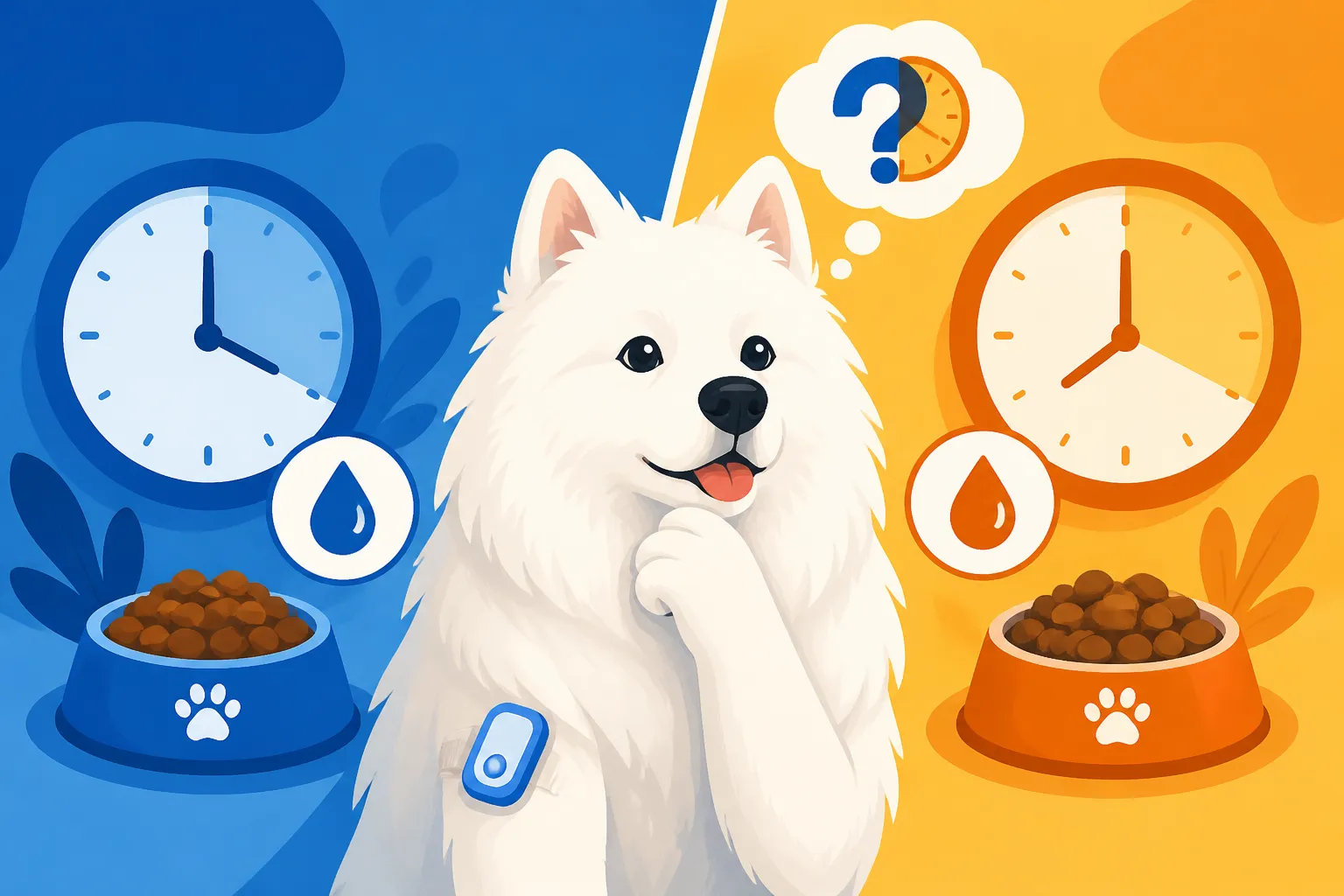
This is where the rubber meets the road. Insulin isn't a "one-and-done" injection that magically balances blood sugar all day. Different types of insulin have different onset times, peak effects, and durations. Your vet calculates the insulin dose based on your Samoyed's weight, the type of food they eat, and, crucially, a predictable feeding schedule. Most commonly, Samoyeds with diabetes will receive insulin twice a day, roughly 12 hours apart, immediately following or just prior to their meals. This timing is critical because the food provides the glucose that the insulin needs to process.
Imagine giving your Samoyed their insulin shot at 7 AM, but then delaying their breakfast until 9 AM. The insulin starts working, but there's no food for it to act upon. This can lead to a dangerously low blood sugar level, known as hypoglycemia. Conversely, if you feed them at 7 AM but don't give the insulin until 9 AM, their blood sugar will rise unchecked for two hours, leading to hyperglycemia, which, over time, can cause serious complications. The whole point is to have the insulin "meet" the glucose from the food in the bloodstream at the right time. This synchronization prevents extreme fluctuations and helps keep your Samoyed's blood sugar within a safe and stable range. Without this precise timing, the effectiveness of the insulin is severely compromised. It's truly a dance between food and medication, and you're the choreographer. Understanding How Often a Diabetic Samoyed Needs Insulin is the first step in mastering this rhythm.
Avoiding Blood Sugar Spikes and Crashes
The reason we strive for this tight synchronization is to avoid the roller coaster ride of blood sugar levels. When a diabetic Samoyed's meals are inconsistent, their blood sugar can either spike too high (hyperglycemia) or plummet too low (hypoglycemia).
Hyperglycemia, while not immediately life-threatening in most cases, leads to long-term damage if left unmanaged. Chronic high blood sugar can affect various organs, including kidneys and eyes, potentially leading to issues like cataracts or nerve damage. It's like a slow, insidious erosion of their health. Your Samoyed might seem lethargic, drink even more, and urinate excessively.
Hypoglycemia, however, is an emergency. If your Samoyed's blood sugar drops too low, too quickly, they might become disoriented, wobbly, weak, collapse, or even have seizures. This can happen if they don't eat enough after an insulin injection, if the insulin dose is too high, or if they've had unusual exercise without a corresponding adjustment in food or insulin. It's a terrifying scenario for any owner, and it emphasizes why consistency in both food and insulin timing is non-negotiable. Keeping their blood sugar in a steady, manageable range isn't just about comfort; it's about life preservation and preventing severe complications. Successfully Managing a Diabetic Samoyed depends heavily on this diligent approach.
Practical Strategies for Maintaining a Strict Feeding Schedule
Let's be real, life happens. But for a diabetic Samoyed, "life happening" can translate into real danger. The trick is to create a routine that is as robust and foolproof as possible, minimizing the chances of human error impacting your dog's critical care.
Creating a Routine and Sticking to It
Establishing a rock-solid routine is your best defense against inconsistent blood sugar. Start by picking two times of day, roughly 12 hours apart, that you can commit to absolutely, come hell or high water. For many people, this means early morning and early evening, perhaps 7 AM and 7 PM. Write these times down, set alarms on your phone, and make them non-negotiable appointments.
Think about how your life typically runs. Are you an early riser or do you hit snooze five times? Do you work late some nights? Build the schedule around your realistic availability. If you live with others, ensure everyone understands the critical importance of these timings. Perhaps you prep their meals in advance, portioned out for the entire week, so there's no last-minute fuss. Automatic feeders can be a godsend for some, offering a reliable way to dispense food at precise times, especially if your schedule isn't always consistent. You can find a wide range of these, from simple timers to more advanced smart feeders that connect to your phone, on platforms like Chewy or Amazon. Just remember to ensure any automatic feeder you choose is robust enough not to be outsmarted by a clever Samoyed!
Consistency also extends beyond just the clock. The amount of food, the type of food, and even the ingredients within that food should remain as constant as possible from day to day. Any changes, even small ones, should be discussed with your vet, as they might necessitate an insulin adjustment.
Handling Unexpected Situations and Deviations
No matter how meticulous you are, there will inevitably be times when the routine gets thrown off. This is where preparedness comes in.
What if your Samoyed refuses to eat their meal? This is a common and terrifying scenario. Never give a full insulin dose to a dog that hasn't eaten, or has eaten very little. If they only nibble, you might need to give a reduced dose, or even skip it, depending on your vet's specific instructions. This is why having an emergency protocol from your vet is paramount. They might advise having a small tube of glucose paste (like Nutri-Cal or similar) on hand to quickly bring up blood sugar if you have given insulin and they then refuse food, or if you suspect hypoglycemia for any reason. Every diabetic owner should know the signs of hypoglycemia and how to respond immediately.
What if you're delayed getting home, or an emergency pops up? Try to have a backup plan. Can a trusted neighbor or friend step in and feed/inject at the exact time? Provide clear, written instructions and ensure they're comfortable with the process. For longer absences, a specialized pet sitter who can administer injections is a must. Monitoring tools, like a pet-specific glucometer or even a continuous glucose monitor (CGM), which you can often purchase through your vet or from online retailers like Amazon, can provide invaluable real-time data if you're ever in doubt. Learning What a Continuous Glucose Monitor Involves for a Samoyed can offer immense peace of mind. Always, always have your vet's emergency number on speed dial.
Treats and Other Food Considerations
It's tempting to want to spoil our Samoyeds, and treats are a big part of that for many owners. However, for a diabetic Samoyed, treats are not just an extra snack; they are part of their overall caloric and carbohydrate intake that must be factored into their blood sugar management. Giving unmeasured or inappropriate treats can easily derail a perfectly balanced insulin and meal schedule, leading to those dangerous spikes or crashes we discussed.
The best approach is to limit treats to small, consistent portions of low-carbohydrate options. Things like small pieces of cooked lean meat (chicken breast), plain green beans, or specially formulated diabetic treats can often work. Even with these, you should discuss them with your vet to see how they fit into your Samoyed’s daily allowance and insulin requirements. Some premium pet food services, like Ollie, offer human-grade fresh food that could potentially be adapted for a diabetic dog, but again, this is a conversation you absolutely need to have with your veterinarian to ensure it's balanced correctly for their specific needs and insulin regimen. You should always aim for predictability. Remember, Whether a Samoyed's Treats Should Be Counted as Calories isn't a question; it's a fundamental truth for diabetic pet parents.
Long-Term Health and Quality of Life
The thought of managing a chronic illness for your Samoyed can feel overwhelming, but with diligence and a strong partnership with your vet, a diabetic Samoyed can still live a wonderful, joyful life. The key is consistent, proactive care.
Regular Veterinary Consultations and Adjustments
Diabetes management is not a "set it and forget it" situation. Your Samoyed's needs will change over time due to various factors like age, activity level, weight fluctuations, or even other health issues that might arise. This means regular check-ups with your veterinarian are absolutely non-negotiable. These appointments will involve blood tests, urine analysis, and often glucose curves, where your Samoyed's blood sugar is monitored over several hours after a meal and insulin injection. This helps your vet fine-tune the insulin dose, ensuring it's still appropriate and effective.
Think of your vet as your co-pilot on this journey. They are there to guide you, interpret the data, and make crucial adjustments. Don't hesitate to ask questions, voice concerns, or report any changes you've observed at home. These regular consultations are pivotal in preventing complications and ensuring your Samoyed receives optimal care. They'll advise you on How Often a Diabetic Samoyed Needs Rechecks and what to expect during these visits.
Observing Your Samoyed for Subtle Changes
Samoyeds are famously stoic. They're bred to withstand harsh conditions, and often, they'll try to hide discomfort or illness. This "Samoyed smile" can sometimes mask symptoms, making it even more important for you, as their owner, to be hyper-vigilant for subtle changes in their behavior or physical condition.
Beyond the obvious signs of excessive thirst or urination, look for shifts in appetite, energy levels, or mood. Is their coat looking duller? Are they less enthusiastic about their favorite walk? Are their eyes starting to look cloudy, which could indicate diabetic cataracts? These small cues can be indicators that their blood sugar is not well-controlled, even if you're sticking to the routine. Keeping a daily log of their food intake, water consumption, urination frequency, and general demeanor can be incredibly helpful for spotting trends and discussing them with your vet. Your ability to pick up on How a Samoyed Hides Illness Behind a Smile is a superpower when managing a chronic condition like diabetes.
The Link Between Diet, Timing, and Overall Well-being
Ultimately, the strict attention to diet and feeding timing for your diabetic Samoyed isn't just about managing a disease; it's about preserving their quality of life. A well-controlled diabetic Samoyed can continue to enjoy walks, play with toys, and cuddle on the couch, often living many happy years post-diagnosis. They can still be the joyous, fluffy companion you know and love.
The alternative – inconsistent care – leads to a dog that feels unwell more often, is at higher risk for dangerous complications, and potentially has a significantly shortened lifespan. It’s a commitment, no doubt, but one that is incredibly rewarding. Seeing your Samoyed thriving, with stable blood sugar and plenty of energy, is the greatest testament to your dedication. It means giving them the best chance at a full and happy life, proving that Whether a Diabetic Samoyed Lives a Normal Span is largely within your careful management.
Here's a quick summary of why consistency is key for your diabetic Samoyed:
| Aspect | Consistent Feeding & Insulin Routine | Inconsistent Feeding & Insulin Routine |
|---|---|---|
| Blood Sugar Stability | Predictable, steady levels | Wild fluctuations, spikes, and crashes |
| Insulin Effectiveness | Optimized, works as intended | Impaired, leads to under or over-dosing effects |
| Risk of Hypoglycemia | Significantly reduced | High risk, potential for emergency situations |
| Risk of Hyperglycemia | Reduced, better long-term health outcomes | Increased, higher risk of complications (cataracts) |
| Vet Management | Easier to adjust, clearer data for dose changes | Difficult to pinpoint issues, frequent re-evaluation |
| Samoyed's Well-being | More stable energy, better overall health | Lethargy, irritability, increased illness |
| Owner Stress | More manageable, peace of mind | Constant worry, potential for emergencies |
Disclaimer
This article is for general informational purposes only and does not constitute professional advice. Laws, prices and regulations vary by location and change over time. Consult a qualified professional for guidance on your specific situation.