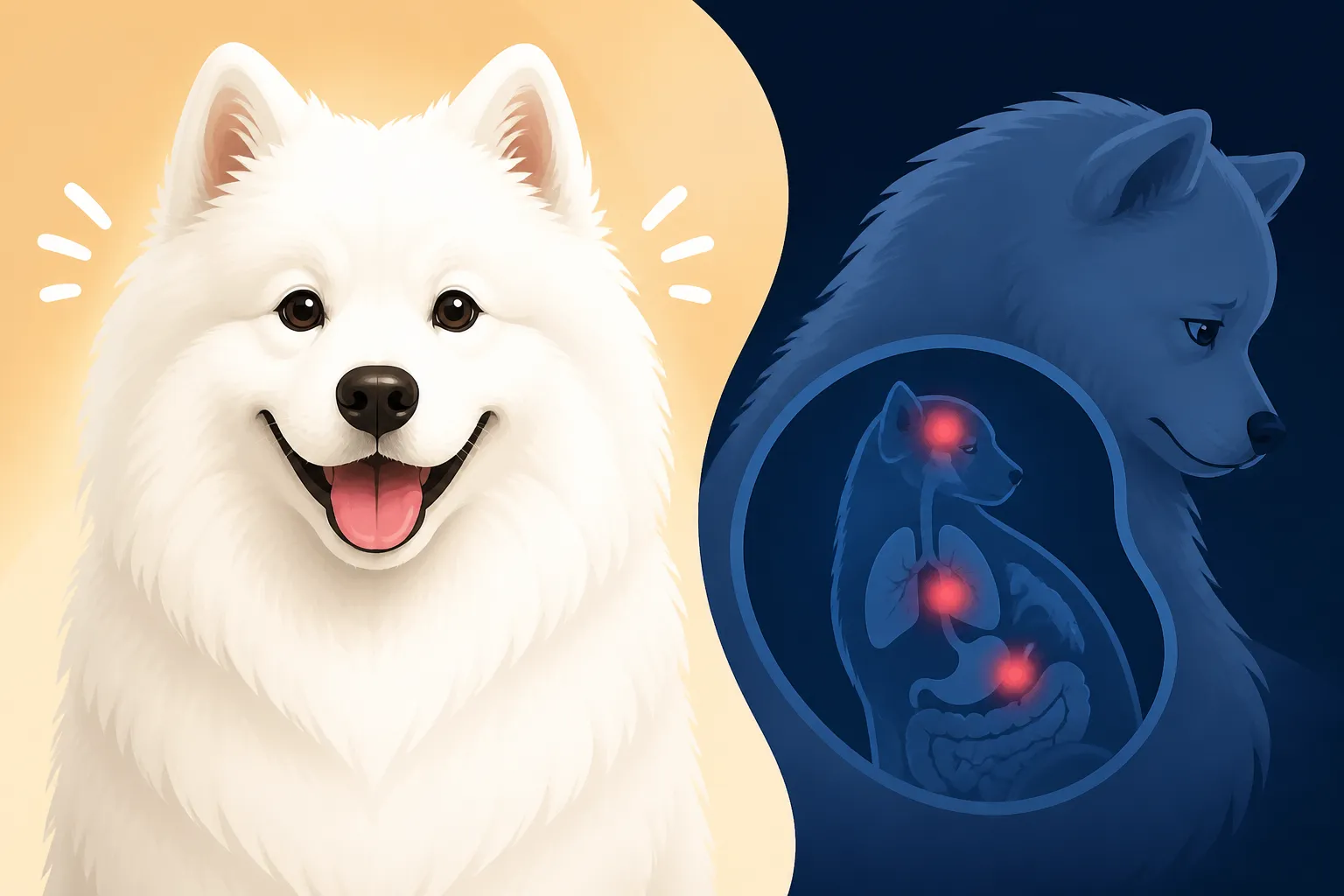
How a Samoyed Hides Illness Behind a Smile
Oh, the Samoyed smile! It's one of the most endearing qualities of our beautiful, fluffy companions, right? That perpetually happy, upturned mouth makes them look like they're always in a good mood, ready for an adventure or a cuddle. But here's the thing about that charming smile: it's a masterful disguise. Samoyeds, with their deep-rooted evolutionary instincts, are incredibly stoic animals, often masking discomfort or illness until a condition is quite advanced. This guide is here to peel back the layers of that lovely, deceptive grin and help you learn how to spot the subtle, crucial signs that your Samoyed might not be feeling their best.
The Deceptive Samoyed Smile: More Than Just a Happy Face
That iconic "Samoyed smile" isn't just for show; it's a testament to their heritage and, ironically, one of the biggest challenges for us, their human companions. While it brings joy to our hearts, it can also make it incredibly difficult to discern when something is genuinely wrong with our seemingly cheerful pups. Understanding the roots of this trait can help us better appreciate the need for vigilant observation.
The Evolutionary Roots of the Samoyed Smile
Think about where Samoyeds come from: the frozen tundras of Siberia, living alongside the Nenets people for thousands of years. In such a harsh, unforgiving environment, showing weakness was a death sentence. A sick or injured animal would quickly become a target for predators or be culled by the tribe to conserve resources. This ingrained instinct to hide pain or discomfort is deeply woven into their genetic fabric, making them incredibly stoic creatures. That upturned mouth, preventing drool from forming icicles in freezing temperatures, coincidentally gives them that perpetually cheerful appearance. It's a functional adaptation that became a defining breed characteristic, projecting an image of robust health and unshakeable happiness, even when they might be battling something internally.
This stoicism meant that only the toughest, most resilient dogs survived and passed on their genes. Over generations, this natural selection reinforced the tendency for Samoyeds to power through discomfort without outward complaint. They learned to adapt, to push through, and to continue their work as herders and sled dogs, even when they might have been experiencing aches, pains, or internal ailments. This makes them incredibly brave and resilient, but it also places a significant burden on us, their owners, to become experts in reading their subtle cues. We can't rely on the dramatic limps or mournful whimpers we might see in other breeds; our Samoyeds are often quietly enduring.
So, while we adore that "Samoyed smile" for its sunny disposition, it's crucial to remember that it's a part of a survival mechanism. It’s a beautiful trait, but one that demands a heightened level of awareness and intuition from us. We must learn to look beyond the surface happiness and truly understand our dog's baseline behaviors, so any deviation, no matter how small, stands out. It's not that they're trying to fool us; it's simply how they've been wired to survive and thrive for millennia.
How the "Smile" Masks Discomfort
The charming visual of a smiling Samoyed often leads us to interpret all their expressions through a lens of joy. We see the curve of their lips and assume all is well, inadvertently overlooking more nuanced signals. A Samoyed might be experiencing significant pain, but their natural facial structure can literally mask the subtle tensing or discomfort that another breed's face might more clearly reveal. Their bright, intelligent eyes can still sparkle, even if they're feeling nauseous or achy, making it hard to connect the dots.
Instead of clear vocalizations or obvious limps, a Samoyed might offer very subtle changes in body language. Maybe they shift their weight slightly when lying down, favoring one side. Perhaps they're a fraction slower getting up from a nap, or they hesitate just a moment before jumping onto the couch. These are not dramatic displays, but rather fleeting moments that, if missed, allow the underlying issue to progress unnoticed. Owners often describe their Samoyeds as "just being a little quiet" or "not quite themselves," without being able to pinpoint exactly why. This vague feeling is often your intuition picking up on those tiny, almost imperceptible changes that the smile works so hard to conceal.
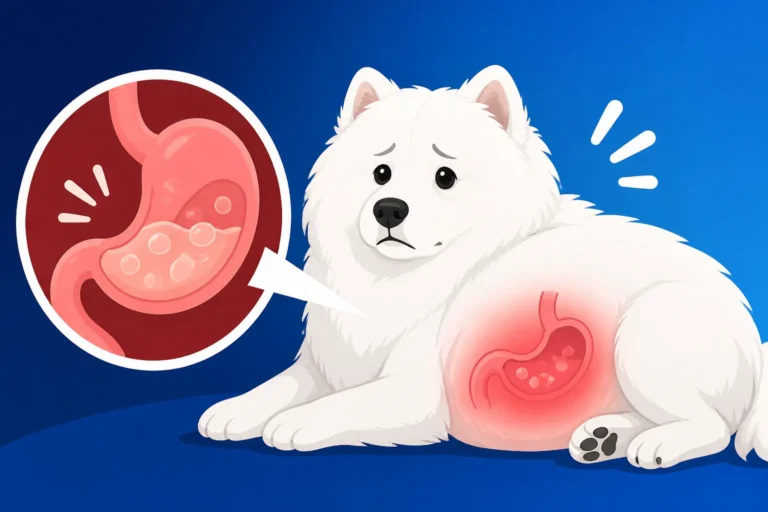
Consider a scenario where your Samoyed has a mild stomach ache. Another breed might refuse food, whine, or repeatedly try to vomit. Your Samoyed, however, might still approach their food bowl, perhaps take a few bites, and then walk away, or eat much slower than usual. They might lie down in a slightly unusual position, or lick their lips a little more frequently, but their face will likely maintain that characteristic "smile." It's incredibly challenging, but it means we must pay close attention to the totality of their behavior, rather than just their seemingly happy demeanor. We have to become detectives, piecing together these minute clues to truly understand what's happening beneath that glorious white coat and cheerful expression.
Common Samoyed Health Issues Often Hidden
Because of their stoic nature and that ever-present smile, certain health problems in Samoyeds can advance considerably before an owner realizes anything is amiss. Early detection is key for many conditions, and understanding which ones are particularly prone to being hidden can help you be more proactive in your observations and veterinary care.
Kidney Disease: The Silent Threat
One of the most devastating conditions that Samoyeds can face is kidney disease, particularly The Kidney Disease That Kills Samoyed Males Before Fifteen Months, known as Samoyed Hereditary Glomerulopathy (SHG). This inherited disorder can begin to affect male puppies alarmingly early, but because Samoyeds are so adept at hiding illness, the initial signs can be incredibly subtle, easily dismissed, or simply not noticed until the disease has progressed significantly.
Initially, a Samoyed developing kidney issues might show only very slight changes, such as a barely perceptible increase in thirst or a marginal decrease in appetite. You might notice their water bowl needs refilling a little more often, or they might take a bit longer to finish their meal. These aren't dramatic shifts; they're the kind of changes that can easily be attributed to a warm day, a particularly exciting walk, or just a finicky mood. The reality is that What Samoyed Hereditary Glomerulopathy Does to the Kidneys is a progressive condition where the kidneys gradually lose their ability to filter waste, and early intervention can be critical in managing its progression, even if it cannot be cured.
By the time more obvious symptoms like vomiting, severe lethargy, or significant weight loss appear, the kidney damage is often extensive. The Samoyed's inherent stoicism means they won't cry out or show overt signs of pain, even as their kidneys are failing. This makes it imperative for owners to be hyper-vigilant about subtle behavioral changes and to advocate for routine screening tests. Pay close attention to Signs a Samoyed Is Losing Protein in Its Urine, which can be one of the earliest indicators detected through a simple urine test. Regular vet check-ups and open communication with your veterinarian are paramount to catch this silent threat before it becomes critical.
Joint Pain and Mobility Issues
Samoyeds are active, playful dogs, and it’s heart-wrenching to think they might be enduring joint pain while still trying to engage in their favorite activities. Conditions like Hip Dysplasia in a Samoyed or elbow dysplasia are unfortunately seen in the breed. The insidious nature of these conditions is that they often start as mild discomfort, which a stoic Samoyed will try to power through, especially if they are young and full of spirit.
You might notice a Samoyed with early joint pain having a slightly altered gait – perhaps a subtle stiffness after a long nap, or a reluctance to jump into the car or onto the bed that wasn't there before. They might still chase a ball, but their stride might be shorter, or they might not accelerate as quickly. Owners often mistake this for normal aging, particularly if their dog is past puppyhood, or simply attribute it to an "off" day. The problem is, these small signs accumulate, and by the time a full-blown limp or obvious difficulty moving presents itself, the arthritis or joint degeneration has likely become quite advanced.
Their high pain tolerance, combined with a desire to please and engage, can lead them to push past what would be incapacitating pain for another breed. A Samoyed might still greet you with a happy bounce, even if that bounce sends a jolt of pain through an arthritic hip. This makes it crucial to observe them during their relaxed moments as well as during activity. Watch how they lie down, how they get up, and if they're hesitant to use stairs. Pet insurance providers, like Healthy Paws, can be incredibly helpful in covering the often-expensive diagnostic imaging, medications, and potential surgeries needed to manage these chronic joint conditions, allowing you to prioritize your Samoyed's comfort without undue financial stress.
Pancreatitis and Digestive Upset
Digestive issues, such as pancreatitis, can be acutely painful and debilitating, but once again, a Samoyed might hide the severity of their discomfort behind that cheerful facade. Why Pancreatitis Precedes Samoyed Diabetes is a critical piece of information because chronic or acute pancreatitis can lead to other serious health problems. The initial signs of a digestive upset can be very non-specific, making them easy to overlook, especially in a breed that doesn't overtly complain.
A Samoyed with mild pancreatitis might just seem "off." They might be a bit more lethargic than usual, have a slightly decreased appetite, or appear a little restless. Their fluffy coat can easily hide subtle abdominal discomfort or a loss of condition. You might notice them lying in an unusual position or stretching more frequently, trying to alleviate a cramp. Some owners might just think their dog ate something a little funky in the yard, expecting them to bounce back quickly. However, without intervention, pancreatitis can escalate rapidly, leading to severe vomiting, diarrhea, dehydration, and even systemic shock.
The danger here is that their stoic nature prevents them from showing the intense pain that this condition truly causes. They won't typically yelp or cry even when experiencing significant abdominal distress. Instead, they might become quieter, withdraw slightly, or simply not greet you with their usual exuberance. If you notice persistent changes in eating habits, occasional vomiting, or a general malaise that lasts more than a day, it's always best to consult your vet. Early detection and management of pancreatitis are vital, not just for the immediate comfort of your Samoyed, but also to prevent the long-term complications that can arise.
Behavioral Shifts: Early Warning Signals
Beyond their physical presentation, a Samoyed's behavior is a rich tapestry of information. When they're not feeling well, even if they're trying to hide it, subtle shifts in their daily routines, energy levels, and overall demeanor can be your earliest and most reliable indicators that something is amiss. Learning to read these changes is like learning a whole new language.
Changes in Appetite and Thirst
One of the most common and often overlooked indicators of underlying health issues in Samoyeds involves their intake of food and water. It's rarely a dramatic refusal to eat or drink, especially at first. Instead, it's often a subtle deviation from their normal patterns that, if you're not paying close attention, can slip by unnoticed.
Instead of outright skipping a meal, your Samoyed might start eating more slowly, picking at their food, or leaving a small portion behind when they usually clean the bowl. Perhaps they're suddenly more finicky, turning their nose up at a familiar treat, or only wanting to eat certain high-value items. This isn't just about being "stubborn" or "picky"; it can signal nausea, dental pain, or a generalized feeling of unwellness. For instance, dogs with Diabetes in a Middle Aged Samoyed often show a marked increase in appetite initially, while later, as the disease progresses, they might become less interested in food due to feeling poorly.
Conversely, an increase in thirst is a major red flag that many owners miss or dismiss as normal for an active dog. While Samoyeds do love to drink, if you find yourself refilling their water bowl significantly more often, or they're waking you up at night to go outside more, it could be a sign of kidney disease, diabetes, or even a urinary tract infection. For example, Signs a Samoyed Has Become Diabetic almost always include increased thirst and urination. Keeping an eye on these intake habits, perhaps even by measuring their daily water consumption if you suspect a change, can provide crucial early insights into their health. Don't just assume they're thirsty from play; a consistent, noticeable increase warrants a call to your vet.
Altered Energy Levels and Play Drive
A Samoyed is typically a bundle of joy and energy, eager for walks, playtime, and engaging with their family. When they’re not feeling well, this characteristic exuberance often wanes, but in a way that’s easily mistaken for normal fatigue or just a relaxed mood. They won't usually lie around dramatically, groaning with discomfort; instead, their dip in energy is often presented as a slight decrease in enthusiasm.
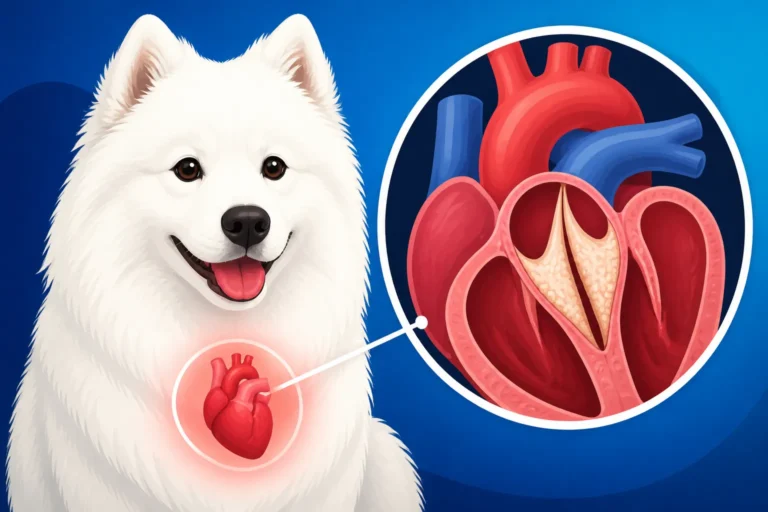
You might notice your Samoyed is a little slower to greet you at the door, or perhaps they don't bring you their favorite toy with the same vigorous tail wag. On walks, they might lag slightly behind, or show less interest in sniffing around. Their desire for playtime might diminish, preferring to observe from a distance rather than join in. This isn't necessarily lethargy, but rather a subtle reduction in their typical zest for life. It could be a sign of something as simple as muscle soreness or as serious as early heart issues, such as Aortic Stenosis in a Samoyed, which can reduce their stamina.
It's easy to rationalize these changes: "Oh, they just had a long walk yesterday," or "It's a hot day, they're probably tired." However, if these subtle shifts in energy and play drive persist for more than a day or two, it’s worth investigating. Compare their current activity levels to their usual baseline. Do they spend more time napping? Are they less enthusiastic about their favorite activities? These observations are vital because a truly healthy Samoyed, regardless of age, usually maintains a consistent level of happy engagement, and any deviation should be taken seriously.
Subtle Personality Changes
Samoyeds are known for their outgoing, friendly, and often mischievous personalities. They thrive on interaction and being part of the family. When a Samoyed is hiding illness, their personality might shift in subtle, almost imperceptible ways that, again, can easily be misinterpreted. It’s not usually aggression or severe withdrawal, but rather a quiet alteration in their social interactions.
A previously outgoing Samoyed might become a little more reserved, choosing to lie in a different room rather than follow you from room to room. They might seek out less attention, or conversely, become unusually clingy and dependent. Sometimes, a Samoyed in pain might become slightly less tolerant of being handled, especially in a specific area of their body. A normally gentle nudge from a child might elicit a quick turn of the head or a subtle stiffening of the body, indicating discomfort rather than annoyance. This is where the profound truth of Whether a Samoyed Complains When It Hurts becomes clear – they rarely do so overtly.
These shifts are often so understated that family members might notice them independently but not connect them to a health issue. One person might say, "Fido seems a bit more quiet lately," while another observes, "He’s been laying under the kitchen table more." Each observation on its own might seem insignificant, but when combined, they can paint a picture of a dog that isn’t feeling 100%. Trust your gut when you sense your Samoyed is "not quite themselves." These slight personality changes are often the dog's quiet way of telling you that something is wrong, without breaking their stoic demeanor or dropping their happy smile.
The Importance of Routine Observation and Health Checks
Given how adept Samoyeds are at masking discomfort, routine observation and proactive health checks become incredibly important. It’s not just about reacting when something is clearly wrong; it’s about establishing a baseline and consistently monitoring for even the tiniest deviations. This requires a hands-on approach and a keen eye for detail.
Daily "Health Checks" at Home
Incorporating daily or weekly "health checks" into your routine can be a game-changer for early detection. This isn't just a quick pat on the head; it’s a deliberate, gentle examination of your Samoyed from nose to tail. Start by feeling their body, running your hands over their ribs, spine, and joints. Pay attention to any lumps, bumps, swelling, or areas where they might flinch or tense up. This tactile check is crucial, especially with their dense double coat that can hide a lot visually. This can help you monitor What a Samoyed Actually Weighs and catch subtle weight loss or gain that might indicate internal issues.
Beyond touch, observe their eating, drinking, and elimination habits meticulously. Are they finishing their food with the same gusto? Is their water intake consistent? Are their stools normal in consistency and frequency? Any sustained change here warrants attention. Look at their eyes for clarity, their nose for discharge, and their ears for redness or odor. A quick glance at their gums – they should be pink and moist – can give you a snapshot of their hydration status. Making these checks a positive experience, perhaps paired with treats or praise, can turn it into a bonding ritual rather than a dreaded inspection.
Don't forget to check their paws, looking between the pads for any cuts, foreign objects, or inflammation. Remember, a small cut can be surprisingly painful and can lead to compensatory limping that a Samoyed tries to hide. By being thorough and consistent, you build a comprehensive understanding of your Samoyed's normal state, making it far easier to spot any anomaly. This proactive approach ensures that you're not just waiting for overt signs of illness, but actively seeking out potential problems before they become severe.
Regular Veterinary Examinations
No matter how vigilant you are at home, nothing replaces the expertise of a veterinarian. Regular check-ups are the cornerstone of proactive health management for any Samoyed, serving as a critical safeguard against their stoic nature. Even if your Samoyed appears to be the picture of health, annual (or even bi-annual for seniors) examinations are absolutely non-negotiable.
During these visits, your vet can perform a thorough physical examination, checking vital signs, listening to their heart and lungs, palpating their abdomen, and assessing their overall body condition – all things that can be harder for an owner to accurately gauge through a thick Samoyed coat. They can also perform routine diagnostic screenings that reveal hidden issues. For instance, a simple urinalysis can detect protein loss in the urine, an early indicator of kidney disease, which is why Why a Samoyed's Urine Should Be Tested Young is a critical piece of advice, especially given the prevalence of Samoyed Hereditary Glomerulopathy.
Beyond the physical, these visits are your opportunity to voice any subtle concerns you’ve observed at home, even if they seem minor. Your vet can connect the dots between slight changes in behavior, appetite, or energy levels and potential underlying health problems. Don't be afraid to bring a list of questions or observations. Early intervention often leads to better outcomes and can significantly improve your Samoyed's quality of life, especially for chronic conditions. Proactive vet visits are not just about treating illness; they're about preventing it, or catching it at its most manageable stage.
Diagnostic Tools and Early Detection
When your Samoyed’s smile hides illness, diagnostic tools become indispensable allies in uncovering what's truly going on beneath the surface. These tools allow veterinarians to delve deeper than a physical exam, providing objective data that confirms or rules out suspicions based on those subtle behavioral changes you've been observing.
Routine bloodwork, which typically includes a complete blood count (CBC) and a chemistry panel, can provide a wealth of information about organ function, hydration, and the presence of infection or inflammation. For example, elevated kidney values in a chemistry panel would be a clear indicator of kidney compromise, even if your Samoyed appears outwardly fine. Similarly, a urinalysis not only checks for infection but also assesses kidney function by looking at urine specific gravity and the presence of protein, an early marker for certain kidney diseases. The value of establishing baseline results when your Samoyed is young cannot be overstated, as future tests can then be compared to their healthy norms.
For specific breed concerns, genetic testing plays a vital role. For Samoyeds, The COL4A5 Test Every Samoyed Buyer Should Ask About is paramount. This DNA test identifies carriers and affected males for Samoyed Hereditary Glomerulopathy, allowing breeders to make informed decisions and enabling owners of affected males to implement monitoring and supportive care from an early age. Beyond blood and urine tests, imaging techniques like X-rays, ultrasounds, and even MRI/CT scans can visualize internal organs and structures, helping to diagnose issues like joint disease, internal masses, or gastrointestinal problems that a Samoyed would never openly complain about. These objective tools are crucial for getting a clear picture of your Samoyed's health, bypassing their natural instinct to mask discomfort.
| Sign Category | Subtle Indicators (Easy to Miss) | Obvious Indicators (Hard to Ignore) | Potential Underlying Issues |
|---|---|---|---|
| Appetite | Eating slower, leaving small bits, slightly pickier, occasional skipped meal | Refusing all food, vomiting, significant weight loss | Nausea, dental pain, kidney disease, diabetes, pancreatitis, cancer |
| Thirst/Urination | Water bowl needs refilling slightly more, waking up once more for potty breaks | Constant drinking, frequent urination accidents indoors | Kidney disease, diabetes, urinary tract infection, Cushing's disease |
| Energy/Activity | Slower to rise, less enthusiastic for walks/play, more napping than usual | Lethargy, inability to get up, reluctance to move, persistent limping | Joint pain (hip/elbow dysplasia), heart disease, chronic pain, anemia |
| Behavior/Temperament | Slightly withdrawn, less interactive, clingier, subtle stiffening to touch | Aggression, prolonged hiding, yelping, uncontrollable shaking | Pain, fear, neurological issues, anxiety, internal discomfort |
| Physical Appearance | Mild coat dullness, subtle abdominal tuck or fullness, slight swelling on joint | Profound coat changes, visible lumps, severe swelling, obvious lameness | Allergies, organ enlargement, tumors, joint inflammation |
| Breathing | Slightly faster breathing at rest, occasional soft cough | Labored breathing, open-mouth panting (when not hot/exercising), persistent deep cough | Heart disease, lung issues, respiratory infection, pain |
Creating an Environment for Open Communication
For a Samoyed, "open communication" doesn't mean talking; it means creating a bond of trust and an environment where they feel safe enough to subtly show you their vulnerabilities, even when their instincts tell them to hide it. It's about learning their language and fostering a sense of security.
Building Trust and Comfort
Creating a strong, trusting relationship with your Samoyed is paramount in helping them communicate their needs, especially when they're not feeling well. A dog that trusts you implicitly is more likely to give you those tiny, fleeting signals of discomfort that you're looking for. This trust is built through consistent positive reinforcement, gentle handling, and always making interactions a positive experience. When you perform your daily health checks, do it calmly, with a soothing voice and plenty of treats. Make it enjoyable, not intrusive.
Consider how your Samoyed reacts to being touched in various places. If they generally tolerate or enjoy belly rubs, ear scratches, and paw inspections, they are more likely to allow you to check for sensitive areas if you suspect something is wrong. If they are wary of being handled, it can become much harder to examine them without causing additional stress or making them defensive. Making vet visits as stress-free as possible also contributes to this trust. Find a vet and staff who understand the Samoyed temperament and take the time to build rapport with your dog. A positive association with clinic visits means they're less likely to hide symptoms due to fear or anxiety during an examination.
Ultimately, your Samoyed needs to feel that you are a safe, predictable, and benevolent leader who will listen to their subtle cues and act in their best interest. This deep bond encourages them to "let down their guard" just enough for you to notice when that signature smile is perhaps just a little too fixed, or when their tail isn't quite wagging with its usual carefree sweep. It's an ongoing process of mutual understanding and respect, critical for piercing through their natural stoicism.
Understanding Samoyed Stoicism
Understanding Samoyed stoicism isn't just about acknowledging it; it's about deeply appreciating its historical context and how that shapes your dog's current behavior. These dogs were bred for survival in extreme conditions, where showing weakness meant being left behind. This isn't just a quirk; it's a fundamental aspect of their being, making them incredibly resilient but also incredibly challenging to read when unwell. They don't want to bother you, and their instinct is to push through discomfort.
This inherent trait means that you, as the owner, must adopt a proactive rather than reactive approach to their health. You cannot wait for them to cry out, limp dramatically, or refuse food outright. By the time a Samoyed shows such obvious signs, they are often in significant distress, and the underlying condition has likely progressed substantially. This is why regular at-home checks, annual vet visits, and a deep understanding of your specific dog's quirks are so vital. You are effectively acting as their interpreter, translating their subtle behavioral shifts into actionable health concerns.
It's also important to differentiate between a healthy, calm demeanor and a stoic masking of pain. A content Samoyed might be quiet and relaxed, but they will still be responsive and engaged when prompted. A Samoyed masking pain might be quiet and withdrawn, resisting interaction or showing subtle signs of discomfort when moving. Their stoicism, while admirable, places a heavy responsibility on us to be their voice and their advocate. We must constantly question that ever-present smile and ask ourselves if it's truly reflecting happiness, or if it's a masterful camouflage for something more serious.
When to Seek Veterinary Attention
Even with the best at-home observation, there are times when your Samoyed's subtle signals transform into clear cries for help, or when your intuition simply screams that something is wrong. Knowing when to escalate your concerns to a professional is a critical part of Samoyed ownership.
Telltale Signs That Can't Wait
While Samoyeds are masters of disguise, there are certain telltale signs that should prompt immediate veterinary attention, without delay. These are indicators that often signify a more serious, acute problem or an advanced stage of a chronic condition. Such signs include sudden, unexplained lethargy where your Samoyed is unresponsive or unusually sluggish, persistent vomiting or diarrhea (especially if there's blood), difficulty breathing (characterized by rapid, shallow breaths, or open-mouth panting when not exercising or hot), or obvious signs of pain, such as sustained limping or vocalizing when touched.
Any sudden and significant change in their behavior, even if it doesn't fit neatly into a category, should be heeded. For instance, if your typically social Samoyed suddenly isolates themselves, or if they seem disoriented or unbalanced, these are not things to wait out. Trust your gut feeling as an owner. You know your Samoyed better than anyone. If something feels fundamentally "off," it usually is. It's always better to err on the side of caution and get them checked by a professional. A quick visit to the vet for an assessment can rule out serious issues or confirm the need for urgent treatment.
Remember, a Samoyed's instinct is to hide their vulnerability. When they finally show these more dramatic signs, it means they are likely beyond their coping mechanisms and truly need immediate help. Providers like Healthy Paws offer comprehensive pet insurance plans that can cover emergencies, accidents, and illnesses, giving you peace of mind that you can seek immediate veterinary care without financial hesitation when these urgent signs appear. Don't second-guess yourself when your Samoyed's health is on the line.
Preparing for a Vet Visit
When you recognize that your Samoyed needs professional attention, being prepared for the vet visit can make a significant difference in the diagnostic process. Vets rely heavily on the information you provide, so clear, concise observations are incredibly valuable. Before you go, take a few minutes to jot down everything you’ve noticed.
Start a log of symptoms: when did you first notice changes? What exactly were those changes (e.g., decreased appetite, increased water intake, a cough)? How often do they occur? Have they gotten worse, stayed the same, or fluctuated? Note any specific times of day or activities that seem to trigger or worsen the symptoms. For instance, "He coughs more after drinking water," or "He limps after long walks." Also, record any changes in their environment, diet, or medication, even seemingly unrelated ones. This detailed timeline and specific observations provide your vet with a clearer picture than a general "he's not himself."
Be ready to answer questions about your Samoyed's normal routine, their diet, their vaccination history, and any pre-existing conditions. If you have been monitoring their water intake or tracking their weight, bring those numbers. Don't be shy about asking questions yourself – about potential diagnoses, treatment options, prognosis, and expected costs. Discussing how pet insurance from companies like Healthy Paws can alleviate the financial pressure of diagnostics and ongoing treatment is also a good idea. The more prepared and articulate you are, the more efficiently your vet can assess your Samoyed's condition and formulate an appropriate plan of action.
Long-Term Well-being: Beyond Early Detection
While catching illness early is critical, truly ensuring your Samoyed's long-term well-being goes beyond just detecting problems. It's about proactive care that supports their physical and mental health throughout their The Twelve to Fourteen Years a Samoyed Lives, recognizing that a holistic approach is key to a happy, healthy life, especially as they enter their senior years.
Nutritional Support for Lifelong Health
Proper nutrition is fundamental to your Samoyed's overall health and resilience, directly impacting their ability to fight off illness and maintain vitality. It's not just about filling their bowl; it's about providing a diet tailored to their specific needs, age, and activity level. A high-quality dog food, whether kibble, raw, or fresh, should be the foundation, focusing on balanced nutrients without excessive fillers or artificial additives.
As Samoyeds age, or if they develop certain conditions, their dietary needs can change significantly. For instance, an older Samoyed might benefit from a diet formulated for seniors, with fewer calories to prevent weight gain and ingredients that support joint health. Conversely, a very active working Samoyed might need a higher calorie, more nutrient-dense diet. If your Samoyed is diagnosed with a condition like kidney disease or diabetes, a prescription diet may become a crucial part of their treatment plan, designed to support their ailing organs. Learning about Caring for a Samoyed Past Nine will often highlight the shift in nutritional needs as they enter their golden years.
Supplements can also play a role, but should always be discussed with your vet. Fish oil (Omega-3 fatty acids) can support skin, coat, and joint health. Glucosamine and chondroitin are often recommended for joint support, especially for breeds prone to hip or elbow dysplasia. A healthy gut microbiome, supported by probiotics, can also boost overall immunity and digestive health. Remember, every Samoyed is an individual, and their ideal diet might evolve over time, making ongoing consultation with your veterinarian essential for optimal nutritional support.
Mental and Physical Enrichment
A Samoyed's physical health is intrinsically linked to their mental well-being, and providing adequate mental and physical enrichment is crucial for their long-term happiness and health. These are intelligent, active dogs who thrive on having a "job" and being engaged. A bored or under-exercised Samoyed is not only more prone to destructive behaviors but can also display subtle signs of stress or depression that might mask underlying physical ailments.
Regular, appropriate exercise is paramount. This doesn't just mean a quick stroll around the block; Samoyeds need opportunities to run, play, and explore. This could be long hikes, off-leash play in a secure area, or even dog sports like agility, canicross, or sledding in appropriate climates. Consistent exercise helps maintain a healthy weight, strengthens muscles and joints, and keeps their cardiovascular system in top shape. More importantly, it allows them to burn off energy in a positive way, reducing anxiety and boredom, which can often manifest as changes in behavior that might be mistaken for illness.
Mental stimulation is just as vital. Samoyeds love to learn and solve problems. Incorporate training sessions, puzzle toys, scent work, or even just novel walks in new environments to keep their minds sharp and engaged. A mentally stimulated Samoyed is generally a happier Samoyed, making it easier for you to differentiate between genuine malaise and a temporary dip in enthusiasm. When a Samoyed consistently enjoys their walks, engages with toys, and participates in family activities, any decline in these areas becomes a much clearer indicator that something physical might be wrong, rather than just a case of the "blahs."
The Role of a Supportive Community
Navigating Samoyed ownership, especially when health concerns arise, can be challenging. Having a supportive community to lean on can be an invaluable resource, offering shared experiences, practical advice, and emotional support. You don't have to go it alone.
Connecting with other Samoyed owners, whether through local breed clubs, online forums, or social media groups, provides a platform for discussing common issues, sharing tips for recognizing subtle symptoms, and even recommending trusted veterinarians or specialists. Many experienced Samoyed owners have been through similar health scares and can offer insights into what to look for, what questions to ask your vet, and what treatments have worked for their dogs. This collective knowledge can be incredibly empowering, helping you feel more confident in advocating for your own Samoyed.
Your breeder, if they are responsible and reputable, should also be a lifelong resource. They know the lines, the genetic predispositions, and can often offer breed-specific advice or connect you with others who have faced similar challenges. Furthermore, organizations like the Samoyed Club of America often have health committees and educational resources dedicated to researching and providing information on breed-specific health concerns. By actively engaging with these communities, you build a network of support that can help you detect subtle illness in your Samoyed, understand the nuances of their care, and ensure they live the healthiest, happiest life possible.
Disclaimer
The information provided in this guide is for general educational and informational purposes only, and does not constitute veterinary advice. It is essential to consult with a qualified veterinarian for any health concerns or before making any decisions related to your Samoyed's medical care. Always seek the advice of a professional for diagnosis and treatment.