Signs a Samoyed Has Become Diabetic
It's incredibly distressing to watch your beloved Samoyed, a breed known for its exuberant joy and boundless energy, start showing subtle signs that something isn't quite right. That trademark Samoyed smile can hide a lot, making it even harder to pinpoint when they're truly feeling unwell. This guide aims to pull back the curtain on those early, often missed, indicators that your Samoyed might be developing diabetes, offering you clarity and actionable insights.
Understanding Diabetes Mellitus in Samoyeds
When we talk about diabetes in dogs, we're primarily referring to Diabetes Mellitus, a condition where your Samoyed's body either doesn't produce enough insulin or can't properly use the insulin it does produce. Insulin is a vital hormone that helps regulate blood sugar (glucose) levels, allowing glucose to enter cells for energy. Without proper insulin function, glucose builds up in the bloodstream, leading to a cascade of health issues.
What Diabetes Means for Your Samoyed
For your Samoyed, diabetes isn't just about high blood sugar; it's a systemic issue affecting their entire body. Over time, persistently high glucose levels can damage organs, including the kidneys, eyes, nerves, and heart. It can lead to a general feeling of malaise, weakness, and a diminished quality of life if left unmanaged. Imagine feeling sluggish and unwell all the time – that's often what a diabetic dog experiences. It's a condition that requires lifelong commitment to manage, but with diligence, many Samoyeds can still lead full and happy lives. If you're wondering about the overall outlook, you might want to read more about Whether a Diabetic Samoyed Lives a Normal Span.
Why Samoyeds Might Be Prone to Diabetes
While diabetes can affect any dog, some breeds, including Samoyeds, appear to have a higher predisposition. This isn't just anecdotal; research suggests a genetic component in some cases. It's a worry that often keeps Samoyed owners up at night, especially as their fluffy companions approach middle age. Generally, the condition is more commonly seen in middle-aged to older dogs, typically starting around 7-10 years old. If you're curious about the specific age range, delve into The Age a Samoyed Develops Diabetes. Unspayed female dogs are also statistically at a higher risk, likely due to hormonal fluctuations. Obesity is another significant risk factor, putting extra strain on the pancreas and insulin production.
The Role of the Pancreas
The pancreas is a small but mighty organ nestled near your Samoyed's stomach. It has two main jobs: producing digestive enzymes and creating hormones like insulin and glucagon. In diabetic dogs, the insulin-producing cells in the pancreas (called beta cells) are often damaged or destroyed. This is Type I diabetes, the most common form in dogs, where the body simply cannot produce enough insulin. In some cases, pancreatitis, an inflammation of the pancreas, can precede the onset of diabetes by damaging these crucial cells. Understanding Why Pancreatitis Precedes Samoyed Diabetes can give you a clearer picture of this connection. When the pancreas can't do its job properly, it's a major upset to the body's delicate balance.
Early Warning Signs: The Subtle Changes
Catching diabetes early in your Samoyed can make a world of difference in managing the condition and preserving their quality of life. The challenge is that these early signs can often be mistaken for normal aging or other less serious issues. It requires a keen eye and an attentive heart to pick up on these subtle shifts in behavior and physiology.
Increased Thirst and Urination (Polydipsia and Polyuria)
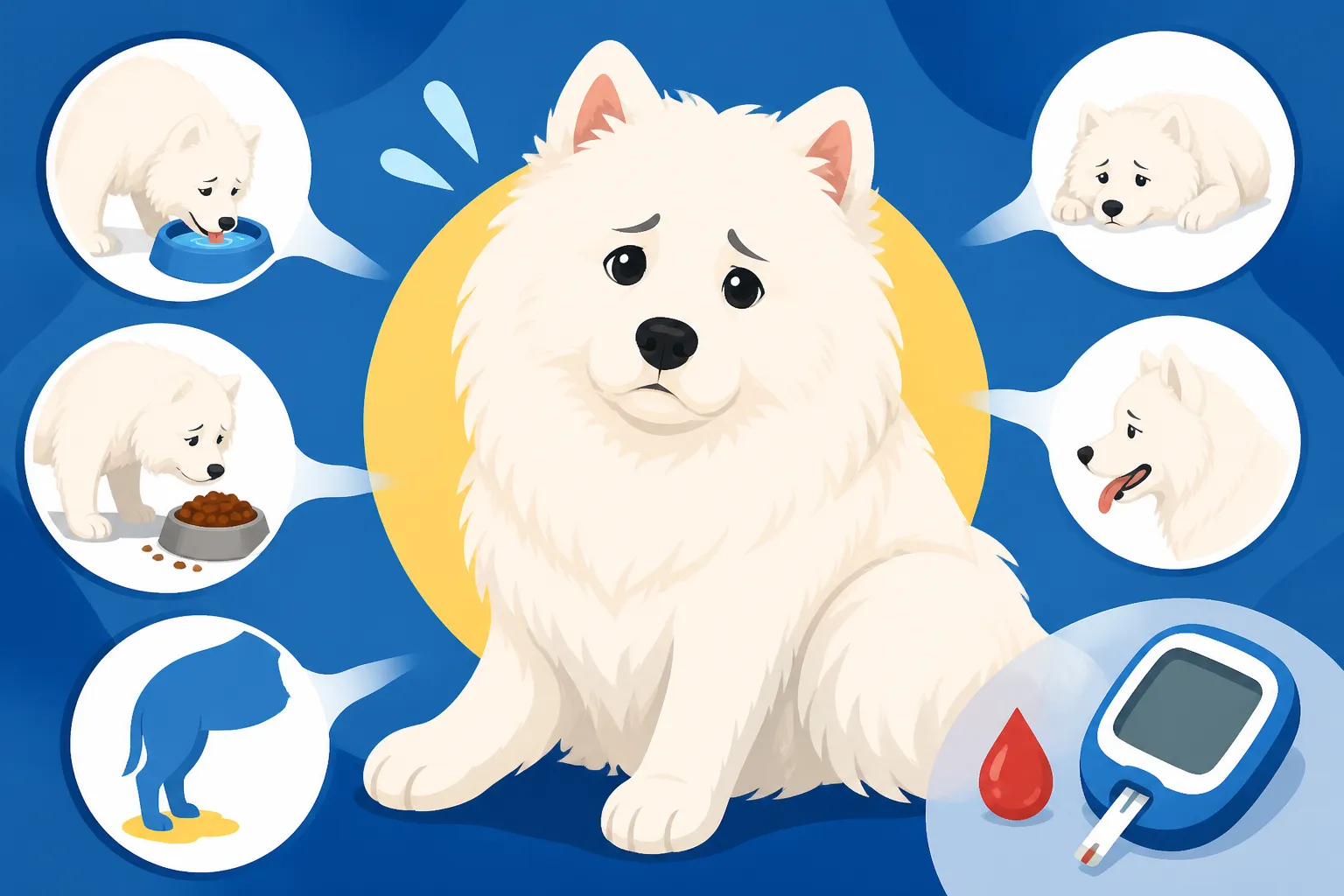
This is hands down one of the most classic and frequently overlooked early signs of diabetes in Samoyeds, and frankly, in most dogs. You might notice your Samoyed constantly at the water bowl, draining it faster than usual, or perhaps even seeking out water from unusual places like the toilet. This excessive thirst, known as polydipsia, is directly linked to the high sugar levels in their blood. The kidneys try desperately to flush out the excess glucose, which in turn pulls more water from the body, leading to increased urination (polyuria).
Suddenly, your perfectly house-trained Samoyed might start having accidents indoors, or they'll be asking to go outside far more frequently than before. What was once a standard evening potty break might become several urgent trips. Don't just dismiss it as "getting older" or "being naughty." This is a significant red flag. Keeping track of their water intake and urination frequency can provide valuable data for your vet, who can then check if your Samoyed is experiencing Whether a Diabetic Samoyed Drinks Constantly.
Unexplained Weight Loss Despite a Good Appetite
Another common and concerning sign is weight loss, often occurring even when your Samoyed seems to be eating normally, or even more than usual. This can be particularly confusing for owners. "But they're eating so much! How can they be losing weight?" you might ask yourself. The answer lies in the body's inability to use glucose for energy.
Even though there's plenty of glucose in the bloodstream, it can't get into the cells where it's needed without insulin. As a result, your Samoyed's body starts breaking down its own fat and muscle for energy, leading to a gradual but noticeable loss of weight and muscle mass. You might feel their ribs more easily, or their once-fluffy coat might seem to drape over a leaner frame. This is a crucial sign that needs immediate veterinary attention, as discussed in Whether Sudden Weight Loss in a Samoyed Means Diabetes. Don't delay in getting this checked out.
Changes in Appetite and Energy Levels
While unexplained weight loss often accompanies a good or even increased appetite, some Samoyeds might actually experience changes in appetite that are less straightforward. Early on, some might seem ravenous, always looking for food, because their cells are "starving" for energy. However, as the condition progresses and they start to feel generally unwell, their appetite can diminish. They might become pickier, or skip meals altogether.
Alongside these appetite changes, you'll almost certainly notice a significant drop in their energy levels. Your once-lively Samoyed, who loved to play fetch or go for long walks, might now be lethargic, sleeping more, and showing less interest in activities they once enjoyed. They might seem tired, listless, or just "off." This isn't just about getting older; it's a sign that their body isn't getting the fuel it needs to function properly. This decrease in vitality should prompt a call to your veterinarian.
Progressive Symptoms: As Diabetes Advances
If the early signs of diabetes are missed or go unaddressed, the condition will inevitably progress. As blood sugar levels remain chronically high, the damage to various body systems becomes more pronounced, leading to more obvious and often debilitating symptoms. These advanced signs highlight the urgency of proper diagnosis and intervention.
Diabetic Cataracts and Vision Impairment
One of the most heartbreaking complications of uncontrolled diabetes in Samoyeds is the rapid development of cataracts. You might notice your Samoyed's once clear, sparkling eyes beginning to look cloudy or milky. This cloudiness is caused by the excess glucose in the lens of the eye, which draws in water and disrupts the delicate balance, leading to opacification.
These diabetic cataracts can progress incredibly quickly, sometimes appearing within weeks or even days, and can lead to complete blindness. It's a devastating blow for a dog that relies so much on their vision to navigate the world and interact with their family. If you've ever wondered Whether a Samoyed's Cloudy Eye Is a Diabetic Cataract, this is a strong indicator. While cataract surgery can be an option, managing the diabetes effectively is paramount to prevent further complications and to consider if Whether a Diabetic Samoyed Goes Blind becomes a reality.
Muscle Weakness and Lethargy
As the body continues to break down muscle mass for energy, and nerve function begins to be affected by high blood sugar, your Samoyed will experience increasing muscle weakness. This might manifest as difficulty jumping onto the couch, struggling with stairs, or just generally moving slower and more stiffly. Their hindquarters might seem weaker, and they might even stumble or appear uncoordinated.
Coupled with this physical weakness is often profound lethargy. The joyful, energetic Samoyed you know might seem distant, uninterested in walks or playtime, and spend most of their time resting. This isn't just a mood; it's a physical symptom of a body struggling to cope. They simply don't have the energy stores to be their usual happy selves.
Skin and Coat Changes
Your Samoyed's magnificent double coat is usually a picture of health, but diabetes can take its toll even here. You might notice their coat becoming dull, dry, or brittle, losing its characteristic luster and softness. They might also develop thinning patches or even suffer from chronic skin infections. The high sugar levels in the blood create an environment ripe for bacterial and yeast infections, particularly on the skin.
You might see recurring hot spots, ear infections, or a general greasiness or dandruff. Their normally pristine white fur might start to look less vibrant. The immune system can also be compromised in diabetic dogs, making them more susceptible to these persistent skin issues. These changes, while not always exclusive to diabetes, should be considered in conjunction with other symptoms.
Recognising a Diabetic Crisis: When to Seek Urgent Vet Care
While the progressive symptoms are concerning, diabetes can sometimes escalate into an acute, life-threatening emergency known as diabetic ketoacidosis (DKA). This is a critical situation that demands immediate veterinary intervention and can be incredibly frightening for pet parents. Knowing these signs can mean the difference between life and death for your Samoyed.
Diabetic Ketoacidosis (DKA)
Diabetic ketoacidosis (DKA) occurs when the body, unable to use glucose for energy, starts breaking down fat at an accelerated rate. This process produces ketones, which are acidic byproducts. When ketones build up to dangerously high levels in the blood, they make the blood acidic, leading to a metabolic crisis. DKA is a severe complication of uncontrolled diabetes and is a medical emergency.
The signs can come on quickly and are quite alarming. Your Samoyed might be profoundly weak, unwilling to move, and extremely lethargic. They may seem disoriented or unresponsive. This isn't just being tired; it's a critical state where their body's chemistry is severely out of balance. Don't ever hesitate to seek emergency care if you suspect DKA.
Severe Dehydration and Vomiting
In a DKA crisis, your Samoyed will likely be severely dehydrated, even if they've been drinking a lot. This is because their body is losing fluids rapidly through excessive urination and vomiting. Vomiting is a very common sign of DKA, and it can be frequent and persistent, further exacerbating dehydration. They might also experience diarrhea.
You might notice their gums are tacky or pale, and if you gently pull up the skin on their neck, it might be slow to snap back into place (reduced skin turgor), indicating severe dehydration. This rapid fluid loss is extremely dangerous and contributes to organ damage and overall decline.
Changes in Breathing and Odor
One of the more distinct and often recognizable signs of DKA is a change in your Samoyed's breath. Due to the high levels of ketones, their breath might have a sweet, fruity, or acetone-like smell. It’s often described as smelling like nail polish remover. This is a very specific and strong indicator of a DKA crisis.
You might also notice changes in their breathing pattern. They might breathe heavily, rapidly, or seem to be panting excessively even when at rest, as their body tries to compensate for the acidic blood. This is called Kussmaul breathing. If you detect this distinctive breath odor or extreme changes in breathing, get your Samoyed to an emergency vet clinic immediately.
Here's a quick table to summarize some key signs and their severity:
| Symptom Category | Early/Mild Signs | Advanced/Severe Signs | Emergency Signs (DKA) |
|---|---|---|---|
| Thirst/Urination | Increased water consumption, more frequent potty breaks, occasional indoor accidents. | Persistent extreme thirst, constant urination, large volume of urine. | Severe dehydration, reduced or no urine production (late stage). |
| Weight/Appetite | Unexplained weight loss despite normal or increased appetite. | Significant weight loss, muscle wasting, fluctuating appetite. | Loss of appetite, refusal to eat. |
| Energy/Behavior | Mild lethargy, reduced enthusiasm for play, more sleeping. | Pronounced lethargy, weakness, disinterest in most activities. | Profound weakness, collapse, unresponsiveness. |
| Eyes | No visible changes. | Cloudy eyes (cataracts), vision impairment, bumping into things. | Rapidly worsening vision/blindness. |
| Digestive | No specific early signs. | Occasional vomiting or diarrhea. | Severe, persistent vomiting, diarrhea, abdominal pain. |
| Breath/Odor | No specific early signs. | Sweet, fruity, or acetone-like breath odor. | |
| Breathing | No specific early signs. | Heavy, rapid, or labored breathing (Kussmaul breathing). |
The Importance of Early Diagnosis and Management
Recognizing these signs early is paramount. It allows for a more effective and less complicated treatment plan, potentially preventing the more severe and painful complications like DKA or irreversible blindness. Early intervention means a better quality of life for your cherished Samoyed.
How a Veterinarian Diagnoses Diabetes
If you're noticing any of these signs, your first step is a prompt visit to your veterinarian. They will start with a thorough physical examination, paying close attention to your Samoyed's body condition, hydration status, and eyes. The diagnostic process typically involves a few key tests:
- Urine Test (Urinalysis): This is crucial. Your vet will look for glucose (sugar) in the urine, which is a strong indicator of diabetes, as healthy kidneys typically don't allow sugar to pass into the urine. They'll also check for ketones, especially if DKA is suspected. Checking Why a Samoyed's Urine Should Be Tested Young for other reasons can also be beneficial as part of routine care.
- Blood Test (Blood Glucose): A blood sample will confirm high blood glucose levels. Sometimes, a fructosamine test is also performed, which provides an average blood glucose level over the past 2-3 weeks, giving a clearer picture than a single blood glucose reading, which can be affected by stress.
- Complete Blood Count (CBC) and Chemistry Panel: These tests provide a broader look at organ function, detect any infections, and rule out other underlying conditions that might mimic diabetes symptoms.
It’s often a combination of these tests that gives your vet a definitive diagnosis.
What Happens After a Diagnosis
Receiving a diabetes diagnosis for your Samoyed can feel overwhelming, but it's important to remember that it's a manageable condition. Your vet will work with you to create a comprehensive treatment plan, which almost always involves insulin therapy. This means daily insulin injections, typically twice a day. It sounds daunting at first, but most owners quickly become proficient, and many dogs tolerate the injections remarkably well. You can learn more about Managing a Diabetic Samoyed.
Dietary changes are also a cornerstone of management. Your vet will likely recommend a prescription diet designed to help stabilize blood sugar levels, such as a high-fiber, complex carbohydrate diet. Understanding Whether a Diabetic Samoyed Needs a Prescription Diet is key. Regular monitoring, including at-home glucose testing or periodic vet visits for glucose curves, will be essential to fine-tune insulin dosages. Many pet insurance providers like Healthy Paws offer coverage for chronic conditions like diabetes, which can significantly help with the ongoing costs of medication, food, and veterinary visits.
Long-Term Management and Outlook
Managing a diabetic Samoyed is a marathon, not a sprint. It requires consistency, patience, and a close working relationship with your veterinarian. You'll become an expert in your Samoyed's routine, knowing exactly when they need their insulin and meals. Regular follow-up appointments will be necessary to ensure the diabetes remains well-controlled and to catch any potential complications early. Sometimes, a continuous glucose monitor (CGM) can make tracking blood sugar much easier, and you might wonder Whether a Continuous Glucose Monitor Works on a Samoyed.
With dedicated management, many Samoyeds with diabetes can continue to live fulfilling, happy lives for many years. It’s a commitment, but the reward is seeing your smiling Samoyed thrive despite their condition. Keep an eye on subtle changes, maintain open communication with your vet, and provide consistent care, and you can truly make a difference in your Samoyed's health journey. It also helps to remember that you're not alone; many Samoyed owners are navigating this path. In fact, How Many Samoyeds Become Diabetic is a question many ask, and the reality is that while it's a concern, resources and support are available.
Disclaimer
The information provided in this article is for educational purposes only and is not intended to be a substitute for professional veterinary advice, diagnosis, or treatment. Always seek the advice of your veterinarian or other qualified animal health provider with any questions you may have regarding a medical condition.