Whether a Diabetic Samoyed Lives a Normal Span
Receiving a diabetes diagnosis for your beloved Samoyed can feel like a punch to the gut. The immediate fear of needles, dietary changes, and the unknown impact on their fluffy, joyful life is incredibly overwhelming, leaving many of us wondering if our sweet companions can still have a long, happy future. This comprehensive guide aims to shed light on what a diabetes diagnosis truly means for a Samoyed's lifespan and how, with diligent care and a loving approach, you can help your furry family member thrive for years to come.
Understanding Samoyed Diabetes and Its Impact
The moment your veterinarian tells you your Samoyed has diabetes, it's natural to feel a wave of shock, confusion, and deep sadness. This isn't just a simple ailment; it's a chronic condition that changes the landscape of your dog's care. But understanding it is the first step toward managing it effectively and ensuring your Samoyed continues to enjoy life to the fullest.
The Initial Shock and Diagnosis
Many Samoyed owners first notice something is amiss when their usually robust and energetic dog starts showing subtle, yet concerning, changes. You might observe your Samoyed suddenly drinking water constantly, emptying their bowl far more frequently than before, or needing to go outside to urinate at unusual hours or even having accidents indoors. Then there's the unexpected weight loss, even if they're eating their regular meals, or perhaps their appetite has even increased. You might even notice a certain lethargy, a lack of their usual bounce and playfulness. These are often the tell-tale Signs a Samoyed Has Become Diabetic, and they're usually what prompts that urgent call to the vet.
When you bring your Samoyed in, the vet will likely run blood tests and urinalysis. The results typically confirm elevated blood glucose (sugar) and glucose in the urine, definitively diagnosing diabetes mellitus. It's an emotionally taxing moment, especially when you realize this is a condition that requires lifelong management. Unlike Type II diabetes in humans, which can sometimes be managed with diet and exercise alone, canine diabetes, particularly in breeds like the Samoyed, often closely resembles Type I diabetes, meaning their pancreas isn't producing enough insulin, if any at all. This means insulin injections become a non-negotiable part of their daily routine. While diabetes can strike at any age, many Samoyeds typically develop it in middle to older age, often around 7 to 10 years old, though it's not unheard of for younger dogs to be affected. Understanding The Age a Samoyed Develops Diabetes can help you be vigilant as your Samoyed gets older.
Why Early Intervention Matters So Much
The gravity of a diabetes diagnosis lies in the potential for severe complications if the condition is left untreated or poorly managed. When your Samoyed's body can't properly use glucose for energy due to a lack of insulin, it starts breaking down fat for fuel. This process produces toxic byproducts called ketones, which can build up in the blood, leading to a life-threatening condition known as diabetic ketoacidosis (DKA). DKA is an emergency, characterized by extreme lethargy, vomiting, dehydration, and a distinctive sweet, fruity breath odor, and it requires immediate hospitalization and intensive care.
This is why early intervention isn't just recommended; it's absolutely critical for your Samoyed's survival and long-term well-being. Getting a proper diagnosis and starting an insulin regimen promptly helps stabilize blood sugar levels, preventing the accumulation of ketones and minimizing damage to organs like the kidneys, eyes, and nerves. The sooner you establish a consistent routine of insulin, diet, and monitoring, the better your Samoyed's chances are of avoiding these devastating complications and living a life that is as normal and fulfilling as possible. Your vet will be your best partner in navigating these initial steps, from determining the right insulin type and dosage to teaching you how to administer it safely and effectively.
The Cornerstone of Management: Insulin Therapy
Managing diabetes in a Samoyed truly revolves around one central pillar: insulin therapy. This isn't just about giving a shot; it's about a consistent, precise, and often emotional commitment to your dog's health. It can feel daunting at first, but with a little practice and a lot of love, it quickly becomes second nature.
Administering Insulin: A Daily Commitment
The thought of giving your sweet, fluffy Samoyed an injection twice a day can be terrifying. Many of us balk at the idea of poking our beloved companion with a needle. But here's the honest truth: it's far less scary than it sounds, and your Samoyed is usually much braver than you anticipate. Most canine diabetics require insulin injections twice a day, roughly 12 hours apart, to effectively regulate their blood sugar. Consistency is key here; those 12-hour intervals, ideally administered right after they eat, are crucial for maintaining stable glucose levels throughout the day and night.
Your vet will demonstrate the proper technique, which usually involves pinching a fold of loose skin on your Samoyed's shoulder or flank and quickly injecting the insulin subcutaneously (under the skin). The needles are incredibly fine, and many Samoyeds barely react, often more interested in the treat you're offering afterward than the injection itself. It's a learning curve, for sure, and you might feel clumsy or nervous at first. You might even miss a few times, getting the fur wet instead of the skin – it happens to the best of us! But with each injection, your confidence will grow. It helps to have a designated "insulin spot" and make it a positive experience with praise and a special treat. You'll quickly discover that you absolutely can learn Whether a Samoyed Owner Can Learn to Inject Insulin and that it's a vital, manageable part of keeping your Samoyed healthy. The routine becomes ingrained, and soon, you won't even think twice about How Often a Diabetic Samoyed Needs Insulin.
Finding the Right Dose and Monitoring
Giving insulin is only half the battle; ensuring it's the right amount is equally, if not more, important. Each Samoyed is an individual, and their insulin needs can vary based on their weight, activity level, diet, and even stress. Initially, your vet will start with a conservative dose and then conduct a series of tests to fine-tune it. The most common tool for this is a "glucose curve," which involves bringing your Samoyed to the vet for a day, where their blood glucose is measured every one to two hours over a 12-hour period. This provides a comprehensive picture of how the insulin is working throughout the day, showing its peak effect and its duration. Understanding What a Glucose Curve Involves for a Samoyed is crucial for dosage adjustments.
More recently, continuous glucose monitors (CGMs) have become a game-changer for many owners and vets. Devices like the Freestyle Libre can be attached to your Samoyed's skin for about two weeks, allowing you to non-invasively scan and track their glucose levels 24/7. This provides a much fuller, less stressful picture of blood sugar trends and helps immensely in making informed dosage adjustments. Whether a Continuous Glucose Monitor Works on a Samoyed can depend on their coat and willingness to tolerate it, but many owners find them invaluable. Regular check-ups with your vet, usually every few months after initial stabilization, are still necessary to monitor your Samoyed's overall health, check for complications, and make any necessary adjustments as their body changes over time. These frequent vet visits and monitoring tools can add up financially, making a good pet insurance plan incredibly valuable. Many owners find that companies like Healthy Paws help alleviate the stress of managing these ongoing medical costs, allowing them to focus on their Samoyed's health rather than the bills.
| Monitoring Method | Description | Frequency | Pros | Cons |
|---|---|---|---|---|
| Glucose Curve | Series of blood glucose readings over 12-24 hours. | Initially, then every 2-6 months. | Comprehensive daily profile, vet supervision. | Stressful for dog, time-consuming, single-day snapshot. |
| Home Glucometer | Finger prick (or ear/lip) blood test by owner. | Daily, 1-2 times, or as needed. | Immediate results, less stress for dog (at home). | Can be inaccurate, requires owner training, not all dogs tolerate. |
| Continuous Glucose Monitor (CGM) | Small sensor applied to skin for 10-14 days. | Continuous, scanned as needed. | Non-invasive, constant data, reduces vet visits. | Initial cost, can fall off, accuracy can vary slightly. |
| Urinalysis | Testing urine for glucose and ketones. | Weekly to monthly. | Easy, cheap, indicates overall control. | Less precise than blood tests, only shows high sugar. |
Diet and Exercise: Pillars of Diabetic Samoyed Health
Beyond insulin, two other critical components form the foundation of successful diabetes management in your Samoyed: a carefully tailored diet and a consistent, appropriate exercise routine. These elements work in tandem with insulin to keep blood sugar stable and your Samoyed feeling their best.
Tailoring the Diet for Stable Blood Sugar
Think of your Samoyed's diet as a carefully choreographed dance with their insulin. The goal is to provide consistent nutrition that doesn't cause dramatic spikes or drops in blood glucose. Your veterinarian will be instrumental in guiding you toward the best dietary choices. Often, this means a prescription diet formulated specifically for diabetic dogs. These diets are typically high in fiber and complex carbohydrates, which help slow down glucose absorption and provide a more gradual release of energy. This steadier release makes it easier for insulin to do its job.
The timing of meals is just as important as the content. Your Samoyed should be fed at the same time, twice a day, typically just before or simultaneously with their insulin injection. This synchronization helps ensure that the insulin is available to process the glucose from their meal. Free-feeding, where food is left out all day, is generally not recommended for diabetic dogs because it makes blood sugar regulation nearly impossible. Treats, too, need careful consideration; sugary or high-fat treats are out. Opt for low-calorie, plain options like small pieces of cooked chicken, green beans, or specific diabetic-friendly dog treats. It's a fundamental aspect of Whether a Diabetic Samoyed Needs a Prescription Diet and Whether Fixed Feeding Times Protect a Samoyed From Diabetes. Consistency in both type and amount of food every single day is paramount. Any sudden changes can throw their blood sugar completely off balance, making management much more challenging.
Keeping Your Samoyed Active (Safely)
Exercise is a wonderful thing for any Samoyed, and it remains important for a diabetic one, but it needs to be approached with a bit more mindfulness. Physical activity helps the body utilize glucose more efficiently, which can actually lower blood sugar levels. For a diabetic Samoyed, consistent, moderate exercise is ideal. Think regular walks, gentle play sessions, or perhaps some light sledding practice if your dog is accustomed to it and the weather is cool. The key here is consistency and avoiding sudden, intense bursts of activity, especially if they are not conditioned for it.
Sudden, vigorous exercise can cause blood sugar to drop too rapidly, potentially leading to hypoglycemia (dangerously low blood sugar). It's crucial to understand your Samoyed's baseline activity level and gradually increase it if needed, always under your vet's guidance. You might even need to carry a fast-acting glucose source, like a tube of glucose gel or some honey, during longer walks, just in case. After strenuous activity, it's a good idea to monitor their blood sugar more closely. The goal is to integrate exercise as a regular, enjoyable part of their day, contributing to their overall health without creating unexpected glucose fluctuations. Many owners worry about Whether a Diabetic Samoyed Can Still Exercise, but with proper planning, they absolutely can and should continue to be active.
Potential Complications and Proactive Care
Living with a diabetic Samoyed isn't just about managing blood sugar; it's also about proactively watching for potential complications that can arise from the disease. While good management significantly reduces risks, awareness and vigilance are your best tools for catching any issues early.
Watching for Common Diabetic Complications
One of the most heartbreaking complications of canine diabetes is the development of cataracts. Many Samoyeds, especially if their diabetes has been poorly controlled for a period, will develop diabetic cataracts, which can lead to blindness. You might notice their eyes looking cloudy or bluish, a stark change from their bright, clear gaze. It's important to recognize Whether a Samoyed's Cloudy Eye Is a Diabetic Cataract early. While it's a tough diagnosis, cataract surgery can restore sight in many cases, but it's a specialized procedure and something to discuss with your vet. Beyond vision, diabetic Samoyeds are also more prone to urinary tract infections (UTIs) due to the presence of glucose in their urine, which provides a fertile breeding ground for bacteria. Increased urination, straining, or licking the genital area can be signs of a UTI and warrant a vet visit.
Another concern is pancreatitis, which can sometimes precede or accompany diabetes in dogs. While it's not a direct consequence of diabetes, diabetic dogs can be more susceptible. Symptoms include vomiting, diarrhea, abdominal pain, and lethargy. Less common, but still possible, is diabetic neuropathy, which can cause weakness in the hind legs. Staying vigilant for any changes in your Samoyed's gait, energy, or appetite is crucial. While it's scary to think about, knowing what to look for allows you to act quickly. If your Samoyed does go blind, it's a major adjustment for both of you, but dogs are incredibly adaptable, and with some modifications to your home, a blind Samoyed can still navigate their world. Understanding Whether a Diabetic Samoyed Goes Blind helps you prepare mentally and practically.
The Role of Regular Veterinary Check-ups
With a diabetic Samoyed, your veterinarian becomes an even more integral part of your life. Regular, routine check-ups are not just recommended; they are essential for long-term health management. These appointments allow your vet to assess your Samoyed's overall condition, monitor their weight, listen to their heart, and examine their eyes. Beyond a physical exam, they'll likely recommend periodic blood tests to check organ function (especially kidney and liver), ensure there are no other underlying issues, and assess their overall glucose control. Urine tests will also be common to monitor for glucose and ketones and to screen for urinary tract infections.
These consistent visits are your opportunity to discuss any concerns you have, whether it's about their appetite, energy levels, or any subtle changes you've observed at home. Your vet can make necessary adjustments to their insulin dosage or diet plan based on the monitoring data and clinical signs. They can also perform dental checks, as diabetic dogs can be more prone to dental disease. Maintaining open communication and building a strong partnership with your veterinary team is the single best thing you can do to ensure your diabetic Samoyed receives the best possible care. This proactive approach helps catch complications early and keeps your Samoyed on the right track for a healthy, happy life. Investing in comprehensive pet insurance, like a plan from Healthy Paws, can provide significant peace of mind, knowing that these vital and often frequent veterinary appointments, diagnostic tests, and potential treatments for complications are largely covered, allowing you to prioritize your Samoyed's health without financial worry.
Living a Full Life: Extending Your Samoyed's Years
When facing a diabetes diagnosis, the most pressing question on any Samoyed owner's mind is often: Will my dog still live a long life? It's a natural and heartbreaking worry, but the answer, while nuanced, is generally optimistic with dedicated care.
The Reality of Lifespan Expectations
The honest truth is that a diabetic Samoyed, even with the best management, might not reach the absolute maximum end of the typical Samoyed lifespan of The Twelve to Fourteen Years a Samoyed Lives that a non-diabetic Samoyed might experience. However, this absolutely does not mean a significantly shortened or poor-quality life. Modern veterinary medicine and dedicated home care have transformed the prognosis for diabetic dogs. With consistent insulin therapy, a carefully managed diet, and regular veterinary oversight, many diabetic Samoyeds can live for several years, often enjoying a quality of life that is remarkably close to that of their non-diabetic counterparts.
It's not uncommon for a Samoyed diagnosed at, say, seven or eight years old, to live to eleven, twelve, or even longer, essentially adding several good, active years to their life beyond their diagnosis. The key differentiator is management. Dogs with well-controlled diabetes, whose owners are diligent about injections, diet, and monitoring, generally do very well. Those with poorly controlled diabetes, or those who develop severe complications like DKA or aggressive cataracts without treatment, will unfortunately have a shorter prognosis. So, while you might adjust your expectation slightly from the extreme upper limit, a diagnosis of diabetes is no longer a death sentence; it's a manageable condition that allows for many more joyful years with your fluffy companion.
Quality of Life and Emotional Support
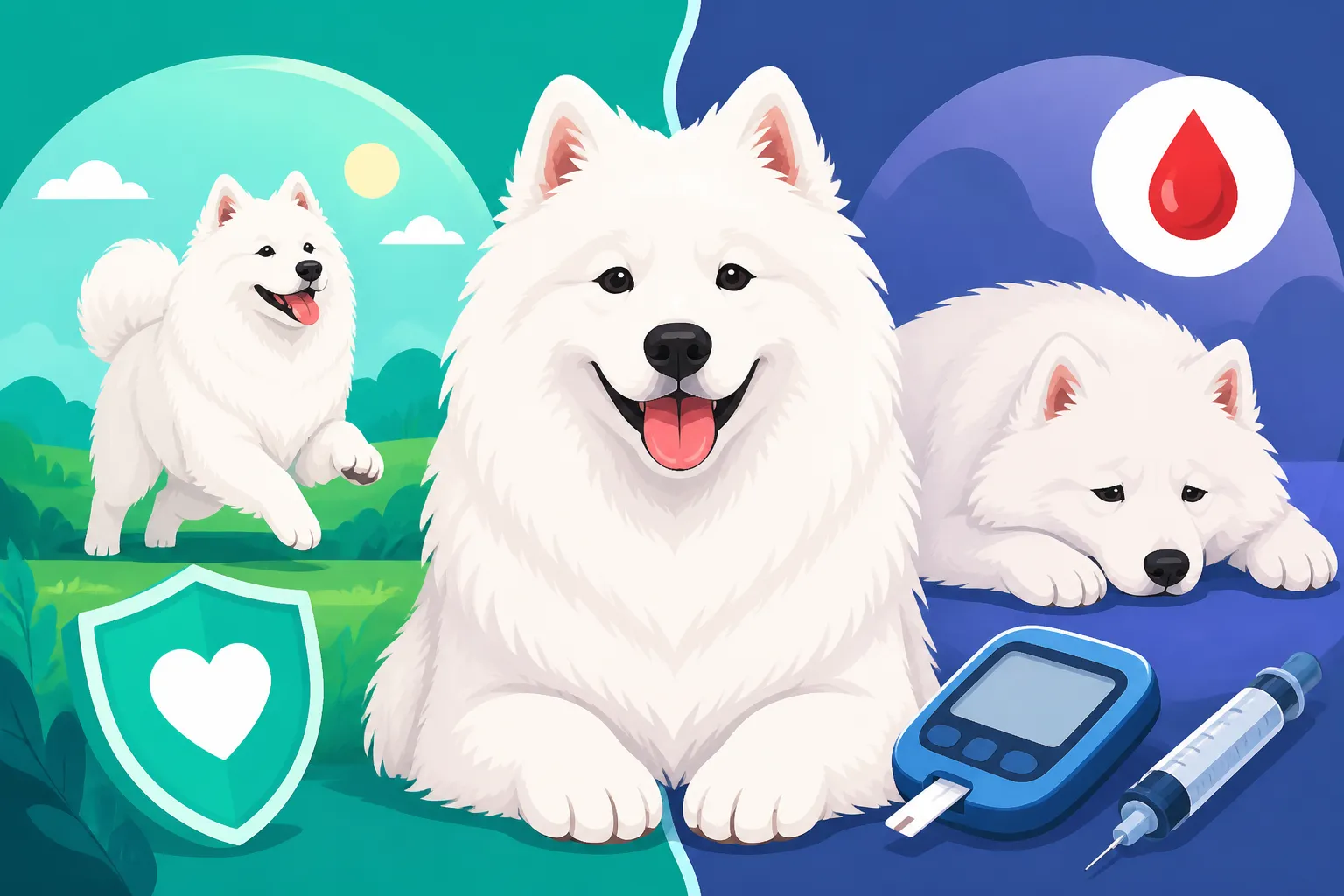
Beyond just the number of years, the quality of those years is paramount. A well-managed diabetic Samoyed can continue to be the joyous, smiling companion you know and love. They can still enjoy their walks, playtime, family cuddles, and even some light work like carting or sledding if they are accustomed to it and the weather allows. The disease might add a bit more structure to your daily routine, but it doesn't have to diminish their spirit or your bond. In fact, the extra attention and care often deepen the connection between owner and dog.
It's crucial to remember that your Samoyed is incredibly resilient and adaptable. They respond to your energy, and if you approach their care with confidence and love, they will too. Keep them mentally stimulated with puzzle toys and short training sessions. Ensure they have a comfortable, warm bed, especially as they age, and continue to engage them in activities they love. Watch for subtle cues, as a Samoyed is notoriously good at How a Samoyed Hides Illness Behind a Smile. Sometimes, a slight drop in enthusiasm or a hesitant movement can be a sign they aren't feeling 100%. Maintaining their quality of life means making sure they're not just existing, but truly thriving. This might mean adjusting your schedule or investing in aids like ramps for older, arthritic diabetic Samoyeds. Ultimately, your loving dedication is the most important factor in ensuring your Samoyed's happiness and extending their joyful presence in your home. Having a pet insurance provider like Healthy Paws can truly alleviate the stress of ensuring this high quality of life, allowing you to say "yes" to necessary treatments and comforts without the constant worry of cost.
Disclaimer
This article is intended for informational purposes only and does not constitute veterinary advice. Always consult with a qualified veterinarian for any health concerns or before making any decisions about your Samoyed's care, especially regarding chronic conditions like diabetes.