Progressive Retinal Atrophy in a Samoyed
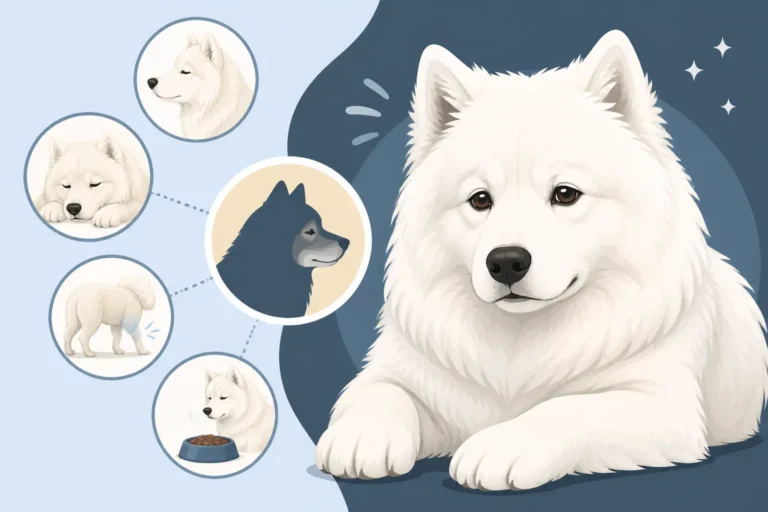
It’s a truly gut-wrenching moment when you realize something isn't quite right with your Samoyed's vision. Perhaps they're bumping into furniture they’ve known for years, hesitating in dim light, or just seeming a bit more anxious in new places. This silent, heartbreaking progression of vision loss is often a sign of Progressive Retinal Atrophy (PRA), a genetic eye disease that slowly steals your beloved companion's sight. This comprehensive guide aims to shed light on PRA in Samoyeds, from understanding its origins to navigating life with a visually impaired dog, offering you the knowledge and support you need.
Understanding Progressive Retinal Atrophy in Your Samoyed
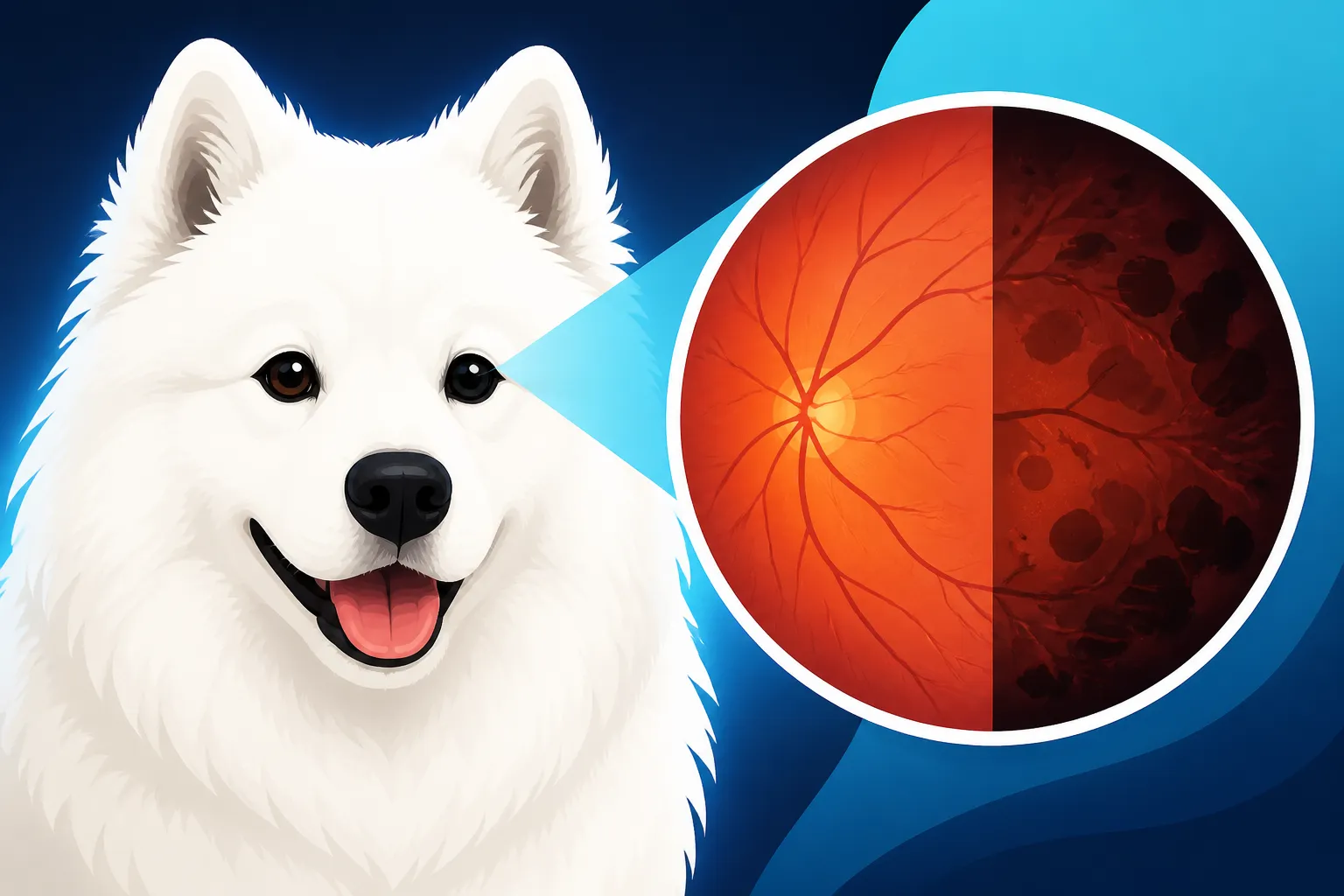
Progressive Retinal Atrophy, often simply called PRA, isn't just one disease but a group of inherited degenerative disorders that affect the retina, the light-sensitive tissue at the back of your Samoyed's eye. Imagine the retina as the film in a camera; when it starts to break down, the images it sends to the brain become distorted, blurry, and eventually, disappear altogether. For a Samoyed, a breed known for its zest for life and adventurous spirit, this can be incredibly disorienting and distressing, not just for them, but for us, their devoted owners.
The insidious nature of PRA lies in its gradual progression. It's not a sudden blindness that strikes overnight, but a slow erosion of function, often starting with night vision before creeping into daytime sight. This means that by the time you notice significant issues, the disease has likely been at work for quite some time, adapting quietly behind that famous Samoyed smile. It’s a cruel irony that such a happy-go-lucky breed can be silently struggling with such a profound condition.
What Happens to the Retina
At a cellular level, PRA involves the deterioration of the photoreceptor cells within the retina – specifically the rods and cones. Rods are responsible for vision in low light (night vision) and detecting movement, while cones handle bright light, color vision, and fine detail. In most forms of PRA in Samoyeds, the rod cells are affected first, leading to what we commonly call "night blindness." This is why an affected Samoyed might seem perfectly fine during the day, happily romping in the park, but becomes hesitant and clumsy once dusk settles.
As the disease progresses, the cone cells also begin to degenerate. This is when daytime vision starts to diminish, and your Samoyed's world slowly fades from vibrant colors and clear shapes to a blurry, grayscale landscape, eventually leading to complete blindness. The process is irreversible, and unfortunately, there is currently no cure to halt or reverse the degeneration of these vital cells. This reality can be incredibly difficult to accept, especially when you think about your Samoyed's love for exploring and interacting with the world around them.
The Genetic Link in Samoyeds
The heartbreaking truth about PRA in Samoyeds is that it is an inherited condition. This means it's passed down from parent to offspring through specific genes. Several different genetic mutations can cause PRA across various breeds, and research continues to identify the exact mutations responsible in Samoyeds. For some breeds, a specific DNA test exists that can identify carriers and affected dogs, allowing responsible breeders to make informed decisions. Knowing Whether Samoyed PRA Has a DNA Test is crucial for any potential Samoyed owner or breeder.
The mode of inheritance for many forms of PRA is autosomal recessive. This means a dog must inherit two copies of the defective gene (one from each parent) to develop the disease. Dogs with only one copy of the gene are carriers; they don't typically show symptoms themselves but can pass the gene on to their puppies. This is why even seemingly healthy parents can produce an affected puppy, making genetic testing so vital. Without proper testing, the genes can continue to circulate in the breed, causing more heartache down the line. It's a heavy responsibility that breeders carry, but one that is essential for the long-term health of the Samoyed breed.
Spotting the Subtle Signs of PRA in Your Beloved Companion
Catching PRA early can be a real challenge because our Samoyeds are incredibly resilient and adaptive. They’ve got this incredible ability to "mask" issues, especially when it comes to something as gradual as vision loss. They rely heavily on their other senses – their superb hearing and their keen sense of smell – to compensate, making it hard for us to notice the subtle shifts. Many owners report that by the time they realize something is truly amiss, their Samoyed has already lost a significant amount of vision. It’s not that they’re trying to deceive you, but rather that they are simply trying to cope.
The signs can be so gradual that you might dismiss them as normal aging, or perhaps your Samoyed just being a bit clumsy. It takes a keen eye and a deep understanding of your dog's normal behavior to pick up on these early indicators. The key is to be observant and not dismiss small changes, especially if your Samoyed is nearing the age where PRA typically begins to manifest. Remember, early detection won't stop the progression, but it allows you to prepare and support your dog sooner.
The Challenge of Night Vision
One of the earliest and most common signs of PRA in Samoyeds is a noticeable decline in night vision, also known as nyctalopia. This can be incredibly subtle at first. You might notice your Samoyed hesitating on walks after dusk, particularly if you’re on an unfamiliar route. They might bump into objects in a dimly lit hallway they navigate perfectly well during the day. Stairs, which were once tackled with effortless enthusiasm, might become a source of anxiety, leading to a slower, more deliberate descent.
Think about taking your Samoyed out into the backyard for their last potty break of the night. If they used to dart out with confidence and now walk gingerly, sniffing their way around, or even seem reluctant to go out into the dark, that could be a major clue. They might rely more on you, sticking closer to your leg, or needing verbal cues to guide them. It’s heartbreaking to see their confidence wane in situations that used to be second nature. This stage can be particularly frustrating for both you and your dog, as their daytime activity might still be completely normal, making the night-time struggles all the more perplexing without understanding the underlying cause. The Age a Samoyed's Retinal Atrophy Shows can vary, so stay vigilant as your dog matures.
Behavioral Changes and Disorientation
As PRA progresses and affects daytime vision, the behavioral changes become more pronounced. Your Samoyed might start to bump into furniture in well-lit rooms, or hesitate before jumping onto the couch. They might seem startled if you approach them from their blind side, or when they encounter unexpected objects. Their natural curiosity might diminish, and they might be less eager to explore new environments or interact with unfamiliar dogs, preferring the safety and predictability of their home and known companions.
You might also observe signs of disorientation. They might circle more before settling down, or seem to "lose" a toy that's right in front of them. When they go outside, they might struggle to find the door to come back in, even in their own yard. Anxiety levels can rise, especially in unfamiliar places, as they lose their primary sense for navigating the world. They might also become more vocal, relying on their "Samoyed scream" or barks to locate you or express their confusion. This is where consistent routines and a predictable environment become paramount. Your Samoyed is trying its best to cope, and these changes are simply their way of telling you they need more support. If you notice these changes, especially if coupled with night blindness, it’s time to schedule a visit with your veterinarian.
The Diagnostic Journey and Anticipated Progression of PRA
Discovering that your Samoyed is experiencing vision loss can be incredibly stressful, and the first step is always to get a definitive diagnosis. It's easy to jump to conclusions, but many conditions can affect a dog's eyes, some treatable, some not. Your vet will play a crucial role in ruling out other possibilities and confirming PRA. Once diagnosed, understanding the typical progression can help you prepare for the road ahead and ensure your Samoyed maintains the best possible quality of life for as long as possible.
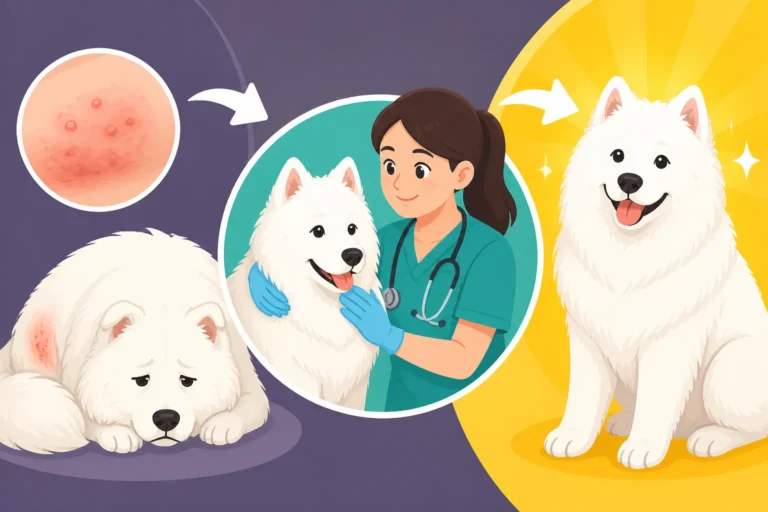
It's important to remember that while the diagnosis of PRA is heavy news, it doesn't mean the end of a happy life for your Samoyed. It simply means adjustments are needed. Many Samoyeds adapt remarkably well to blindness, especially with a patient and loving owner guiding them through the transition.
Veterinary Ophthalmic Evaluation
If you suspect vision problems, your first stop should be your regular veterinarian. They will conduct a general physical exam and a basic eye exam, looking for obvious issues like cataracts (which can also affect Samoyeds, even Whether a Samoyed Gets Cataracts Without Diabetes) or inflammation. However, for a definitive diagnosis of PRA, your vet will likely recommend a referral to a veterinary ophthalmologist, a specialist in animal eye health.
The ophthalmologist has specialized equipment and expertise to properly evaluate the retina. They will perform a thorough ophthalmic exam, which typically includes:
- Ophthalmoscopy: Using an ophthalmoscope to visualize the back of the eye and assess the condition of the retina, optic nerve, and blood vessels. In cases of PRA, they might observe changes like thinning of the retinal layers, hyper-reflectivity of the tapetum (a reflective layer behind the retina), and narrowing of the retinal blood vessels.
- Electroretinography (ERG): This is a highly specialized test that measures the electrical activity of the retinal cells in response to light. It's similar to an EKG for the heart. An ERG can detect very early signs of retinal degeneration, even before clinical signs are apparent to the owner or during a standard ophthalmic exam. It’s often the definitive diagnostic tool for PRA.
- Genetic Testing: If a specific DNA test is available for the form of PRA suspected in Samoyeds, the ophthalmologist might recommend this to confirm the genetic mutation. This test usually involves a simple cheek swab.
The ophthalmologist will provide a detailed report, explaining the findings and offering insights into the likely progression for your specific Samoyed. This clear picture, even if it's not what you hoped for, is vital for planning your next steps.
Understanding the Disease's Timeline
The progression of PRA is highly variable, depending on the specific genetic mutation and the individual dog. For many Samoyeds, the first signs of night blindness might appear in early to middle age, often between 3 to 5 years old, but it can sometimes manifest earlier or later. The Age a Samoyed's Retinal Atrophy Shows can offer insights into what to expect. The transition from night blindness to complete blindness can take anywhere from a few months to several years.
Initially, your Samoyed will rely on their remaining daytime vision, and you might not notice much difference in their overall happiness or activity levels during daylight hours. However, as the rod cells continue to deteriorate and the cone cells become affected, their world will slowly dim. They'll lose the ability to distinguish shapes and colors, and eventually, even bright light will not register. It's natural to wonder Whether a Samoyed Goes Fully Blind From PRA, and sadly, in most forms of PRA, complete blindness is the eventual outcome.
During this progression, your Samoyed will go through periods of adjustment. They might seem more anxious after significant vision loss, or exhibit what's sometimes called "blind dog syndrome," where they hesitate, rely more on touch, and are easily startled. However, dogs are incredibly adaptable creatures, and with your help, they can learn to navigate their world without sight. It's a journey that requires immense patience and empathy from you, but your Samoyed will continue to bring joy and love into your life, albeit in a slightly different way.
Creating a Supportive World for Your Vision-Impaired Samoyed
Adjusting to a Samoyed with vision loss can feel overwhelming at first. You might worry about their safety, their happiness, and how you’ll manage. But remember, your Samoyed still loves you fiercely, and their core personality remains. Our job as their guardians is to create a safe, predictable, and stimulating environment that empowers them to live a full and joyful life despite their challenges. It takes some thoughtful planning and consistent effort, but the rewards of seeing your Samoyed thrive are immeasurable.
The good news is that Samoyeds, with their inherent intelligence and bond with their families, often adapt remarkably well to being blind. They compensate by sharpening their other senses, relying on sound, smell, and touch far more than they ever did before. Your voice becomes their compass, your presence their reassurance.
Modifying the Home Environment
The single most important step you can take is to make your home a predictable and safe haven. Consistency is key.
- Maintain Consistency: Once you arrange furniture, try to keep it that way. Every time you move something, it's like creating a new obstacle course for your Samoyed. This predictability builds their confidence and allows them to create a mental map of their space.
- Clear Pathways: Keep floors clear of clutter. Toys, shoes, bags – anything left in the middle of a pathway can become a tripping hazard.
- Protect Sharp Edges: Use child-proofing bumper guards on sharp corners of tables or furniture. This prevents painful bumps and scrapes.
- Gates and Barriers: Use baby gates to block off stairs, swimming pools, or areas that are unsafe for a blind dog. This is especially critical during the initial stages of vision loss.
- Textural Cues: Consider placing mats or runners with different textures at doorways or near stairs to give your Samoyed a tactile cue about their location.
- Scent Markers: Some owners use essential oils (safely diluted and dog-friendly, like lavender or vanilla) on specific objects or areas to create scent markers. For example, a dab on the door frame might signal an exit. Just be sure not to overdo it, as their sense of smell is now paramount.
- Water and Food Bowls: Keep these in the same, easily accessible spot. Consider raised bowls to make eating and drinking more comfortable.
Remember, Whether a Blind Samoyed Copes at Home depends heavily on how well you adapt their environment. These modifications might seem small to you, but they make a world of difference for your Samoyed.
Strategies for Continued Well-being
Beyond physical changes to the home, it's vital to support your Samoyed's emotional and mental well-being.
- Verbal Cues and Communication: Start using clear verbal cues for everything. "Step up," "step down," "wait," "left," "right," "watch out," "this way." Your voice is their guide. Always speak to them before approaching so you don't startle them.
- Maintain Routine: Samoyeds thrive on routine, and a visually impaired Samoyed needs it even more. Regular feeding times, potty breaks, and playtime provide a sense of security and predictability.
- Scent Work and Puzzle Toys: Engage their incredibly powerful sense of smell. Scent games, snuffle mats, and puzzle toys filled with treats can provide excellent mental stimulation. Hiding treats around the house for them to "hunt" is a fantastic activity.
- Safe Outdoor Exploration: Keep leashed walks consistent. Explore familiar routes first, and then gradually introduce new, safe, and quiet areas. Let them sniff and explore at their own pace. A long line in a securely fenced yard can offer more freedom, but always supervise closely.
- Touch and Grooming: Regular grooming sessions are not just about maintaining their glorious coat but also provide comforting physical contact and an opportunity to check for any bumps or changes on their body.
- Socialization: Don't isolate your Samoyed. Continue to introduce them to trusted friends and calm, known dogs in controlled environments. Always inform others that your Samoyed is blind so they can approach gently and vocally.
- Harness vs. Collar: A harness can be more comfortable and provides better control during walks, reducing pressure on their neck if they pull or bump into something.
For many owners, the initial diagnosis might prompt them to look into pet insurance or reassess their current coverage. Companies like Healthy Paws can be a lifesaver when unexpected health issues arise, helping to cover specialized vet visits or ongoing care. While PRA is a genetic condition, a good insurance plan could help manage diagnostic costs and any secondary health issues that might arise. It’s always worth checking if a new policy might cover conditions diagnosed after enrollment.
Nutritional Support and Routine Medical Care
While there’s no specific "cure" for PRA through diet, a well-balanced, high-quality diet is fundamental for overall health.
- Antioxidant-Rich Diet: Some veterinary ophthalmologists might recommend diets rich in antioxidants like Vitamin E, Vitamin C, Lutein, and Omega-3 fatty acids, which are thought to support ocular health, although they won't stop the progression of PRA itself. Always discuss any supplements with your vet first.
- Weight Management: Keep your Samoyed at a healthy weight. Excess weight puts strain on all their body systems and can exacerbate mobility issues, which are already a concern for a blind dog.
- Regular Vet Check-ups: Continue with routine veterinary check-ups. Your vet can monitor their overall health, address any secondary issues, and provide guidance as their vision changes. They can also ensure that their other senses, like hearing, are in top condition to help compensate.
- Eye Health Monitoring: Even though PRA is progressive, your ophthalmologist may want to do follow-up checks to monitor the rate of degeneration and address any secondary complications that might arise, such as glaucoma, which can be a concern with certain eye conditions.
Living with a blind Samoyed requires a shift in perspective, but it's an incredibly rewarding experience. They will continue to bring so much joy and love into your home, reminding us that true connection goes far beyond what the eyes can see.
The Critical Role of Responsible Breeding in Combating PRA
For many Samoyed lovers, the knowledge that PRA is largely a genetic disease can be a difficult pill to swallow. It means that, unlike some illnesses, it's not simply a matter of bad luck. It points directly to the importance of ethical and responsible breeding practices. As devoted as we are to our individual Samoyeds, protecting the health of the entire breed requires a commitment from breeders to understand and utilize the tools available to them to reduce the incidence of these debilitating conditions.
It's a complex issue, as genetics are never simple, and sometimes these recessive genes can hide for generations. However, with modern scientific advancements, we have more power than ever to make informed decisions that benefit the future of Samoyeds. This means moving beyond just pretty faces and focusing intently on the health and longevity of the lines.
DNA Testing and Breeder Responsibility
The cornerstone of combating genetic diseases like PRA is genetic testing. For forms of PRA where the specific gene mutation has been identified, a DNA test is available. This test can accurately determine if a Samoyed is:
- Clear (homozygous normal): The dog does not carry the gene and cannot pass it on.
- Carrier (heterozygous): The dog carries one copy of the gene but typically will not develop the disease. They can pass the gene to their offspring.
- Affected (homozygous affected): The dog carries two copies of the gene and will likely develop PRA.
Responsible Samoyed breeders will routinely test their breeding stock for all known genetic diseases for which tests are available, including PRA. They should be transparent with these results, providing documentation to potential puppy buyers. This ensures that no "affected" Samoyeds are intentionally bred, and that carrier dogs are only bred to clear dogs, preventing the production of affected puppies. If a breeder mentions they've tested their dogs, you might ask The DNA Test That Finds the Samoyed Kidney Gene as an example of common genetic testing, even though it's a different disease, it highlights the importance of such screening.
It's a huge undertaking and an investment for breeders, but it’s an absolutely essential one. Buyers should always ask to see the health clearances of both parents, not just relying on a general statement. This due diligence ensures you are supporting breeders who prioritize health above all else, and helps to gradually reduce the prevalence of PRA in the Samoyed gene pool.
Early Eye Examinations for Samoyed Puppies
While DNA testing is crucial, regular eye examinations by a board-certified veterinary ophthalmologist are also vital, especially for breeding dogs and often for entire litters. Organizations like the Orthopedic Foundation for Animals (OFA) maintain a public database of health clearances, including eye examinations (through the Canine Eye Registry Foundation – CERF, or now collectively as OFA Eye Certification Registry).
Breeding Samoyeds should undergo annual eye exams to screen for various ocular conditions, including PRA, even if DNA tests are not yet available for every form of the disease or if the dog is genetically clear for specific mutations. These exams help to identify any abnormalities early, providing another layer of screening. You might wonder Why a Samoyed Litter Needs an Eye Exam – this is usually done to check for congenital conditions like retinal dysplasia, which are present from birth, and to establish a baseline for future exams.
For potential puppy buyers, asking about both DNA test results and recent eye exam certifications for the parents demonstrates a breeder's commitment to preventing PRA and other eye diseases. A truly responsible breeder will welcome these questions and be eager to share their extensive health screening efforts. They understand that the health of their puppies, and the Samoyed breed as a whole, is a direct reflection of their dedication to these rigorous standards.
Disclaimer
The information provided in this guide is intended for educational purposes only and should not be considered a substitute for professional veterinary advice. Always consult with a qualified veterinarian or veterinary ophthalmologist for any health concerns or before making any decisions about your Samoyed's care.