Whether a Samoyed Complains When It Hurts
It’s a common misconception, especially with our smiling Samoyeds, that they’ll always let us know when something is wrong. We see that beautiful, ever-present grin and assume they're feeling tip-top, no matter what. But the truth is, Samoyeds, like many dogs, are masters at hiding their discomfort, making it incredibly challenging for us devoted owners to pinpoint when they're truly hurting. This guide will delve into the nuanced ways our Samoyeds communicate pain, helping you become a more astute observer of your beloved companion's well-being.
The Stoic Nature of the Samoyed
Our Samoyeds, with their lineage tracing back to the Arctic, carry a deep-seated instinct for survival that often means masking vulnerabilities. In the harsh conditions where their ancestors thrived alongside the Nenets people, showing weakness could mean the difference between life and death, or being left behind by the pack. This inherent stoicism means they're not likely to yelp dramatically or openly limp unless the pain is severe, which can be incredibly frustrating for us modern owners trying to provide the best care.
Ancestral Instincts
Think about their ancient relatives in the wild. A dog that clearly displayed pain or injury might have been perceived as a burden, a target for predators, or a hindrance to the pack's movements. This isn't about conscious decision-making in our fluffy companions today, but rather a hardwired behavioral trait passed down through generations. They instinctively understand that revealing weakness could put them at a disadvantage, even if the "pack" now consists of us, their loving human family, and the "threat" is merely a trip to the vet. This deep-seated drive means that by the time a Samoyed visibly complains, the discomfort is often quite significant.
This ancestral programming makes it vital for us to understand the subtle cues. We can't expect them to behave like a child who can verbally express "my knee hurts." Instead, we have to become detectives, piecing together small changes that might signal distress. It truly goes against their nature to broadcast their pain, which is why we often hear stories of Samoyeds enduring discomfort silently for long periods.
The Samoyed Smile as a Mask
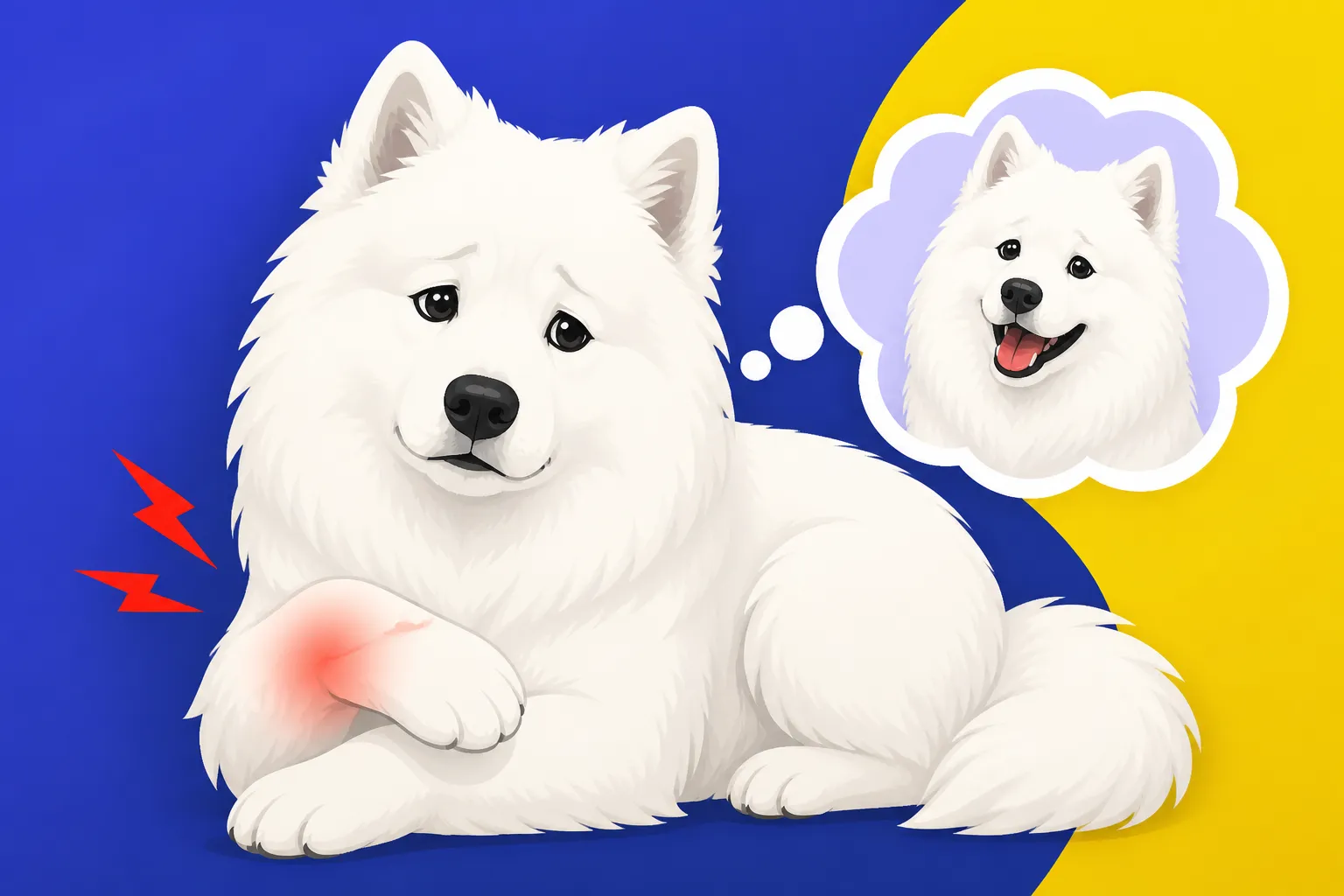
Ah, the famous "Samoyed Smile." It's one of their most endearing traits, making them appear perpetually happy and content. But this charming facial expression can, unfortunately, be a highly effective mask for pain. Because their mouths naturally curl upwards, creating that characteristic grin, it can obscure the more subtle facial cues of discomfort that might be obvious in other breeds. A dog with a tighter, more rigid mouth might show tension, but a Samoyed's smile can hide that.
This means we can't solely rely on their facial expression to gauge their internal state. A Samoyed might be experiencing significant dental pain, abdominal discomfort, or even joint issues, yet still greet you with that heartwarming grin. It requires us to look beyond the immediate visual and delve deeper into their body language, their energy levels, and their willingness to engage. The "smile" is a wonderful breed characteristic, but it adds an extra layer of difficulty to our quest to understand How a Samoyed Hides Illness Behind a Smile.
Subtle Signs of Pain and Discomfort
Since our Samoyeds aren't big complainers, we need to be incredibly vigilant about subtle changes in their behavior. These are the whispers of discomfort, not the shouts, and they often manifest in ways that might seem minor at first glance. Don't dismiss small shifts; they could be the earliest indicators of an issue that, if caught early, can be managed much more effectively.
Changes in Movement and Posture
This is often one of the first areas where pain makes itself known, even if subtly. Watch how your Samoyed moves. Are they normally bouncy and agile, but now they seem a bit stiff when getting up after a nap? Do they hesitate before jumping onto the couch or into the car, when previously they would leap without a second thought? You might notice a slight limp, especially after exercise, that then seems to disappear after they've rested. Perhaps they're reluctant to climb stairs or even go down them, favoring a slower, more deliberate pace.
Their posture can also tell a story. A Samoyed experiencing back pain might hold their head lower, or arch their back more than usual. Dogs with abdominal pain might adopt a "prayer" position, with their front legs stretched out and their rear end raised, trying to relieve pressure. If they usually stand squarely but are now shifting weight or tucking a leg, these are all signs worth investigating. Even something as simple as a decreased wag of the tail, or holding it lower than normal, can be a sign of general malaise or discomfort. Observing changes in movement and posture is key to understanding potential issues like Arthritis in an Older Samoyed or other musculoskeletal pains.
Alterations in Eating, Drinking, and Elimination
Pain can have a significant impact on basic bodily functions. If your food-motivated Samoyed suddenly becomes less enthusiastic about mealtime, takes longer to eat, or even leaves food unfinished, it's a huge red flag. This could be due to dental pain, making chewing uncomfortable, or it could signal internal discomfort like nausea or a stomach ache. Similarly, changes in drinking habits – either drinking excessively or much less than usual – warrant attention. Excessive thirst, for instance, can sometimes be an early indicator of issues like diabetes.
Beyond intake, keep an eye on their elimination patterns. Is your Samoyed straining to urinate or defecate? Are there changes in the consistency or frequency of their bowel movements? Accidents in the house from a previously house-trained dog can also signal pain, as they might be unable to hold it or too uncomfortable to get outside quickly enough. Remember, dogs instinctively try to keep these functions regular, so any deviation is a sign that something is amiss internally. It’s always wise to monitor these daily habits closely.
Grooming Habits and Self-Licking
Our fluffy Samoyeds usually love a good grooming session, and they also engage in self-grooming. But a change in these habits can be a subtle sign of pain. If your Samoyed is suddenly licking a specific spot on their body excessively – a paw, a hip, their belly – it could indicate localized pain, an itch, or irritation in that area. Over-grooming can lead to skin irritation or even hot spots, which then create more discomfort, leading to a vicious cycle.
Conversely, a decrease in self-grooming can also be a sign. A dog in pain might not feel up to the effort of keeping their coat clean, leading to matting or a generally unkempt appearance. If you notice a dullness to their usually sparkling white coat, or if they seem uninterested in their regular brushing, consider it a potential indicator of discomfort. These grooming changes often point to underlying physical issues that are making them feel unwell.
Why Samoyeds Mask Their Pain
It’s truly fascinating, and sometimes heartbreaking, to realize just how deeply ingrained the act of masking pain is in our dogs. It’s not about being "brave" in a human sense, but rather a complex interplay of evolutionary programming, their social dynamics with us, and individual personality. Understanding these reasons can help us approach their care with even greater empathy and observational skill.
Evolutionary Survival Mechanism
As we touched on earlier, the primary driver behind a Samoyed's tendency to hide pain is an ancient, deeply rooted survival mechanism. In the wild, animals that show weakness become targets for predators or are ostracized from the group, reducing their chances of survival. This isn't a behavior they consciously choose; it's an instinct that has been honed over millennia. While our modern Samoyeds aren't facing wolves or rival packs in our living rooms, this primal programming remains.
This instinct means that dogs often have an incredibly high pain tolerance, or at least a high threshold for showing pain. They'll try to push through discomfort, maintain normal behaviors, and even appear cheerful until the pain becomes truly unbearable. It's why a severe injury might only manifest as a slight limp at first, or a serious internal illness might only show up as a subtle dip in energy. This inherent drive to appear strong is a testament to their incredible resilience, but it places a significant responsibility on us to be their advocates and keenest observers.
Desire to Please Their Humans
Beyond survival instincts, many Samoyeds possess a strong desire to please their human companions. They thrive on interaction, attention, and being a part of the family unit. When they are feeling unwell, some dogs might interpret their own pain or discomfort as something that could disrupt this valued bond or even displease their owners. They might try to "power through" their pain during playtime or walks to avoid letting you down or missing out on an activity they perceive as important to you.
Consider a Samoyed who loves going for a walk. Even if their hips are aching, they might still wag their tail enthusiastically at the sight of the leash, then gradually slow down or limp as the walk progresses. They want to participate, they want to make you happy, and they might even try to suppress their discomfort to do so. This isn't universally true for all dogs, but it's a common observation among breeds with strong human-animal bonds like the Samoyed. This social motivation further complicates our ability to accurately assess their well-being.
Individual Personality Differences
Just like people, every Samoyed has a unique personality. Some might be naturally more sensitive and vocal about any minor discomfort, while others are incredibly stoic and private about their pain. You might have a Samoyed who lets out a little "oof" every time they stretch the wrong way, and another who endures a significant injury without so much as a whimper. These individual variations are important to consider when evaluating your dog's behavior.
A generally laid-back Samoyed might become unusually clingy or withdrawn when in pain, while a more independent one might try to hide away. If you have multiple Samoyeds, you’ll likely see these differences play out. One might be more expressive, while another is a silent sufferer. Understanding your individual Samoyed's baseline personality and typical reactions is crucial. Any deviation from their normal behavior, even if it wouldn't be unusual for another dog, is a sign that deserves your attention. This individual approach to pain is a key reason why consistent observation is so vital throughout The Twelve to Fourteen Years a Samoyed Lives.
Observing Behavioral Changes
Since Samoyeds are so adept at masking pain, paying close attention to nuanced behavioral shifts is paramount. These aren't always overt cries for help, but rather subtle departures from their usual routines and personalities. Think of it as reading between the lines of their daily lives.
Lethargy and Reduced Activity
One of the most common and often earliest signs that a Samoyed isn't feeling well is a general decrease in their energy levels. Are they sleeping more than usual? Are they less enthusiastic about their morning walk or playtime? Do they seem reluctant to engage in activities they typically love, like chasing a ball or romping with other dogs at the park? It's not just about obvious limping; sometimes it's a gradual reduction in their zest for life.
A Samoyed who usually greets you at the door with excited jumps might now offer a more subdued wag of the tail from their bed. They might seem more sluggish, moving slower, or taking more frequent breaks during exercise. If your Samoyed, who typically demands attention and play, opts to lie down away from the family or simply ignores your attempts to initiate play, it's definitely something to note. This lethargy can be a sign of many underlying issues, from joint pain making movement uncomfortable to internal illness draining their energy.
Aggression or Increased Irritability
It's rare for a Samoyed to show aggression, as they are generally known for their gentle and friendly disposition. However, a sudden onset of aggression or an increase in irritability can be a significant indicator of pain or fear due to pain. A dog that is usually tolerant might snap or growl if touched in a sensitive area, or if they feel threatened when approached. They might become defensive of their space or show reluctance to be handled, especially in ways that might exacerbate their discomfort.
This isn't necessarily "bad behavior," but rather a desperate attempt to protect themselves from something that hurts. If your usually sweet Samoyed suddenly nips or lunges, it’s not typically out of malice, but out of fear and pain. Even a subtle change, like a lowered head, flattened ears, or a stiff body when you approach, can signal that they're feeling vulnerable and uncomfortable. Pay close attention if they become withdrawn or try to avoid interaction more than usual, as this can be a precursor to overt reactions when their boundaries are pushed.
Changes in Sleeping Patterns
Just like humans, dogs in pain often have disrupted sleep. Your Samoyed might struggle to find a comfortable position, frequently shifting, sighing, or getting up and down throughout the night. They might choose to sleep in unusual spots, trying to find a softer surface or a different angle that puts less pressure on an aching joint. Conversely, some dogs might sleep more than usual, using rest as a coping mechanism for their discomfort, often paired with the lethargy mentioned earlier.
Watch for restlessness or an inability to settle. Do they pace before finally collapsing? Do they wake up easily with a start? A Samoyed who usually snores peacefully might now be more agitated. On the other hand, if they are suddenly sleeping far deeper than normal and are difficult to rouse, this also warrants attention. Sleep is vital for healing and recovery, so any sustained disruption to your Samoyed's normal sleep patterns is a strong signal that something isn't right.
Reluctance to Engage in Favorite Activities
Perhaps one of the most heartbreaking signs of pain is when your Samoyed loses interest in the things they once loved. If your Samoyed lives for their daily walk, but now lags behind or tries to cut it short, that’s a big clue. If they used to go wild for a game of fetch but now just watches the ball roll by, or if they turn down a favorite treat, these are not just signs of boredom. They often indicate that the joy derived from these activities is overshadowed by physical discomfort.
Think about the unique quirks of your Samoyed. Does your dog love to "talk" to you, but now is quieter? Do they normally jump on the bed or couch for cuddles, but now opt to lie on the floor nearby? Are they less inclined to play with their favorite toys? These subtle rejections of previously enjoyed interactions are often powerful indicators that your Samoyed is experiencing pain or illness. It's their silent way of communicating that their body isn't allowing them to participate fully in life's pleasures.
What to Do When You Suspect Pain
So, you've been observing, and your gut is telling you something's off. You've noticed those subtle shifts in behavior, movement, or disposition. The next steps are crucial, and it’s always better to err on the side of caution. Remember, you are your Samoyed's best advocate, especially since they're unlikely to tell you directly what's bothering them.
Gentle Physical Examination
Before rushing to the vet, a gentle, systematic physical check at home can sometimes provide clues. Start by observing your Samoyed from a distance, watching their natural movement and posture. Then, approach them calmly and gently. Begin by stroking them all over, feeling for any heat, swelling, lumps, or unusual tenderness. Pay attention to how they react to your touch in different areas. Do they flinch when you touch their back, a hip, or a paw?
Check their paws for cuts, thorns, or broken nails. Gently flex and extend each leg and joint, noting any stiffness, reluctance, or pain responses. Open their mouth and check their teeth and gums for any signs of dental disease or injury. Look into their ears and eyes for redness, discharge, or inflammation. Throughout this process, speak in a soothing voice and stop immediately if your Samoyed shows any signs of distress or aggression. The goal is to gather information without causing further pain or fear. This gentle check-up can sometimes help you narrow down what to tell your veterinarian.
Consulting Your Veterinarian
If your home examination reveals anything suspicious, or even if it doesn't but your intuition still says something is wrong, contacting your veterinarian is the most important next step. Don't wait until the pain becomes undeniable or your Samoyed's condition visibly worsens. Early intervention can often lead to better outcomes and prevent conditions from escalating. When you call, be prepared to describe all the subtle changes you've observed, no matter how small they seem.
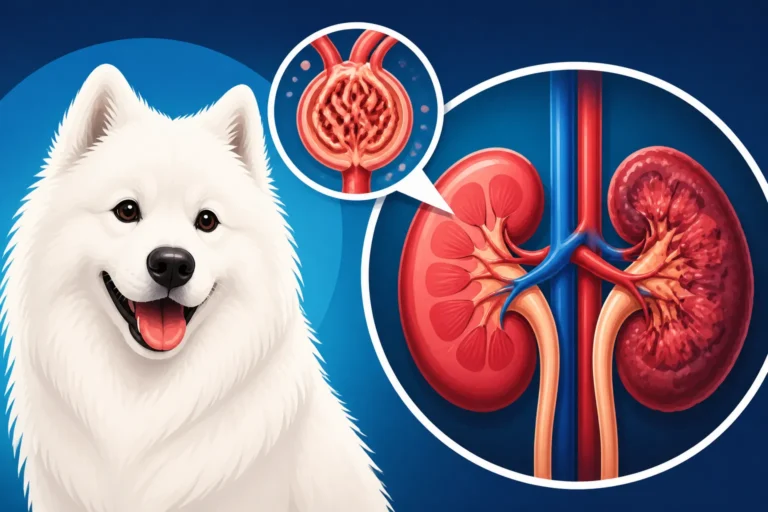
Your vet will conduct a thorough physical examination, which might include palpating joints, checking range of motion, and observing your dog's gait. Depending on their findings, they might recommend further diagnostics, such as X-rays to check for arthritis or fractures, blood tests to look for systemic illness or inflammation, or urine tests to check kidney function, especially if you're concerned about issues like Signs a Samoyed Is Losing Protein in Its Urine. Be honest and detailed about your observations; your input is invaluable to their diagnostic process.
Considering Pain Management Options
Once a diagnosis is made, your veterinarian will discuss appropriate pain management options. These can vary widely depending on the cause and severity of the pain. For acute injuries, anti-inflammatory medications (NSAIDs) are often prescribed. For chronic conditions like arthritis, a multimodal approach might be recommended, including daily medications, joint supplements, physical therapy, or even alternative therapies like acupuncture or cold laser therapy.
It's crucial to follow your vet's instructions precisely regarding medication dosages and frequency. Never give your Samoyed human pain relievers, as many are toxic to dogs. Discuss the potential side effects of any prescribed medication and what to watch out for. Sometimes, dietary changes or specific prescription foods can also play a role in managing pain or inflammation. The goal is to improve your Samoyed's quality of life, reduce discomfort, and allow them to enjoy their activities again.
Preventative Care and Regular Check-ups
While it's important to know how to recognize pain, an even better approach is to focus on preventative care. By proactively managing your Samoyed's health, you can reduce the likelihood of painful conditions developing or catch them at their earliest, most manageable stages. This long-term commitment is part of responsible Samoyed ownership.
Maintaining a Healthy Weight
One of the biggest factors influencing a dog's joint health and overall well-being is their weight. Carrying extra pounds puts undue stress on joints, particularly the hips and elbows, accelerating the development of conditions like arthritis. For a breed like the Samoyed, already prone to issues such as hip dysplasia, maintaining a lean body condition is absolutely critical. It’s hard to tell if your Samoyed is overweight under all that fluff, but you should be able to easily feel their ribs without pressing hard, and see a discernible waistline when looking down from above.
Your veterinarian can help you determine your Samoyed's ideal weight and recommend a feeding plan tailored to their age, activity level, and individual needs. This might involve carefully measuring their food, choosing a lower-calorie diet, or reducing the number of high-fat treats. Regular, appropriate exercise, paired with a balanced diet, will go a long way in preventing obesity and its associated pains.
Regular Veterinary Visits
Even if your Samoyed seems perfectly healthy, regular veterinary check-ups are non-negotiable. These annual or bi-annual visits allow your vet to perform a thorough physical examination, monitor their weight, listen to their heart and lungs, and discuss any subtle changes you might have noticed. These routine exams are also an opportunity for vaccinations and parasite prevention.
For older Samoyeds, these visits become even more critical. Your vet might recommend routine bloodwork and urine tests to screen for age-related conditions, such as kidney disease or thyroid issues, before they become clinically apparent. Early detection through regular check-ups means that potential problems can be addressed sooner, often with less invasive and more effective treatments. Some conditions, like early-stage kidney disease, show no outward signs until they are quite advanced, making these regular screenings vital.
Investing in Pet Insurance
Let's face it, veterinary care, especially for diagnostics and chronic pain management, can be expensive. An unexpected injury or the diagnosis of a long-term condition can put a significant financial strain on owners, sometimes leading to difficult decisions. This is where pet insurance can be a real lifesaver. Investing in a good policy when your Samoyed is young and healthy means that you’ll have financial support if they develop a condition later in life.
Companies like Healthy Paws offer comprehensive coverage that can help with the costs of diagnostics, treatments, medications, and even alternative therapies for covered accidents and illnesses. Having pet insurance can give you peace of mind, allowing you to focus on getting your Samoyed the best possible care without having to worry as much about the immediate financial burden. It means you can say "yes" to those X-rays, that specialty consultation, or those long-term pain medications without hesitation, ensuring your Samoyed doesn't suffer simply because of cost. When considering pet insurance, it’s always a good idea to research plans that cover hereditary conditions, as some Samoyed health issues can have a genetic component, which can impact What Insuring a Samoyed With Two Known Diseases Costs later on.
Markdown Table: Subtle vs. Overt Pain Signals in Samoyeds
Understanding the difference between subtle, early indicators of pain and more obvious, late-stage signs is crucial for Samoyed owners.
| Observation Area | Subtle Signs (Early Stage) | Overt Signs (Later Stage) |
|---|---|---|
| Movement | Slight stiffness upon rising, hesitation before jumping, decreased enthusiasm for walks, minor changes in gait. | Obvious limping, inability to bear weight on a limb, severe reluctance to move, inability to jump or climb stairs, constant shifting of weight, rigid posture. |
| Behavior | Increased sleeping, reduced interest in play, mild irritability when touched in certain areas, slight withdrawal from family interaction. | Whining or crying, snapping or growling when approached/touched, hiding, refusal to interact, excessive panting without exertion, trembling, significant lethargy or restlessness, sudden house soiling in a previously trained dog. |
| Appetite & Thirst | Taking longer to eat, leaving some food behind, slight decrease or increase in water intake. | Complete refusal to eat or drink, vomiting, diarrhea, noticeable weight loss or gain, difficulty chewing or swallowing. |
| Grooming/Body | Licking a specific area more frequently, slight dullness of coat, less self-grooming. | Obsessive licking or chewing causing skin irritation/hair loss, visible swelling, open wounds, hot spots, noticeable discharge (from eyes, ears, nose), matted or filthy coat due to lack of self-grooming, guarding a painful area. |
| Facial Expression | May still "smile," but eyes might appear duller, slight tension around the eyes or mouth (often hidden by the natural "smile"). | Squinting, wide-eyed look, droopy ears (if not typically so), lip-licking (not food-related), excessive panting, furrowed brow, visible grimace (rare in Samoyeds, but possible with extreme pain). |
| Vocalization | Quieter than usual, less "talking," occasional soft grunt when moving. | Whimpering, crying, prolonged howling, yelping when touched or moved, increased "Samoyed scream" that seems distressed rather than conversational. |
Disclaimer
The information provided in this article is for educational purposes only and is not intended to be a substitute for professional veterinary advice, diagnosis, or treatment. Always seek the advice of your veterinarian or other qualified health provider with any questions you may have regarding a medical condition.