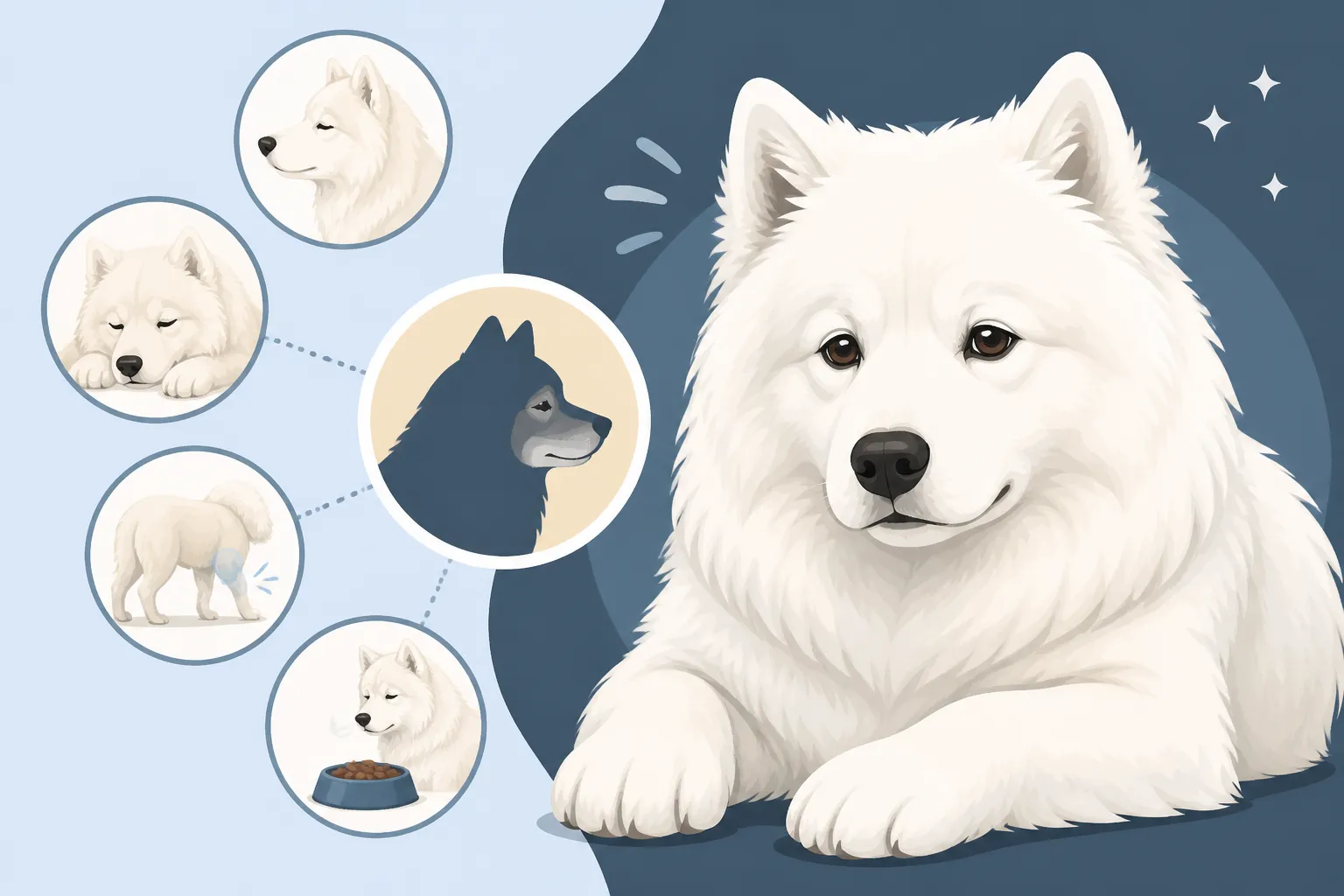
Signs a Samoyed Is Getting Old
It's heartbreaking to realize that your energetic, fluffy Samoyed, who once bounded through snowdrifts and demanded endless games of fetch, is starting to show the tell-tale signs of slowing down. Many Samoyed owners struggle to identify these subtle shifts, often dismissing them as temporary quirks, but understanding the early indicators of aging is crucial for providing the best possible care and ensuring their comfort in their golden years. This guide will walk you through the common physical, behavioral, and cognitive changes to look for as your beloved Samoyed enters its senior phase, helping you recognize when it's time to adapt their routine and environment.
The Subtle Shift: Recognizing Early Signs of Aging in Your Samoyed
One of the most challenging aspects of owning a Samoyed is their incredible ability to mask discomfort or illness, often maintaining their cheerful "Sammy smile" even when not feeling their best. This stoicism means that you, as their dedicated owner, need to be extra vigilant in observing subtle changes in their daily routine. The shift into old age isn't usually a sudden event; it's a gradual process, almost imperceptible day by day, until one day you realize your once tireless companion is opting for more naps.
Changes in Energy and Activity Levels
Perhaps the most obvious sign that your Samoyed is getting older is a noticeable decrease in their overall energy and enthusiasm for activities they once adored. That morning romp might be shorter, or they might not be as quick to greet you at the door.
You might notice that your Samoyed, who used to be ready for a long walk at a moment's notice, now takes a bit longer to get up from their bed, or perhaps they're less inclined to chase a ball across the yard. This isn't necessarily a sign of pain, but rather a natural reduction in their stamina and a preference for more moderate exercise. They might still enjoy a sniffy walk around the block, but the marathon hikes of their youth might be too much. Pay attention to how long they want to stay out and if they seem to tire more quickly than before. It’s a good idea to refer to information on The Age a Samoyed Counts as a Senior to understand when these changes are expected.
Another common observation is an increased desire for rest. While Samoyeds love to nap, a senior Samoyed might start napping more frequently throughout the day, often seeking out quiet, comfortable spots. They might not be as interested in constant interaction or play sessions, preferring to snooze nearby while you go about your day. This shift in energy isn't a sign of disinterest, but rather their body's need for more recovery time. Respecting this need for rest, while still encouraging gentle activity, is key to their well-being.
Sometimes, this decline in energy can be tricky to distinguish from an underlying health issue. For example, a dog with an undiagnosed condition like hypothyroidism might also show lethargy and a lack of energy, which can be mistakenly attributed solely to age. It’s always best to consult your veterinarian if you notice a significant or sudden drop in energy, especially if it's accompanied by other concerning symptoms. Regular check-ups are essential to rule out treatable conditions that might be impacting their vitality.
Alterations in Sleep Patterns
Just like humans, senior Samoyeds often experience changes in their sleep cycles. What was once a solid eight hours of slumber might become more fragmented, with periods of wakefulness during the night.
You might find your older Samoyed waking you up in the middle of the night, not necessarily to go outside, but perhaps just to wander, or to reposition themselves, or even to stare at you. This nocturnal restlessness can be a sign of discomfort, needing to urinate more frequently, or even early cognitive dysfunction. It's important not to just dismiss this as "being old." Consider if their bedding is comfortable enough for their aging joints, if their bladder control is weakening, or if they seem disoriented when they wake up. Keeping a consistent bedtime routine can sometimes help, but if the issue persists, a vet visit is warranted.
Conversely, some senior Samoyeds might sleep more during the day, making up for disturbed night-time rest. They might seem almost glued to their bed for longer stretches, only rousing for meals or very short walks. This increased daytime sleep can lead to a less active lifestyle, potentially impacting muscle mass and overall fitness if not managed. While more sleep is natural, excessive lethargy during the day, combined with restlessness at night, is definitely a pattern to discuss with your vet.
It's also worth noting that changes in sleep patterns can sometimes be a subtle indicator of pain. An arthritic Samoyed might struggle to get comfortable, leading to frequent position changes and disturbed sleep. Similarly, an older dog with urinary incontinence might wake up needing to go out more often, disrupting their sleep and yours. Observing why they are waking up—are they pacing, whimpering, or just getting a drink of water?—can provide valuable clues to share with your vet.
Dietary Shifts and Weight Management
As Samoyeds age, their metabolism often slows down, and their nutritional needs can change. What worked for them in their prime might not be appropriate for their senior years.
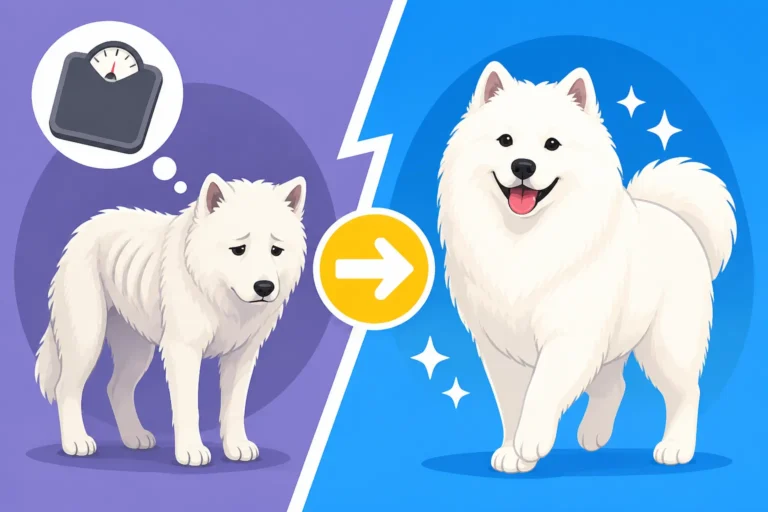
You might notice your Samoyed’s appetite changing. Some older Samoyeds become pickier eaters, while others might develop a ravenous appetite, which can be a sign of certain metabolic conditions like diabetes or thyroid issues. More commonly, however, older dogs tend to require fewer calories as their activity levels decrease. It's critical to monitor their weight closely, as both obesity and unintentional weight loss can be detrimental to their health. An overweight senior Samoyed puts extra strain on already aging joints, while unexplained weight loss could indicate a more serious underlying health problem that should be investigated by your veterinarian. You can find more specific advice in articles like Feeding an Old Samoyed.
It’s not just about the quantity of food; the type of food might need to change. Many senior dog foods are formulated with lower calories, higher fiber, and sometimes supplements for joint health. Some older Samoyeds might also experience dental issues, making hard kibble uncomfortable to eat. In such cases, softening their food with water or switching to a wet food can make mealtime much more enjoyable for them. Always introduce new foods gradually to avoid upsetting their digestive system.
Proper hydration is also paramount. Senior Samoyeds might drink less or, conversely, drink excessively. A sudden increase in water intake is a classic sign of diabetes or kidney disease, so it should never be ignored. Always ensure fresh, clean water is readily available. If you're concerned about their hydration or appetite, discuss it with your vet. They can help you tailor a diet plan that meets your senior Samoyed's specific needs, potentially recommending prescription diets if necessary. When budgeting for care, remember that pet insurance providers like Healthy Paws can often help cover the costs of diagnostic tests or specialized foods if a condition is diagnosed.
Physical Indicators: What to Look For in an Aging Samoyed's Body
Beyond the more subtle behavioral shifts, a senior Samoyed will inevitably start to show physical signs of aging. Their beautiful white coats, once so pristine, might develop a few changes, and their strong, agile bodies will begin to feel the effects of time. Being proactive in recognizing and addressing these changes can significantly improve their quality of life.
Coat and Skin Transformations
The iconic Samoyed coat, a magnificent double layer of white fluff, can undergo several changes as your dog ages. While it may not turn grey in the same way a human's hair does, other shifts are common.
One of the most common observations is a thinning or dulling of the coat. The luxurious density and bright white sheen might diminish, and the fur can become coarser or drier to the touch. This can be due to a decrease in the skin's natural oil production, slower cell turnover, or even underlying conditions like hypothyroidism, which can cause significant coat changes and skin issues. Regular, gentle grooming is still vital, not just for maintaining cleanliness and preventing mats, but also for stimulating circulation and distributing natural oils. If you notice excessive shedding, bald patches, or any skin irritation, it’s always best to have it checked out by your vet. The article on How an Old Samoyed's Coat Changes offers more insights into this topic.
Skin itself can also change. You might notice the development of benign lumps and bumps (lipomas, warts, skin tags) that are common in older dogs. While most are harmless, any new lump should always be examined by a veterinarian to rule out anything more serious. The skin might also become thinner and less elastic, making it more prone to injury or irritation. It's essential to check their skin regularly during grooming sessions for any sores, redness, or unusual growths, especially in areas where their dense fur might obscure them.
Maintaining good hygiene and providing a balanced diet with essential fatty acids can help support skin and coat health in senior Samoyeds. Some vets might recommend supplements specifically designed for skin and coat, but always consult with your veterinarian before adding anything new to their regimen. These changes, though often cosmetic, can impact comfort and sometimes signal underlying health concerns.
Joint and Mobility Challenges
Arthritis and other joint issues are incredibly common in older Samoyeds, given their size and active past. These conditions can significantly impact their mobility and comfort.
You might notice your Samoyed struggling with activities that were once effortless. Getting up after a nap might take longer, or they might seem stiff, especially in the mornings or after periods of rest. They might be reluctant to jump into the car, climb stairs, or even engage in their favorite games. This stiffness or lameness is often a sign of osteoarthritis, where the cartilage in their joints has worn down, leading to bone-on-bone friction and inflammation. It's crucial not to mistake this for laziness; it's pain. While they might not cry out, a slowing gait or hesitation is their way of communicating discomfort. The article Arthritis in an Older Samoyed provides a deeper dive into managing this condition.
One way to identify joint pain is observing changes in their posture or gait. An older Samoyed with hip or elbow dysplasia might shift their weight differently, take shorter steps, or bunny hop when they run. Their once graceful, powerful stride might become a bit more awkward or hesitant. You might also notice muscle atrophy, particularly in their hindquarters, as they use those muscles less due to discomfort. Gentle, consistent exercise, warm soft bedding, and veterinary pain management strategies (including anti-inflammatory medications or joint supplements) can make a huge difference in their comfort. When choosing a bed, considering What an Arthritic Samoyed Should Sleep On can significantly improve their rest.
Creating an accessible home environment is also vital. Ramps for cars or stairs, non-slip rugs on slick floors, and raised food and water bowls can help minimize strain on their joints. Regular veterinary check-ups are paramount for early diagnosis and management of arthritis. Your vet can recommend X-rays to assess joint health and tailor a treatment plan that might include medication, physical therapy, or other supportive therapies to keep your Samoyed as comfortable and mobile as possible. Insuring your Samoyed with a company like Healthy Paws when they're young can help ensure that potential age-related conditions like arthritis are covered when they arise.
Sensory Decline: Vision and Hearing
Just as our own senses can dim with age, so too can those of our Samoyeds. Reduced vision and hearing are common and can sometimes lead to confusion or anxiety.
Vision changes can manifest in various ways. Your Samoyed might start bumping into furniture in dimly lit rooms, hesitate on stairs, or be startled more easily if approached from the side. Their eyes might appear cloudy or bluish, which could be nuclear sclerosis—a normal, age-related change that mildly affects vision—or it could be cataracts, which can significantly impair sight. While nuclear sclerosis typically doesn't require treatment, cataracts might, depending on their severity and your dog's overall health. If you notice any sudden changes in their vision or the appearance of their eyes, a veterinary ophthalmologist can provide a definitive diagnosis and recommend appropriate care.
Hearing loss is another common age-related change. You might find your Samoyed no longer responds to their name as readily, misses the doorbell, or doesn't seem to hear you come home. This can be frustrating, as it might appear they are being disobedient or stubborn, but it's important to remember they might simply not hear you. If you suspect hearing loss, try using visual cues or hand signals, and approach them gently to avoid startling them. Speaking in a slightly lower, louder tone can sometimes help, as some dogs lose higher frequency hearing first.
Adapting your home and routine to accommodate these sensory changes is key. For vision loss, avoid rearranging furniture, keep pathways clear, and consider using scent markers or different textures to help them navigate. For hearing loss, ensure they are always on a leash in unfamiliar or unsecured areas, as they won't hear a car horn or your warning commands. Patience and understanding are your most important tools during this transition, helping your Samoyed maintain confidence and security despite their changing senses.
Cognitive and Behavioral Changes: More Than Just "Slowing Down"
While many assume that an older dog simply "slows down," some of the most profound changes in senior Samoyeds can be cognitive and behavioral. These shifts often indicate Canine Cognitive Dysfunction (CCD), a condition similar to Alzheimer's in humans, and understanding them is crucial for providing compassionate care.
Changes in Interaction and Temperament
Your once outgoing, social Samoyed might start showing differences in how they interact with family members, other pets, or even strangers. This isn't just a mood swing; it can be a sign of aging brains.
An older Samoyed might become less tolerant of boisterous puppies or young children, preferring a quieter environment. They might seek less attention or, conversely, become clingier and more anxious when you leave the room. Some Samoyeds might even become irritable or snap when they are petted in a sensitive area due to pain that you didn't even know they were experiencing. It's vital to interpret these changes not as "bad behavior" but as potential signs of discomfort, anxiety, or cognitive decline. Always rule out pain first with a vet visit, especially if aggression or irritability is new. For insights into understanding subtle distress, refer to How a Samoyed Hides Illness Behind a Smile.
Another common behavioral change is a decrease in their enthusiasm for once-loved activities or a general withdrawal. The Samoyed who once demanded attention might now simply lie quietly, seeming less engaged with family life. This can be heartbreaking to witness, but it's important to continue to offer gentle interaction and mental stimulation. Spending quality time together, even if it's just quiet companionship, can help reduce feelings of isolation or anxiety.
If these changes are significant or sudden, it’s definitely time to consult your veterinarian. They can help distinguish between normal aging temperament shifts, pain-related irritability, or signs of Canine Cognitive Dysfunction. Sometimes, dietary supplements or medications can help manage the symptoms of CCD and improve their quality of life.
Confusion and Disorientation
One of the most concerning signs of aging in Samoyeds, and often indicative of CCD, is a noticeable increase in confusion and disorientation. This can be truly distressing for owners to witness.
You might observe your Samoyed getting "stuck" in corners, staring blankly at walls, or having trouble navigating familiar spaces. They might forget where their food bowl is, or get confused about which door leads outside. This disorientation can be particularly evident in unfamiliar environments or after waking up from a nap. Imagine how frightening that must be for them, losing their bearings in their own home. It’s a key indicator addressed in Whether an Old Samoyed Gets Confused. Providing a consistent routine and keeping their environment stable can help reduce anxiety associated with these episodes.
Another sign of cognitive decline can be changes in their sleep-wake cycle, as mentioned earlier. They might be awake and restless at night, pacing or whining, then sleep excessively during the day. This reversal of their natural rhythm can be incredibly disruptive to both your household and their own well-being. Keeping a journal of these behaviors can be helpful for your veterinarian to assess the severity and frequency of these episodes, aiding in diagnosis and treatment planning.
If you suspect your Samoyed is experiencing confusion or disorientation, schedule a vet visit promptly. While there's no cure for CCD, there are medications, dietary changes, and environmental enrichment strategies that can help slow its progression and improve your dog's cognitive function and comfort. These interventions can make a significant difference in preserving their quality of life for as long as possible.
House Training and Routine Disruptions
Regression in house training or a general disruption of established routines can be particularly frustrating and often signifies an underlying issue in an aging Samoyed.
A previously perfectly house-trained Samoyed might start having accidents indoors, even in places they never would have before. This isn't necessarily a sign of spite or forgetting their training; it could be due to weakened bladder or bowel control, increased frequency of urination (due to kidney disease or diabetes), or simply not remembering to ask to go outside due to cognitive decline. Punishing them for accidents will only cause confusion and distress. Instead, increase the frequency of their outdoor potty breaks, especially after waking up, eating, and before bed. Consider using doggy diapers if accidents become frequent, to protect your home and maintain their dignity. You can help manage expenses with pet insurance, as many policies like those from Healthy Paws cover conditions leading to incontinence.
Beyond house training, you might notice other routine disruptions. Perhaps they forget signals you've used for years, or they seem confused by your daily schedule. They might wander aimlessly, bark more frequently without apparent reason, or exhibit compulsive behaviors like licking or pacing. These changes indicate that their internal clock and memory are not functioning as they once did.
Compassion and patience are paramount. Re-establish routines with clear signals and be understanding when they falter. Ensure their environment is consistent and predictable. Always consult your vet to rule out medical causes for these changes, such as urinary tract infections, kidney issues, or diabetes, before attributing everything solely to old age. Addressing medical conditions can often resolve or significantly improve these behavioral challenges, allowing your Samoyed to enjoy a more comfortable senior life.
Proactive Care for Your Senior Samoyed: Embracing Their Golden Years
Watching your Samoyed age can be tough, but it also presents an opportunity to deepen your bond and ensure their twilight years are filled with comfort, dignity, and love. Proactive care is not just about reacting to problems, but anticipating needs and making adjustments to support their changing body and mind. It's about ensuring Caring for a Samoyed Past Nine is as joyous as possible.
Regular Veterinary Check-ups and Preventative Care
The single most important thing you can do for your senior Samoyed is maintain a consistent schedule of veterinary check-ups. While younger dogs might go yearly, senior Samoyeds often benefit from twice-yearly visits.
These regular appointments allow your veterinarian to monitor your Samoyed's overall health, catch potential age-related diseases early, and adjust their care plan as needed. Early detection is key for many conditions common in older dogs, such as kidney disease, heart disease, diabetes, and certain cancers. During these visits, your vet will perform a thorough physical exam, often including blood work and urinalysis, to establish baseline values and identify any concerning trends. For example, regularly checking for Whether a Samoyed Needs Yearly Kidney Bloodwork and Whether a Samoyed Needs Yearly Glucose Bloodwork can be life-saving.
Preventative care in senior Samoyeds extends beyond just detecting illness. It includes discussions about weight management, dental health (dental disease is incredibly common in older dogs and can lead to other systemic health issues), and appropriate parasite control. Your vet can also offer advice on pain management for arthritis, nutritional supplements, and strategies for managing cognitive decline. Don't be afraid to come armed with questions and observations; your insights are invaluable to your vet's assessment.
Consider creating a health journal for your senior Samoyed, noting any changes in appetite, water intake, energy levels, mobility, or behavior. This detailed information will be incredibly helpful for your vet in identifying patterns and making informed decisions about their care. A good relationship with your veterinarian and an open line of communication are cornerstones of excellent senior dog care, allowing you to proactively address challenges and maintain their quality of life.
Environmental Adjustments for Comfort and Safety
Making simple adjustments to your home environment can significantly improve your senior Samoyed's comfort, mobility, and safety, making their daily life much easier.
One of the first considerations is flooring. Slick surfaces like hardwood or tile can be challenging and even dangerous for older dogs with reduced traction or joint pain. Lay down non-slip rugs or runners in high-traffic areas, especially where they eat, sleep, or transition between rooms. If they struggle with stairs, consider blocking access or installing a ramp. Providing comfortable, orthopedic beds in several accessible locations around the house gives them soft, supportive places to rest without having to climb or jump. This is particularly important for dogs with arthritis, as lying on hard surfaces can exacerbate pain.
Accessibility to essentials is also crucial. Ensure their food and water bowls are easily accessible, perhaps in a raised feeder to prevent neck and back strain. If they are having vision or cognitive issues, try to keep furniture in consistent locations to avoid disorientation and bumping into things. Nightlights in hallways can help dogs with diminishing eyesight navigate at night. For outdoor access, a sturdy ramp can help them get in and out of the house or car more easily, reducing strain and the risk of injury.
Finally, think about temperature regulation. While Samoyeds are built for cold, older dogs can be more sensitive to extremes. Ensure they have access to cool, shady spots in summer and warm, draft-free areas in winter. A cooling mat can be a blessing in warmer months, and a cozy blanket can offer extra comfort when it’s chilly. Small changes can make a world of difference, allowing your senior Samoyed to navigate their world with greater ease and confidence.
Mental Enrichment and Social Connection
Just because your Samoyed is aging doesn't mean their mind stops working or their need for companionship diminishes. Keeping them mentally stimulated and socially connected is vital for their emotional well-being and cognitive health.
Continue to engage them with gentle, age-appropriate activities. This might mean shorter, slower walks where they can sniff and explore at their own pace, rather than a brisk trot. Puzzle toys, snuffle mats, or treat-dispensing toys can provide mental challenges without requiring much physical exertion. Even practicing familiar, simple commands like "sit" or "stay" can be a great way to keep their minds engaged and reinforce your bond. The key is to keep activities enjoyable and low-pressure, celebrating their efforts rather than focusing on their speed or perfection.
Social connection is just as important. Older Samoyeds still crave companionship, even if they don't express it with the same boisterous energy they once did. Spend quiet time petting them, grooming them gently, or simply sitting near them. If they enjoy the company of other calm, well-mannered dogs, supervised playdates can provide social enrichment. However, be mindful of their temperament changes; if they become easily overwhelmed, opt for quieter, one-on-one interactions.
It's a delicate balance of respecting their need for rest while still providing opportunities for engagement. Keeping their minds active and their hearts full of connection can truly enhance their quality of life, demonstrating that their golden years can still be rich and fulfilling. This ongoing mental stimulation, coupled with physical comfort, contributes significantly to their overall happiness and longevity.
A Snapshot of Senior Samoyed Care
To help visualize the key aspects of caring for an aging Samoyed, here's a table summarizing common changes and the corresponding care strategies.
| Category | Common Signs of Aging | Proactive Care Strategies |
|---|---|---|
| Energy & Activity | Decreased stamina, more frequent naps, reluctance to play | Shorter, more frequent gentle walks; modify intense play to gentle interaction; respect need for rest; rule out pain or illness with vet. |
| Sleep Patterns | Restlessness at night, increased daytime sleep, confusion | Consistent bedtime routine; comfortable, orthopedic bedding; increased potty breaks; vet consultation for severe changes or disorientation (potential CCD). |
| Diet & Weight | Appetite changes, weight gain or loss, dental issues | Monitor weight closely; adjust calorie intake; switch to senior-specific or softened food; address dental problems; regular vet check-ups for conditions like diabetes or kidney disease. |
| Coat & Skin | Thinning, dull coat, dry skin, lumps/bumps | Regular, gentle grooming; check for new lumps (vet visit for all); discuss supplements for skin health; rule out thyroid issues (e.g., Signs a Samoyed's Thyroid Has Failed). |
| Joints & Mobility | Stiffness, lameness, difficulty rising/climbing | Orthopedic beds; ramps for stairs/car; non-slip flooring; vet-prescribed pain management, anti-inflammatories, or joint supplements; physical therapy. |
| Senses | Cloudy eyes, bumping into things, unresponsiveness | Consistent home layout; use visual cues for hearing loss; gentle approaches to avoid startling; regular vet eye/ear exams to distinguish normal aging from treatable conditions. |
| Cognition | Confusion, disorientation, house-training accidents | Consistent routine; increased potty breaks; positive reinforcement; vet consult for CCD diagnosis and management (medication, supplements); create a calm, predictable environment. |
| Temperament | Irritability, clinginess, withdrawal | Rule out pain or illness first; gentle interactions; respect their space; provide quiet areas; maintain social connection; consider anxiety management strategies with vet. |
Disclaimer
This article is for general informational purposes only and does not constitute professional advice. Laws, prices and regulations vary by location and change over time. Consult a qualified professional for guidance on your specific situation.