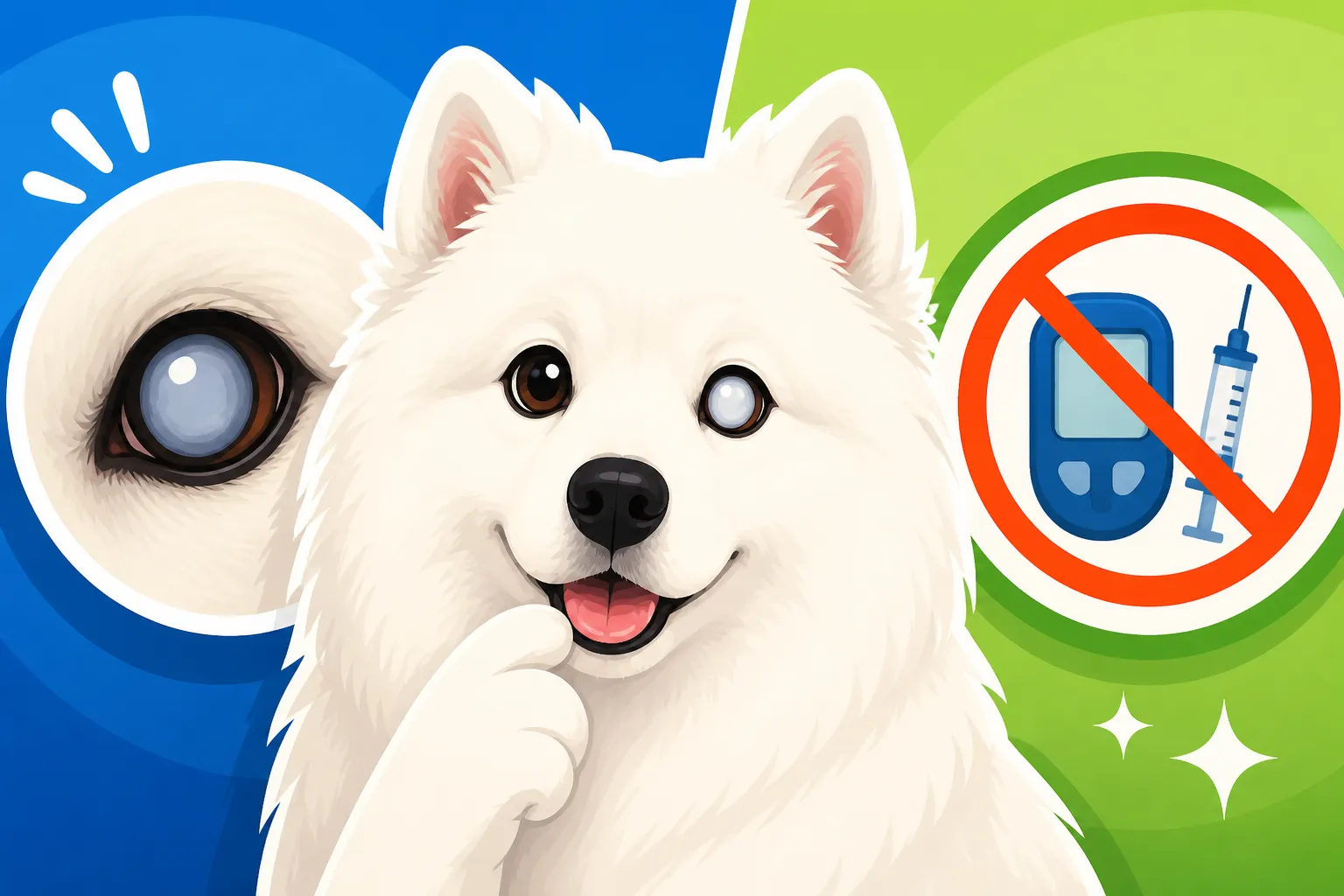
Whether a Samoyed Gets Cataracts Without Diabetes
It’s a common and understandable worry among Samoyed owners: seeing that cloudy look in your beloved dog’s eyes and immediately fearing the worst, especially the thought of diabetes. Many people associate cataracts directly with diabetes, and while it's true that diabetes can certainly cause them, it’s a huge relief for many to learn that cataracts can develop in your Samoyed for a whole host of other reasons. This guide is here to walk you through everything you need to know about cataracts in Samoyeds that aren't linked to diabetes, so you can understand the signs, causes, and what steps you can take.
Understanding Cataracts Beyond Diabetes in Samoyeds
When you spot a cloudiness in your Samoyed’s eye, the first thing that often leaps to mind is, "Oh no, is it diabetes?" It's a natural leap, given how often we hear about diabetic cataracts. But the truth is, a cataract is simply an opacity or clouding of the eye's lens that obstructs vision, and while diabetes is a major player, it's far from the only cause. Your Samoyed's bright, intelligent eyes can develop cataracts due to genetics, age, trauma, or even other underlying health conditions. It's crucial not to jump to conclusions about diabetes every time you see a cloudy eye.
Congenital and Juvenile Cataracts: When Genetics Play a Role
Sometimes, a Samoyed puppy can be born with cataracts, or develop them very early in life, often before they even reach two years old. These are known as congenital or juvenile cataracts. This type is frequently hereditary, meaning it’s passed down through generations. For concerned owners, understanding the genetic aspect is vital. Responsible breeders should be well aware of their lines and any history of cataracts. This is why it’s so important to ask about the health history of both parents when considering a puppy. A good breeder will have performed specific health clearances, including comprehensive eye exams, on their breeding stock. These early-onset cataracts can sometimes be subtle at first, only progressing to noticeable vision impairment over time. If you have a young Samoyed and notice any haziness in their eyes, even a slight one, don't dismiss it as just "puppy stuff." Early detection can sometimes make a difference in management, though many hereditary cataracts are progressive. You might want to learn more about a full range of eye conditions that can affect your breed in our comprehensive guide, "Eye Disease and the Samoyed's Retina".
Age-Related Cataracts: A Natural Part of Getting Older
Just like humans, our Samoyeds age, and with age can come a variety of changes, including those in their eyes. Age-related cataracts are incredibly common and typically appear in senior Samoyeds, usually after the age of six or seven. These develop slowly over time, often beginning as small, almost imperceptible opacities that gradually expand to cover more of the lens. This gradual progression means your Samoyed might adapt to the changes in vision quite well for a while, making it harder for you to notice in the initial stages. What’s important here is understanding that these are often just a part of the normal aging process and not necessarily indicative of a deeper, systemic issue like diabetes. However, it's still crucial for your vet to confirm it's purely age-related and not something more serious. If you're caring for an older Samoyed, our article "Caring for a Samoyed Past Nine" offers valuable insights into their specific needs.
Trauma and Other Underlying Health Issues
While less common than genetic or age-related cataracts, trauma to the eye or certain other health conditions can also lead to cataract formation in your Samoyed. A direct injury to the eye, like a scratch or a blunt impact, can damage the lens and cause it to become opaque. This kind of cataract might appear suddenly or develop over a few weeks following the injury.
Beyond physical trauma, other systemic diseases or metabolic imbalances can sometimes contribute to cataract development. Conditions like uveitis (inflammation inside the eye) can damage the lens over time. Nutritional deficiencies, though rare with commercial dog foods, can also play a role in some cases. It's less about a sudden appearance and more about a cascading effect where an existing issue slowly impacts the eye's delicate structures. This is another reason why regular veterinary check-ups are so important – they can help catch these underlying issues before they significantly impact your Samoyed's vision.
Recognizing the Signs of Non-Diabetic Cataracts in Your Samoyed
Catching cataracts early, regardless of the cause, is always the goal. Your Samoyed is a master at hiding discomfort and illness, often maintaining their cheerful "Samoyed smile" even when something is amiss. So, it's really up to us, their devoted companions, to be vigilant. Knowing what to look for and understanding the subtle changes can make all the difference in getting your furry friend the care they need.
Visual Cues and Behavioral Changes
The most obvious visual cue of a cataract is a cloudiness or bluish-white haze within the pupil, the black center of your Samoyed's eye. This opacity can range from a small, almost invisible speck to a complete white covering of the lens, depending on its severity and stage of development. You might notice it more easily when your Samoyed is looking at a light source, or when their pupils are dilated.
Beyond the visible changes in their eyes, pay close attention to subtle shifts in your Samoyed’s behavior. They might start:
- Bumping into furniture or walls: Especially in unfamiliar environments or if they’re navigating in low light.
- Hesitating before jumping off furniture or going down stairs: A sign they're unsure about depth perception.
- Being more tentative during walks: They might be less confident navigating uneven terrain or new obstacles.
- Becoming more withdrawn or anxious: If their world is becoming blurry, they might feel less secure, leading to changes in their usual happy-go-lucky demeanor.
- Having difficulty finding dropped treats or toys: They might rely more on their nose than their eyes.
- Being reluctant to go out at night or in dimly lit areas: This is often one of the first signs, as low light exacerbates vision problems.
These behavioral changes are crucial indicators that something is affecting their vision. Remember, your Samoyed's ability to hide illness behind a smile means you need to be an extra careful observer. Learn more about how they mask discomfort in our article, "How a Samoyed Hides Illness Behind a Smile".
Differentiating Cataracts from Nuclear Sclerosis
Here’s a common point of confusion for many Samoyed owners: the difference between cataracts and nuclear sclerosis. Both conditions cause a cloudy appearance in the eye, and both are common in older dogs, making them easy to mix up.
Nuclear sclerosis is a normal, age-related change that causes the lens of the eye to harden and appear slightly hazy or bluish-gray. It happens because new lens fibers are continually produced, compressing the older fibers in the center. While it can cause some minor loss of vision, particularly in low light, it generally does not significantly impair a dog's eyesight. Think of it like presbyopia in humans – a minor reduction in the eye's ability to focus, not a major blockage of light.
Cataracts, on the other hand, involve an actual opacity within the lens itself, causing light to be scattered or blocked, leading to a much more significant and progressive loss of vision. A fully developed cataract makes the lens appear opaque white, not just hazy.
How to tell the difference (usually):
A cataract will obstruct your view through the lens, meaning if you shine a light, you might not be able to see the back of the eye clearly. Nuclear sclerosis allows light to pass through, even if the lens looks a bit cloudy.
However, it's incredibly difficult for an untrained eye to definitively distinguish between the two, especially in early stages. This is precisely why a visit to your veterinarian or a veterinary ophthalmologist is so important. They have specialized equipment to examine the internal structures of the eye and make an accurate diagnosis.
Diagnosing and Managing Cataracts in Samoyeds
Once you’ve noticed any of the visual cues or behavioral changes in your Samoyed, the next step is a trip to the vet. Don't delay! Early diagnosis is key, not just for confirming cataracts but also for ruling out other potentially serious eye conditions and underlying health issues. It provides clarity and a clear path forward for managing your Samoyed's vision.
The Importance of a Veterinary Ophthalmologist
While your regular veterinarian can certainly perform an initial eye exam, if cataracts are suspected, they will very likely recommend a consultation with a veterinary ophthalmologist. Think of an ophthalmologist as a specialized eye doctor for animals – they have advanced training and equipment dedicated solely to diagnosing and treating eye conditions.
During an examination, the ophthalmologist will perform several tests, which may include:
- A thorough ophthalmic exam: Using a slit lamp biomicroscope to get a magnified, detailed view of all parts of the eye, including the lens. This allows them to precisely locate and grade the cataract.
- Indirect ophthalmoscopy: To check the retina at the back of the eye.
- Tonometry: To measure intraocular pressure, ruling out conditions like glaucoma.
- Electroretinography (ERG): This test measures the electrical activity of the retinal cells and is crucial before cataract surgery to determine if the retina is healthy enough to regain vision. If the retina is not functional, cataract surgery wouldn't restore sight.
- Ocular ultrasound: To evaluate the structures behind the lens, especially if the cataract is so dense that it prevents a clear view of the back of the eye.
These specialized tests help the ophthalmologist determine the type, cause, and severity of the cataracts, and whether your Samoyed is a good candidate for treatment. This level of detail is something your general practitioner might not be equipped to provide. When you're facing potentially costly diagnostics or treatments, it's reassuring to know that pet insurance providers like Healthy Paws can often help cover these unexpected specialist visits, provided the condition isn't pre-existing. It's a good reminder to get pet insurance early!
Treatment Options: Surgical vs. Non-Surgical Approaches
Once a diagnosis is made, the ophthalmologist will discuss the best course of action. Treatment for cataracts can broadly fall into two categories: surgical and non-surgical.
Surgical Treatment (Phacoemulsification):
For cataracts that significantly impair vision, surgical removal is often the most effective treatment. The most common procedure is called phacoemulsification, which is very similar to cataract surgery in humans. It involves using an ultrasonic probe to break up and remove the cloudy lens material, and then often replacing it with an artificial intraocular lens (IOL).
- When is surgery recommended? Surgery is typically recommended when the cataracts are mature or hypermature, meaning they are significantly impeding vision, and the Samoyed's overall health (and retinal function, as determined by ERG) makes them a good surgical candidate. The goal is to restore functional vision, not necessarily perfect vision.
- What to expect post-surgery: Post-operative care is critical and involves strict adherence to medication schedules (eye drops!) and activity restrictions. This is a commitment, but the results can be life-changing for many dogs. Success rates are generally high, but like any surgery, there are risks, including inflammation, glaucoma, or retinal detachment.
Non-Surgical Management:
For some Samoyeds, especially those with very early-stage cataracts, mild cataracts that aren't significantly impacting quality of life, or those who are not surgical candidates due to other health issues, surgical intervention might not be the chosen path.
- Vision aids: While there are no eye drops that will dissolve cataracts, managing the environment can help. Keeping furniture in consistent locations, providing good lighting, and verbal cues can help a visually impaired Samoyed navigate their home confidently.
- Eye drops: Anti-inflammatory eye drops may be prescribed if there's associated inflammation (uveitis), but they won't clear the cataract itself.
- Regular monitoring: The ophthalmologist will want to monitor the progression of the cataracts and the overall eye health to ensure no secondary complications develop, such as lens-induced uveitis or glaucoma, which can be painful and lead to further vision loss.
It's a big decision, and your veterinary ophthalmologist will help you weigh the pros and cons for your individual Samoyed. Having pet insurance like Healthy Paws in place before such conditions arise can certainly alleviate some of the financial stress associated with these high-tech treatments.
Preventing and Monitoring Eye Health in Your Samoyed
While some cataracts are inevitable due to genetics or age, there are steps you can take as a responsible Samoyed owner to help monitor and protect your furry companion's precious eyesight. Proactive care is always the best approach, extending their happy, healthy years.
Regular Eye Exams and Responsible Breeding
One of the most powerful tools in preventing and managing eye conditions like cataracts in Samoyeds is regular veterinary care, specifically focusing on eye health.
- Yearly Eye Exams: Make sure your Samoyed has a comprehensive eye exam as part of their annual wellness check-up. Your regular vet can often spot early signs of issues. However, just like we discussed, for a truly detailed assessment or if any concerns arise, a referral to a veterinary ophthalmologist is invaluable. You might be interested in knowing more about "Whether a Samoyed Needs a Yearly Eye Exam" for more context.
- OFA Eye Certification Registry (CAER): For breeders and prospective puppy buyers, participating in or inquiring about the Orthopedic Foundation for Animals (OFA) Eye Certification Registry (formerly CERF) is crucial. This program involves certified veterinary ophthalmologists examining breeding dogs annually for hereditary eye diseases, including cataracts. This certification helps breeders make informed decisions and reduces the incidence of genetic eye problems being passed down. When looking for a puppy, always ask to see current OFA CAER certificates for both parents, alongside other health clearances. Our guide on "The Health Tests Both Samoyed Parents Should Have" delves deeper into this.
- Genetic Testing: For specific types of hereditary cataracts, DNA tests are becoming available. Reputable breeders utilize these tools to ensure they are not perpetuating known genetic predispositions within their lines. This commitment to genetic testing helps protect the breed’s health for future generations.
By prioritizing these checks, you're not just looking for cataracts; you're also screening for other serious conditions like Progressive Retinal Atrophy in a Samoyed, which also affects vision.
Supporting Overall Eye Health and Protection
While you can't stop all cataracts, you can certainly support your Samoyed's overall eye health and take steps to minimize risks.
- Nutrition and Antioxidants: A balanced, high-quality diet is fundamental for overall health, including eye health. Some veterinarians recommend supplements rich in antioxidants (like Vitamins C and E, lutein, and zeaxanthin) for older dogs, as these can help protect against oxidative damage to the lens. Always consult your vet before adding any supplements to your Samoyed’s diet.
- Protect from Trauma: While accidents happen, try to protect your Samoyed’s eyes from potential injury. Be mindful of branches or sharp objects when exploring outdoors. If your Samoyed is very active in dense brush, sometimes eye protection (like Doggles) can be considered, though not all Samoyeds tolerate them.
- Environmental Awareness: For Samoyeds with any degree of vision impairment, keeping their home environment consistent and clutter-free is vital. Avoid rearranging furniture too often. When outside, keep them on a leash in unfamiliar areas, and use verbal cues to guide them around obstacles.
- Prompt Veterinary Care: If your Samoyed experiences any eye injury, sudden redness, discharge, or squinting, seek veterinary attention immediately. Prompt treatment of other eye conditions, like uveitis, can sometimes prevent secondary cataract formation.
A proactive approach, combined with regular checks and a healthy lifestyle, is the best way to ensure your Samoyed maintains the clearest vision possible throughout their happy life. Even if the unexpected happens, having comprehensive pet insurance like Healthy Paws can be a real lifeline, covering a significant portion of the costs associated with diagnosing and treating cataracts or other serious eye conditions.
Disclaimer: This article is intended for informational purposes only and does not constitute veterinary advice. Always consult with a qualified veterinarian or veterinary ophthalmologist for any health concerns or before making any decisions about your Samoyed’s care.