How Often a Diabetic Samoyed Needs Insulin
When you get that diagnosis of diabetes for your beloved Samoyed, it feels like the rug has been pulled out from under you. One of the first, most overwhelming questions is often, "How am I going to manage this?" And right at the top of that list is the challenge of insulin – specifically, how often your fluffy companion will need those injections. This guide is here to walk you through the typical insulin regimen for Samoyeds, what influences those schedules, and how to make this new routine a seamless part of your life together.
The Standard Rhythm of Insulin for Your Samoyed
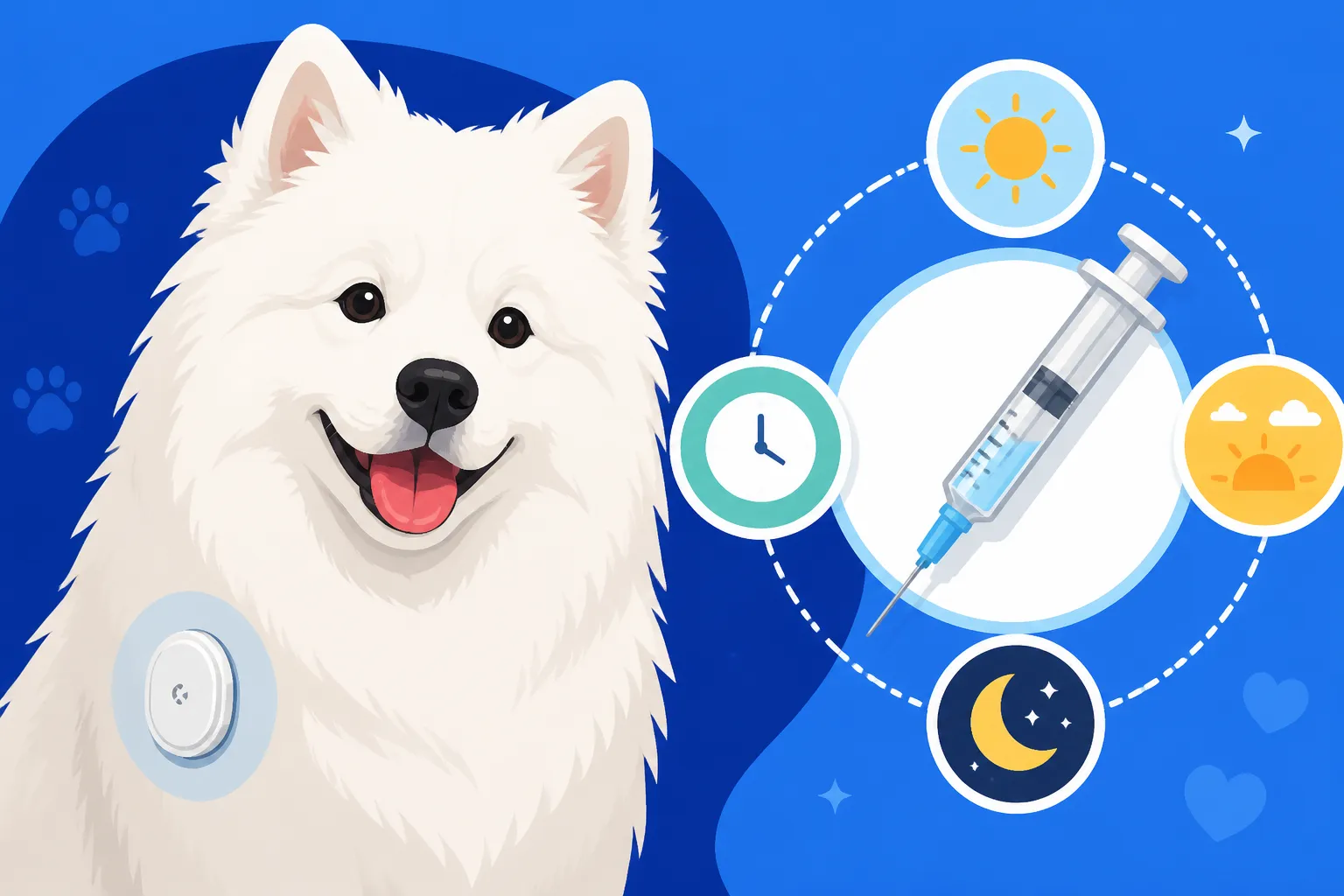
For most Samoyeds diagnosed with diabetes, the answer to "how often" is quite consistent: twice a day. This isn't just a random recommendation; it's based on how canine bodies process insulin and how long the commonly prescribed insulins remain effective in their system. Imagine it like a rhythm that needs to be maintained to keep your Samoyed's blood sugar levels as stable as possible throughout the day and night.
The reason for this twice-daily schedule, often referred to as "BID" (bis in die) in veterinary circles, is to mimic the natural insulin production in a healthy dog. After your Samoyed eats, their blood sugar rises. Insulin then acts as the key that unlocks cells, allowing glucose to enter and be used for energy. A diabetic Samoyed's pancreas either doesn't produce enough insulin or their body doesn't respond to it effectively. By giving insulin every 10-12 hours, you're providing a steady supply to manage those post-meal sugar spikes and keep things balanced. Consistency is truly the name of the game here. Giving insulin at roughly the same time each day, ideally 10-12 hours apart, and always right after they eat their meal, helps prevent drastic swings that can lead to complications like Whether a Diabetic Samoyed Drinks Constantly or, in severe cases, diabetic ketoacidosis. It might sound daunting at first, but with a bit of practice, those injections become second nature.
Initially, your veterinarian will likely start your Samoyed on a low dose and then gradually adjust it. This adjustment phase is critical, and it often involves a series of glucose curves or using a continuous glucose monitor to see how your Samoyed responds. During this period, the frequency might be slightly varied if a very short-acting insulin is being used to stabilize an emergency situation, but for long-term management, twice a day is the golden standard. You'll be surprised how quickly you both adapt. Your Samoyed will often learn the routine, associating the injection with mealtime, making the process smoother than you might anticipate.
Factors Influencing Insulin Frequency and Dosage Adjustments
While twice a day is the general rule, the precise dosage and sometimes even minor timing adjustments will be highly individualized for your Samoyed. It’s not a one-size-fits-all situation, and several factors play a crucial role in determining the optimal regimen.
The Role of Blood Glucose Monitoring
Regular monitoring of your Samoyed's blood glucose is the cornerstone of effective diabetes management. Without it, you're essentially flying blind, unable to know if the insulin is working correctly or if adjustments are needed.
- Glucose Curves: One of the most common methods vets use to assess a Samoyed's response to insulin is a glucose curve. This involves taking blood samples every 1-2 hours over a 12-hour period after insulin administration. It paints a picture of how their blood sugar rises and falls throughout the day. This is vital for understanding when the insulin peaks and how long it lasts, which directly informs the dosage and ensures the twice-daily frequency is indeed appropriate. You can read more about What a Glucose Curve Involves for a Samoyed to understand the process better. Your vet might ask you to perform these at home or bring your Samoyed in, often several times during the stabilization phase.
- Continuous Glucose Monitors (CGMs): These are a game-changer for many owners and vets. A small sensor is painlessly applied to your Samoyed's skin and can measure glucose levels continuously for up to two weeks. This provides a wealth of data without the stress of frequent blood draws. It gives a much more complete picture of daily fluctuations, allowing for more precise adjustments to insulin dosage and timing. If you're wondering if this is an option, it's worth discussing Whether a Continuous Glucose Monitor Works on a Samoyed with your vet.
- At-Home Blood Glucose Monitoring: Many dedicated Samoyed owners learn to take tiny blood samples from an ear or lip at home using a pet-specific glucometer. This empowers you to check your dog's sugar levels when you suspect something is off or to spot-check the effectiveness of a dose. While not a substitute for vet-supervised curves, it gives you invaluable real-time information and confidence.
Diet, Exercise, and Weight Management
What your Samoyed eats and how much exercise they get are intrinsically linked to their insulin needs. Think of insulin, food, and exercise as a delicate balancing act.
- Dietary Consistency: A consistent diet, both in type and amount of food, is absolutely paramount for a diabetic Samoyed. Eating the same food at the same time each day helps predict how their blood sugar will respond to insulin. Vets often recommend specific Whether a Diabetic Samoyed Needs a Prescription Diet that are lower in simple carbohydrates and higher in fiber to help slow glucose absorption and prevent sharp spikes. Changes in diet should never be made without consulting your vet, as even a small change can significantly alter insulin requirements.
- Exercise Routine: Just like in humans, exercise lowers blood sugar by increasing insulin sensitivity. This is fantastic, but it also means that changes in your Samoyed's activity level can impact their insulin needs. A Samoyed who suddenly has a very active day might require a slightly lower insulin dose or extra monitoring to prevent hypoglycemia (dangerously low blood sugar). Conversely, a day of low activity might mean their usual dose isn't quite as effective. Maintaining a consistent exercise routine is best, but always be mindful of unusual exertion.
- Weight Control: Obesity is a significant risk factor for developing diabetes in Samoyeds. For a diabetic Samoyed, maintaining a healthy weight is crucial. Excess body fat can contribute to insulin resistance, meaning the body needs more insulin to achieve the same effect. If your Samoyed is overweight, your vet will work with you on a gradual weight loss plan, which can sometimes lead to a reduction in insulin dosage over time.
The Type of Insulin Used
Not all insulins are created equal, and their duration of action varies. While most canine insulins are designed for twice-daily dosing, slight differences exist:
- Intermediate-Acting Insulins: Brands like Vetsulin (Caninsulin in some regions) and Novolin N (or Humulin N) are commonly prescribed for dogs. These are intermediate-acting insulins that typically provide glucose control for about 8-12 hours, making the twice-daily regimen ideal.
- Long-Acting Insulins: Some longer-acting insulins might be considered in specific, less common cases, but for the vast majority of Samoyeds, the intermediate-acting insulins are preferred for their predictable action and ease of regulation. Your vet will select the best type of insulin based on your Samoyed's specific needs and response.
The Reality of Daily Management and Long-Term Outlook
Living with a diabetic Samoyed is a commitment, but it’s entirely manageable, and the rewards of a happy, healthy companion are immense. The initial phase can feel overwhelming, but soon enough, it becomes just another part of your daily routine.
Embracing the Routine
The thought of giving injections can be terrifying at first. Many owners express anxiety about hurting their dog or doing it incorrectly. This is a perfectly normal feeling! However, the vast majority of Samoyed owners quickly become proficient. Your vet or vet tech will patiently teach you Whether a Samoyed Owner Can Learn to Inject Insulin, demonstrating proper technique, how to handle the needle, and where to inject safely. It’s a small needle, and Samoyeds often have enough fluffy skin on their scruff that they barely feel it, especially when distracted by food. Creating a calm, consistent routine is key:
- Mealtime First: Always feed your Samoyed their full meal first. You want to make sure they eat it all before giving insulin. If they don't eat, or eat only a little, contact your vet for advice on that dose – never give insulin to a dog that hasn't eaten without vet guidance, as this can cause dangerous low blood sugar.
- The Injection: Immediately after they finish eating, or while they are still enthusiastically munching, administer the insulin. Many dogs are so focused on their food that they don't even notice the quick poke.
- Positive Reinforcement: Keep it positive! A calm demeanor from you helps your Samoyed stay calm. A special post-injection cuddle or a sugar-free treat can also help create a positive association.
This twice-daily routine needs to be adhered to seven days a week, 365 days a year. There are no holidays from diabetes. This means planning for pet sitters or boarding kennels that are experienced with diabetic animals when you travel. Thankfully, many professional pet care providers are well-versed in insulin administration.
Potential Challenges and How to Overcome Them
Despite best efforts, challenges can arise.
- Hypoglycemia (Low Blood Sugar): This is the most immediate danger if too much insulin is given or if the dog doesn't eat enough. Signs include weakness, lethargy, disorientation, trembling, and in severe cases, seizures or collapse. It’s crucial to know what to do: immediately offer something sugary like Karo syrup or honey rubbed on their gums, and then contact your vet. Always keep a sugary snack on hand.
- Hyperglycemia (High Blood Sugar): While not immediately life-threatening like hypoglycemia, consistently high blood sugar over time can lead to complications such as cataracts (leading to Whether a Diabetic Samoyed Goes Blind), kidney problems, and nerve damage. This is why regular monitoring and vet rechecks are so important to ensure the insulin dose is adequate.
- Stress and Illness: Any illness, infection (especially urinary tract infections), or significant stress can throw off your Samoyed's blood sugar control. If your Samoyed seems unwell, is lethargic, or isn't eating, contact your vet immediately. Their insulin needs will likely change during these times.
Pet insurance, like a policy from Healthy Paws, can be incredibly helpful in managing the ongoing costs associated with diabetes, from insulin and syringes to vet visits and emergency care. It's a chronic condition, and those expenses can add up. Being prepared financially can relieve a lot of stress.
Long-Term Outlook
With consistent and diligent management, many diabetic Samoyeds live long, happy, and fulfilling lives. The goal is not to achieve perfect blood glucose numbers all the time, but rather to keep them within an acceptable range that prevents severe symptoms and minimizes the risk of complications. Your Samoyed can still enjoy walks, play, and all the things that make them the wonderful companions they are. While the diagnosis of Diabetes in a Middle Aged Samoyed might seem daunting, remember that modern veterinary medicine offers excellent tools and support to help your Samoyed thrive. Many Samoyeds, with dedicated owners, can truly have a good quality of life and Whether a Diabetic Samoyed Lives a Normal Span.
When to Contact Your Veterinarian
Knowing when to reach out to your veterinary team is a critical part of managing your Samoyed's diabetes. They are your primary resource and guide through this journey.
Immediate Contact Situations
There are certain situations where you should absolutely not delay in contacting your vet, or the nearest emergency veterinary clinic:
- Signs of Hypoglycemia: As mentioned, any signs of weakness, confusion, severe lethargy, trembling, or seizures require immediate action. Administer oral sugar and head to the vet. This is a true emergency.
- Vomiting or Diarrhea: If your Samoyed is vomiting or has severe diarrhea, especially if they are not eating, their blood sugar levels can become dangerously unstable. Insulin doses will likely need to be adjusted, and your Samoyed may need fluids and supportive care.
- Refusal to Eat: If your Samoyed refuses to eat their meal, do not give insulin without consulting your vet. Giving insulin on an empty stomach can lead to severe hypoglycemia.
- Signs of Ketoacidosis: This is a life-threatening complication where the body starts breaking down fat for energy due to lack of insulin, producing toxic ketones. Signs include extreme lethargy, loss of appetite, vomiting, dehydration, and a sweet, fruity smell to their breath. This requires immediate hospitalization.
- Consistent High Blood Sugar: If your at-home glucose monitoring consistently shows very high blood sugar levels, even with insulin administration, it indicates the current dose or regimen isn't working effectively.
Regular Rechecks and Monitoring
Beyond emergencies, consistent communication and scheduled veterinary visits are non-negotiable for a diabetic Samoyed.
- Initial Stabilization: In the weeks and months following the initial diagnosis, your Samoyed will require frequent vet visits and How Often a Diabetic Samoyed Needs Rechecks. These visits are crucial for performing glucose curves, checking urine for glucose and ketones, assessing weight, and fine-tuning the insulin dose. This phase can be intense, but it's essential for getting the diabetes under control.
- Routine Follow-ups: Once stable, most diabetic Samoyeds need follow-up appointments every 3-6 months, or more often if their control is slipping or if they develop other health issues. These visits allow your vet to reassess their overall health, review your home monitoring logs, and perform any necessary tests, such as fructosamine levels (which give an average blood sugar over the past 2-3 weeks).
- Any Changes in Health or Routine: If you notice any significant changes in your Samoyed’s appetite, water intake, urination habits, energy levels, or if there's a new lameness or illness, always inform your vet. These can all impact diabetes control. Similarly, if you plan major changes to their diet or exercise routine, discuss it with your vet first. Planning ahead and keeping your vet informed ensures the best possible care for your Samoyed. Remember that a good pet insurance plan from providers like Healthy Paws can help manage the costs of these regular check-ups and any necessary medication adjustments.
| Aspect of Diabetes Management | Frequency | Key Actions | Important Considerations |
|---|---|---|---|
| Insulin Injections | Twice Daily (BID) | Administer after meals, 10-12 hours apart | Consistency is paramount. Never skip a dose or give without food unless advised by vet. |
| Feeding Schedule | Twice Daily, Fixed Times | Feed consistent, measured meals | Match insulin administration to meal times. |
| At-Home Glucose Checks | As advised by vet (often daily-weekly during stabilization, then less often) | Use a pet glucometer to check blood sugar | Helps monitor response, detect hypo/hyperglycemia. |
| Urine Ketone Strips | As advised by vet (especially if sick, or new diagnosis) | Dip test strips in fresh urine | Crucial for detecting diabetic ketoacidosis risk. |
| Veterinary Rechecks | Frequent initially (weeks), then every 3-6 months once stable | Vet performs glucose curves, blood tests, physical exam | Essential for dose adjustments and overall health assessment. |
| Exercise Routine | Daily, Consistent | Maintain regular, moderate activity | Avoid sudden, intense exertion without vet consultation. |
Disclaimer
The information provided in this guide is for general educational purposes only and should not be considered a substitute for professional veterinary advice. Always consult with a qualified veterinarian for any health concerns or before making any decisions related to your Samoyed's medical care or treatment plan.