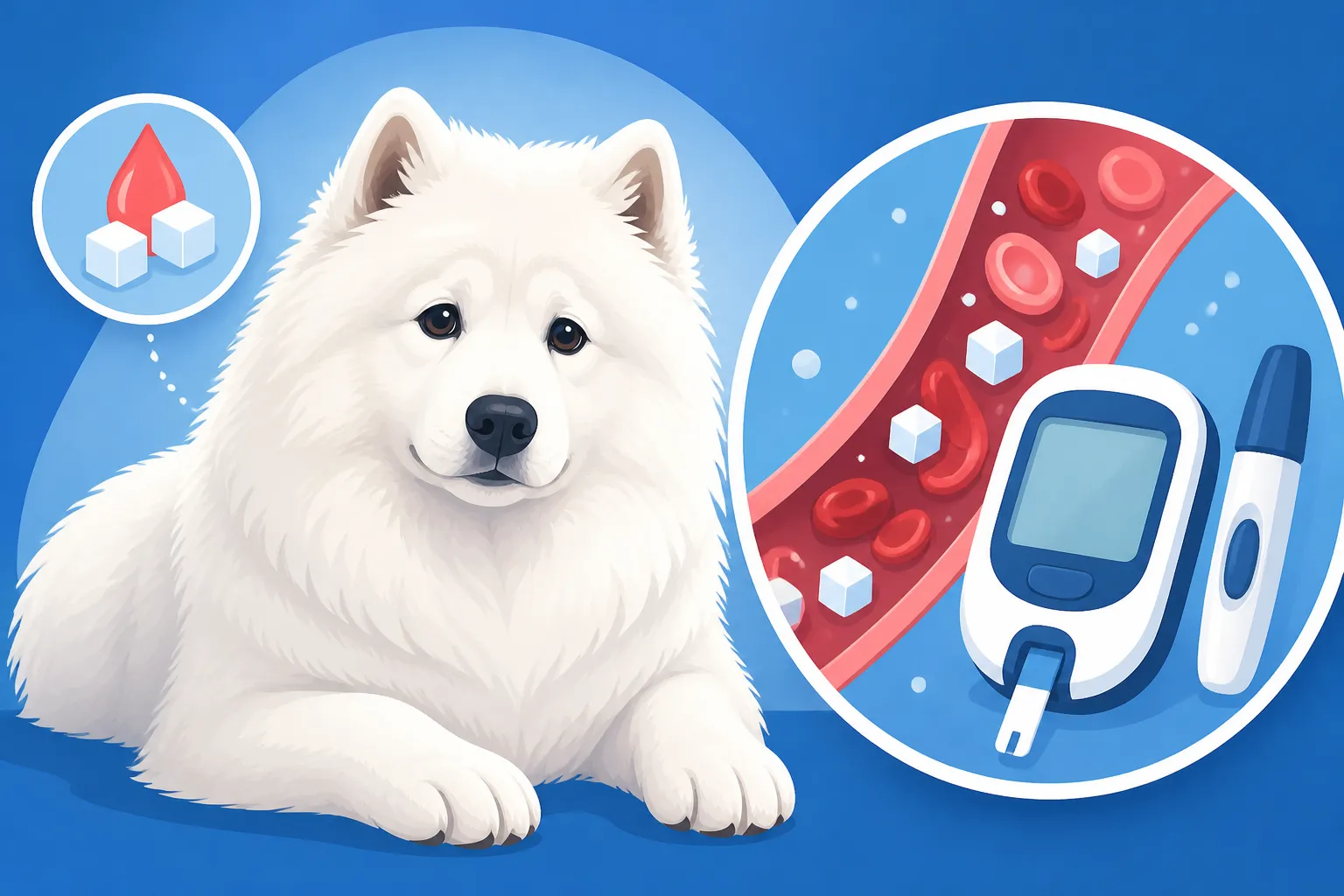
Diabetes in a Middle Aged Samoyed
It’s a gut-wrenching moment when your vibrant, smiling Samoyed starts showing signs that something isn’t quite right. You know their normal energy, their playful nips, their boundless enthusiasm, so when those start to wane, a deep worry sets in. Discovering your beloved middle-aged Samoyed has diabetes can feel like a punch to the gut, leaving you overwhelmed and wondering what happens next. This comprehensive guide is here to walk you through everything you need to know about diabetes in your furry family member, offering clarity, support, and practical advice to help you navigate this new chapter.
Understanding Diabetes in Samoyeds
When we talk about diabetes in dogs, especially our fluffy Samoyeds, it's often a diagnosis that comes with a lot of questions. It's not a condition you typically expect to hear about for your dog, and the scientific terms can feel confusing. But at its heart, canine diabetes mellitus is about your dog's body struggling to manage its blood sugar (glucose) levels, which are vital for energy.
What Exactly Is Canine Diabetes?
Think of glucose as the fuel your Samoyed’s body runs on. It comes from the food they eat, particularly carbohydrates. Insulin, a hormone produced by the pancreas, acts like a key that unlocks cells, allowing glucose to enter and provide energy. Without enough insulin, or if the body can’t properly use the insulin it produces, glucose builds up in the bloodstream. This accumulation is what defines diabetes.
In dogs, the vast majority of cases are what we call insulin-deficiency diabetes, similar to Type 1 diabetes in humans. This means your Samoyed’s pancreas either isn’t producing enough insulin or isn’t producing any at all. The insulin-producing cells in the pancreas, known as beta cells, have been damaged or destroyed. It's less common for dogs to have insulin-resistance diabetes (similar to Type 2 in humans), where the body produces insulin but its cells don't respond to it effectively, though this can sometimes occur secondary to other conditions like obesity or Cushing's disease. For your Samoyed, a diagnosis almost always means daily insulin injections will be a part of their life.
Why Are Middle-Aged Samoyeds Susceptible?
While diabetes can strike at any age, it is most commonly diagnosed in middle-aged to senior dogs, typically between 7 and 10 years old. For a Samoyed, this means a dog that’s still very much in its prime, but perhaps beginning to slow down just a touch. There are a few reasons why our beloved Samoyeds, in particular, might be susceptible.
Firstly, genetics can play a role. While not as clearly defined as in some other breeds, there’s evidence that certain breeds, including Samoyeds, Poodles, Terriers, and Miniature Schnauzers, might have a higher predisposition. This isn't to say every Samoyed will get it, but it means their genetic makeup might put them at a slightly increased risk compared to some other breeds. It’s not necessarily a direct inheritance pattern like some other diseases, but rather a general breed susceptibility. You might find it interesting to learn more about The Age a Samoyed Develops Diabetes to better understand this timeline.
Secondly, age is a significant factor. As dogs get older, their bodies, like ours, can become less efficient. The pancreas might not be as robust as it once was, or other age-related physiological changes could contribute to the onset of diabetes. Female dogs, especially unspayed females, also have a higher incidence of diabetes, likely due to hormonal fluctuations. Spaying reduces this risk significantly, so if your middle-aged female Samoyed is still intact, it’s something worth discussing with your vet, although the risk reduction primarily applies to preventing the development of diabetes, not reversing it once present.
The Link Between Pancreatitis and Diabetes
This is a really critical piece of the puzzle for many dog owners, especially those with Samoyeds. The pancreas, that small but mighty organ, doesn't just produce insulin; it also produces digestive enzymes essential for breaking down food. Inflammation of the pancreas, known as pancreatitis, is unfortunately quite common in dogs and can be a direct precursor to diabetes.
When the pancreas becomes inflamed, those digestive enzymes can start to digest the pancreas itself, causing severe pain and damage. If this inflammation is severe enough, or if it happens repeatedly over time, it can destroy the insulin-producing beta cells. Once these cells are gone, they can't regenerate, leading to a permanent state of insulin deficiency – diabetes. This is why a history of pancreatitis in your Samoyed, even mild episodes, is a red flag. Owners of breeds prone to pancreatitis, like Samoyeds, should be particularly vigilant about diet and avoiding fatty foods. Understanding Why Pancreatitis Precedes Samoyed Diabetes can help you recognize symptoms and prevent future flare-ups if your Samoyed hasn't yet been diagnosed with diabetes but has had pancreatic issues.
Recognizing the Early Warning Signs
One of the trickiest parts about canine diabetes is that the early signs can be subtle, easily mistaken for general aging, or simply missed because our Samoyeds are masters at putting on a brave face. They often try to How a Samoyed Hides Illness Behind a Smile, making it even harder for us to spot trouble. However, being aware of these subtle shifts is crucial for early diagnosis and better long-term outcomes.
Subtle Shifts in Thirst and Urination
This is often the very first thing owners notice, and it's perhaps the most classic symptom of diabetes: your Samoyed is suddenly drinking water like there's no tomorrow and needing to go outside constantly. We call this polydipsia (excessive thirst) and polyuria (excessive urination), or PU/PD for short.
Here's why it happens: With diabetes, there’s too much glucose in your Samoyed's bloodstream. The kidneys, in their attempt to get rid of this excess sugar, start filtering it out into the urine. Sugar pulls water with it, so your Samoyed ends up producing a much larger volume of urine. To compensate for this fluid loss and prevent dehydration, they drink more, creating a cycle. You might notice their water bowl emptying much faster than usual, or they might be begging for water more frequently. This increased urination can lead to "accidents" in the house, even in a previously perfectly house-trained middle-aged Samoyed, which can be incredibly frustrating but is a key sign not to ignore.
Unexplained Weight Loss Despite a Good Appetite
This symptom can be particularly perplexing for owners. You’re feeding your Samoyed the same amount, perhaps even a bit more because they seem hungrier, yet they’re losing weight. Sometimes, they even seem ravenous, always looking for food, an urge we call polyphagia.
The reason behind this is simple yet critical: even though there's plenty of glucose in the bloodstream, without insulin, that glucose can't get into your Samoyed's cells to be used for energy. It's like having a full gas tank but no key to start the engine. So, the body starts breaking down other stores for energy—fat and muscle. This process leads to muscle wasting and overall weight loss, even while your Samoyed might be eating more than ever because their cells are "starving." You might notice their ribs becoming more prominent, or their once-fluffy ruff feeling a bit thinner. This weight loss, combined with increased thirst and urination, should trigger an immediate call to your veterinarian. This could also be linked to Whether Sudden Weight Loss in a Samoyed Means Diabetes.
Changes in Energy Levels and Demeanor
Our Samoyeds are typically bundles of joy and energy, even as they age. While a slight decrease in activity is normal for a middle-aged dog, a noticeable shift towards lethargy, decreased playfulness, or a general "blah" demeanor could be a sign of diabetes.
Because their cells aren't getting the glucose they need for energy, a diabetic Samoyed can feel perpetually tired. They might be less enthusiastic about walks, uninterested in their favorite toys, or simply spend more time sleeping or resting. They might seem more withdrawn, less eager for cuddles, or just not themselves. It’s not about being "stubborn" or "just getting old"; it’s a genuine feeling of fatigue and malaise due to their body's inability to process energy efficiently. Paying close attention to these subtle changes in their vibrant personality is vital, as a healthy Samoyed, even an older one, typically maintains a zest for life. These are all critical Signs a Samoyed Has Become Diabetic.
Other Visual Cues
Beyond the obvious changes in drinking, eating, and energy, there are a few other visual signs that can hint at diabetes.
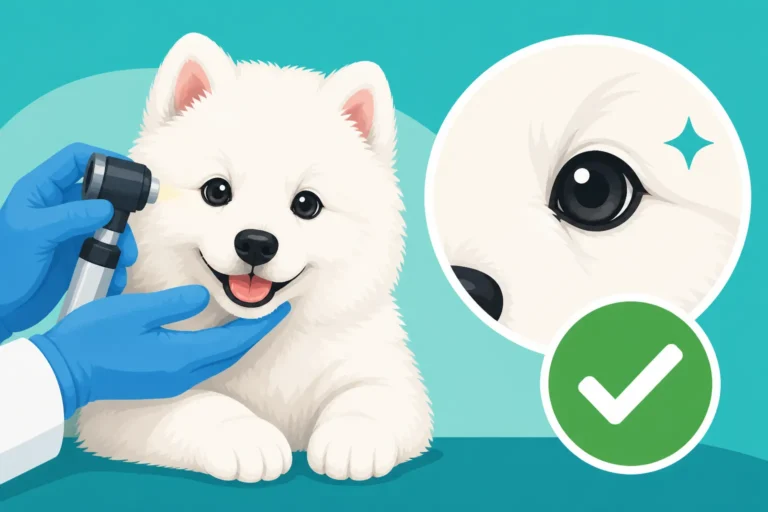
One of the most concerning is the development of cataracts. Many diabetic dogs will develop cataracts rapidly, sometimes within weeks or months of diagnosis, leading to a sudden cloudiness in their eyes and impaired vision. This happens because the excess glucose in the lens of the eye is converted into sorbitol, which then draws water into the lens, causing it to swell and become opaque. If you notice your Samoyed's beautiful dark eyes starting to look milky or cloudy, especially if it happens quickly, it's a strong indicator. It's important to differentiate this from the normal age-related lens changes (lenticular sclerosis) which cause a bluish haze but typically don't impair vision significantly. If you see this, it’s worth considering Whether a Samoyed's Cloudy Eye Is a Diabetic Cataract and getting them checked.
Additionally, you might notice changes in their coat quality – it might appear duller, drier, or they might experience more shedding than usual. Skin infections or urinary tract infections can also become more frequent because high sugar levels create a hospitable environment for bacteria and yeasts. Sometimes, you might even detect a faint, sweet, or fruity odor on their breath, especially in more advanced stages where ketones are building up in their system.
The Diagnostic Journey: Confirming Diabetes
Once you've noticed these concerning signs in your Samoyed, the next step is a trip to the vet. This isn't a diagnosis that can be made at home, and quick, accurate testing is essential for starting treatment promptly. Your veterinarian will use a combination of physical examination, blood tests, and urine tests to confirm diabetes and rule out other conditions.
Initial Vet Visit and Physical Examination
When you bring your Samoyed in, your vet will start with a thorough physical examination. They’ll check your dog's weight and body condition, looking for signs of muscle loss. They’ll assess their hydration status, check their gums, and listen to their heart and lungs. Palpation of the abdomen might reveal an enlarged liver, which can be associated with diabetes, or tenderness if pancreatitis is present.
Crucially, they'll be looking at your Samoyed's eyes for any signs of cataracts. They'll also discuss your observations: how much water your Samoyed is drinking, how often they're urinating, changes in appetite or weight, and any other behavioral shifts you've noted. Be prepared to provide as much detail as possible, as these anecdotal observations are incredibly valuable for the veterinarian in forming their diagnostic plan. This is also when your vet might discuss if your Samoyed has been Whether an Overweight Samoyed Is More Likely to Get Diabetes, as obesity can sometimes contribute to insulin resistance.
Bloodwork and Urine Tests
The cornerstone of a diabetes diagnosis lies in laboratory tests.
Blood Glucose: The most direct test is measuring your Samoyed's blood glucose level. A persistently high fasting blood glucose level is the primary indicator of diabetes. However, a single high reading can sometimes be due to stress (the "stress hyperglycemia" phenomenon, common in dogs at the vet), so it's often followed up or combined with other tests.
Fructosamine: This is a crucial blood test that provides a more accurate picture of your Samoyed’s average blood glucose over the past 1-3 weeks. Unlike a single glucose reading, fructosamine isn't affected by short-term stress or eating. A consistently high fructosamine level confirms diabetes and helps differentiate it from stress hyperglycemia.
Urine Tests: A urine sample will be collected and analyzed (urinalysis). The key finding for diabetes will be the presence of glucose in the urine (glucosuria). Normally, kidneys reabsorb all the glucose back into the bloodstream, so glucose in the urine is a strong indicator of excessively high blood glucose levels. The urine will also be checked for ketones. Ketones in the urine can indicate a more severe, life-threatening complication called diabetic ketoacidosis (DKA), which requires immediate emergency treatment. Additionally, a urine culture may be performed to check for urinary tract infections, which are common in diabetic dogs due to the sugar-rich urine providing a breeding ground for bacteria.
Advanced Diagnostics
In some cases, your vet might recommend additional tests, especially if they suspect underlying conditions contributing to or complicating the diabetes.
Pancreatic Enzymes: If pancreatitis is suspected, specific blood tests like canine pancreatic lipase immunoreactivity (cPLI) or feline pancreatic lipase immunoreactivity (fPLI) may be run to assess pancreatic inflammation. Since pancreatitis often precedes diabetes in dogs, checking for it can provide a more complete picture of your Samoyed's health.
Abdominal Ultrasound: An ultrasound of the abdomen can be useful to visualize the pancreas, looking for signs of inflammation, tumors, or other abnormalities. It can also assess other organs that might be affected by diabetes, such as the liver or kidneys. This helps your vet to tailor the most effective treatment plan for your specific Samoyed, ensuring all contributing factors are addressed.
Navigating the Treatment Plan: Insulin Therapy
Once diabetes is confirmed, the immediate focus shifts to stabilization and management. For almost all diabetic Samoyeds, this means insulin therapy, usually given as daily injections. While this might sound daunting at first, it's something most owners quickly become proficient at, and it's truly life-saving for your furry friend.
The Cornerstone of Treatment: Insulin Types and Administration
Insulin is the vital hormone your Samoyed's body isn't producing enough of. Your vet will prescribe a specific type of insulin, often intermediate-acting insulin like Vetsulin (Caninsulin in some regions) or Novolin N (NPH human insulin). Each type has a slightly different onset, peak, and duration of action, and your vet will choose the one best suited for your Samoyed's needs and your lifestyle.
Administering Insulin: Insulin is given as a subcutaneous (under the skin) injection, typically twice a day, every 12 hours, at the same time as their meals. Your vet or veterinary technician will teach you exactly how to draw up the correct dose and administer the injection. They'll show you how to pinch up a fold of skin, insert the tiny needle, and inject the insulin. The needles are very fine, and most Samoyeds tolerate the injections remarkably well, especially when they associate it with mealtime and positive reinforcement. It might seem scary at first, but with practice, it becomes a routine, just like giving them their food. Many owners are surprised by how quickly they become comfortable, realizing that Whether a Samoyed Owner Can Learn to Inject Insulin is absolutely achievable.
Finding the Right Dosage: The Glucose Curve
Finding the correct insulin dosage for your Samoyed is not a one-size-fits-all situation; it's a process of careful adjustment and monitoring. This is where the "glucose curve" comes in – a crucial diagnostic tool to assess how your Samoyed's body responds to the insulin.
What a Glucose Curve Involves: A glucose curve involves measuring your Samoyed's blood glucose levels repeatedly over a 12-to-24-hour period after insulin administration. This can be done at your vet's office, or increasingly, at home. Your Samoyed will be given their morning meal and insulin. Then, every 1 to 2 hours, a small blood sample will be taken (usually from an ear or lip vein) to measure their blood glucose. This data creates a graph showing the peak and trough of their glucose levels throughout the day. This helps your vet determine if the insulin dose is too high (causing hypoglycemia), too low (leaving glucose levels consistently elevated), or if the insulin isn't lasting long enough. Learning What a Glucose Curve Involves for a Samoyed is a cornerstone of effective diabetes management.
Importance: Glucose curves are vital because they allow your vet to fine-tune the insulin dosage to keep your Samoyed's blood glucose within a safe and healthy range for most of the day. This reduces the risk of complications from both excessively high and dangerously low blood sugar. Several curves may be needed over weeks or months until a stable dose is achieved.
Dietary Management: Crucial for Stability
Insulin therapy goes hand-in-hand with a consistent and appropriate diet. What your Samoyed eats and when they eat it significantly impacts their blood glucose levels and, consequently, how well their insulin works.
Low-Fat, High-Fiber Diet: Your vet will likely recommend a prescription therapeutic diet specifically formulated for diabetic dogs. These diets are typically low in fat and high in complex carbohydrates and fiber. The high fiber helps to slow down the absorption of glucose from the digestive tract, preventing rapid spikes in blood sugar after meals. The lower fat content is crucial, especially if your Samoyed has a history of pancreatitis, as high-fat meals can trigger flare-ups. Consistency is key: feeding the same food in the same amount at the same time each day is paramount for stable blood glucose levels.
Consistent Feeding Schedule: With diabetes, predictability is your best friend. Your Samoyed should be fed two meals a day, 12 hours apart, immediately before or at the time of their insulin injection. This synchronizes the insulin's action with the influx of glucose from their food. Avoid "free-feeding" or offering snacks throughout the day, as this makes blood glucose regulation incredibly challenging. Any treats given should be very low-calorie, non-starchy, and always accounted for in their daily caloric intake. Understanding Whether a Diabetic Samoyed Needs a Prescription Diet is crucial for effective long-term control.
Living with a Diabetic Samoyed: Daily Management and Care
The initial diagnosis and stabilization period can be intense, but once your Samoyed is regulated, managing their diabetes becomes a routine part of daily life. It requires commitment and consistency, but it’s entirely doable, allowing your Samoyed to live a happy, full life.
Establishing a Consistent Routine
Consistency is the absolute bedrock of successful diabetes management. Your Samoyed thrives on routine anyway, but for a diabetic dog, it's non-negotiable.
Feeding and Insulin Schedule: This means feeding them at the exact same times every 12 hours, without fail. Insulin injections should follow directly after they eat (to ensure they've consumed their meal). Even minor deviations can impact their blood glucose. Weekends, holidays, or changes in your personal schedule can't disrupt your Samoyed's diabetes routine. This might mean adjusting your own schedule, especially if you have an active social life, but it's a small price to pay for their health.
Exercise and Monitoring: Beyond food and insulin, a consistent exercise routine is also important (more on this below). Regular, predictable activity helps with glucose metabolism. And, of course, regular monitoring of their condition is part of the daily rhythm. Getting into a predictable groove will make daily management feel less like a chore and more like a seamless part of your life together. This comprehensive approach falls under Managing a Diabetic Samoyed.
Home Monitoring Techniques
While glucose curves are performed periodically, daily home monitoring gives you invaluable insight into your Samoyed’s overall stability and helps you catch potential issues early.
Blood Glucose Monitoring at Home: Many owners choose to monitor their Samoyed's blood glucose at home using a handheld veterinary glucometer (human glucometers can be used, but veterinary-specific ones are often more accurate for dog blood). Your vet can train you how to get a tiny blood sample, usually from the edge of their ear or a callous on their paw pad. This allows you to track trends, assess how food or exercise impacts their levels, and quickly detect episodes of hypoglycemia or hyperglycemia. It gives you more control and peace of mind.
Continuous Glucose Monitors (CGMs): A more advanced option, and one that's becoming increasingly popular, is a continuous glucose monitor (CGM). These small, patch-like devices are applied to your Samoyed's skin and painlessly measure glucose levels in the interstitial fluid every few minutes for up to 14 days. You can then scan the sensor with your phone or a reader to get real-time data, eliminating the need for frequent blood draws. This offers a much more complete picture of glucose trends throughout the day and night. It’s worth discussing with your vet Whether a Continuous Glucose Monitor Works on a Samoyed to see if it's a good option for your situation.
Urine Glucose/Ketone Strips: While not as precise as blood glucose monitoring, urine dipsticks can be a quick, inexpensive way to check for glucose and ketones in your Samoyed’s urine. If glucose is present, it indicates blood glucose levels are likely too high. Crucially, if ketones are present, it's a red flag for diabetic ketoacidosis and requires immediate veterinary attention. These strips are a good "early warning system" for severe issues.
Exercise Considerations
Exercise is vital for your Samoyed's overall health, but for a diabetic dog, it needs to be carefully managed to avoid complications.
Balancing Activity: Regular, moderate exercise helps your Samoyed's body use glucose more efficiently and contributes to maintaining a healthy weight. However, vigorous or unusual exercise can significantly lower blood glucose, potentially leading to hypoglycemia (low blood sugar), especially if their insulin dose isn't adjusted.
Consistency is Key: Just like with feeding, consistency in exercise is crucial. Stick to a predictable routine in terms of duration and intensity. If you plan for a longer or more strenuous activity, discuss it with your vet first. They might advise a temporary reduction in insulin dosage or an extra small snack before and during the activity to prevent a dangerous drop in blood sugar. Always carry a quick source of sugar (like Karo syrup) when exercising your diabetic Samoyed, just in case. It's empowering to know that Whether a Diabetic Samoyed Can Still Exercise is a resounding yes, with proper planning.
Managing Complications: Cataracts and Diabetic Neuropathy
Despite your best efforts, diabetic Samoyeds can develop complications. Being aware of these and knowing how to address them is part of comprehensive care.
Diabetic Cataracts: As mentioned earlier, cataracts are a very common and often rapid complication of canine diabetes, sometimes appearing within weeks or months of diagnosis. While medically challenging, surgical removal of cataracts by a veterinary ophthalmologist can restore vision for many dogs. This surgery has a high success rate, but it is costly and requires careful post-operative management.
Diabetic Neuropathy: Less common in dogs than in humans, diabetic neuropathy involves damage to the nerves due to prolonged high blood sugar. In dogs, it typically affects the hind limbs, leading to weakness, poor coordination, or a "plantigrade stance" (walking flat-footed on their hocks). While there's no specific cure, better glucose control can sometimes prevent progression or lead to some improvement.
Urinary Tract Infections: Diabetic dogs are prone to UTIs because the sugar in their urine provides a perfect breeding ground for bacteria. Watch for increased urination frequency (beyond what's normal for a diabetic dog), straining to urinate, or blood in the urine. Regular urinalysis (often every 3-6 months) is important for early detection and treatment of these infections.
Potential Challenges and Emergency Situations
Living with a diabetic Samoyed means being prepared for potential bumps in the road. While daily management aims for stability, sometimes things can go awry, and knowing how to react in an emergency can be life-saving.
Hypoglycemia: What It Is and How to React
Hypoglycemia, or dangerously low blood sugar, is perhaps the most immediate and acute emergency a diabetic Samoyed owner might face. It usually occurs if too much insulin is given, if a meal is missed or vomited, or if your dog has unusually strenuous exercise without a corresponding insulin adjustment.
Signs: The signs of hypoglycemia can range from subtle to severe. Early signs might include weakness, lethargy, confusion, unsteadiness, or restlessness. As blood sugar drops further, you might see muscle twitching, seizures, disorientation, or even unconsciousness. It's a terrifying experience for any owner, seeing your vibrant Samoyed suddenly become so vulnerable.
Emergency Reaction: If you suspect hypoglycemia, do not delay. Rub a quick source of sugar (like Karo syrup, honey, or even maple syrup) onto your Samoyed's gums. The sugar will be absorbed directly into their bloodstream. Even if they are unconscious, you can gently rub it on their gums. Then, contact your veterinarian immediately, even if your dog seems to recover quickly. They might need further medical attention or a re-evaluation of their insulin dose. Always keep Karo syrup readily available in your home emergency kit.
Diabetic Ketoacidosis (DKA): A Life-Threatening Emergency
Diabetic Ketoacidosis (DKA) is a severe, life-threatening complication that occurs when a diabetic dog's body, without enough insulin, starts breaking down fat for energy too rapidly. This process produces ketones, which are acidic and can quickly overwhelm the body, leading to a state of severe metabolic acidosis. DKA often develops when a diabetic dog goes undiagnosed or when their diabetes is poorly controlled, perhaps due to an infection or another underlying illness.
Signs: Signs of DKA are usually much more severe and rapidly progressive than simple hyperglycemia. They include profound lethargy, vomiting, diarrhea, refusal to eat, extreme thirst and urination, a distinctive sweet or "fruity" smell on their breath (from ketones), weakness, and severe dehydration. Your Samoyed will look very sick, and this is a clear emergency.
Immediate Vet Care: If you suspect DKA, your Samoyed needs immediate veterinary attention. This is a critical situation requiring hospitalization, intravenous fluids, insulin administered carefully, electrolyte monitoring, and treatment for any underlying infections. The recovery from DKA can be prolonged and expensive, but with aggressive treatment, many dogs can pull through. This highlights the importance of regular monitoring and quick action when you notice something is amiss.
Long-Term Outlook and Quality of Life
The prospect of managing a chronic illness like diabetes might feel overwhelming, but the good news is that with dedicated care, many diabetic Samoyeds can live a good quality of life for several years after diagnosis. It's a commitment, requiring daily attention and routine, but the bond you share with your Samoyed makes it all worthwhile.
Realistic Expectations: It's important to have realistic expectations. Your Samoyed will require lifelong insulin injections and dietary management. There will be good days and challenging days. Regular veterinary check-ups (initially frequent, then every 3-6 months once stable) are crucial to monitor their progress, adjust insulin as needed, and screen for complications. Pet insurance, like that offered by Healthy Paws, can be an absolute lifesaver, helping to cover the significant costs associated with diabetes management, from daily insulin to emergency visits or cataract surgery. Thinking ahead about coverage can ease a lot of the financial strain, allowing you to focus on your Samoyed's care.
Partnering with Your Vet: Your veterinary team is your most important partner in this journey. Don't hesitate to call them with questions or concerns. They are there to support you and your Samoyed. With their guidance and your commitment, your diabetic Samoyed can continue to bring joy and companionship to your home. It’s comforting to know that Whether a Diabetic Samoyed Lives a Normal Span is often possible with dedicated care.
Support and Resources for Samoyed Owners
Facing a chronic illness diagnosis for your beloved Samoyed is a lot to process. You're not alone, and there are many avenues for support and resources to help you through this journey.
The Emotional Toll of Managing Chronic Illness
Let's be real: managing a diabetic dog is tough. It's a huge commitment, both emotionally and financially. There's the stress of giving injections, the worry about blood sugar fluctuations, the constant vigilance, and the guilt that can creep in if you feel like you've made a mistake. It's okay to feel overwhelmed, frustrated, or sad. These feelings are normal and valid.
Self-Care is Not Selfish: You cannot pour from an empty cup. Make sure you're taking care of your own well-being. This might mean scheduling breaks, leaning on your support system, or simply acknowledging that what you're doing is challenging and commendable. Allow yourself grace. Your Samoyed relies on you, and a healthy, well-supported owner is the best advocate for their pet. Remember, even with the best care, pet insurance like Healthy Paws can help alleviate the financial stress, letting you focus more on the emotional aspects of care.
Community and Online Groups
One of the greatest resources you can tap into is other owners who are walking a similar path. Online forums, Facebook groups, and local pet diabetes support groups are invaluable.
Sharing Experiences: These communities offer a safe space to ask questions, share tips, vent frustrations, and celebrate successes. You can learn about specific challenges other Samoyed owners might face with diabetes, or get practical advice on things like managing a fluffy coat around injection sites or finding creative ways to administer medication. Knowing that others understand exactly what you're going through can be incredibly comforting and empowering. Sometimes, just reading about someone else's daily routine with their diabetic dog can spark a new idea or offer reassurance.
Working Closely with Your Veterinary Team
Your veterinarian and their support staff are your primary guides and partners. Building a strong, trusting relationship with them is essential for long-term diabetes management.
Ongoing Communication: Don't hesitate to communicate openly and frequently with your vet. Share your observations, ask questions, and voice any concerns. If you're struggling with a particular aspect of care, like getting a blood sample at home or administering insulin, let them know. They can offer additional training, alternative techniques, or simply reassurance. They might suggest a follow-up appointment to confirm stability or to adjust medication dosages. It's a collaborative effort, and you are an integral part of your Samoyed's care team. Having good insurance coverage, such as a plan from Healthy Paws, can also make it easier to afford these frequent vet visits and ensure your Samoyed gets all the professional attention they need.
Specialists: In some complex cases, your vet might recommend consulting with an internal medicine specialist or a veterinary endocrinologist. These specialists have advanced training in managing challenging diabetes cases and can offer additional insights or treatment options if your Samoyed isn't responding well to standard protocols.
Managing diabetes in your middle-aged Samoyed is a journey, not a destination. It’s a testament to your love and commitment to your furry family member. With knowledge, consistency, and a strong support system, your Samoyed can continue to bring that famous Samoyed smile and boundless joy to your life for years to come.
Disclaimer
This article is intended for informational purposes only and does not constitute veterinary medical advice. Always consult with a qualified veterinarian for any health concerns or before making any decisions related to your Samoyed's health and treatment plan. The information provided herein should not be used as a substitute for professional veterinary care.