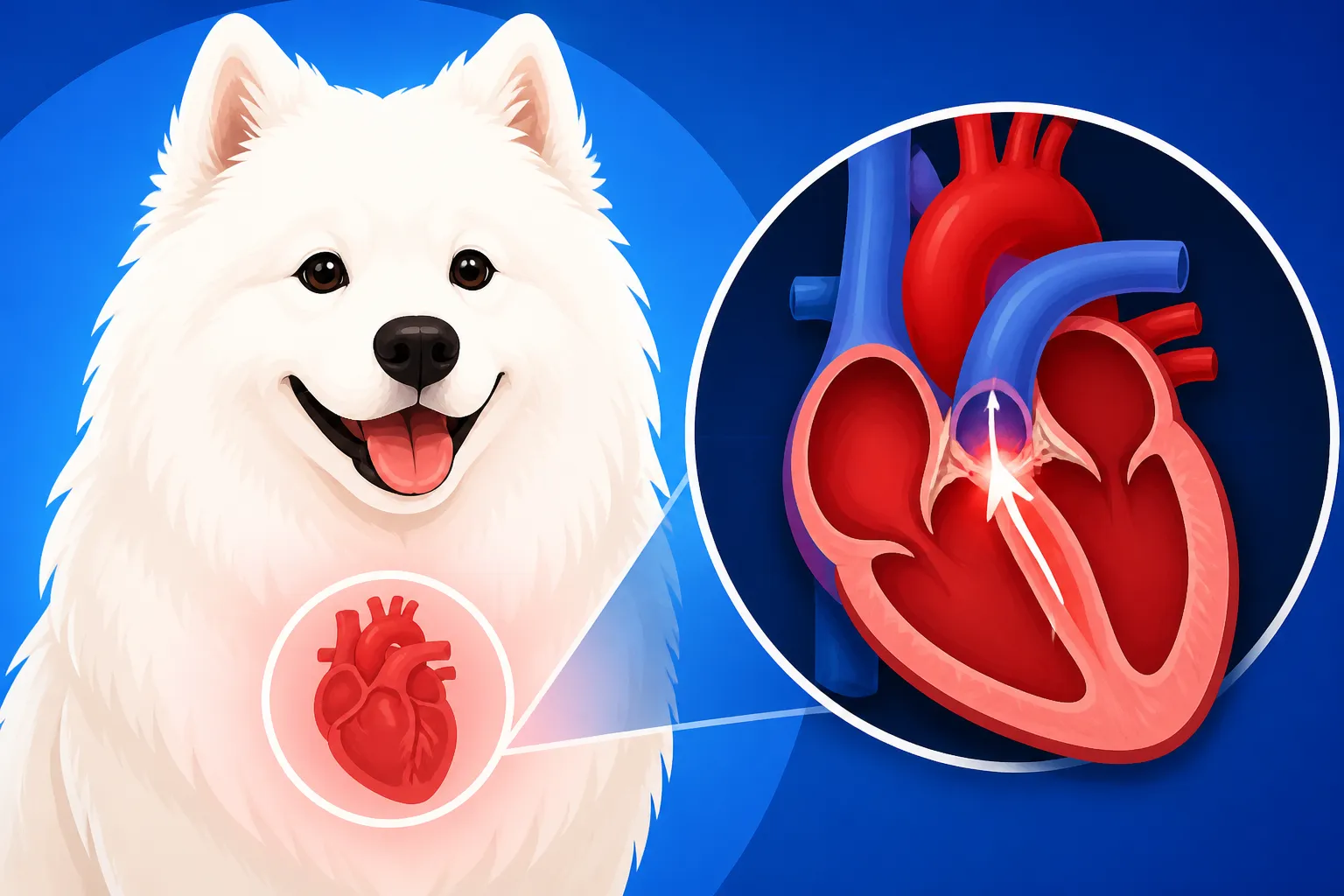
Subaortic Stenosis in a Samoyed
Finding out your adorable, fluffy Samoyed puppy has a heart murmur can be absolutely terrifying, turning all those dreams of long hikes and playful romps into a swirl of anxiety and "what ifs." It's a deeply unsettling moment when a vet uses medical jargon like "subaortic stenosis," leaving you wondering what it means for your beloved companion's future. This comprehensive guide is here to cut through the confusion, explaining exactly what subaortic stenosis is, how it impacts Samoyeds, and what you can do to manage it, giving you the knowledge and empowerment you need.
Understanding Subaortic Stenosis: What It Is and Why It Matters for Samoyeds
Subaortic Stenosis, often abbreviated as SAS, is a congenital heart defect, meaning it's present from birth. For us Samoyed lovers, hearing such news about our seemingly perfect pups is devastating, but understanding the mechanics of what's happening can help demystify the diagnosis. Essentially, SAS involves a narrowing of the outflow tract from the left ventricle, just beneath the aortic valve, which is responsible for pumping oxygenated blood to the rest of the body. This narrowing creates an obstruction, forcing the heart to work much harder to push blood through that constricted area. Over time, this increased workload can lead to serious complications, including thickening of the heart muscle (left ventricular hypertrophy) and eventual heart failure.
The Anatomy of the Aorta and What Goes Wrong
To truly grasp what's happening with SAS, let's take a quick peek at the heart's plumbing. Your Samoyed's heart has four chambers, and the left ventricle is the powerhouse, responsible for propelling oxygen-rich blood into the aorta, the body's largest artery. This blood then travels throughout the entire system, nourishing every organ and tissue. In a healthy heart, the blood flows smoothly from the left ventricle, through the aortic valve, and into the aorta without any hitches. With subaortic stenosis, however, there's a fibrotic ring or ridge of tissue that forms just below the aortic valve. Imagine a garden hose with a kink near the faucet; the water still gets through, but the pump (your Samoyed's heart) has to strain significantly more to maintain adequate flow. This extra effort is what causes the long-term damage, as the heart muscle thickens and eventually loses its efficiency.
This anatomical abnormality isn't just a minor inconvenience; it's a structural flaw that fundamentally alters how the heart operates. The exact size and shape of this fibrous ring can vary greatly, from a subtle, shelf-like lesion to a much thicker, more severe constriction. This variation is why some Samoyeds might have very mild cases that go unnoticed for years, while others can suffer from life-threatening obstructions as young puppies. The constant turbulent blood flow through this narrowed area can also damage the aortic valve itself, making it more prone to infection or further dysfunction down the line. It's a complicated cascade of events all stemming from one small, misplaced piece of tissue.
The Genetic Link and Samoyed Predisposition
One of the most frustrating aspects of subaortic stenosis for Samoyed owners is its known genetic component. While it can occur in any breed, Samoyeds, unfortunately, are among those breeds identified with a higher predisposition to developing SAS. This isn't just bad luck; it points to an inherited trait, meaning that affected dogs have parents who passed on the genes responsible for this condition. While a specific gene responsible for SAS in Samoyeds hasn't been definitively isolated and a DNA test isn't widely available like it is for something like the Samoyed Hereditary Glomerulopathy, the pattern of inheritance suggests a polygenic (multiple genes) or complex mode of inheritance. This complexity makes it challenging for breeders to eradicate the condition completely, as seemingly healthy parents can still produce affected offspring.
The heartbreak of this genetic link means that responsible breeding practices are absolutely paramount. Reputable breeders strive to reduce the incidence of SAS by carefully screening their breeding stock. This involves regular cardiac evaluations, often including echocardiograms, for all breeding animals. It’s why when you’re considering a Samoyed puppy, asking about the health tests both Samoyed parents should have is not just important, it’s critical. Even then, no test is 100% foolproof, but knowing the lineage and history of heart health in a line can significantly reduce the risk. It’s a testament to the dedication of ethical breeders that they undertake these costly and time-consuming efforts to safeguard the future health of our beloved breed.
Why Some Samoyeds Are More at Risk
Beyond the general breed predisposition, individual Samoyeds can have varying degrees of risk and severity when it comes to SAS. The severity of the subaortic narrowing directly correlates with the dog's prognosis and the timeline of symptom development. Pups with very mild obstructions might live long, full lives with minimal intervention, while those with severe SAS often face a much graver outlook, sometimes succumbing to the condition before their second birthday. It's a cruel twist of fate that impacts puppies in different ways.
Factors like genetics, the specific location and size of the fibrous ring, and even other concurrent health conditions can influence how SAS manifests. A Samoyed with a severe narrowing will have a very high-pressure gradient across the obstruction, causing significant stress on the heart from an early age. This can lead to the heart muscle thickening rapidly, sometimes to the point where it impairs the heart's ability to fill properly. Owners need to be acutely aware that while a heart murmur might be discovered during a routine puppy check, the true severity won't be known without further diagnostic imaging. This underlines the importance of follow-up with a veterinary cardiologist if your Samoyed puppy's heart should be listened to and a murmur is detected. Early detection and understanding the degree of risk are key to planning appropriate care.
Recognizing the Early Signs and Symptoms of SAS
One of the challenges with detecting subaortic stenosis in Samoyeds is that initially, many affected puppies don't show obvious outward signs. They might appear completely normal, full of energy, and as playful as any other Samoyed puppy, which can give owners a false sense of security. However, as the condition progresses and the heart struggles more, subtle indicators can start to emerge. Knowing what to look for, even if it's just a slight change in their typical behavior, can make all the difference in getting an early diagnosis and potentially improving their long-term outcome.
Heart Murmurs: The First Clue a Veterinarian Might Find
For many Samoyed puppies with subaortic stenosis, the very first indication that something is amiss is the detection of a heart murmur during a routine veterinary examination. A heart murmur isn't a disease in itself; rather, it's an abnormal sound caused by turbulent blood flow within the heart. Think of it like a whistling sound when air passes through a narrow pipe. In the case of SAS, this turbulence is created as blood is forced through the narrowed subaortic region. Vets grade murmurs from 1 to 6, with 1 being very faint and 6 being very loud and easily palpable on the chest wall.
The presence and intensity of a heart murmur can give your vet a strong suspicion of SAS, particularly if it's a loud murmur heard over the left side of the chest, near the base of the heart. However, it's important to remember that not all murmurs are cause for alarm. Many puppies, especially large breed pups like Samoyeds, can have what are called "innocent" or "physiologic" murmurs that are benign and resolve as they grow. The challenge lies in differentiating these from pathological murmurs indicative of conditions like SAS. This is why if your Samoyed puppy has a heart murmur, your vet will likely recommend a follow-up examination, often by a veterinary cardiologist, to determine its significance. Knowing whether a Samoyed with a heart murmur is in trouble requires further investigation.
Subtle Behavioral Changes to Watch For at Home
While your Samoyed might not be gasping for breath right away, there are subtle changes in their behavior that dedicated owners might pick up on. These can be easy to miss, especially in an energetic breed, but they are crucial clues. One of the most common early signs is a decrease in exercise tolerance. Your normally boisterous Samoyed might tire more quickly during play, seem less enthusiastic about walks, or be reluctant to keep up with other dogs. They might take more frequent breaks or simply lie down sooner than usual. This isn't just them being lazy; it's their heart telling them it can't keep up with the demand.
Another subtle indicator can be lethargy or an increase in sleeping. If your Samoyed, who usually shadows you from room to room with endless enthusiasm, starts spending more time napping or seems generally subdued, it's worth noting. Sometimes, you might notice them panting more heavily than usual, even without intense exercise, or taking longer to recover after a burst of activity. These signs are often vague and can be attributed to other minor ailments, which is why it’s so important to be observant and consider them in the context of a potential heart issue. Remember, how a Samoyed hides illness behind a smile makes these subtle changes even harder to detect.
When Symptoms Become More Obvious and Alarming
As subaortic stenosis progresses and the heart is forced to compensate more, the symptoms typically become much more apparent and concerning. This is when the condition starts to significantly impact your Samoyed's quality of life and can become an emergency. One of the most alarming signs is fainting or collapsing, especially during exercise or excitement. This happens because the heart can't pump enough blood to the brain, leading to a temporary loss of consciousness. It's a terrifying experience for any owner to witness and demands immediate veterinary attention.
Other clear signs of advancing heart disease include persistent coughing, which can be caused by fluid building up in the lungs (pulmonary edema) as the heart fails to pump blood effectively. You might also notice difficulty breathing, characterized by rapid, shallow breaths, or an inability to get comfortable. Weight loss despite a normal appetite can also occur, as the body struggles to maintain itself while the heart expends so much energy. In severe cases, particularly if the heart is significantly enlarged or struggling, a Samoyed may experience sudden death, which is a devastating outcome. These are all critical signs that warrant an immediate trip to the emergency veterinarian, as they indicate a serious progression of the disease.
Diagnosing Subaortic Stenosis in Your Samoyed
Once a heart murmur or concerning symptoms raise suspicion, accurate diagnosis becomes the next crucial step. It's not enough to simply know there's a heart issue; understanding the specific type, location, and severity of the defect is vital for determining the best course of action and providing an accurate prognosis. This process usually involves a combination of your regular veterinarian's initial assessment and more specialized diagnostics performed by a veterinary cardiologist.
Initial Veterinary Examination and Auscultation
The diagnostic journey for subaortic stenosis typically begins with your primary care veterinarian. During a routine check-up, especially for puppies, your vet will perform a thorough physical examination, which always includes auscultation – listening to your Samoyed's heart with a stethoscope. As discussed earlier, a heart murmur is often the first clue. Your vet will assess the location, intensity, and quality of the murmur. A classic SAS murmur is usually loudest over the left heart base and has a harsh, ejection-type quality.
Beyond listening to the heart, your vet will also check other vital signs, such as pulse quality, respiratory rate, and mucous membrane color. They'll also perform a general health assessment, noting any signs of lethargy, poor growth, or exercise intolerance that you might have mentioned. While an initial exam can strongly suggest SAS, it cannot definitively diagnose it or determine its severity. It serves as a vital screening tool that prompts the need for further, more specialized investigations. This early detection by a diligent vet is often the best chance for intervention.
Advanced Diagnostics: Echocardiograms and X-rays
To confirm a diagnosis of subaortic stenosis and precisely characterize the defect, advanced diagnostic imaging is essential. The gold standard for diagnosing SAS is an echocardiogram, often performed by a board-certified veterinary cardiologist. An echocardiogram is essentially an ultrasound of the heart; it uses sound waves to create real-time images of the heart's structure and function. This allows the cardiologist to visualize the fibrous ring below the aortic valve, measure the degree of narrowing, assess blood flow velocity through the obstruction, and evaluate the overall condition of the heart muscle, including any thickening of the left ventricle.
In addition to the echocardiogram, chest X-rays might also be performed. While X-rays don't directly visualize the subaortic narrowing, they can provide valuable information about the overall size and shape of the heart, as well as checking for signs of fluid buildup in the lungs (pulmonary edema) or an enlarged left atrium, which can indicate heart failure. An electrocardiogram (ECG) might also be used to assess the heart's electrical activity and look for any arrhythmias or signs of strain. These tests, combined with a thorough physical exam, provide a complete picture of your Samoyed's cardiac health, allowing the cardiologist to accurately diagnose and stage the severity of the subaortic stenosis. It’s a thorough, multi-step process, but one that’s absolutely necessary for an accurate diagnosis.
Understanding the Severity Grades of SAS
The severity of subaortic stenosis is crucial for determining prognosis and guiding treatment decisions. Veterinary cardiologists typically classify SAS into mild, moderate, or severe grades based on the pressure gradient across the subaortic obstruction, as measured during an echocardiogram. This measurement, usually expressed in millimeters of mercury (mmHg), quantifies how much harder the heart has to work to push blood past the narrowing.
Here’s a general breakdown:
Severity Grade Pressure Gradient (mmHg) Implications will not stop any of those problems, but they are all important components. These dogs need more than just physical engagement; they need mental stimulation to truly thrive. You see, a Samoyed who isn is bored is a destructive Samoyed. So whether you’re considering getting a Samoyed or already have one, understanding what actually motivates a Samoyed will be a major ingredient to your future success.
Whether a Samoyed Is Stubborn or Bored
People often mistake a Samoyed’s independent nature and strong will for stubbornness, leading to frustration during training sessions. The truth is, these dogs are highly intelligent and were bred to make decisions on their own, often miles away from their human counterparts while herding reindeer or pulling a sled. This isn't stubbornness in the sense of defiance; it's a deep-seated instinct to think for themselves. If a Samoyed doesn't see the value in what you're asking them to do, or if the reward isn't appealing enough, they're likely to disengage. They're not being difficult; they're being a Samoyed.
What often looks like stubbornness is actually boredom. These dogs thrive on mental stimulation. Repetitive drills and endless repetitions of the same command will quickly lose their interest. A bored Samoyed will find its own entertainment, which often manifests in ways we owners don't appreciate, like digging craters in the yard or redesigning your sofa cushions. If your Samoyed seems to be ignoring you, it’s worth asking yourself if the task is engaging enough or if they've simply lost interest. A fresh approach, a different location, or a higher-value reward can often turn a "stubborn" Samoyed into an eager participant. This distinction is critical for effective training and building a strong bond.
How Much Exercise a Samoyed Needs
Let's be real: Samoyeds are not couch potatoes. They were bred for endurance and hard work in the harsh Siberian Arctic. This heritage means they need a significant amount of physical exercise to stay happy and healthy. We're talking more than just a quick walk around the block twice a day. An adult Samoyed typically needs at least 1-2 hours of vigorous exercise daily, though many would happily take more. This can include brisk walks, jogging, hiking, playing fetch, or even participating in dog sports like agility or canicross.
The type of exercise is just as important as the quantity. Samoyeds thrive on activities that engage their bodies and their minds. They are natural pullers, so activities like skijoring or bikejoring can be fantastic outlets for their energy and instincts. If they don't get enough physical exertion, that boundless energy will find other avenues for release, often leading to destructive behaviors like excessive digging or chewing. It's a common misconception that their thick coat means they can't exercise in warmer weather; while caution is paramount, early morning or late evening walks are still necessary. Ultimately, a tired Samoyed is a well-behaved Samoyed, and investing in their physical needs is an investment in your peace of mind.
Whether a Samoyed Is Safe With Cats
The question of whether a Samoyed is safe with cats is a common one, and the answer, like with many things canine, is nuanced. Samoyeds are generally known for their friendly, gentle disposition and tend to get along well with other animals, especially if introduced properly and raised together. Many Samoyeds live harmoniously with cats, treating them as part of the family. However, it's crucial to remember their heritage: Samoyeds were originally bred to herd reindeer, and while not predatory in the same way a sighthound might be, they do possess a natural prey drive.
This prey drive can manifest as chasing smaller, fast-moving objects. A cat darting across the room might trigger this instinct, even in a Samoyed that otherwise loves its feline housemate. The key to successful inter-species cohabitation often lies in early socialization and careful management. A Samoyed puppy raised with a cat from a young age is far more likely to accept and integrate that cat into its "pack." It's vital to supervise interactions closely, ensure the cat has safe escape routes and high places to retreat to, and teach your Samoyed appropriate manners around the cat. Never assume safety; always manage the environment and supervise.
Whether a Samoyed Accepts Another Dog
Samoyeds are generally a social breed and, for the most part, thrive in the company of other dogs. They were traditionally kept in groups as working dogs and companions, so a household with multiple dogs is often a happy one for a Samoyed. Their playful and outgoing nature means they often enjoy having another canine friend to romp with, and this can also help alleviate boredom and provide an outlet for their energy.
However, "generally" doesn't mean "always." Like all dogs, individual personalities vary. While many Samoyeds will happily welcome another dog into the family, introductions should always be done carefully and incrementally. Gender dynamics can sometimes play a role, with some same-sex pairs (especially intact males) potentially being more prone to conflict, though this is not a universal rule. Ensuring both dogs are well-socialized and have appropriate supervision and resources (food bowls, beds, toys) can prevent most issues. Often, a second dog can even help with issues like separation anxiety in a Samoyed, providing company when you're not home. Ultimately, with proper introductions and management, a Samoyed is usually a fantastic addition to a multi-dog household.
The Age a Samoyed Finally Matures
The beautiful, fluffy Samoyed puppy you bring home is not just a bundle of joy; it's also a long-term commitment, especially when it comes to their developmental timeline. While many breeds reach emotional maturity around 18 months to two years, Samoyeds, as a primitive breed, often mature a bit slower. Physically, they might reach their full height and weight by 12-18 months, but mentally and emotionally, they can remain in a rather playful and often mischievous "teenage" phase well into their second or even third year. This extended adolescence can be both endearing and frustrating for owners.
During this period, your Samoyed will continue to test boundaries, exhibit bursts of stubbornness, and sometimes act as if they've forgotten all their training. It's not a reflection of your training efforts; it's just part of their process of growing up. Patience, consistency, and continued training are absolutely key during these formative years. Don't be surprised if your two-year-old Samoyed still acts like a giant puppy, demanding attention and finding new ways to entertain itself. They eventually do settle down and mature into magnificent, calm companions, but it takes time and understanding from their human family. Expect to have a joyful, fluffy toddler well past what you might expect for other breeds.
Care and Nutrition for a Samoyed with Heart Concerns
Caring for a Samoyed diagnosed with subaortic stenosis requires a thoughtful approach to their daily care and nutrition. While medical interventions are critical, your everyday routine plays a huge role in supporting their heart health and maximizing their quality of life. This means making conscious choices about their diet, exercise, and overall environment to minimize stress on their cardiovascular system.
Tailoring a Diet to Support Heart Health
Nutrition is a cornerstone of managing any health condition, and subaortic stenosis is no exception. While there isn't a specific "SAS diet" in the same way there might be for kidney disease, tailoring your Samoyed's diet can significantly support their cardiac health. The primary goal is to maintain an ideal body weight. An overweight Samoyed puts extra strain on an already compromised heart, forcing it to work even harder. Therefore, careful portion control and choosing a high-quality, balanced diet are paramount.
Your veterinary cardiologist might recommend specific dietary adjustments depending on the severity of the SAS and whether there are signs of heart failure. This could include a diet lower in sodium to help manage fluid retention, or one with carefully balanced protein levels. Omega-3 fatty acids, often found in fish oils, are also frequently recommended for their anti-inflammatory properties and their potential benefits for cardiovascular health. Always discuss any dietary changes or supplements with your vet or cardiologist, as what's beneficial for one dog might not be for another. Remember, preventing obesity is one of the easiest and most impactful ways to care for a Samoyed that may become diabetic or has other health issues.
Monitoring Weight and Energy Levels Closely
For a Samoyed with SAS, closely monitoring their weight and energy levels isn't just a good practice; it's a critical component of their health management. Subtle changes in either can be early indicators of progression in their heart condition or a response to medication. It's so important to recognize signs a Samoyed is overweight, but also to ensure they're not losing weight unintentionally. Weigh your Samoyed regularly, ideally once a month, and keep a log. This data can be invaluable for your vet to track their condition over time.
Beyond the numbers on the scale, pay close attention to their general demeanor. Is their enthusiasm for walks diminishing? Are they taking more naps than usual? Do they pant excessively after minimal activity? These might be easy to dismiss, but for a Samoyed with SAS, they could signal that their heart is struggling more. Keep a journal of these observations, noting the date and any contributing factors. This detailed information provides your veterinary team with a much clearer picture of your Samoyed's day-to-day well-being and helps them make informed decisions about their care.
Exercise Modifications and Environmental Considerations
Exercise is still important for a Samoyed with subaortic stenosis, but it must be carefully managed and modified to avoid overexertion. The goal is to provide enough activity to maintain muscle tone and mental well-being without placing excessive stress on their compromised heart. For Samoyeds with mild SAS, a normal level of activity might be acceptable, but for those with moderate to severe forms, strenuous exercise, intense play, or participation in working events should be restricted or avoided entirely.
Your veterinary cardiologist will provide specific guidelines regarding exercise based on your Samoyed's individual severity grade. This might mean shorter, more frequent walks instead of long, intense hikes. Avoiding sudden bursts of activity or situations that cause extreme excitement is also important, as these can suddenly increase the heart's workload. Environmental factors also play a role; avoiding exercise during the hottest parts of the day is crucial, as heat stress significantly burdens the cardiovascular system. Providing a cool, calm environment, especially in warmer climates, is essential to help their heart. This might involve air conditioning, cooling mats, or quiet indoor activities.
Prognosis and Long-Term Care for Samoyeds with SAS
Receiving a diagnosis of subaortic stenosis can feel overwhelming, but understanding the prognosis and committing to long-term care can help you navigate this challenging journey. While SAS is a serious condition, advancements in veterinary cardiology mean that many Samoyeds can live fulfilling lives with proper management, though their lifespan may be impacted depending on the severity.
Predicting Lifespan Based on Severity
The prognosis for a Samoyed with subaortic stenosis is highly dependent on the severity of the obstruction. Generally speaking, dogs with mild SAS often have an excellent prognosis and can live a normal lifespan with minimal or no clinical signs and little to no intervention beyond regular monitoring. They may never develop significant heart issues. This is a huge relief for many owners.
For Samoyeds with moderate SAS, the prognosis is more guarded. They may develop symptoms later in life and require medical management to slow the progression of heart changes and prevent complications. Their lifespan might be somewhat reduced compared to unaffected dogs, but many can still enjoy several good years with attentive care. Sadly, for those with severe SAS, the prognosis is often poor, with many dogs developing severe heart failure or experiencing sudden death at a young age, sometimes even before the age of two or three. The severe cases are often why a Samoyed dies suddenly from heart disease. It's a difficult truth, but knowing the severity grade helps owners prepare and make informed decisions about quality of life.
The Importance of Regular Monitoring and Follow-Up
Regardless of the severity grade, regular monitoring and follow-up appointments with your veterinary cardiologist are absolutely essential for a Samoyed with SAS. This isn't a "one-and-done" diagnosis; it's an ongoing journey of management and adjustment. These appointments allow the cardiologist to assess for any progression of the disease, monitor the effectiveness of medications, and make necessary adjustments to the treatment plan.
Typically, these follow-up appointments will involve repeat echocardiograms to measure the current pressure gradient, assess heart muscle thickness, and check for any signs of heart failure. Chest X-rays might also be taken to look for fluid in the lungs, and blood tests may be performed to check organ function and monitor medication levels. Your vet will also discuss any changes you've observed at home regarding your Samoyed's energy levels, breathing, or overall well-being. These regular check-ups are key to catching any issues early, allowing for proactive intervention, and ensuring your Samoyed's comfort and health for as long as possible. Remember, what a Samoyed's vet bills look like can be substantial with chronic conditions, making consistent budgeting important.
Emotional Support and Quality of Life Considerations
Living with a Samoyed diagnosed with subaortic stenosis can take an emotional toll on owners. It's completely normal to feel grief, anxiety, and frustration. It's important to allow yourself to feel these emotions and seek support if needed, whether from family, friends, or online communities of pet owners facing similar challenges. Remember that you are doing everything you can for your beloved companion.
Ultimately, the focus of long-term care should always be on maintaining your Samoyed's quality of life. This means balancing medical treatments with their overall happiness and well-being. If your Samoyed is experiencing symptoms that significantly impair their ability to enjoy life – persistent pain, difficulty breathing, or frequent fainting spells – difficult decisions about their comfort and dignity may need to be made. These conversations with your veterinary team are never easy, but they are an act of profound love. Insuring a Samoyed with two known diseases can be challenging, but for chronic conditions like SAS, having pet insurance like Healthy Paws in place early can help alleviate some of the financial burden of ongoing treatments, allowing you to focus on their quality of life. Regular check-ups, appropriate medication, and a loving, supportive environment can help your Samoyed with SAS live the best possible life for the time they have with you.
Disclaimer
The information provided in this article is for educational purposes only and should not be considered a substitute for professional veterinary advice. Always consult with a qualified veterinarian or veterinary cardiologist for any health concerns or before making any decisions about your Samoyed's medical care.