Whether a Samoyed Gets Elbow Dysplasia
It's absolutely heart-wrenching when you see your fluffy Samoyed, usually so full of boundless joy and energy, start to limp or show reluctance to play. We all want our Sams to be happy and healthy, frolicking through life without a care. But just like humans, dogs can face a myriad of health challenges, and joint problems are a big one, especially in larger breeds. This guide will dive deep into elbow dysplasia, helping you understand if Samoyeds are prone to it, what to look for, and how to manage it, so you can give your beloved companion the best possible quality of life.
Understanding Elbow Dysplasia in Dogs
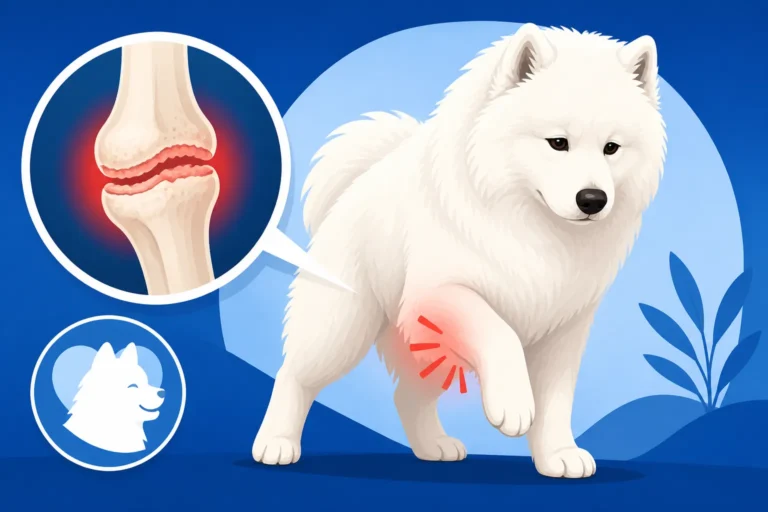
When we talk about joint issues in dogs, our minds often jump straight to hip dysplasia, but elbow dysplasia is another significant orthopedic concern that can cause considerable pain and lameness. It's not a single disease, but rather a catch-all term for several developmental abnormalities that can occur in the elbow joint of growing dogs. Imagine your elbow joint: it's where three bones meet—the humerus (upper arm bone), radius, and ulna (forearm bones). For a dog, if these bones don't grow and fit together perfectly, it can lead to chronic pain, arthritis, and a greatly reduced quality of life.
What is Elbow Dysplasia?
At its core, elbow dysplasia is a condition where the normal development of the elbow joint goes awry. It's largely genetic, meaning it's passed down from parent dogs to their offspring, but environmental factors like rapid growth, inappropriate exercise, and poor nutrition during puppyhood can exacerbate the underlying genetic predisposition. The result is an unstable or poorly aligned joint that experiences abnormal stress and wear. This leads to the development of painful bone fragments, cartilage damage, and eventually, degenerative joint disease, or osteoarthritis. It often begins to show symptoms when a dog is still quite young, typically between 4 and 12 months of age, which can be particularly distressing for owners who are just starting out with their new puppy.
The Four Key Components
Because "elbow dysplasia" is an umbrella term, it encompasses several specific conditions that can affect the elbow joint. It's common for a dog to have one or more of these issues, and sometimes they occur simultaneously, making diagnosis and treatment quite complex. Understanding these components helps us grasp the full picture of what might be happening within our Samoyed's elbow.
First, there's the Ununited Anconeal Process (UAP). The anconeal process is a small bony projection on the ulna (one of the forearm bones). In normal development, it fuses with the main part of the ulna by about 5 months of age. If this fusion doesn't happen, the process remains separate, causing instability and pain in the joint. It's like having a tiny, loose bone rattling around where it shouldn't be.
Next, we have the Fragmented Coronoid Process (FCP). The coronoid process is another small projection, this time on the inner side of the ulna, which forms part of the elbow joint surface. If this piece breaks off or fragments, it can irritate the joint cartilage and cause inflammation and pain. These fragments can also float freely in the joint, causing further damage. This is considered one of the most common manifestations of elbow dysplasia.
Then there's Osteochondritis Dissecans (OCD) of the Humeral Condyle. This occurs when the cartilage that covers the end of the humerus (the upper arm bone) doesn't develop properly. A flap of cartilage, sometimes with a piece of underlying bone, can detach and become loose within the joint. This loose flap acts like a foreign body, causing pain, swelling, and degenerative changes. It's essentially a defect in the cartilage maturation.
Finally, Elbow Incongruity refers to an abnormal fit between the three bones that make up the elbow joint. This can happen if the radius and ulna grow at different rates, or if the shape of the joint surfaces isn't quite right. When the joint surfaces don't align perfectly, there are points of abnormal pressure that lead to cartilage wear and the development of osteoarthritis. This persistent unevenness can contribute to or worsen the other conditions mentioned above.
Genetic and Environmental Factors
It's crucial to remember that elbow dysplasia is primarily considered a polygenic disorder, meaning multiple genes contribute to its inheritance. This makes breeding out the condition incredibly challenging, as it's not as simple as identifying a single "bad" gene. However, the genetic component is undeniable, which is why health clearances for breeding dogs are so vital. If a dog's parents or grandparents had elbow dysplasia, that dog has a higher risk of developing it or passing on the genes for it. This is why responsible breeders focus on health testing and understanding pedigrees.
Beyond genetics, environmental factors play a significant role, particularly during a Samoyed puppy's rapid growth phase. Over-nutrition, especially diets high in calories and calcium, can lead to accelerated growth, which puts undue stress on developing joints. This doesn't mean you should starve your puppy, but rather ensure they are on a high-quality, appropriate large-breed puppy food that supports steady, controlled growth, rather than maximizing their size as quickly as possible. Similarly, excessive, high-impact exercise, such as jumping from heights, long runs on hard surfaces, or strenuous agility work before a puppy's growth plates have closed, can worsen existing genetic predispositions or even contribute to injury. It’s a delicate balance, providing enough exercise for a high-energy breed like a Samoyed without overdoing it. Thinking about the first year with a Samoyed puppy, it's a critical time for careful management to support healthy joint development.
Elbow Dysplasia in Samoyeds: The Reality
Given the Samoyed's status as a medium-to-large breed with a robust build, it's natural for owners to wonder about their predisposition to joint issues like elbow dysplasia. While Samoyeds are generally known for their hardiness and often live for a respectable The Twelve to Fourteen Years a Samoyed Lives, orthopedic problems can still crop up, and elbow dysplasia is definitely on the radar for responsible breeders and owners.
Is it a Common Samoyed Concern?
Compared to some other large breeds like German Shepherds, Labradors, or Rottweilers, Samoyeds are not typically considered one of the breeds with the highest incidence of elbow dysplasia. However, that doesn't mean they're immune to it. Data from organizations like the Orthopedic Foundation for Animals (OFA) provides valuable insights. While a significant percentage of Samoyeds passing through OFA for elbow evaluations receive "normal" ratings, there is still a small but present percentage that are graded as dysplastic. This indicates that while not as rampant as in some other breeds, elbow dysplasia is certainly a concern within the Samoyed population. It's not a rare anomaly; it's something that thoughtful owners and breeders need to be aware of and actively screen for. The frustration often comes from the fact that it's less talked about than hip dysplasia, leading to a potential blind spot for new owners.
Comparing Samoyeds to Other Large Breeds
To put it into perspective, breeds like Bernese Mountain Dogs, Golden Retrievers, and certain Mastiff breeds tend to have higher reported rates of elbow dysplasia. Samoyeds fall somewhere in the middle. They don't have the alarmingly high statistics of some giant breeds, but they also don't have the near-zero rates of very small breeds. This middle-ground position can sometimes lead to complacency, where owners might not consider it a primary concern. However, for any individual dog, getting a diagnosis of elbow dysplasia can be devastating, regardless of breed statistics. This is why vigilance and proper screening remain paramount. The key takeaway here is that while your Samoyed might have a lower statistical chance than, say, a Newfoundland, the potential for elbow dysplasia is real and should not be ignored. It's a risk factor for many active, medium-to-large breeds.
The Role of Growth Rates in Samoyed Puppies
Samoyed puppies grow remarkably quickly in their first year, transitioning from tiny, fluffy bundles to substantial adolescents. This rapid growth spurt, while exciting to watch, puts immense stress on developing bones and joints. If a Samoyed puppy grows too fast, or if their diet provides an imbalance of nutrients (especially calcium and phosphorus), it can exacerbate any underlying genetic predisposition to elbow dysplasia. Imagine trying to build a house quickly with poorly mixed concrete – things might not settle correctly. The same principle applies to your puppy's skeletal development.
It's tempting to want a big, robust puppy, but a slower, more controlled growth rate is actually healthier for their joints. This means paying close attention to feeding guidelines for large breed puppies, avoiding overfeeding, and ensuring appropriate exercise that doesn't involve high-impact activities. For instance, instead of letting a young Samoyed puppy endlessly jump off furniture or run long distances on pavement, focus on controlled walks, gentle play, and swimming (if they enjoy it and the water is safe) until their growth plates have closed, usually around 12-18 months of age. Keeping a Samoyed puppy off stairs during their most vulnerable growth periods can also be beneficial in reducing joint strain.
Recognizing the Signs and Getting a Diagnosis
One of the most frustrating aspects of joint problems is that dogs are masters at hiding pain. Their instinct is to not show weakness, so by the time you notice something is truly wrong, the condition might be fairly advanced. This is especially true for our ever-smiling Samoyeds, whose cheerful demeanor can sometimes mask discomfort. Learning to spot the subtle cues is essential for early intervention and a better prognosis.
Subtle Early Symptoms to Watch For
The signs of elbow dysplasia can be incredibly subtle, especially in the early stages or if the condition affects both elbows (bilateral), as the dog might not show an obvious limp on one side. Owners often report a "lameness" or stiffness that might come and go, particularly after rest or heavy exercise. You might notice your Samoyed:
- A reluctance to play or exercise: They might not be as enthusiastic about walks or fetch as usual.
- Stiffness or favoring a limb: This might be more apparent after getting up from a nap or in the morning.
- A "bunny hop" gait: When running, they might use both hind legs simultaneously to propel themselves forward, trying to relieve pressure on the front limbs.
- Holding an elbow out: They might stand with their elbows rotated outwards to shift weight.
- Decreased range of motion: They might not extend their front legs as fully.
- Licking or chewing at the affected elbow: This indicates pain or discomfort.
- Changes in muscle mass: The muscles around the affected shoulder or foreleg might begin to atrophy due to disuse.
Sometimes, owners attribute these signs to clumsiness or just "being a puppy," which can delay diagnosis. Trust your gut. If something feels off, even slightly, it's worth a trip to the vet.
Veterinary Examination and Imaging
When you bring your Samoyed to the vet with concerns about lameness, the veterinarian will perform a thorough physical examination, observing your dog's gait, feeling the joints for swelling, pain, or crepitus (a grinding sensation), and assessing the range of motion. If elbow dysplasia is suspected, diagnostic imaging is the next crucial step.
X-rays are the primary diagnostic tool. Your vet will likely take multiple views of both elbows (even if only one seems affected, as it's often bilateral). These X-rays are typically submitted to a registry like the OFA (Orthopedic Foundation for Animals) for evaluation, especially if the dog is being considered for breeding. OFA evaluates elbows for the presence of osteoarthritic changes and other signs consistent with elbow dysplasia. For a definitive diagnosis, particularly for presurgical planning, more advanced imaging like a CT scan (Computed Tomography) is often recommended. CT scans provide much more detailed, 3D images of the bones and soft tissues, allowing the vet to precisely identify fragmented coronoid processes, ununited anconeal processes, or OCD lesions that might not be clearly visible on standard X-rays. A CT scan can really pinpoint the exact issue, which is invaluable for guiding treatment.
Age of Onset for Samoyed Puppies
Most Samoyeds diagnosed with elbow dysplasia show clinical signs relatively early in life, typically between 4 and 12 months of age. This aligns with the period of rapid growth when the developmental abnormalities become symptomatic. Some puppies might show very subtle signs that wax and wane, making them easy to miss, only for the lameness to become more pronounced as they mature and the degenerative changes progress.
It's less common, but not impossible, for symptoms to appear later in life, sometimes masked by the general aches and pains of growing older. However, if a Samoyed suddenly develops elbow lameness as an adult without a history of trauma, it's more likely to be secondary arthritis from undiagnosed mild dysplasia, or another condition entirely. The critical window for identifying and treating the developmental causes of elbow dysplasia is during that first year of life. Early diagnosis can significantly impact the long-term prognosis and help preserve joint function, which is why paying close attention during the puppy stage is so important.
Managing and Treating Elbow Dysplasia
Receiving a diagnosis of elbow dysplasia can feel overwhelming, but the good news is that there are many ways to manage the condition and help your Samoyed live a comfortable life. Treatment approaches vary depending on the severity of the condition, the specific components involved, and your dog's age and overall health. It's truly a partnership between you, your vet, and sometimes a veterinary orthopedic specialist.
Conservative Management Strategies
For mild cases, or when surgery isn't an option, conservative management is often the first line of defense. The goal here is to reduce pain, slow the progression of arthritis, and maintain muscle strength.
- Weight Management: This is absolutely critical. Every extra pound your Samoyed carries puts additional stress on already compromised joints. Keeping them lean and at an ideal body weight is one of the most effective ways to manage joint pain.
- Controlled Exercise: While activity is important, high-impact activities or sudden bursts of intense play should be avoided. Instead, focus on low-impact, consistent exercise like swimming, controlled leash walks, and gentle hill climbing. Activities like Whether a Samoyed Puppy Should Pull a Sled need to be approached with extreme caution, if at all, for a dog with elbow dysplasia, even if they are older.
- Joint Supplements: Many owners turn to supplements containing ingredients like glucosamine, chondroitin, MSM, and Omega-3 fatty acids. Brands like GlycoFlex, Dasuquin, and Cosequin are popular choices. While these don't cure dysplasia, they can help support cartilage health, reduce inflammation, and improve joint lubrication. Discuss Joint Supplements for a Samoyed with your vet to find the best fit.
- Pain Relief and Anti-inflammatory Medications: Your vet might prescribe NSAIDs (non-steroidal anti-inflammatory drugs) to manage pain and inflammation, especially during flare-ups. Other pain medications like Gabapentin might be used in conjunction with NSAIDs for more severe chronic pain.
- Physical Rehabilitation: This can be incredibly beneficial. A certified canine rehabilitation therapist can develop a tailored exercise program using techniques like hydrotherapy (underwater treadmill), therapeutic exercises, massage, and laser therapy to build muscle, improve range of motion, and reduce pain.
Surgical Interventions and Prognosis
When conservative management isn't enough, or for specific types of elbow dysplasia that respond well to surgery, a veterinary orthopedic surgeon might recommend a surgical procedure. The type of surgery depends entirely on the specific issue identified:
- Arthroscopy: This minimally invasive procedure uses a small camera and instruments to remove fragmented coronoid processes or OCD flaps. It's often preferred due to quicker recovery times.
- UAP Fixation or Removal: For Ununited Anconeal Process, the fragment can sometimes be reattached with a screw, or removed if it's too damaged or unstable.
- Corrective Osteotomies: In cases of elbow incongruity where bones aren't fitting correctly, procedures like proximal ulnar osteotomy or dynamic ulnar osteotomy might be performed. These involve cutting and repositioning the ulna to improve joint congruity.
The prognosis post-surgery varies. Many dogs experience significant pain relief and improved function, especially with early intervention. However, it's important to understand that surgery doesn't "cure" elbow dysplasia; it addresses the underlying anatomical problems, but most dogs will still develop some degree of arthritis in the affected joint over their lifetime. The goal is to minimize pain and maximize mobility. Recovery often involves strict rest, followed by a gradual rehabilitation program. This is where pet insurance, like Healthy Paws, can be a real lifesaver, as surgical procedures and ongoing rehab can be quite costly.
Long-Term Care and Quality of Life
Living with a Samoyed diagnosed with elbow dysplasia means committing to a long-term management plan. It's not a one-and-done solution. Regular vet check-ups are essential to monitor the progression of arthritis and adjust pain management as needed. Many owners find that a combination of the conservative strategies mentioned above, along with environmental modifications, helps keep their Samoyed comfortable.
| Treatment Type | Primary Goal | Key Components | Typical Recovery/Management |
|---|---|---|---|
| Conservative | Pain reduction, slow arthritis progression | Weight control, controlled exercise, joint supplements, NSAIDs, physical therapy | Ongoing, daily management |
| Surgical | Correct anatomical defects, improve joint function | Arthroscopy, osteotomies, fragment removal | Weeks to months of rehab, followed by conservative management |
Beyond medication and supplements, simple changes at home can make a huge difference. Provide orthopedic dog beds for comfortable rest. Use ramps or steps to help your Samoyed get onto furniture or into cars, avoiding jumps. Ensure good traction on slippery floors with rugs or dog booties. Regular, moderate exercise is still important for muscle tone, but always be mindful of your dog's limits. Adjusting activities as needed will be a constant consideration. Many Samoyeds with well-managed elbow dysplasia go on to live full, happy lives, enjoying their families and even participating in low-impact activities. It's all about proactive care and understanding what your individual Samoyed needs to stay comfortable and happy.
Prevention and Responsible Breeding
While you can't entirely eliminate the risk of elbow dysplasia if the genetic predisposition is present, there are significant steps you can take as a prospective owner and that responsible breeders must take to minimize the chances of this painful condition affecting your Samoyed. This is where informed choices truly make a difference.
Importance of Health Clearances
For any prospective Samoyed owner, the most crucial step in prevention begins with choosing a breeder who prioritizes health. Responsible Samoyed breeders will conduct comprehensive health clearances on all breeding dogs. For elbow dysplasia, this means submitting X-rays of the elbows to the Orthopedic Foundation for Animals (OFA) or a similar recognized body for evaluation. The OFA assigns a grade of "Normal" or various degrees of dysplasia. Only dogs with "Normal" elbow ratings should ever be bred.
Asking to see these certifications is not just a polite request; it's a non-negotiable part of the process. A reputable breeder will be transparent and proud to show you proof of OFA Hip and Elbow clearances, and often other breed-specific tests for conditions like The COL4A5 Test Every Samoyed Buyer Should Ask About or eye certifications. These clearances give you the best possible assurance that your puppy's parents were free of observable elbow dysplasia, significantly reducing the risk for the puppies. Remember, The Health Tests Both Samoyed Parents Should Have goes beyond just hips and elbows, but these are foundational.
Choosing a Reputable Samoyed Breeder
Finding a truly responsible Samoyed breeder requires patience and diligence. A good breeder doesn't just breed dogs; they are stewards of the breed, dedicated to producing healthy, well-tempered puppies. Here’s what to look for:
- Transparency: They should openly share health clearances for both parents, ideally going back several generations. They should also be willing to discuss the health history of their lines.
- Knowledge: A good breeder will be knowledgeable about breed-specific health issues, including elbow dysplasia, and can explain their breeding philosophy to minimize risks.
- Pedigree Research: They will research pedigrees carefully, avoiding dogs with a history of elbow dysplasia in their lines, even if an individual dog tests "normal" (due to the polygenic nature).
- Waitlists: Reputable breeders often have waitlists, as they prioritize quality over quantity and don't breed frequently.
- Puppy Care: They will raise puppies in a clean, stimulating environment, ensuring proper nutrition and age-appropriate exercise that supports healthy development.
- Contracts and Guarantees: Look for a health guarantee in the contract that addresses conditions like elbow dysplasia.
- Lifelong Support: A responsible breeder will be a resource for you throughout your dog's life.
Avoid breeders who cannot provide health clearances, have multiple litters available simultaneously, or seem more interested in making a quick sale than ensuring a good home and healthy puppy. While they might advertise a cheaper Samoyed puppy, the potential long-term veterinary costs for untreated genetic conditions can be astronomical. Investing in a well-bred puppy is an investment in your peace of mind and your future Samoyed’s health. If you are considering Whether an Untested Samoyed Litter Is Worth Buying, the answer is almost always no, especially for joint health.
Optimal Puppy Care for Joint Health
Once you bring your Samoyed puppy home, your role in preventing the manifestation or severity of elbow dysplasia is crucial. Even with the best genetics, poor husbandry can contribute to problems.
- Controlled Nutrition: Feed a high-quality, large-breed puppy food designed for slow, steady growth. Avoid free-feeding, and stick to recommended portion sizes. Overfeeding, particularly with high-calorie or high-calcium foods, can lead to excessively rapid growth, which is a major risk factor for developing orthopedic problems.
- Appropriate Exercise: While Samoyeds are energetic, their bones and joints are still developing rapidly during their first year. Avoid forced, high-impact exercise like long runs on pavement, jumping from heights, or intense agility work. Short, frequent walks, supervised play on soft surfaces, and swimming are excellent low-impact options. Gradually increase intensity as your puppy matures and their growth plates close, which usually happens around 12-18 months. Consider the advice on What a Samoyed Needs Every Day and adjust for a growing puppy.
- Avoid Slippery Surfaces: Puppies running and sliding on slick floors (like tile or hardwood) can put unnatural strain on their joints. Use rugs or runners to provide better traction.
- Monitor Growth: Keep an eye on your puppy's weight and body condition. You should be able to feel their ribs easily without seeing them. Discuss your puppy's growth rate with your vet at regular check-ups.
- Regular Vet Visits: Routine veterinary care, including check-ups for The First Year With a Samoyed Puppy, allows your vet to monitor your puppy's development and address any concerns promptly.
By combining responsible breeding practices with thoughtful puppy care, you significantly increase the chances of raising a Samoyed with healthy, strong joints, allowing them to enjoy their joyful, fluffy lives to the fullest. Even if you're exploring The Push to Breed Healthier Samoyeds from a broader perspective, your individual choices as an owner are incredibly impactful.
Disclaimer
The information provided in this guide is for general educational purposes only and should not be considered a substitute for professional veterinary advice. If you suspect your Samoyed has elbow dysplasia or any other health concern, please consult with a qualified veterinarian immediately for diagnosis and treatment.