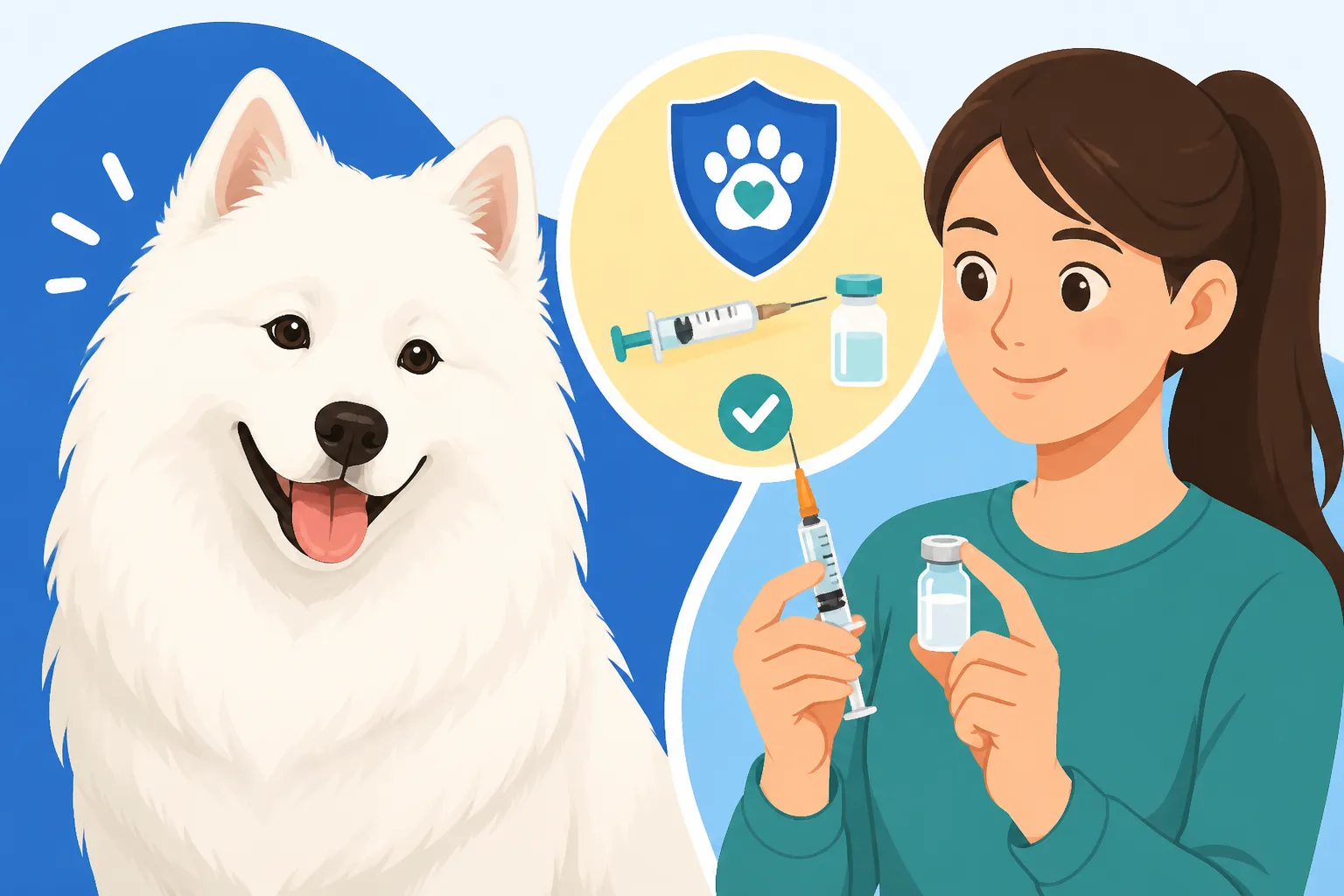
Whether a Samoyed Owner Can Learn to Inject Insulin
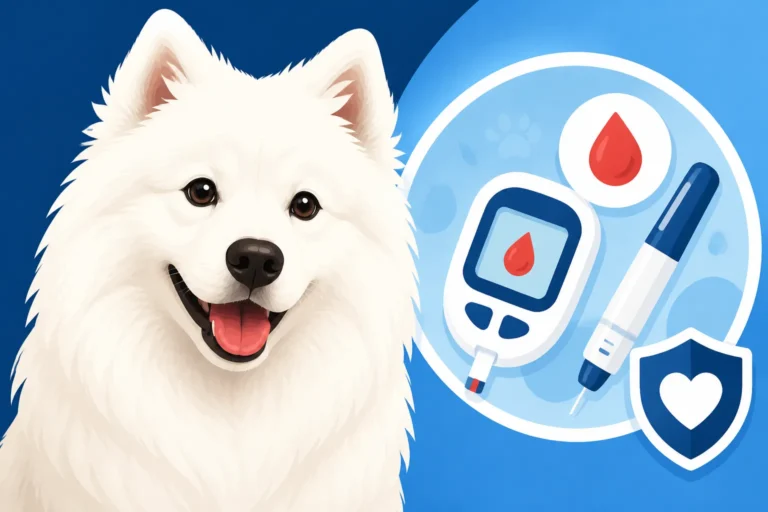
Receiving a diagnosis of diabetes for your beloved Samoyed can feel like a punch to the gut. The immediate thought is often, "How am I ever going to manage this?" Especially when your vet explains that daily insulin injections will be a part of your life, it's completely natural to feel overwhelmed, anxious, and even a little scared about giving your fluffy companion a shot. This comprehensive guide is here to walk you through the reality, ease your fears, and show you that yes, a Samoyed owner absolutely can learn to confidently inject insulin and provide the best possible care for their sweet, smiling friend.
Navigating the Initial Shock of a Diabetes Diagnosis
When your Samoyed is diagnosed with diabetes, it's a huge adjustment, not just for them, but for you too. Many Samoyed owners face a steep learning curve, suddenly needing to become adept at monitoring their dog's health, understanding complex medical terms, and, most dauntingly for some, administering injections. The thought of poking your gentle, trusting Samoyed with a needle can be incredibly distressing. You might worry about hurting them, doing it incorrectly, or causing them additional stress. It's a completely valid reaction, and you're not alone in feeling this way.
Understanding What Diabetes Means for Your Samoyed
Diabetes Mellitus in a Samoyed, much like in humans, occurs when the body either doesn't produce enough insulin or can't effectively use the insulin it does produce. Insulin is a vital hormone responsible for regulating blood sugar (glucose) levels. Without it, glucose builds up in the bloodstream instead of being used by the cells for energy, leading to a cascade of health issues.
Common signs that a Samoyed has become diabetic include increased thirst, frequent urination, weight loss despite a good appetite, and sometimes, a sudden clouding of the eyes due to cataracts. If left untreated, diabetes can lead to severe complications like diabetic ketoacidosis, which is a life-threatening emergency. While it's a serious condition, with proper management, a diabetic Samoyed can still live a wonderful, fulfilling life. The key to this management almost always involves daily insulin injections, and that’s where many owners initially struggle with the idea.
Why Insulin Injections Are Non-Negotiable
For most diabetic dogs, including Samoyeds, insulin therapy is the cornerstone of treatment. Oral medications that work for some human diabetics are generally ineffective for dogs because canine diabetes is typically Type 1, meaning the pancreas simply isn't producing enough insulin. Insulin injections directly supplement the body's lacking supply, allowing glucose to enter the cells and stabilize blood sugar levels.
Your veterinarian will determine the specific type of insulin and the appropriate dosage for your Samoyed. This often involves careful monitoring and adjustment over time, potentially including a glucose curve at the vet. The good news is that with consistency, many Samoyeds adapt incredibly well to their new routine, often associating the injection with their mealtime, making the process smoother for everyone involved. It truly becomes a small part of a much larger, loving routine.
A Step-by-Step Guide to Confident Insulin Injections
Learning to inject insulin might seem like a monumental task, but with practice, patience, and the right guidance, it becomes second nature. Think of it as another essential part of your Samoyed's daily care, much like brushing their beautiful coat or taking them for a walk. Your vet will provide hands-on training, and this guide will reinforce those critical steps.
Gathering Your Supplies and Setting the Stage
Before you even think about giving the injection, ensure you have everything ready. This minimizes fumbling and keeps both you and your Samoyed calm.
- Insulin: Always store insulin as directed by your vet, usually in the refrigerator. Before use, gently roll the bottle between your palms to mix it; never shake it vigorously, as this can damage the insulin molecules.
- Insulin Syringes: These are specifically designed for insulin, measured in units, not milliliters. They come in different sizes based on the amount of insulin your dog needs. Always use the size recommended by your vet to ensure accurate dosing.
- Treats: High-value treats are your secret weapon! A special piece of chicken, cheese, or even their favorite kibble can work wonders in distracting and rewarding your Samoyed.
- A Calm Environment: Choose a quiet spot where your Samoyed feels comfortable and secure. This might be on their bed, in the kitchen, or wherever they usually eat. Avoid noisy or high-traffic areas, especially in the beginning.
It’s helpful to establish a routine. Many Samoyeds get their insulin right after or during a meal. This not only ensures they have food in their stomach, which helps prevent low blood sugar (hypoglycemia), but it also helps them associate the injection with a positive experience. Make it a calm, unhurried event. Your own demeanor will significantly influence your Samoyed's reaction. If you're stressed, they'll pick up on it.
Mastering the Art of Drawing and Injecting Insulin
This is the part that often causes the most apprehension, but it’s simpler than it seems. Your vet will demonstrate this multiple times, and don’t hesitate to ask for more practice sessions!
-
Drawing the Insulin:
- Uncap the syringe.
- Draw air into the syringe equal to the insulin dose your Samoyed needs.
- Insert the needle into the insulin bottle's rubber stopper.
- Push the air into the bottle (this prevents a vacuum and makes drawing easier).
- Invert the bottle and syringe, pull the plunger back to draw slightly more than the prescribed dose.
- Tap the syringe to move any air bubbles to the top, then gently push the plunger to expel the air and excess insulin until you reach the exact prescribed dose. Check for any remaining bubbles.
- Withdraw the syringe from the bottle.
-
Choosing the Injection Site:
- Insulin is given subcutaneously, meaning under the skin. The ideal spots are areas where there's a good amount of loose skin, often along the back, flanks, or the scruff of the neck.
- Vary the injection site slightly each time to prevent soreness or scarring, which can interfere with insulin absorption. Imagine a clock face on your Samoyed's side and choose a different "number" each day.
- You want to avoid injecting into muscle, which can be painful, or into fatty lumps if your Samoyed has them, as absorption might be inconsistent there.
-
The Injection:
- Gently pinch a fold of loose skin. This creates a "tent" of skin.
- Insert the needle smoothly and swiftly into the base of this skin tent, parallel to your Samoyed's body, ensuring it goes under the skin but not through to the other side. You'll likely feel a slight "pop" as it penetrates the skin layer.
- Pull back slightly on the plunger. If you see blood, you've hit a small vessel; simply withdraw and try a new spot. If you see air, you may have gone all the way through; withdraw and try again. If you see nothing, you're in the right place.
- Slowly push the plunger all the way in to inject the insulin.
- Withdraw the needle quickly and smoothly.
- Give your Samoyed that amazing high-value treat immediately!
The entire process, once you're comfortable, takes mere seconds. Your Samoyed's thick coat can sometimes make it harder to see the skin, so parting the fur slightly can help, but don't worry too much about shaving a spot – a quick, confident jab is often less noticeable than prolonged fumbling.
Overcoming Challenges and Building Your Confidence
It's okay to feel nervous, especially in the beginning. Remember, practice makes perfect, and your Samoyed needs you to be their advocate in this journey.
Addressing the Fear of Needles and Hurting Your Samoyed
Many owners share a deep-seated fear of needles, or a profound worry about causing pain to their beloved pet. Here's how to reframe your mindset:
- Small Needles, Big Impact: The needles used for insulin injections are incredibly fine and designed to minimize discomfort. Most Samoyeds barely react, especially when a tasty treat is involved.
- Focus on the Benefit: Remind yourself that these injections are not about hurting them, but about healing them and giving them a longer, healthier, happier life. This is an act of love.
- Practice with Saline: Ask your vet if you can practice drawing up and injecting saline into an orange or even a pet toy at home before doing it on your Samoyed. This builds muscle memory and confidence.
- Deep Breaths: Before you start, take a few deep, calming breaths. Your Samoyed will sense your calm, making them more relaxed too.
Managing a Wriggly Samoyed During Injections
Samoyeds are intelligent and can be a bit opinionated! If your Samoyed is squirmy or protests, here are some tips:
- Distraction is Key: This cannot be stressed enough. A dollop of peanut butter on a LickiMat, a Kong stuffed with something delicious, or a steady stream of small, high-value treats while a helper holds them are invaluable.
- Positioning: Some Samoyeds are calmer when standing, others prefer to be sitting or lying down. Find what works best for your dog. For smaller Samoyeds, lifting them onto a table can sometimes help, but for a typical adult Samoyed, on the floor with a comforting pat is usually sufficient.
- Helper: If possible, have another family member help. One person can distract and praise, while the other administers the injection.
- Short and Sweet: Make the entire process as quick and efficient as possible. The less time spent, the less opportunity for them to get anxious.
- Positive Reinforcement: Shower your Samoyed with praise and treats immediately after the injection. They should associate the experience with good things. Never scold them if they react negatively; this will only make them more fearful.
Remember, consistency is crucial. The more regularly you administer the injections at the same time and in the same way, the more your Samoyed will come to accept it as a normal part of their day.
Living with a Diabetic Samoyed: Beyond Injections
Managing your Samoyed's diabetes is a holistic endeavor that extends beyond just the daily injections. It involves careful attention to diet, exercise, and ongoing monitoring to ensure their continued well-being.
Diet and Exercise Considerations for Diabetic Samoyeds
Diet plays a monumental role in managing canine diabetes. Your vet will likely recommend a prescription diet formulated to help stabilize blood glucose levels. These diets are typically high in fiber and complex carbohydrates, which lead to a slower, more sustained release of glucose into the bloodstream, making insulin regulation easier.
| Food Type | Impact on Blood Glucose | Recommendation for Diabetic Samoyed |
|---|---|---|
| High-Fiber Kibble | Slow, steady release | Excellent, helps stabilize |
| High-Fat Treats | Can cause spikes | Avoid or use sparingly |
| Simple Carbohydrates | Rapid spike | Avoid |
| Lean Proteins | Minimal impact | Good, in moderation |
Consistency in feeding times is also critical. Your Samoyed should eat their meals at roughly the same time each day, correlating with their insulin injections. This synchronized schedule helps maintain stable blood sugar levels.
Exercise, while important for all Samoyeds, needs careful consideration for diabetic ones. Regular, moderate exercise can help improve insulin sensitivity and manage weight, but strenuous or erratic activity can affect blood sugar levels unpredictably. Discuss an appropriate exercise regimen with your vet. A consistent daily walk, rather than sporadic intense activity, is generally preferred. Be mindful of the weather, especially with a thick-coated Samoyed; remember that a Samoyed built for sixty below in an American summer needs careful management to prevent overheating.
Monitoring Glucose Levels and Recognizing Complications
Regular monitoring of your Samoyed's blood glucose levels is essential. While your vet will perform comprehensive glucose curves, you might also be asked to monitor blood sugar at home. This can be done using a portable glucometer specifically calibrated for dogs, which uses a tiny blood sample from an ear vein or paw pad. Some advanced owners even use a continuous glucose monitor for a Samoyed, which can provide a more complete picture of blood sugar trends.
Beyond glucose readings, keep a close eye on your Samoyed's general health. Changes in appetite, thirst, urination, energy levels, or behavior could indicate that their diabetes is not well-controlled or that a complication is arising.
It's vital to recognize the signs of hypoglycemia (low blood sugar), which can occur if too much insulin is given, or if your Samoyed skips a meal. Signs include weakness, lethargy, disorientation, trembling, and in severe cases, seizures. Always have a source of quick sugar on hand, like Karo syrup or honey, to rub on their gums if you suspect hypoglycemia, and contact your vet immediately.
The Financial and Emotional Aspects of Care
Let's be realistic: managing a diabetic Samoyed comes with financial considerations. The cost of insulin, syringes, prescription food, and regular vet check-ups can add up. It’s wise to understand what insulin costs for a diabetic Samoyed and to budget accordingly. This is where pet insurance can be a lifesaver. Companies like Healthy Paws offer coverage that can significantly offset these ongoing veterinary expenses, especially if you enroll your Samoyed before any chronic conditions are diagnosed. While a Samoyed diagnosed with diabetes loses coverage for that specific condition if diagnosed before enrollment, getting insurance early can still help with other unforeseen health issues.
Beyond the monetary cost, there's an emotional toll. It's a commitment that requires dedication and vigilance. There will be days when you feel frustrated, tired, or worried. Lean on your veterinary team for support, and consider joining online communities of diabetic dog owners. Sharing experiences and tips can be incredibly validating and helpful. Remember, your Samoyed relies on you, and your dedication ensures they continue to live their best, fluffiest life. You are doing an amazing job.
Disclaimer
This article is intended for informational purposes only and does not constitute veterinary advice. Always consult with your veterinarian for diagnosis, treatment, and care instructions specific to your Samoyed's health needs.