Whether a Samoyed’s Kneecap Slips
It’s a heart-stopping moment for any Samoyed parent: you see your beloved fluffy companion take a few odd steps, maybe lift a back leg for a second, or even skip a beat in their gait. Instantly, your mind races with worry. Is it an injury? Is it something serious? One of the concerns that can plague dog owners, especially those with active breeds, is the possibility of a "slipping kneecap," medically known as patellar luxation. This guide will walk you through what this condition entails for Samoyeds, how to spot the signs, and what steps you can take to keep your smiling cloud healthy and comfortable.
Understanding Patellar Luxation in Samoyeds
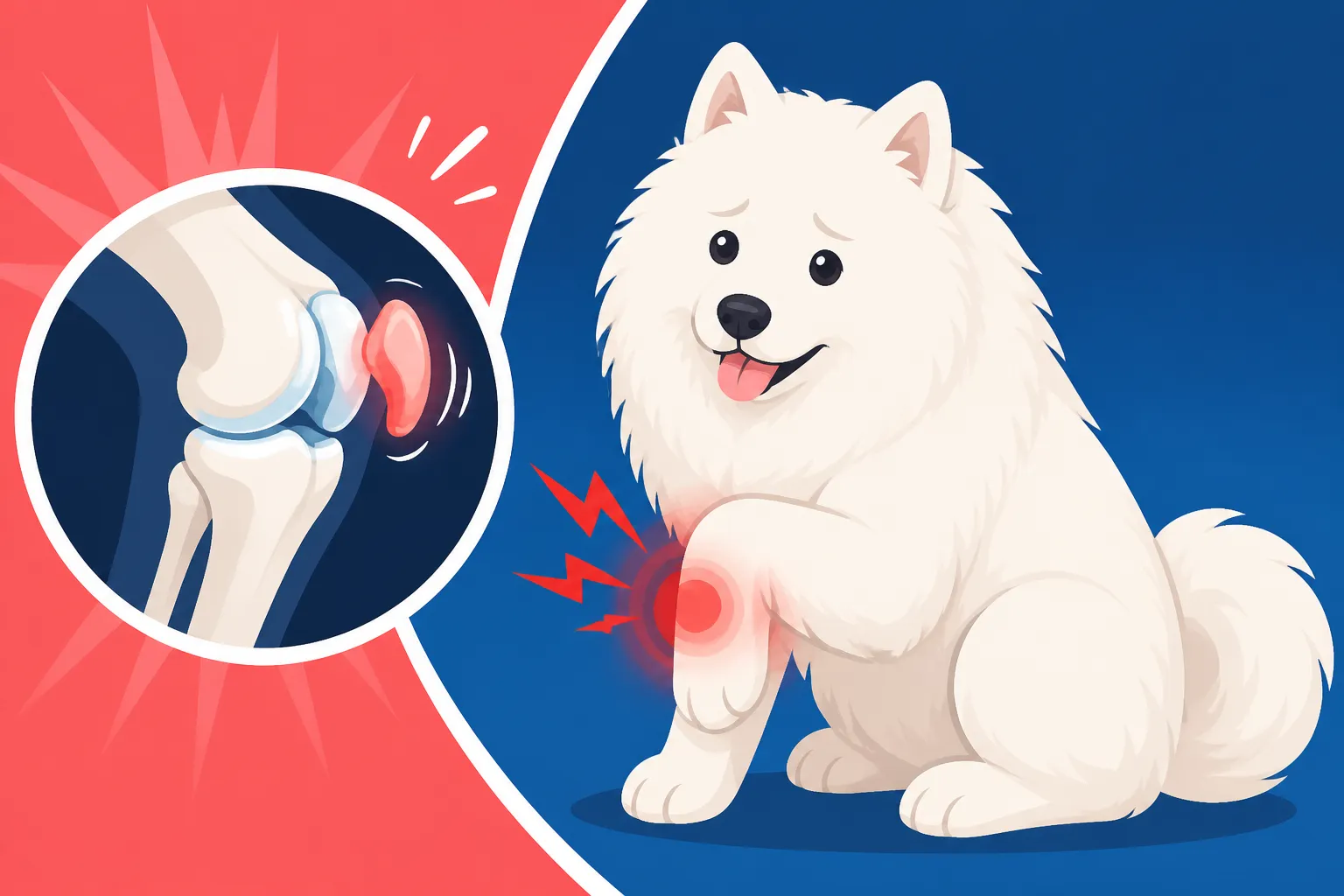
When we talk about a "slipping kneecap," we're referring to patellar luxation. The patella is your dog's kneecap, and "luxation" simply means it's dislocated or out of place. In a healthy dog, the kneecap sits snugly in a groove at the end of the thigh bone (femur), gliding smoothly up and down as the knee bends and straightens. When it luxates, it pops out of this groove, either to the inside (medial luxation, which is more common) or the outside (lateral luxation) of the leg.
For a Samoyed, a breed known for its robust athleticism and joyful bounciness, a condition like this can be particularly concerning. While patellar luxation is more commonly associated with smaller breeds, where genetic predisposition is widely acknowledged, it absolutely can affect larger dogs, including our beautiful Samoyeds. The mechanics are the same, but the impact can sometimes feel different because of their larger frame and weight. While Samoyeds are generally more prone to Hip Dysplasia in a Samoyed or elbow issues, patellar luxation is still something to be aware of.
The severity of patellar luxation is typically graded by veterinarians:
- Grade I: The kneecap can be manually luxated but pops back into place on its own. Your Samoyed might show very subtle, if any, symptoms.
- Grade II: The kneecap spontaneously luxates occasionally, causing a skip or limp, but it can usually be manipulated back into place or corrects itself as the dog moves.
- Grade III: The kneecap is luxated most of the time but can still be manually returned to its normal position, though it will quickly reluxate. This will cause more persistent lameness.
- Grade IV: The kneecap is permanently luxated and cannot be manually put back into the groove. This is the most severe form and typically results in significant lameness and discomfort.
Understanding these grades is crucial because they often dictate the course of action. A Samoyed with a Grade I luxation might never need surgical intervention, whereas a Grade IV will almost certainly require it for a good quality of life. The challenge is often that Samoyeds, with their famously stoic and cheerful nature, can be incredibly adept at hiding discomfort, making it even harder for us doting owners to spot problems early. This tendency to mask pain is something to always keep in mind with this breed, as described in How a Samoyed Hides Illness Behind a Smile.
Recognizing the Subtle and Obvious Signs
Spotting patellar luxation in your Samoyed can be tricky, especially in the early stages. Samoyeds are, after all, bundles of energy and sometimes their playful antics can look a little awkward without being symptomatic of an underlying issue. However, knowing what to look for can help you catch it before it progresses.
Early, Intermittent Warning Signs
Often, the first signs are subtle and intermittent. You might notice your Samoyed suddenly skipping for a few steps, as if they momentarily forgot how to use one of their back legs, then resume normal gait. It might look like they're trying to "shake out" their leg. Another common description is a "bunny hop" gait, where they keep both back legs together when running. This is usually when the kneecap has popped out and quickly returned to its normal position.
Imagine you’re out for a walk in the park with your beautiful Samoyed, perhaps a bustling place like Central Park in New York City or Stanley Park in Vancouver. Your Sammy is trotting happily along, leash in hand, when suddenly, they lift a back leg for a step or two, then put it down and continue as if nothing happened. You might dismiss it as a momentary stumble or a quirky Samoyed trait. But if this happens repeatedly, even if it's just once every few days or weeks, it's worth noting. It's their body’s way of trying to realign the kneecap. These subtle signs are often more apparent after a period of rest or during vigorous play.
More Consistent Lameness or Discomfort
As the condition progresses, or in more severe cases, the signs become more consistent and concerning. You might start noticing more obvious lameness or a reluctance to put weight on the affected leg. Your Samoyed might show signs of pain when you touch their knee area, or they might avoid certain movements, like jumping onto the sofa or going up and down stairs. They might become less active overall, which for a Samoyed, is usually a red flag.
For example, if your Samoyed, who usually greets you at the door with an enthusiastic bounce, starts hesitating or whimpering slightly when trying to stand up from a lying position, it's time to pay close attention. You might also observe them favoring one leg while standing, or their back legs might appear bowed. In very severe cases, the kneecap can be permanently dislocated, causing a pronounced limp and significant discomfort. It's a sad sight to see an animal renowned for its joyful movement struggling with simple actions.
It’s easy to second-guess yourself, especially when your dog is still otherwise happy and engaging. However, any persistent or recurring changes in your Samoyed's gait or activity level warrant a visit to your veterinarian. Early detection can make a significant difference in managing the condition and ensuring your Samoyed continues to enjoy The Twelve to Fourteen Years a Samoyed Lives as comfortably as possible.
Diagnosis and Treatment Approaches
When you notice those tell-tale skips or a persistent limp, the first step is always a visit to your trusted veterinarian. They have the expertise to properly diagnose patellar luxation and recommend the best course of action for your Samoyed.
The Veterinary Examination and Imaging
The diagnostic process for patellar luxation usually begins with a thorough physical examination. Your vet will carefully manipulate your Samoyed's knee joint, flexing and extending it, and gently trying to move the kneecap from side to side. They are feeling for any abnormal movement of the patella within its groove. They can typically identify the presence and grade of luxation through this hands-on examination. Often, dogs don't show much pain during this part, but a skilled vet can feel the "pop" of the kneecap.
Following the physical exam, your vet will likely recommend X-rays. While X-rays don't directly show the kneecap moving, they are invaluable for assessing the overall bone structure of the knee and hip joints. They can reveal any underlying skeletal abnormalities that might contribute to the luxation, such as a shallow trochlear groove (the groove where the kneecap sits) or deformities of the femur or tibia. X-rays are also essential to rule out other orthopedic issues that can cause similar symptoms, like Hip Dysplasia in a Samoyed or even a torn cruciate ligament. They provide a comprehensive picture, ensuring that the diagnosis is accurate and that any other contributing factors are identified.
Navigating Treatment Options: Conservative vs. Surgical
Once a diagnosis is made, your vet will discuss treatment options. These generally fall into two categories: conservative management or surgical intervention. The decision depends heavily on the grade of luxation, the frequency and severity of symptoms, your Samoyed's age, and their overall activity level.
Conservative Management: For Samoyeds with Grade I or mild Grade II luxation, especially if symptoms are minimal or intermittent, conservative management might be recommended. This approach focuses on alleviating symptoms and preventing further damage without surgery.
- Weight Management: Keeping your Samoyed at a healthy weight is paramount. Excess weight puts additional stress on all joints, including the knees, exacerbating luxation. Your vet can help you determine the ideal weight for your Samoyed and recommend a suitable diet. This is a critical factor for overall health and can also mitigate risks like Whether an Overweight Samoyed Is More Likely to Get Diabetes.
- Controlled Exercise: While vigorous, uncontrolled exercise can aggravate the condition, keeping your Samoyed moderately active helps strengthen the muscles supporting the knee joint. Short, controlled walks on a leash are often preferred over high-impact activities or off-leash running on uneven terrain. Avoid activities that involve a lot of jumping or sudden stops and starts.
- Anti-inflammatory Medications: Your vet might prescribe non-steroidal anti-inflammatory drugs (NSAIDs) during periods of discomfort or inflammation to help manage pain.
- Joint Supplements: Many owners opt for joint supplements containing ingredients like glucosamine, chondroitin, and MSM, and sometimes Omega-3 fatty acids. While these can't cure the luxation, they can help support joint health, reduce inflammation, and potentially slow down degenerative changes in the joint cartilage. You can learn more about these in Joint Supplements for a Samoyed.
Surgical Intervention: For Samoyeds with higher-grade luxations (Grade III, Grade IV), persistent pain, or significant lameness that impacts their quality of life, surgery is often the most effective treatment. The goal of surgery is to realign the kneecap and deepen its groove to prevent it from slipping out. Common surgical techniques include:
- Trochlear Wedge Resection or Block Recession: This involves deepening the groove (trochlea) in the femur where the kneecap sits.
- Tibial Tuberosity Transposition: This procedure repositions the attachment point of the patellar ligament on the tibia, changing the angle of pull on the kneecap.
- Fascial Release/Capsular Overlap: These techniques involve adjusting the soft tissues around the knee to help stabilize the kneecap.
Recovery from surgery typically involves a period of strict rest, followed by a gradual increase in controlled activity, often including physical therapy. This can be a significant commitment, but the success rate for improving mobility and reducing pain is generally very good. With a surgical correction, many Samoyeds can return to a relatively normal, active life.
Prevention and Long-Term Management for Samoyed Owners
While some genetic predispositions are beyond our control, there are many proactive steps Samoyed owners can take to reduce the risk of patellar luxation or manage it effectively if it occurs. Being a responsible pet parent means thinking ahead, from choosing your puppy to planning for their senior years.
Choosing Your Samoyed Puppy Wisely
The first line of defense against hereditary conditions like patellar luxation is to choose a reputable breeder. A good breeder will be transparent about the health history of their breeding dogs and will perform genetic and orthopedic screenings. While OFA (Orthopedic Foundation for Animals) certifications for patellar luxation are less common for Samoyeds than for smaller breeds, responsible breeders will still be aware of the condition and will screen their dogs or at least track its occurrence in their lines.
Always ask to see the health clearances for both parents of any puppy you consider. They should be able to provide documentation for hips and elbows at a minimum, and ideally discuss any known instances of patellar luxation in their lines. If a breeder brushes off health testing or seems unaware of these concerns, it's a major red flag. Learning about The Health Tests Both Samoyed Parents Should Have is a crucial step in preparing for a healthy future with your Samoyed.
Maintaining Optimal Health and Environment
Once you bring your Samoyed home, maintaining their overall health is key.
- Weight Management: We can’t stress this enough. Keeping your Samoyed lean and fit is crucial for joint health. Every extra pound puts undue strain on their knees and other joints. Monitor their food intake, feed a high-quality diet, and avoid overfeeding treats. Your vet can help you create a feeding plan and assess if your Samoyed is at an ideal weight by feeling for their ribs.
- Appropriate Exercise: While Samoyeds are energetic, their exercise should be appropriate for their age and physical condition. For puppies, avoid excessive jumping, running on hard surfaces, or long, strenuous hikes that can stress developing joints. Allow for plenty of free play on soft surfaces, but don't overdo it. As adults, regular, moderate exercise like brisk walks, hiking on trails, or even activities like Whether a Samoyed Suits Canicross can keep their muscles strong without overly stressing their joints. However, always ensure they are properly warmed up and cooled down. For older Samoyeds, modify exercise to prevent pain, as discussed in Arthritis in an Older Samoyed.
- Supplements and Diet: As mentioned earlier, joint supplements can play a supportive role. Consider adding Omega-3 fatty acids, glucosamine, and chondroitin to your Samoyed's diet after consulting with your vet. Many high-quality dog foods now include these ingredients, but additional supplementation might be beneficial.
- Safe Environment: Provide a safe home environment. This means ensuring good traction on floors (rugs on slippery hardwoods), providing supportive dog beds, and avoiding excessively high jumps or stairs, especially for young or older dogs.
The Role of Pet Insurance
Let's face it, veterinary care, especially for orthopedic issues or surgeries, can be incredibly expensive. This is where pet insurance can be a real lifeline. Companies like Healthy Paws offer comprehensive plans that can cover a significant portion of veterinary bills for unexpected accidents and illnesses, including conditions like patellar luxation (as long as it's not a pre-existing condition before enrollment).
Having pet insurance can provide immense peace of mind, allowing you to make medical decisions based on what's best for your Samoyed, rather than being limited by financial concerns. When you consider The Full Cost of Thirteen Years With a Samoyed, factoring in potential medical expenses is wise. Policies can vary, so it's always a good idea to research different providers and understand what their plans cover and what your monthly premiums might look like, as explored in What Insuring a Samoyed Costs Monthly.
A Proactive Approach to Health
Ultimately, being a proactive owner is the best defense. Schedule regular veterinary check-ups for your Samoyed, even if they seem perfectly healthy. Your vet can often spot subtle changes that you might miss. Pay attention to their gait, energy levels, and any reluctance to engage in their usual activities. Early intervention, whether through conservative management or surgery, significantly improves the long-term prognosis for Samoyeds with patellar luxation. By being informed and vigilant, you can help ensure your beautiful Samoyed continues to live a full, active, and joyous life, radiating that iconic "Samoyed smile" for many years to come.
Understanding the Grades of Patellar Luxation
To provide a clear overview, here's a table summarizing the different grades of patellar luxation, their characteristics, and typical treatment considerations:
| Grade | Characteristics | Symptoms Often Observed | Treatment Considerations |
|---|---|---|---|
| Grade I | Kneecap can be manually luxated but returns to groove on its own. Groove is almost normal depth. | Often asymptomatic; very occasional, subtle skipping or limping. | Conservative management (weight control, supplements, controlled exercise), monitoring. |
| Grade II | Kneecap spontaneously luxates, remains luxated for a short time, then returns. Groove is slightly shallow. | Intermittent skipping, "bunny hopping" gait, mild lameness that comes and goes. | Conservative management if symptoms are mild; surgery considered if symptoms worsen or impact quality of life. |
| Grade III | Kneecap is luxated most of the time but can be manually reduced. Groove is shallow. | Persistent lameness, mild to moderate pain, difficulty with certain movements, bowed leg appearance. | Surgical intervention often recommended to correct anatomical deformities and prevent arthritis. |
| Grade IV | Kneecap is permanently luxated and cannot be manually returned to the groove. Groove is very shallow or absent. | Severe, persistent lameness, significant pain, crouching or bowed stance, severe functional impairment. | Surgical intervention strongly recommended and may be more complex due to chronic changes. |
Remember, this table provides a general guide. Your veterinarian will always provide the most accurate assessment and recommend a personalized treatment plan based on your Samoyed's specific situation.
Disclaimer
The information provided in this article is for general educational purposes only and should not be considered a substitute for professional veterinary advice. Always consult with a qualified veterinarian for any health concerns or before making any decisions related to your Samoyed's medical care.