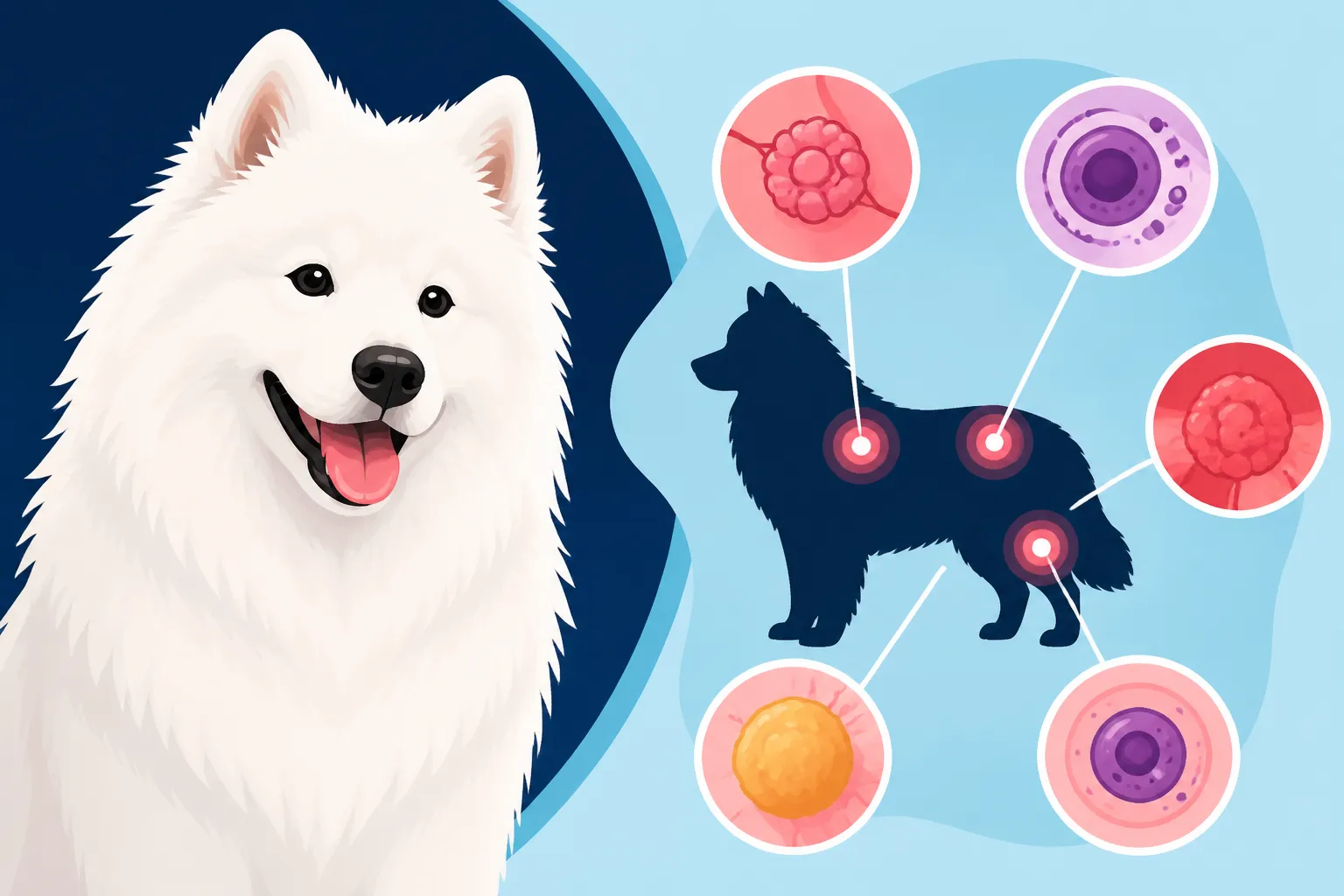
Which Cancers Samoyeds Get
The cheerful, ever-smiling Samoyed often gives off an aura of boundless health and happiness, making it incredibly disheartening when we, as owners, face the reality of potential health challenges. One of the most feared diagnoses for any dog owner is cancer, and Samoyed enthusiasts often worry about whether these beloved companions are particularly susceptible to certain types. This comprehensive guide aims to shed light on the various cancers that can affect Samoyeds, helping you understand the risks and recognize the subtle signs, because knowledge truly is power when it comes to your furry family member's well-being.
Understanding Cancer in Samoyeds: A Heartbreaking Reality
It's a tough pill to swallow, isn't it? Our beautiful, fluffy Samoyeds, with their iconic smiles, can sometimes mask underlying health issues, including serious ones like cancer. The thought alone is enough to send a shiver down any dedicated owner's spine. But rather than living in fear, understanding which cancers are more commonly seen in our breed can empower us to be more vigilant, seek early diagnoses, and ultimately, advocate for the best possible care for our companions. It's about being prepared, not terrified.
Why Breed Predispositions Matter
You might wonder why certain breeds seem to get specific diseases more than others. The truth is, it often comes down to genetics. Samoyeds, like many purebred dogs, have a relatively closed gene pool, which means certain genetic traits – both desirable and undesirable – can become more concentrated over generations. While breeders meticulously work to eliminate known genetic diseases through health testing, the reality is that complex conditions like cancer can still have a breed-specific tendency. It's not a fault of the dog or the breeder, but rather a consequence of genetic inheritance and the way different breeds have been developed. This predisposition doesn't mean every Samoyed will get cancer, but it does mean that if you own one, it's wise to be aware of the types that might be more common for them. It's a frustrating aspect of loving a purebred, but it’s a reality we must acknowledge to provide the best care.
The Importance of Early Detection
Because Samoyeds are known for their stoicism and their innate desire to please and appear happy, they can be remarkably good at hiding discomfort or illness. This characteristic, while endearing, can make early detection of serious conditions, including cancer, incredibly challenging. It's a phenomenon many owners encounter, often realizing something is gravely wrong only when the disease has progressed significantly. This is why understanding How a Samoyed Hides Illness Behind a Smile is crucial. Regular veterinary check-ups are paramount, but beyond that, it’s about you, the owner, being intimately familiar with your Samoyed's normal behavior, appetite, energy levels, and even the feel of their body. A slight change in their routine, a subtle dip in enthusiasm for their favorite walk, or a new lump discovered during a cuddle session could be the first, faint whisper of trouble. Catching these whispers early can make a world of difference in treatment outcomes and overall prognosis.
Lymphoma: A Significant Concern for Samoyeds
When we talk about cancer in Samoyeds, lymphoma often comes up as one of the more frequently diagnosed types. It's a malignancy of the lymphatic system, which is a vital part of the body's immune defense network, responsible for fighting off infections and diseases. This widespread system includes lymph nodes, the spleen, bone marrow, and other lymphoid tissues throughout the body. Because it's so pervasive, lymphoma can manifest in various ways, making it a particularly insidious disease. For Samoyed owners, understanding lymphoma is key due to its notable prevalence in the breed.
Types and Symptoms of Lymphoma
Lymphoma isn't just one disease; it's a collection of cancers affecting lymphocytes, a type of white blood cell. In dogs, the most common form is multicentric lymphoma, where the lymph nodes become enlarged. You might notice these swollen glands most easily under your Samoyed's jaw (submandibular), in their armpits (axillary), or behind their knees (popliteal). These nodes often feel firm and non-painful, which can be deceptive, as your dog might not show any obvious signs of discomfort initially.
Beyond multicentric, other forms exist:
- Gastrointestinal Lymphoma: This affects the digestive tract, leading to symptoms like chronic vomiting, diarrhea, weight loss, and a poor appetite. Your Samoyed might seem generally "off" or have persistent tummy troubles.
- Mediastinal Lymphoma: Occurs in the chest cavity, impacting lymph nodes around the heart and lungs. Symptoms might include difficulty breathing, coughing, or excessive thirst.
- Cutaneous Lymphoma: This rare form affects the skin, presenting as red, scaly patches, nodules, or ulcers. It can sometimes resemble common skin allergies or infections, making diagnosis tricky.
The insidious nature of lymphoma means that early signs can be incredibly subtle. Your typically energetic Samoyed might just seem a little less enthusiastic about playtime, sleep more, or have a slightly reduced appetite for a day or two, which could easily be dismissed as a minor off-day. The challenge lies in distinguishing these vague symptoms from normal fluctuations in behavior or minor ailments. A Samoyed’s natural resilience and happy demeanor can further complicate this; they might still greet you with a wagging tail even if they’re feeling unwell internally.
Diagnosis and Treatment Options
If you suspect lymphoma based on swollen lymph nodes or other concerning symptoms, your veterinarian will likely begin with a physical examination, carefully feeling for enlarged nodes. The primary diagnostic tool is a fine needle aspirate (FNA) of an affected lymph node, where cells are collected and examined under a microscope. If the FNA is inconclusive, a surgical biopsy of an entire lymph node may be recommended for a definitive diagnosis and to help classify the type of lymphoma. Blood tests (complete blood count, biochemistry panel) and urine tests are also usually performed to assess overall health and check for any impact on organ function. Imaging, such as X-rays or ultrasound, might be used to check for internal lymph node enlargement or involvement of organs like the spleen or liver.
Once diagnosed, the primary treatment for canine lymphoma is chemotherapy. While the word "chemotherapy" can sound frightening, it's important to remember that dogs generally tolerate it much better than humans do, often experiencing fewer and less severe side effects. The goal of canine chemotherapy is typically to achieve remission and maintain a good quality of life, rather than a definitive cure in most cases. Various protocols exist, often involving a combination of drugs given orally or intravenously over several months. Steroids, like prednisone, are also commonly used, sometimes alone for palliative care, or as part of a chemotherapy regimen. Radiation therapy might be an option for localized forms of lymphoma, though it's less common for the widespread multicentric type. The costs associated with diagnosis and treatment for lymphoma can be substantial, often ranging into thousands of dollars over the course of treatment. This is where having pet insurance, such as a plan from Healthy Paws, can provide immense peace of mind and financial support, allowing owners to focus on their Samoyed's health rather than the overwhelming bills.
Mast Cell Tumors: The Tricky Skin Cancer
Mast cell tumors are another form of cancer that Samoyeds can be predisposed to, and they are particularly noteworthy because they often appear on or under the skin. These tumors arise from mast cells, which are part of the immune system and play a role in allergic reactions and inflammation. The tricky part about mast cell tumors is their ability to mimic many other types of lumps and bumps, some benign and some malignant, making visual identification unreliable and veterinary examination absolutely crucial.
Identifying Suspicious Lumps
The sheer variety in how mast cell tumors present is what makes them so challenging. They can appear as small, red, itchy bumps that might wax and wane in size, making them look like an insect bite or an allergic reaction. Other times, they can be soft, movable masses under the skin, easily mistaken for a benign fatty lump (lipoma). They can also be firm, raised nodules. What's more, they can appear anywhere on the body, though they are frequently found on the trunk, limbs, and head.
For a Samoyed owner, the thick, luxurious double coat, which is truly a marvel, can also be a hindrance. It's incredibly easy for a new lump or bump to go unnoticed, especially if your Samoyed isn't regularly groomed or palpated. This is why during every grooming session, every belly rub, and every check for ticks, you should be diligently feeling your Samoyed all over, paying close attention to any changes in their skin or the appearance of new growths. Absolutely Lumps Worth Checking on a Samoyed should be taken seriously, regardless of how innocent they might seem. Never adopt a "wait and see" approach with a new lump, particularly in a breed known for these types of tumors.
Grading and Prognosis
If your veterinarian finds a suspicious lump, the first step will usually be a fine needle aspirate (FNA) to collect cells for microscopic examination. While an FNA can often suggest a mast cell tumor, a definitive diagnosis and, crucially, a grade are typically determined by a surgical biopsy. The grade of a mast cell tumor is paramount because it directly correlates with its aggressiveness and metastatic potential (how likely it is to spread).
- Grade I: These are generally considered low-grade, well-differentiated tumors that have a low potential for local recurrence and metastasis.
- Grade II: These are intermediate-grade tumors with a moderate potential for local recurrence and metastasis.
- Grade III: These are high-grade, poorly differentiated tumors that are highly aggressive, prone to local recurrence, and have a high likelihood of spreading to other organs (metastasizing), such as lymph nodes, spleen, liver, or bone marrow.
Surgical removal with wide, clean margins is the cornerstone of treatment for most mast cell tumors. This means removing not just the visible tumor, but a significant amount of surrounding healthy tissue to ensure all cancerous cells are excised. For higher-grade tumors, or if the surgical margins are not clean (meaning cancer cells were found at the edge of the removed tissue), additional therapies like radiation or chemotherapy may be recommended. The prognosis varies widely depending on the tumor's grade, location, and whether it has already spread. Regular follow-up appointments are essential after treatment to monitor for recurrence. Once again, the costs involved in surgical removal, pathology, and potential adjunctive therapies can add up quickly. A good pet insurance plan from providers like Healthy Paws can be a lifesaver, covering a significant portion of these unexpected expenses and helping you make treatment decisions based on what's best for your Samoyed, not just your budget.
Hemangiosarcoma: The Silent Killer
Hemangiosarcoma is a particularly devastating cancer, striking fear into the hearts of many dog owners due to its aggressive nature and often silent progression. It's a malignant tumor of the cells that line blood vessels, meaning it can arise anywhere there are blood vessels – essentially, anywhere in the body. While not exclusively a Samoyed cancer, it is seen in the breed and its rapid, often hidden, progression makes it especially heartbreaking.
Where Hemangiosarcoma Strikes
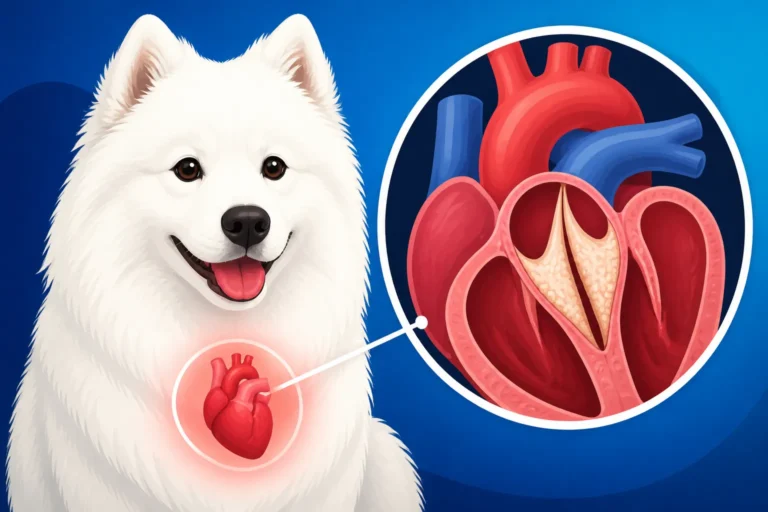
This cancer has a cruel tendency to develop internally, often on organs rich in blood supply like the spleen, heart, or liver. The skin is another possible, though less common, site. What makes internal hemangiosarcoma so dangerous is that it often grows without causing any obvious external symptoms until it reaches a critical point, such as rupturing and causing significant internal bleeding.
When this happens, symptoms can appear suddenly and dramatically. An affected Samoyed might experience:
- Sudden Weakness or Lethargy: A rapid onset of profound tiredness, often collapsing or struggling to stand.
- Pale Gums: A sign of blood loss and anemia.
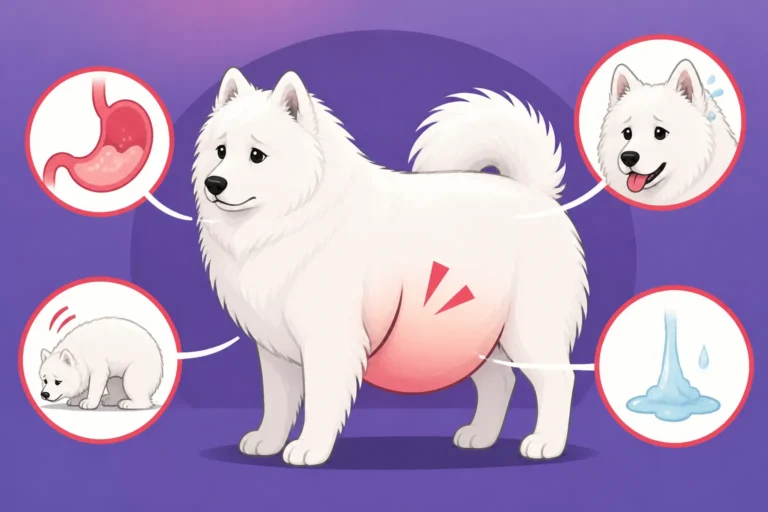
- Abdominal Distension: The belly might appear bloated or swollen due to internal bleeding (hemoabdomen).
- Difficulty Breathing: If the tumor is on the heart or if there's bleeding into the chest cavity.
- Collapse: Often the first and most alarming sign, indicating a severe internal bleed.
The insidious nature of hemangiosarcoma is one of its most frustrating aspects. Owners often feel helpless, as their seemingly healthy Samoyed can go from normal to gravely ill in a matter of hours or days, with little to no warning. This makes truly early detection incredibly difficult, relying heavily on routine check-ups and paying close attention to any subtle, out-of-character changes in behavior or energy, even if they seem minor.
Limited Treatment and Grim Prognosis
Diagnosing hemangiosarcoma often occurs during an emergency visit after a rupture or collapse. Imaging, such as ultrasound of the abdomen or chest X-rays, is crucial to locate the tumor and assess for internal bleeding. Blood tests will typically show severe anemia.
Treatment, when possible, usually involves emergency surgery to remove the bleeding tumor, such as a splenectomy (removal of the spleen) if the tumor is on that organ. This surgery can stabilize the dog temporarily. Following surgery, chemotherapy is often recommended to try and delay the spread (metastasis) of the cancer, which is almost always present at a microscopic level by the time the primary tumor is found. Unfortunately, hemangiosarcoma is highly aggressive and metastasizes readily, even with the best efforts.
The prognosis for hemangiosarcoma is often grim, even with aggressive treatment. Survival times are typically measured in months, making it one of the most challenging cancers to manage. Owners facing this diagnosis often have to make incredibly difficult decisions very quickly, weighing the risks and invasiveness of surgery and chemotherapy against the potential for a short extension of life and quality of life for their beloved Samoyed. The emotional toll of such a rapid and severe diagnosis is profound, and finding support and understanding during this time is essential.
Osteosarcoma: Bone Cancer in Larger Samoyeds
While perhaps not as widely recognized in Samoyeds as it is in some giant breeds like Great Danes or Irish Wolfhounds, osteosarcoma – an aggressive bone cancer – can still affect our beautiful fluffy companions, particularly the larger males. It's a malignant tumor that originates in the bone, most commonly affecting the long bones of the limbs, though it can occur in other bones like the jaw or ribs.
Signs of Bone Pain and Lameness
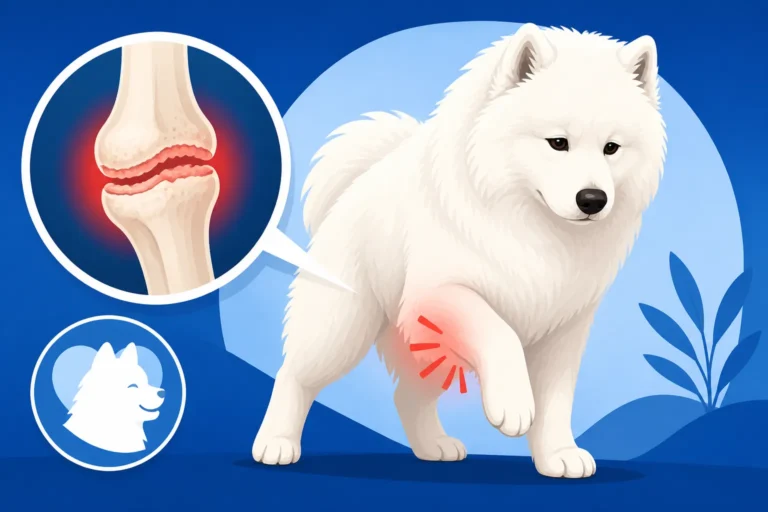
The most common initial symptom of osteosarcoma is persistent lameness that doesn't resolve with rest or anti-inflammatory medications. This lameness might be subtle at first, perhaps just a slight limp after exercise, but it gradually worsens over time. As the tumor grows, it can cause significant pain, leading to obvious limping, reluctance to bear weight on the affected limb, or even holding the leg up entirely.
Other signs to watch for include:
- Swelling: A firm, painful swelling might develop over the affected bone, especially on a limb, near a joint like the wrist, shoulder, knee, or ankle.
- Pain: Your Samoyed might cry out, growl, or flinch if the affected area is touched. They may become irritable or withdrawn due to chronic pain.
- Unexplained Fractures: In some cases, the tumor weakens the bone to such an extent that it can fracture with minimal trauma, known as a pathological fracture.
It's important to differentiate these symptoms from other orthopedic issues that can affect Samoyeds, such as Hip Dysplasia in a Samoyed or the more general aches and pains associated with Arthritis in an Older Samoyed. While these conditions can also cause lameness, osteosarcoma typically presents with a more localized, intense pain and often a palpable swelling that isn't characteristic of arthritis alone. Any persistent lameness in an adult Samoyed, especially if accompanied by swelling, warrants immediate veterinary investigation.
Diagnostic Steps and Management
If osteosarcoma is suspected, your veterinarian will typically start with X-rays of the affected area. These images can often reveal characteristic changes in the bone, such as destruction of bone tissue and new, abnormal bone growth. However, a definitive diagnosis requires a bone biopsy, where a small sample of the bone is taken and examined by a pathologist. Before embarking on treatment, further imaging (such as chest X-rays or a CT scan) is crucial to check for metastasis, as osteosarcoma is notoriously aggressive and often spreads to the lungs very early in the disease process, even before the primary tumor is diagnosed.
Treatment for osteosarcoma usually involves a combination of surgical intervention and chemotherapy.
- Amputation: For tumors on a limb, amputation of the affected limb is often the recommended treatment. This provides immediate pain relief and removes the primary tumor. While the thought of amputation can be daunting, many dogs adapt remarkably well and can maintain a good quality of life on three legs, especially with breeds known for their resilience and good temperament like Samoyeds.
- Limb-sparing surgery: In select cases and for certain locations, a limb-sparing procedure might be an option, but it is less common and carries its own set of complications.
- Chemotherapy: After surgery, chemotherapy is almost always recommended to delay the spread of microscopic cancer cells that have likely already traveled to other parts of the body. While chemotherapy rarely cures osteosarcoma, it can significantly extend survival times and improve quality of life.
- Palliative care: If amputation or chemotherapy are not feasible or desired, palliative care focuses on managing pain through medications, radiation therapy (to the tumor site), and supportive care to maintain comfort and quality of life for as long as possible.
Making decisions about osteosarcoma treatment can be incredibly challenging, given the invasiveness of surgery and the potential side effects of chemotherapy. Owners must carefully consider their Samoyed's individual circumstances, temperament, and their own capacity to provide post-operative care and ongoing medical management.
Other Cancers and General Vigilance
While lymphoma, mast cell tumors, hemangiosarcoma, and osteosarcoma are among the more commonly discussed or impactful cancers in Samoyeds, it's important to remember that they can potentially develop any type of cancer, just like humans can. Vigilance shouldn't be limited to just these specific types; rather, it should encompass a holistic approach to your Samoyed's health.
Mammary Tumors and Oral Melanoma
Two other types of cancer worth mentioning, though perhaps less uniquely tied to the Samoyed breed but common in dogs generally, are mammary tumors and oral melanoma.
- Mammary Tumors: These are common in unspayed female dogs and can range from benign to highly malignant. They appear as lumps or masses in the mammary glands, which run along the underside of a female dog's belly. The good news is that spaying a female dog before her first heat cycle dramatically reduces the risk of mammary tumors. Even spaying later in life can reduce the risk, making it a critical consideration for female Samoyeds not intended for breeding. Any lump in the mammary chain of a female Samoyed, spayed or unspayed, should be promptly evaluated by a veterinarian.
- Oral Melanoma: This is an aggressive cancer of the pigment-producing cells, most commonly found in the mouth but can also occur on the skin (cutaneous melanoma) or nail beds. Oral melanomas can appear as dark, pigmented masses, but they can also be amelanotic (non-pigmented), making them harder to identify. Signs might include bad breath, difficulty eating, dropping food, or bleeding from the mouth. Regular dental check-ups, where the vet thoroughly examines the entire oral cavity, are incredibly important, as early detection of Lumps Worth Checking on a Samoyed in the mouth can lead to better outcomes. These tumors tend to be very aggressive and spread quickly.
Proactive Health Monitoring for All Samoyeds
The best defense against cancer, or any serious illness for that matter, is proactive and consistent health monitoring. This isn't just about reacting when something seems wrong, but about establishing a baseline of normal health for your Samoyed and staying ahead of potential issues.
Here’s what that looks like in practice:
- Routine Veterinary Check-ups: Don't skip these! Annual exams for adult Samoyeds and bi-annual exams for senior Samoyeds (typically from the age of seven or eight) are vital. These visits allow your vet to perform a thorough physical examination, listen to their heart and lungs, palpate their abdomen, and check their lymph nodes. For older Samoyeds, who are more prone to cancer and other age-related conditions, these frequent checks are particularly critical when Caring for a Samoyed Past Nine.
- Regular Bloodwork and Urine Tests: Your vet might recommend yearly bloodwork, including a complete blood count and biochemistry panel, and a urinalysis. These tests can catch subtle changes in organ function or blood cell counts that could indicate underlying disease, including certain cancers, even before clinical signs appear. This is similar to why many owners ask Whether a Samoyed Needs Yearly Kidney Bloodwork for other breed-specific issues.
- Weight Management and Nutrition: Maintaining a healthy weight is crucial. Obesity can contribute to inflammation and increase the risk of certain cancers, as well as exacerbate other health problems. Feed a high-quality, balanced diet appropriate for your Samoyed's age and activity level. While no specific diet is proven to prevent cancer, good nutrition supports overall health and immune function.
- Consistent Exercise: Regular, appropriate exercise not only keeps your Samoyed physically fit but also supports their mental well-being. A healthy, active body is better equipped to handle challenges. Remember, a fit Samoyed will often live out The Twelve to Fourteen Years a Samoyed Lives.
- Know Your Samoyed: You are your Samoyed's best advocate. Pay attention to their routine: how much they eat and drink, their energy levels, their bowel movements, and their sleeping patterns. Any persistent deviation from their normal behavior should prompt a call to your vet. Don't underestimate your intuition – if something feels "off," it probably is.
- Grooming and Physical Checks: Beyond brushing, use grooming time to thoroughly feel all over your Samoyed's body. Run your hands over their skin, check their paws, ears, and mouth. Look for any new lumps, bumps, wounds that aren't healing, or discolored areas.
- Financial Preparedness: While pet insurance can't prevent cancer, it can significantly ease the financial burden if a diagnosis is made. Given the potential costs of diagnostics, surgery, chemotherapy, and palliative care, having a plan from a provider like Healthy Paws can truly be invaluable, allowing you to prioritize care without being overwhelmed by expense. Knowing that you have support if your Samoyed needs extensive care for conditions like lymphoma, osteosarcoma, or even if they need surgery for something less serious, such as if Whether a Samoyed Is Sensitive to Anesthesia, can make a world of difference. Ultimately, understanding What Samoyeds Actually Die Of includes acknowledging that cancer is a significant factor, and being prepared is part of responsible ownership.
This proactive approach not only increases the chances of early detection for cancer but also contributes to your Samoyed's overall health and longevity, ensuring they can enjoy as many happy, healthy years by your side as possible.
| Cancer Type | Common Location | Key Symptoms |
|---|---|---|
| Lymphoma | Lymph nodes (neck, armpits, behind knees), Spleen, GI tract, Liver | Swollen, non-painful lymph nodes, Lethargy, Weight loss, Decreased appetite, Vomiting/Diarrhea |
| Mast Cell Tumors | Skin (anywhere), Subcutaneous (under skin) | New lumps or bumps (variable appearance), Redness, Itchiness, Swelling |
| Hemangiosarcoma | Spleen, Heart, Liver, Skin | Sudden weakness/collapse, Pale gums, Abdominal distension, Difficulty breathing |
| Osteosarcoma | Long bones of limbs (wrist, shoulder, knee, ankle) | Persistent lameness, Localized swelling and pain, Reluctance to bear weight, Fractures |
| Mammary Tumors | Mammary glands (along belly) | Lumps or masses in the breast tissue (females) |
| Oral Melanoma | Mouth (gums, tongue, lips) | Dark masses, Bad breath, Difficulty eating, Bleeding from mouth (can be non-pigmented) |
Disclaimer
The information provided in this article is for general informational purposes only and is not intended as a substitute for professional veterinary advice. Always consult with a qualified veterinarian for any health concerns or before making any decisions related to your Samoyed's health and treatment. Cancer diagnosis and treatment should always be overseen by a veterinary oncologist.