Diabetes Mellitus in a Samoyed
Watching your beloved Samoyed, with that ever-present smile, suddenly start acting "off" can be incredibly unsettling. You might notice them drinking constantly or having accidents indoors, and the worry creeps in. Diabetes Mellitus, often a silent thief of health, is a condition that, while serious, can be managed with knowledge and dedication. This comprehensive guide aims to walk you through understanding, identifying, and navigating life with a Samoyed diagnosed with diabetes, offering practical, empathetic advice every step of the way.
Understanding Diabetes Mellitus in Samoyeds
Diabetes Mellitus, often simply called diabetes, is a complex metabolic disorder that affects how your Samoyed's body uses glucose (sugar) – its primary source of energy. It's a condition that stems from either a lack of insulin production by the pancreas or an inadequate response to the insulin that is produced. For Samoyed owners, understanding the basics of this disease is the first crucial step in providing the best care.
The Role of Insulin and Glucose
Think of glucose as the fuel for your Samoyed's cells. When your Samoyed eats, food is broken down, and carbohydrates are converted into glucose, which then enters the bloodstream. This is where insulin comes in, acting like a key that unlocks the cell doors, allowing glucose to enter and provide energy. Without enough insulin, or if the cells become resistant to it, glucose can't get into the cells.
When cells are starved for energy, despite an abundance of glucose in the blood, the body essentially thinks it's starving. This leads to a dangerous buildup of sugar in the bloodstream, a condition known as hyperglycemia. Over time, this high blood sugar can cause a cascade of health problems, affecting everything from their vision to their kidney function. It's a fundamental imbalance that disrupts the entire system, and for a Samoyed, whose ancient genetics might predispose them to certain metabolic quirks, it's particularly important to monitor.
Types of Diabetes Affecting Samoyeds
While there are several classifications of diabetes in humans, in dogs, the vast majority of cases, including in Samoyeds, are Insulin-Dependent Diabetes Mellitus (IDDM), also known as Type I diabetes. This means the pancreas simply stops producing enough, or any, insulin.
- Type I Diabetes (Insulin-Dependent): This is the most common form in dogs. It's an autoimmune condition where the body's own immune system mistakenly attacks and destroys the insulin-producing beta cells in the pancreas. Once these cells are gone, they can't be regenerated, meaning affected Samoyeds will require lifelong insulin injections. This type isn't necessarily related to diet or obesity, though maintaining a healthy weight is always beneficial.
- Type II Diabetes (Non-Insulin-Dependent): This form is rare in dogs. Here, the pancreas still produces insulin, but the body's cells don't respond to it properly (insulin resistance). This type is often linked to obesity and can sometimes be managed with diet, exercise, and oral medications, but it's typically not what we see in Samoyeds.
- Secondary Diabetes: This occurs when another disease or medication interferes with insulin production or function. For example, severe pancreatitis can damage the pancreas to the point where it can no longer produce insulin, leading to diabetes. Similarly, certain medications, like long-term corticosteroids, can induce temporary diabetes. This type can be particularly tricky because you're treating two conditions simultaneously. This is often why a vet might investigate Why Pancreatitis Precedes Samoyed Diabetes if your dog develops the condition.
For most Samoyed owners, if a diagnosis of diabetes is made, it will almost certainly be Type I, necessitating a commitment to daily insulin therapy.
Recognizing the Early Signs of Diabetes in Your Samoyed
One of the hardest parts of dealing with a health issue in a Samoyed is that they are masters of disguise. With their cheerful demeanor and that signature smile, they can often hide discomfort or illness until it's quite advanced. This makes being vigilant for subtle changes even more critical. Catching diabetes early can make a world of difference in your Samoyed's prognosis and quality of life. Owners often wonder about Signs a Samoyed Is Losing Protein in Its Urine for kidney disease, but diabetic signs are distinct and require careful observation.
Increased Thirst and Urination (Polydipsia and Polyuria)
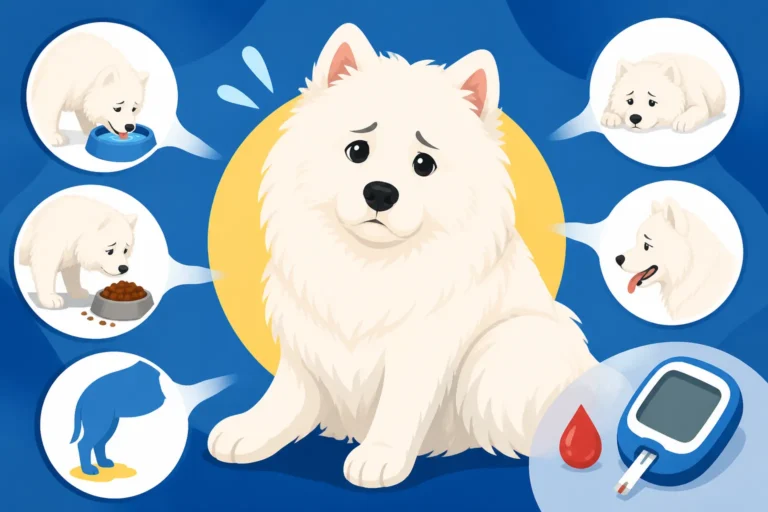
This is hands down the most common and often the first noticeable sign of diabetes in Samoyeds. If you suddenly find yourself refilling the water bowl multiple times a day, or your Samoyed is practically glued to it, that's a huge red flag. This excessive thirst, medically known as polydipsia, isn't just a quirky habit; it's a direct consequence of the body trying to flush out excess sugar.
Because the kidneys are working overtime to process and eliminate all that extra glucose from the bloodstream, they pull more water with it. This leads to a significant increase in urination, or polyuria. You might notice:
- More frequent potty breaks: Your Samoyed needs to go out more often, even if they were perfectly house-trained.
- Larger puddles: The volume of urine passed during each break is noticeably greater.
- Accidents indoors: Even a perfectly trained adult Samoyed might start having accidents inside the house because they simply can't hold it.
- Drinking from unusual sources: They might try to drink from toilets, puddles outside, or even the shower runoff.
Don't dismiss these changes as just a phase or a reaction to warm weather. This triad of increased thirst and urination is a cornerstone symptom of diabetes and warrants an immediate vet visit.
Sudden Weight Loss Despite Increased Appetite
This particular symptom can be incredibly confusing for owners. You're feeding your Samoyed the same amount, or maybe even more because they seem ravenously hungry all the time, yet they're losing weight. How can this be? The answer lies back in that lack of insulin.
Even with plenty of glucose in the bloodstream, if insulin isn't doing its job, the body's cells aren't getting the energy they need. They're starving. So, your Samoyed's body starts breaking down its own fat and muscle for energy, leading to weight loss. At the same time, the brain, sensing this cellular starvation, triggers an intense hunger, known as polyphagia.
- Ribs becoming more prominent: Even under that thick Samoyed coat, you might start to feel their ribs more easily, or notice their waist tucking in more sharply.
- Loss of muscle mass: Their hindquarters might look less muscular, or they might seem weaker when jumping or running.
- Always looking for food: They might beg for food more aggressively, steal food off counters (if they didn't before), or act like they haven't eaten in days, right after a meal.
It’s a cruel irony that a dog who is eating more could be wasting away, but it's a clear indicator that their body isn't able to utilize nutrients properly. This is one of the Signs a Samoyed Has Become Diabetic that often prompts a vet visit.
Lethargy and Changes in Energy Levels
A healthy Samoyed is typically a bundle of joyful energy, eager for walks, playtime, and all sorts of adventures. When diabetes starts to take hold, that zest for life can slowly ebb away. The constant cellular starvation, coupled with the dehydration from excessive urination, can leave your Samoyed feeling utterly drained.
You might observe:
- Increased napping: They're sleeping more than usual, even during times they'd normally be active.
- Reluctance to play or exercise: They might refuse walks, or stop halfway through, showing little interest in their favorite toys or games.
- General weakness: They might struggle to get up, climb stairs, or seem generally weaker on their feet.
- Less enthusiasm for greetings: That typical exuberant Samoyed greeting might become a gentle wag, or they might not even get up to acknowledge you.
- Dulled demeanor: Their usual happy-go-lucky attitude might be replaced by a more subdued, quiet presence.
While these symptoms can be indicative of many health issues, when combined with increased thirst and urination, they strongly point towards diabetes. Remember, How a Samoyed Hides Illness Behind a Smile means you need to be extra vigilant for these subtle shifts in behavior and energy.
Diagnosing Diabetes in Your Samoyed
When you bring your Samoyed to the vet with concerns about increased thirst, urination, or weight loss, your vet will embark on a diagnostic journey to confirm or rule out diabetes. This isn't a single test, but rather a combination of physical examination, laboratory tests, and careful observation. The goal is to accurately identify the condition and rule out other possibilities, such as kidney disease or Cushing's disease, which can present with similar symptoms.
Veterinary Examination and Initial Tests
Your vet will start with a thorough physical examination. They’ll check your Samoyed’s overall body condition, feel their abdomen, listen to their heart and lungs, and check their eyes. They might note poor coat quality, dental issues, or even a cloudy appearance in the eyes (diabetic cataracts can develop quite quickly).
Following the physical, the first line of diagnostic tests usually involves:
- Urinalysis: This is a quick and essential test. In a diabetic dog, the urine will typically show the presence of glucose (glucosuria) and ketones (ketonuria). Glucose in the urine is the body's way of trying to get rid of excess sugar, and ketones are produced when the body starts breaking down fat for energy due to glucose starvation. A urine sample might also show signs of a urinary tract infection, which is common in diabetic dogs due to the high sugar content in their urine creating a favorable environment for bacteria. This is why Why a Samoyed's Urine Should Be Tested Young is always good advice, establishing a baseline.
- Blood Glucose Test: A blood sample will be taken to measure the level of glucose in your Samoyed's blood. A consistently elevated blood glucose level is a hallmark of diabetes. However, stress can temporarily elevate blood sugar in dogs, so a single high reading isn't always definitive. Vets often look for persistently high levels.
- Fructosamine Test: This is another blood test that provides a more accurate picture of your Samoyed's average blood glucose levels over the past 1-3 weeks. Unlike a single blood glucose reading, which can fluctuate wildly, fructosamine levels are less affected by short-term stress or eating, making it a reliable indicator of long-term glucose control and a definitive diagnostic tool for diabetes.
These initial tests usually provide enough information for a presumptive diagnosis.
Confirming the Diagnosis and Ruling Out Other Conditions
While the above tests are highly indicative, sometimes further steps are needed, especially if the picture isn't clear or if there are other health concerns.
- Complete Blood Count (CBC) and Chemistry Panel: These broader blood tests can provide information about your Samoyed's overall health, organ function (especially kidneys and liver), and electrolyte balance. This helps rule out other conditions that might mimic diabetes symptoms or identify any secondary issues arising from the diabetes itself. For instance, sometimes elevated liver enzymes or kidney values can be present.
- Imaging (Ultrasound): In some cases, an abdominal ultrasound might be recommended to examine the pancreas for signs of pancreatitis or tumors, which can sometimes be underlying causes or complicating factors for diabetes.
- ACTH Stimulation Test: If your vet suspects Cushing's disease (hyperadrenocorticism) as a contributing factor or a differential diagnosis, they might perform an ACTH stimulation test. Cushing's can also cause increased thirst, urination, and changes in appetite, and it can induce insulin resistance.
Once a definitive diagnosis of Type I Diabetes Mellitus is made, your vet will work closely with you to establish a treatment plan. This plan will involve daily insulin injections and careful management, which can feel overwhelming at first, but is absolutely manageable.
Managing Diabetes Mellitus in Samoyeds
Receiving a diabetes diagnosis for your Samoyed can feel like a punch to the gut. The thought of daily injections, strict feeding schedules, and constant monitoring can be daunting. But I'm here to tell you, it's absolutely possible to manage this condition effectively and give your Samoyed a good, happy life. Many dogs live for years after diagnosis, enjoying their favorite Samoyed activities. The key is consistency, communication with your vet, and a whole lot of love.
Insulin Therapy and Administration
Insulin therapy is the cornerstone of managing Type I diabetes in Samoyeds. Your vet will prescribe a specific type of insulin and a starting dose. It’s vital to understand that this is not a "one size fits all" situation. Finding the right insulin type and dose takes time, patience, and careful monitoring, often involving a series of glucose curves.
- Types of Insulin: There are different types of canine insulin available, such as Vetsulin (Caninsulin), Novolin N, or Humulin N, each with slightly different characteristics in terms of how quickly they act and how long their effects last. Your vet will choose the best one for your Samoyed based on their individual needs.
- Insulin Storage: Insulin must be stored correctly, usually in the refrigerator, and protected from extreme temperatures and shaking. Always check the expiration date.
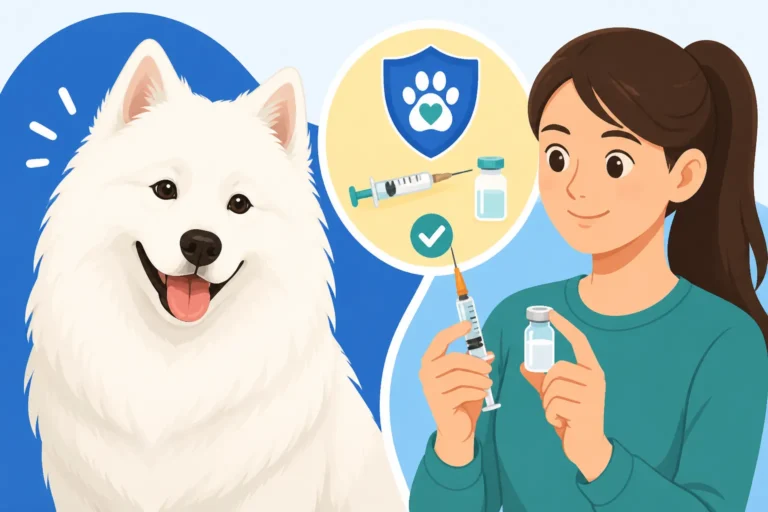
- Injection Technique: This is where many owners initially feel nervous. Insulin is given via subcutaneous injection, meaning just under the skin. Your vet or vet tech will demonstrate exactly how to draw up the correct dose and administer the injection using very small needles. It's much easier than you think! Choose a different spot for injection each time to prevent soreness or tissue changes. Most Samoyeds tolerate it remarkably well, especially if you associate it with a treat or meal. Consistency is key; aim to give injections at the same time each day, usually after meals.
For many owners, learning to give injections is the biggest hurdle, but with practice, it becomes a routine part of daily life. Don't be afraid to ask for repeat demonstrations from your veterinary team.
Dietary Management and Feeding Schedules
Diet plays an absolutely critical role in managing your Samoyed's diabetes. The goal is to minimize fluctuations in blood glucose levels, which means precise control over what and when they eat.
- Prescription Diabetic Diets: Your vet will likely recommend a prescription therapeutic diet specifically formulated for diabetic dogs. Brands like Royal Canin, Purina Pro Plan Veterinary Diets, or Hill's Prescription Diet offer excellent options. These diets are typically high in fiber, which helps slow down glucose absorption, and moderate in fat and protein. The fiber content helps maintain satiety, which can be helpful if your Samoyed's appetite is still ravenous. You might want to refer to Whether a Diabetic Samoyed Needs a Prescription Diet for more specific information.
- Consistent Feeding Times: This is non-negotiable. Your Samoyed needs to eat at the same time every day, usually twice a day, coinciding with their insulin injections. This consistency helps regulate blood sugar.
- Measured Portions: No more free-feeding! Every meal needs to be precisely measured according to your vet's recommendations. This ensures consistent calorie intake and carbohydrate load.
- Treats: Treats should be minimal and carefully chosen. Avoid high-sugar or high-fat treats. Opt for low-calorie, high-fiber options like plain green beans, baby carrots, or small pieces of lean cooked chicken. Factor any treats into their daily caloric intake.
- Water: Ensure fresh, clean water is always available. While their excessive thirst should decrease once diabetes is controlled, hydration is always important.
Remember, every Samoyed is an individual. What works perfectly for one might need slight adjustments for another. Open communication with your vet about your Samoyed's appetite and stool quality is essential.
Exercise and Lifestyle Adjustments
Regular, consistent exercise is beneficial for diabetic Samoyeds, but it needs to be managed carefully to avoid complications.
- Consistency is Key: Just like with food and insulin, consistency in exercise is paramount. Sudden, strenuous bursts of activity followed by long periods of inactivity can cause dangerous fluctuations in blood sugar. Aim for moderate, regular walks or playtime at predictable times each day.
- Avoid Extreme Exercise: Intense, prolonged exercise can drop blood sugar too rapidly, potentially leading to hypoglycemia (low blood sugar), which is a medical emergency. While your Samoyed loves to pull, perhaps consider reducing the intensity or duration of sledding or cani-cross activities initially, especially until their diabetes is well-regulated.
- Monitoring During Exercise: If your Samoyed is particularly active, discuss with your vet whether blood glucose monitoring before and after exercise is advisable. Always carry a quick source of sugar (like corn syrup or glucose gel) during walks, just in case of a hypoglycemic episode.
- Weight Management: If your Samoyed was overweight at diagnosis, achieving and maintaining a healthy weight is crucial. Obesity contributes to insulin resistance, making diabetes harder to control. Your vet and the prescribed diet will help with this. Maintaining a lean body condition is critical to their long-term health, and you can learn more about this by reading Whether an Overweight Samoyed Is More Likely to Get Diabetes.
Managing diabetes is a team effort between you, your Samoyed, and your veterinary team. Don't hesitate to reach out to them with any questions or concerns, no matter how small. Pet insurance providers like Healthy Paws often cover chronic conditions like diabetes once diagnosed, which can significantly alleviate the financial burden of ongoing care, including insulin and vet visits.
Living with a Diabetic Samoyed
Adjusting to life with a diabetic Samoyed is certainly a journey, but it’s one that countless dedicated owners successfully navigate every day. It transforms your routine, yes, but it doesn't have to diminish the joy and companionship your furry friend brings. With proper management and a vigilant eye, your Samoyed can continue to be the happy, fluffy member of your family you adore.
Monitoring and Glucose Curves
Effective diabetes management hinges on consistent monitoring. This isn't just about giving injections; it's about understanding how your Samoyed's body responds to insulin and making adjustments as needed.
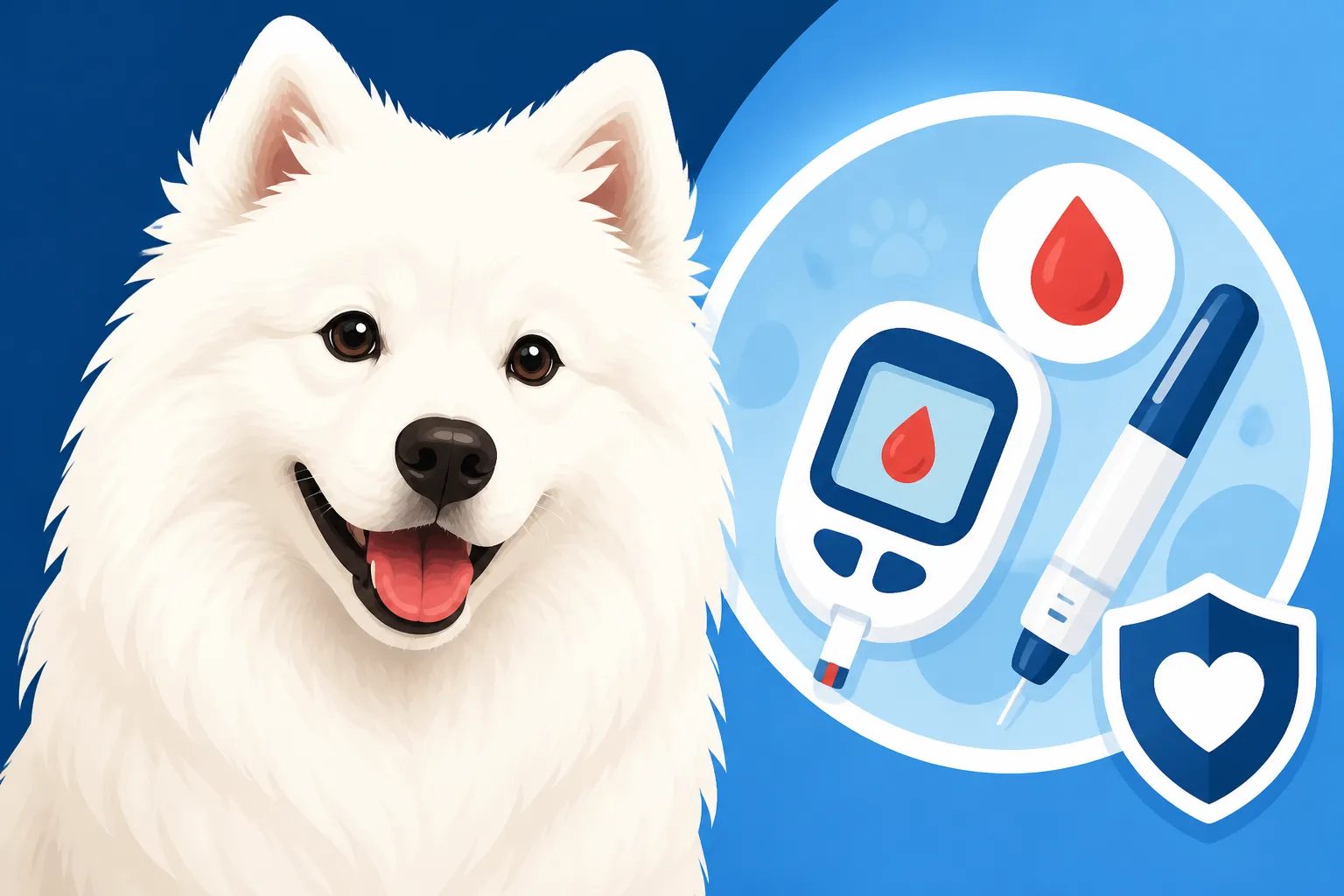
- At-Home Monitoring: Many owners find it incredibly helpful to monitor their Samoyed's blood glucose at home. This usually involves a small handheld glucometer designed for pets, along with test strips and lancets. Your vet can show you how to get a tiny blood sample, often from an ear or lip. While it takes practice, this allows you to track trends and quickly identify issues without frequent, stressful vet visits. Brands like AlphaTrak 2 are specifically calibrated for animal blood, providing more accurate readings than human glucometers.
- Glucose Curves: These are essential for determining the correct insulin dosage. A glucose curve involves taking multiple blood glucose readings over a 12-24 hour period. Your vet will usually perform the first few curves in the clinic, but many owners learn to do them at home, submitting the results to their vet for interpretation. The curve helps the vet see how quickly the insulin starts working (onset), when it reaches its peak effect (nadir), and how long it lasts. This information is vital for fine-tuning the insulin dose to keep blood sugar levels stable throughout the day.
- Urine Strip Monitoring: While less precise than blood glucose monitoring, urine strips can be a useful way to check for glucose or ketones in the urine between vet visits. The presence of ketones is particularly concerning and warrants immediate veterinary attention.
- Tracking: Keeping a detailed log of insulin doses, feeding times, exercise, appetite, water intake, and any symptoms is incredibly helpful. This data gives your vet a clearer picture of what's happening day-to-day. You can learn more about the importance of regular checks by reading Whether a Samoyed Needs Yearly Glucose Bloodwork.
Potential Complications and What to Watch For
Despite your best efforts, complications can arise. Knowing what to look for can help you act quickly and potentially prevent serious health crises.
- Hypoglycemia (Low Blood Sugar): This is a medical emergency and often results from an insulin overdose, delayed meal, or unusually strenuous exercise. Signs include weakness, disorientation, stumbling, shaking, seizures, and unconsciousness. If you suspect hypoglycemia, immediately rub corn syrup or glucose gel on your Samoyed’s gums and contact your vet. Always keep a fast-acting sugar source on hand.
- Diabetic Ketoacidosis (DKA): This severe and life-threatening complication occurs when the body, unable to use glucose, starts breaking down fat too rapidly, producing ketones that make the blood dangerously acidic. Signs include severe lethargy, vomiting, diarrhea, abdominal pain, sweet-smelling breath, and labored breathing. DKA requires immediate veterinary hospitalization and intensive care.
- Diabetic Cataracts: Many diabetic Samoyeds will develop cataracts, sometimes quite rapidly. This causes the lens of the eye to become cloudy, leading to vision impairment or blindness. While concerning, many dogs adapt incredibly well to blindness in a familiar environment. Cataract surgery is an option for some, but it requires careful consideration and consultation with a veterinary ophthalmologist. Whether a Samoyed's Cloudy Eye Is a Diabetic Cataract provides more detailed information on this.
- Urinary Tract Infections (UTIs): High glucose levels in the urine create a perfect breeding ground for bacteria. Watch for increased straining to urinate, frequent small urinations, or blood in the urine. Regular urinalysis can help detect UTIs early.
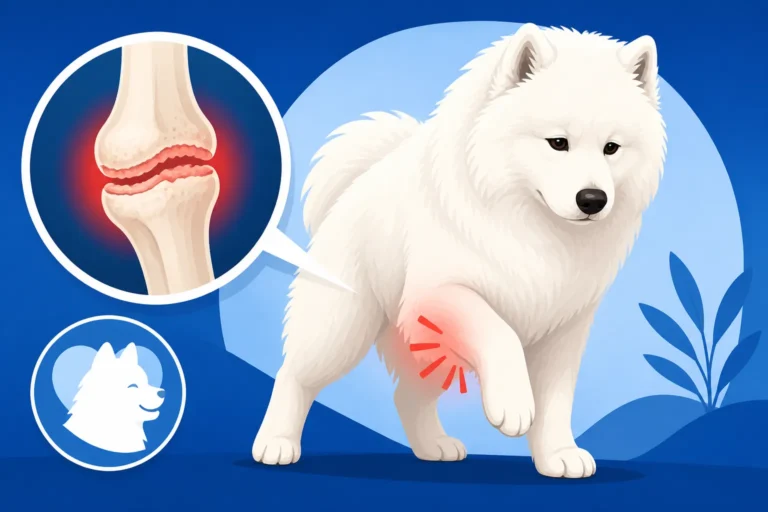
- Peripheral Neuropathy: This is less common in dogs than in humans but can occur. It affects the nerves, leading to weakness, particularly in the hind limbs.
Being aware of these potential issues doesn't mean you should live in fear, but rather be prepared and vigilant. Early detection and intervention are key to managing these complications effectively.
Maintaining Quality of Life and Longevity
The good news is that with dedicated care, many Samoyeds with diabetes can live full and happy lives. The focus isn't just on managing the disease but ensuring their overall well-being.
- Routine Veterinary Check-ups: Regular vet visits are essential to monitor your Samoyed's condition, adjust insulin doses, and address any new concerns. These visits often include physical exams, blood work, and urinalysis.
- Emotional Support: Your Samoyed relies on your calm and consistent presence. The routine of diabetes management can actually strengthen your bond. Keep positive, praise them for cooperating with injections, and continue to engage them in appropriate activities.
- Mental Stimulation: Don't forget their intelligent Samoyed minds! Puzzle toys, sniff walks, and gentle training sessions can keep them mentally engaged and happy.
- Pet Insurance: The cost of managing a chronic condition like diabetes, including insulin, syringes, vet visits, blood tests, and potential emergency care, can add up. This is where pet insurance can be a lifesaver. Providers like Healthy Paws are known for their comprehensive coverage, which can help significantly with these ongoing expenses, allowing you to focus on your Samoyed's health without financial stress. Planning for their care is also discussed in depth in The Twelve to Fourteen Years a Samoyed Lives, highlighting the long-term commitment.
- Enjoy Life: While routines are important, don't let diabetes consume your entire relationship. Continue to enjoy walks, cuddles, and all the wonderful things that make your Samoyed special. A diabetic Samoyed can still enjoy a good quality of life and be a cherished family member, often living a Whether a Diabetic Samoyed Lives a Normal Span or close to it with proper care.
Preventing Diabetes in Samoyeds
While Type I diabetes, the most common form in Samoyeds, is primarily an autoimmune condition and largely unpreventable in the traditional sense, there are still crucial steps you can take to support your Samoyed's overall health and potentially mitigate risk factors for other forms of diabetes or related complications. Think of it as creating the best possible environment for their well-being.
Maintaining a Healthy Weight
Obesity is a major health concern for all dogs, and Samoyeds are no exception. While Type I diabetes isn't directly caused by obesity, being overweight can exacerbate insulin resistance and make diabetes harder to manage if it does develop. It also significantly increases the risk for pancreatitis, which can secondarily lead to diabetes.
- Monitor Body Condition Score: Learn to assess your Samoyed's body condition score. You should be able to feel their ribs easily without seeing them, and they should have a discernible waist when viewed from above and a tucked-up abdomen from the side. That gorgeous fluffy coat can hide a lot, so use your hands!
- Controlled Portions: Measure your Samoyed's food accurately based on their ideal weight and activity level, not just pouring. The advice in Feeding a Samoyed That May Become Diabetic is especially relevant here, focusing on appropriate portion sizes and nutritional balance from puppyhood through adulthood.
- Limit High-Calorie Treats: Treats should make up no more than 10% of their daily caloric intake. Opt for low-calorie vegetables or small pieces of lean meat instead of fatty biscuits.
- Consistent Exercise: Regular, moderate exercise helps burn calories and maintain muscle mass. Daily walks, playtime in a secure yard, or engaging in activities like hiking or even light pulling (appropriate for their age and condition) are all excellent.
Proper Nutrition and Diet Choices
While there's no magic diet to prevent Type I diabetes, a high-quality, balanced diet supports overall pancreatic health and reduces the risk of conditions like pancreatitis.
- High-Quality Commercial Food: Choose a reputable dog food brand that meets AAFCO nutritional standards for your Samoyed's life stage. Avoid foods with excessive fillers, artificial ingredients, or high sugar content.
- Avoid Excessive Fat: High-fat diets can increase the risk of pancreatitis, which, as mentioned, can damage the pancreas and lead to secondary diabetes. Be cautious with fatty table scraps and rich human foods.
- Consistent Feeding Schedule: Feeding at regular times helps regulate metabolism and digestion. This is a good practice for all dogs, not just those at risk for diabetes.
Regular Veterinary Care and Early Detection
Routine vet visits are your first line of defense against many health issues, including diabetes.
- Annual Check-ups: Even if your Samoyed seems perfectly healthy, annual veterinary examinations are crucial. Your vet can perform blood work and urinalysis, which may catch subtle changes indicating early stages of various diseases.
- Screening Blood Tests: As Samoyeds age, regular blood panels that include glucose and liver/kidney values can be very informative. Catching elevated glucose levels early, even if not yet diabetic, can prompt lifestyle changes to delay or prevent progression. Your vet may recommend Whether a Samoyed Needs Yearly Kidney Bloodwork and general wellness panels as they approach middle age.
- Be Proactive: If you notice any of the early signs discussed previously – increased thirst, urination, weight loss, or lethargy – don't wait. Schedule a vet appointment immediately. Early diagnosis often leads to better management and outcomes.
By being mindful of your Samoyed's weight, providing a balanced diet, and staying on top of their veterinary care, you're doing everything in your power to support their health and potentially reduce the risk of diabetes or its complications. For chronic conditions like diabetes, having a good pet insurance plan, such as those offered by Healthy Paws, in place before a diagnosis can make a significant difference in your ability to afford the best possible care for your beloved Samoyed.
Disclaimer
This article is intended for informational purposes only and does not constitute veterinary advice. Always consult with a qualified veterinarian for any health concerns or before making any decisions related to your Samoyed's health and treatment. Individual health needs and responses to treatment can vary significantly.