Whether a Samoyed Gets Hot Spots Under Its Coat
Oh, the sheer beauty of a Samoyed's double coat! It's what first captures our hearts, that magnificent, cloud-like fluff. But let's be real, that same breathtaking coat can be a source of constant worry for Samoyed parents, especially when it comes to skin issues hiding beneath layers of fur. One of the most frustrating and often painful problems our smiling companions can face is the dreaded hot spot. This guide will dive deep into understanding, identifying, treating, and most importantly, preventing hot spots in your beloved Samoyed.
The Reality of Hot Spots in a Samoyed's Dense Coat
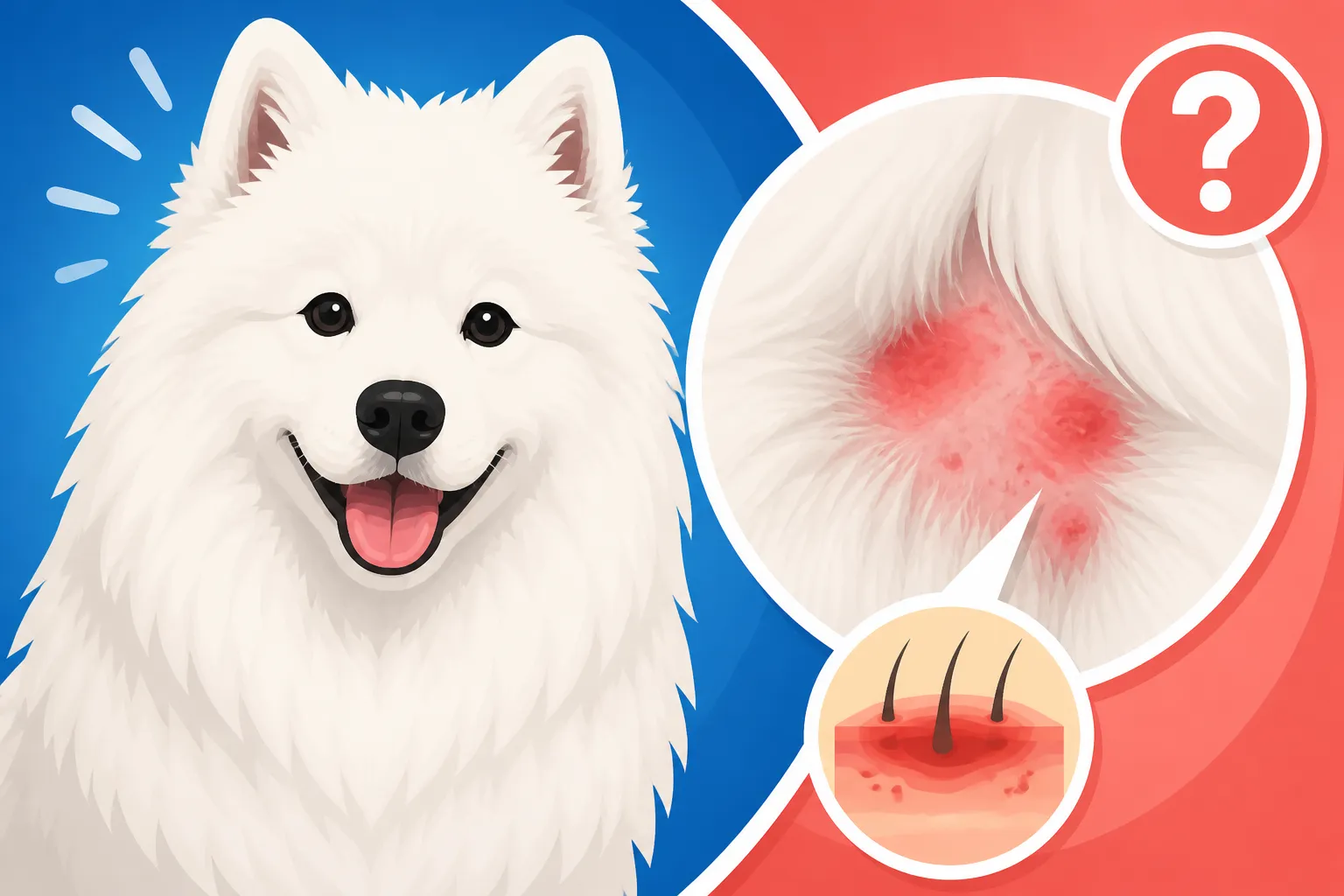
It’s an age-old concern for Samoyed owners: how do you even see what's going on under all that glorious fur? Many of us have spent countless hours brushing, only to discover a hidden skin irritation when it's already become a significant problem. Hot spots, clinically known as acute moist dermatitis, are a particularly insidious type of skin infection that can flare up quickly and cause a lot of discomfort for your Samoyed. And yes, despite their hardy nature and thick coats, Samoyeds are absolutely susceptible to them.
Why the Samoyed's Double Coat is Both a Blessing and a Challenge
The Samoyed's coat is a marvel of natural engineering, perfectly designed to withstand the harsh Siberian cold. It consists of two distinct layers: a soft, dense, woolly undercoat that provides insulation, and a longer, coarser outer coat (guard hairs) that repels water and dirt. This combination creates an air pocket close to the skin, which helps regulate body temperature, keeping them warm in winter and surprisingly cool in summer.
However, this very design, while protective, also presents a unique challenge when it comes to skin health. The density of the undercoat can trap moisture against the skin after a swim, a bath, or even just during high humidity. When moisture is trapped, and air circulation is limited, it creates a warm, damp environment – the perfect breeding ground for bacteria and yeast. What starts as a simple itch can quickly escalate into a full-blown hot spot because the thick fur hides the initial irritation, allowing it to fester and spread before it's even noticed. It's truly a testament to their stoicism that a Samoyed can sometimes hide illness behind a smile, including painful skin conditions.
Common Triggers for Hot Spots in Samoyeds
Understanding what triggers these nasty lesions is the first step in prevention. For Samoyeds, several factors often converge to create the perfect storm for a hot spot to develop:
- Allergies: This is a big one. Environmental allergies (pollen, dust mites, mold) cause itchy skin, leading your Samoyed to lick, chew, and scratch relentlessly. Food allergies can also manifest as skin irritation. This constant self-trauma breaks the skin barrier, allowing bacteria to invade.
- Parasites: Fleas, ticks, and mites are notorious for causing intense itching. Even a single flea bite can set off a chain reaction in an allergic dog, prompting them to chew at the area until it's raw. Regular, effective parasite prevention is non-negotiable for Samoyeds.
- Moisture Entrapment: As mentioned, their thick coats are slow to dry. If your Samoyed loves to swim, gets caught in the rain, or isn't thoroughly dried after a bath, moisture can sit against the skin for hours. This moist heat, especially in warmer climates, creates an ideal bacterial environment. Think about how long it takes to dry a Samoyed to the skin after a bath – it's a monumental task, and any shortcuts can lead to trouble.
- Self-Trauma: Sometimes, the initial itch might be minor – a bug bite, a burr, or even just mild irritation. But a Samoyed, like any dog, will try to relieve the itch by licking, chewing, or scratching. This repetitive trauma can quickly turn a small irritation into an open wound, and once the skin is broken, bacteria rapidly colonize and lead to a hot spot.
- Underlying Infections: Occasionally, a hot spot can arise from an already existing bacterial or yeast infection on the skin that was previously subclinical or very mild. The thick coat can mask these, too, until they breach the surface with an aggressive flare-up.
Recognizing and Diagnosing Hot Spots Despite the Fur
Finding a hot spot on a Samoyed can feel like searching for a needle in a haystack, especially when the lesion is small or in a hard-to-see area. The dense undercoat often completely obscures the angry, inflamed skin underneath. This is why vigilance and a keen eye for subtle changes are absolutely critical for Samoyed owners.
Subtle Signs That Indicate a Problem
Before you see the raw patch, your Samoyed might give you clues. Don't dismiss these early warning signs:
- Excessive Licking or Chewing: This is usually the first indicator. If your Samoyed is fixated on a particular spot – whether it's their flank, hip, base of the tail, or behind an ear – for longer than usual, even if you can't see anything, it's time to investigate. They might even wake you up at night with their persistent gnawing.
- Changes in Coat Texture: The fur over a hot spot will often become matted, wet, or greasy from the oozing discharge. It might look clumpy or feel sticky to the touch. This change might be visible as a slight discoloration or a patch of hair that just doesn't lie right.
- Odor: A distinctive, unpleasant smell, often described as foul or yeasty, can emanate from a hot spot. This odor is caused by the bacterial and yeast overgrowth in the moist, infected area. If you notice an unusual smell coming from a specific part of your dog, despite their generally clean nature (a Samoyed barely smells at all, usually), it's a major red flag.
- Pain or Sensitivity: Hot spots are painful. Your Samoyed might flinch, growl, or pull away if you try to touch the affected area. They might even become more irritable or reluctant to be groomed, particularly if you're brushing near a sensitive spot.
- Behavioral Changes: An otherwise happy and bouncy Samoyed might seem a bit off. They could be restless, unable to settle, or generally more withdrawn if a hot spot is causing them significant discomfort. They might also pace or fidget, constantly trying to get comfortable.
The Difficult Task of Finding the Hot Spot
Once you suspect a hot spot, the real work begins: finding it. You'll need good lighting, a comb, and patience. Start by gently parting the fur against the grain, systematically working your way through common problem areas like the hips, flank, neck, chest, base of the tail, and behind the ears. These are areas where dogs can easily reach to scratch or lick, or where moisture tends to get trapped.
When you do find one, a hot spot will typically appear as a circular, red, inflamed, moist, and often oozing lesion. The skin will be raw, and the surrounding fur might be matted to it with pus and dried exudate. It can range in size from a small coin to several inches in diameter. The edges might be sharply defined, or they could blend into the surrounding inflamed skin. It's a shocking sight, and often much larger than you anticipated, given how well the fur hides it.
A word of caution: if you find one, there's a chance there might be others. Be thorough in your inspection.
| Trigger Category | Specific Examples | Initial Signs | Appearance of Hot Spot |
|---|---|---|---|
| Allergies | Pollen, dust mites, certain foods | Persistent licking, scratching, chewing, rubbing on furniture, shaking head (if ear-related) | Red, raw, moist skin, often circular, hair loss, can be anywhere dog can reach |
| Parasites | Fleas, ticks, mites (e.g., mange) | Sudden intense itching, flea dirt, skin irritation, scratching, chewing, restlessness | Similar to allergy-induced hot spots, often at tail base or neck |
| Moisture Trapping | Incomplete drying after bath/swim, humid weather, rain | Matted, damp fur in specific areas (armpits, neck, groin), mild skin irritation | Redness, moisture, odor, rapid onset, commonly found in skin folds or dense areas |
| Minor Trauma | Insect bites, minor scrapes, burrs, matted fur irritation | Localized licking or chewing, a small bump or wound | Can start as a small red bump, rapidly enlarges with self-trauma, becomes moist and painful |
| Behavioral | Boredom, anxiety, stress-licking | Obsessive licking of paws or specific body parts, restlessness | Chronic hot spots, often on paws or easily reached areas, can be less acute initially |
Effective Treatment and Management Strategies
Once you’ve identified a hot spot, acting quickly is paramount. These lesions can grow surprisingly fast and become deeply painful for your Samoyed. While your vet is always the ultimate authority, there are crucial first steps you can take at home to alleviate suffering and begin the healing process.
First Aid and Immediate Steps at Home
The absolute first thing you must do, despite how heartbreaking it feels, is to clip the fur away from the affected area. This isn't just about visibility; it's about aeration. The thick fur traps moisture and prevents air from reaching the skin, exacerbating the infection. Use dog-specific clippers with a #10 blade, being incredibly careful not to cut the inflamed skin. You'll want to clip a wide margin around the hot spot, revealing at least an inch or two of healthy skin around the perimeter. This might expose a hot spot that is much larger than you initially thought, which can be alarming but is necessary for proper treatment.
Once the area is clipped, gently clean the hot spot. You can use a mild antiseptic solution, such as diluted chlorhexidine (available at most pet stores or pharmacies) or a saline solution. Avoid harsh chemicals or alcohol, which can cause further irritation and pain. Gently dab (don't scrub!) the area with a cotton ball or soft gauze to remove any pus, crust, or debris. This helps to reduce the bacterial load and allows the skin to begin drying out.
Finally, and perhaps most importantly, prevent your Samoyed from licking or chewing the area. This self-trauma is what causes the hot spot to spread and hinders healing. An Elizabethan collar (E-collar or "cone of shame") is often the most effective tool. While your Samoyed might initially protest, it's a temporary necessity for their comfort and recovery. If the hot spot is small and very superficial, you might be able to manage with a specialized hot spot spray containing a mild steroid and antibiotic, but always consult your vet first.
Veterinary Care and Prescription Treatments
Even with good first aid at home, a visit to your veterinarian is almost always necessary, especially for a Samoyed where deep infections can hide under the coat. Your vet will confirm the diagnosis, rule out other skin conditions, and determine the underlying cause. They might perform a skin scrape or cytology to identify bacteria or mites.
Common veterinary treatments include:
- Antibiotics: Oral antibiotics are often prescribed to combat the bacterial infection, especially if the hot spot is large, deep, or rapidly spreading. Topical antibiotics might also be given, sometimes combined with a steroid, to be applied directly to the lesion.
- Steroids: To quickly reduce the intense itching, inflammation, and pain, your vet might prescribe oral corticosteroids or a topical steroid cream. This provides much-needed relief for your Samoyed, stopping the itch-scratch cycle.
- Antihistamines: If allergies are suspected as the root cause, antihistamines can help manage the itch. Sometimes, more advanced allergy medications or allergy testing may be recommended.
- Addressing Underlying Causes: This is critical for long-term prevention. If fleas are present, a strong flea preventative will be prescribed. If food allergies are suspected, a hypoallergenic diet trial might be initiated. For environmental allergies, your vet might discuss options like immunotherapy or specific supplements.
Remember that treating hot spots can sometimes involve multiple vet visits and medications, and having a good pet insurance plan like Healthy Paws can certainly help manage these unexpected costs. They offer comprehensive coverage that can be a real lifesaver when your Samoyed needs extensive care.
Preventing Future Hot Spots in Your Samoyed
The best treatment for hot spots is preventing them from happening in the first place. Given the Samoyed's unique coat, proactive care and attention to potential triggers are essential. It's a continuous effort, but one that will keep your fluffy companion healthy and comfortable.
Proactive Grooming and Coat Care
Your Samoyed's coat is their most defining feature, and it requires consistent care to remain healthy and prevent skin issues.
- Regular, Thorough Brushing: This is non-negotiable for a Samoyed. You need to brush them multiple times a week, ideally daily during shedding season, to remove loose undercoat and prevent mats. Mats trap moisture and create the perfect environment for hot spots. Brushing also helps to distribute natural oils, keeps the skin healthy, and allows you to inspect the skin for any hidden irritations. If you want to know more about the commitment, check out "How Often a Samoyed Needs Brushing."
- Proper Drying After Baths or Swims: This cannot be stressed enough. Never leave a Samoyed to air dry. After a bath or a swim, use a high-velocity force dryer to ensure their double coat is completely dry, right down to the skin. This pushes out residual water and separates the hairs, allowing air circulation. Investing in a good quality force dryer is one of the best things you can do for your Samoyed's skin health. We have another article dedicated to this: "Drying a Samoyed to the Skin."
- Keeping the Coat Clean: While Samoyeds are generally self-cleaning, regular baths (every 4-6 weeks or as needed) with a good quality dog shampoo can help remove allergens, dirt, and excess oils that might irritate the skin. Just ensure they are completely dry afterwards.
Environmental and Dietary Considerations
What goes into and around your Samoyed can significantly impact their skin health.
- Year-Round Flea and Tick Prevention: This is fundamental. Even indoor dogs can pick up fleas. Use a veterinarian-recommended preventative consistently to eliminate one of the most common hot spot triggers.
- Allergy Management: If your Samoyed struggles with allergies, work closely with your vet to identify triggers. This might involve environmental controls (air purifiers, frequent vacuuming), dietary changes (hydrolyzed protein or novel protein diets), or medications. Maintaining a healthy weight can also help reduce skin folds that trap moisture, and you might find useful information in "Whether an Overweight Samoyed Is More Likely to Get Diabetes."
- Climate Control: Samoyeds are built for cold climates. In warmer, humid environments, they are more prone to overheating and moisture buildup in their coats. Providing a cool, air-conditioned environment during hot months is crucial. Read more about this in "Whether a Samoyed Needs Air Conditioning."
- Balanced Diet: A high-quality, balanced diet rich in omega-3 fatty acids can support healthy skin and a strong coat, making it more resilient to irritation. Some dogs benefit from supplements specifically for skin and coat health.
- Pet Insurance: While not a preventative measure, having pet insurance like Healthy Paws can provide immense peace of mind. If your Samoyed develops chronic skin issues or allergies leading to recurring hot spots, the costs for vet visits, medications, and specialized diets can add up quickly. Healthy Paws can help cover these expenses, ensuring your dog gets the best care without financial strain.
Behavioral Management to Reduce Self-Trauma
Sometimes, a Samoyed might lick or chew out of boredom, stress, or anxiety.
- Adequate Exercise and Mental Stimulation: A tired Samoyed is a happy Samoyed. Ensure your dog gets enough physical activity and mental enrichment to prevent boredom-induced licking. Samoyeds are working dogs and need a job to do, even if it's just regular walks, training sessions, or puzzle toys. "How Much Exercise a Samoyed Needs" can give you more insights.
- Address Anxiety/Boredom: If you suspect stress or boredom is contributing to licking, consult with a professional dog trainer or veterinary behaviorist. They can help you develop strategies to manage these behaviors.
- Regular Vet Check-ups: Routine veterinary visits allow your vet to spot any potential skin issues early and provide guidance on preventative care. This includes checking for parasites, discussing diet, and performing any necessary health tests. A comprehensive health check starts with asking about "The Health Tests Both Samoyed Parents Should Have."
By combining diligent grooming, thoughtful environmental management, and prompt veterinary care, you can significantly reduce the likelihood of your Samoyed suffering from the painful and frustrating ordeal of hot spots. Your fluffy friend deserves to be comfortable and itch-free under that magnificent coat!
Disclaimer
Please remember that the information provided in this guide is intended for educational purposes only and should not be considered a substitute for professional veterinary advice. If you suspect your Samoyed has a hot spot or any other health issue, always consult with a qualified veterinarian for an accurate diagnosis and appropriate treatment plan.