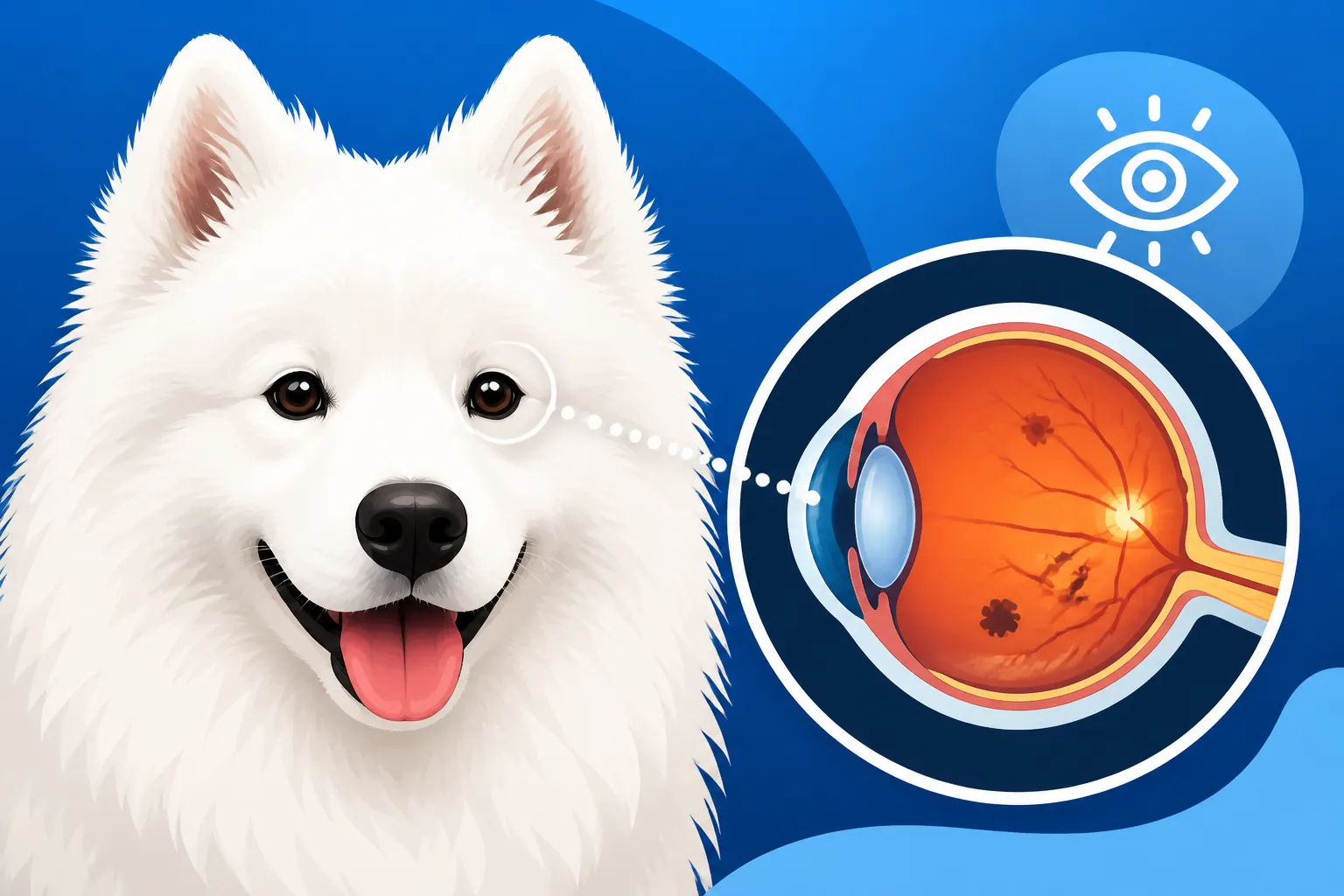
Eye Disease and the Samoyed’s Retina
It’s incredibly disheartening to realize that the vibrant, sparkling eyes of your beloved Samoyed, those windows to their joyful soul, might one day be affected by something beyond your control. For many Samoyed owners, the thought of their furry friend struggling with vision loss, especially due to inherited conditions impacting the retina, is a deeply unsettling one. This comprehensive guide is here to walk you through the various eye diseases, particularly those affecting the retina, that can impact Samoyeds, offering clarity, support, and practical advice to help you navigate these challenges.
Understanding the Samoyed's Vision System
Our Samoyeds rely so much on their keen senses, and sight is undoubtedly a huge part of how they interact with their world, from spotting a squirrel in the yard to finding their favorite squeaky toy. When their vision system, particularly the delicate retina, is compromised, it changes everything. It's not just about what they can't see; it's about how this impacts their confidence, their joy, and their ability to be the happy, adventurous companions we know and love.
The Delicate Design of the Canine Retina
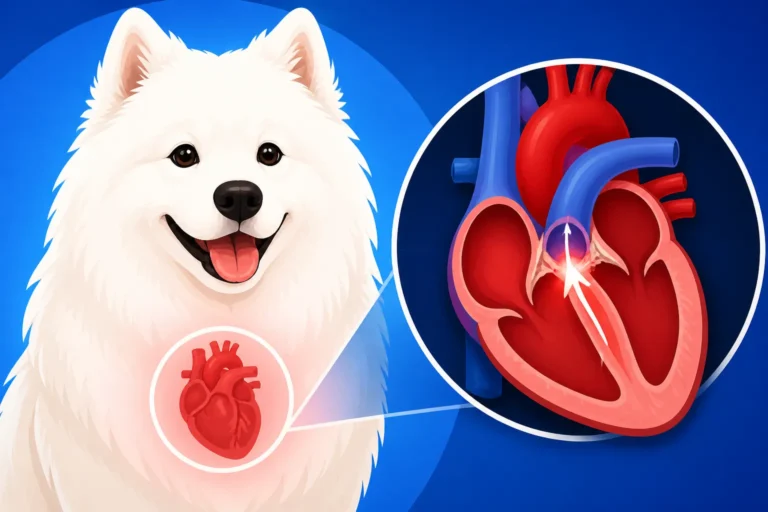
To truly grasp the impact of retinal diseases, it helps to understand what the retina actually does. Imagine the retina as the film in a camera, nestled at the very back of your Samoyed’s eye. This incredibly thin layer of tissue contains millions of specialized cells – rods and cones – that are responsible for detecting light and color. Rods handle vision in dim light and detect motion, while cones are all about bright light and color perception. When light enters the eye, it hits these cells, which then convert the light into electrical signals. These signals are sent along the optic nerve to the brain, where they are interpreted as images. It’s a marvel of biological engineering, enabling your Sammy to navigate the world, chase snowballs, and recognize your loving face.
The health of the retina is paramount for clear, functional vision. Any damage, degeneration, or malformation to this crucial layer can lead to a range of visual impairments, from subtle changes in night vision to complete blindness. And sadly, for some breeds like our Samoyeds, there are specific genetic predispositions that make their retinas particularly vulnerable. Understanding this fundamental structure helps us appreciate just how impactful these conditions can be on our dogs' quality of life.
Why Samoyeds Face Unique Ophthalmic Challenges
You might wonder why Samoyeds, with all their robustness and ancestral strength, seem to have specific vulnerabilities when it comes to their eyes. Like many purebred dogs, Samoyeds carry certain genetic traits that, while contributing to their unique breed characteristics, also unfortunately predispose them to particular health conditions. Their pure white coats, their strong working lines, and their relatively contained gene pool contribute to a fascinating history, but also mean that certain genetic mutations, including those affecting eye health, can become more prevalent within the breed.
One of the frustrating aspects for Samoyed owners is how subtly some of these conditions can begin. You know your dog best, but often, dogs are masters at masking their discomfort or initial signs of illness. This is especially true for conditions like slow-progressing vision loss. A Samoyed might adapt to diminishing sight by relying more on their excellent hearing and sense of smell, or by memorizing their home environment. This can make it incredibly difficult for owners to spot the early warning signs, meaning that by the time obvious symptoms appear, the condition might be quite advanced. It’s a testament to their resilient spirit, but it also places a greater burden on owners and breeders to be proactive and vigilant about health screening. This is one reason why it's so important to understand how a Samoyed Hides Illness Behind a Smile.
Progressive Retinal Atrophy PRA
When we talk about inherited eye diseases in Samoyeds, Progressive Retinal Atrophy, or PRA, often comes up as a significant concern. It's a group of genetic diseases that cause the degeneration of the light-sensitive cells in the retina, ultimately leading to blindness. For any dog owner, the prospect of their beloved companion losing their sight is heartbreaking, and for Samoyed families, this particular condition is one they need to be aware of and actively screen for.
How PRA Steals Sight Over Time
Progressive Retinal Atrophy isn't a sudden event; it's a cruel, gradual process. Imagine the tiny rod and cone cells in your Samoyed's retina slowly, irrevocably dying off. In most forms of PRA, the rod cells, which are responsible for night vision, degenerate first. This means the first noticeable symptom for many owners is their Samoyed becoming hesitant or disoriented in low-light conditions. They might bump into furniture in a dimly lit room or be reluctant to go outside at dusk. As the disease progresses, the cone cells also begin to fail, leading to day blindness as well. It's a slow march towards complete loss of vision, and the timeline can vary greatly depending on the specific genetic mutation and the individual dog. Some Samoyeds might start showing signs as young as 18 months, while for others, it might be later in life, around 3-5 years of age.
The heartbreaking reality is that there's no cure for PRA. The retinal cells, once they degenerate, cannot be regenerated. The focus then shifts to providing the best possible quality of life for your visually impaired Samoyed. Watching your once confident and adventurous Samoyed struggle with their environment can be incredibly tough, but with understanding and adaptation, they can still lead full and happy lives. This is a journey that requires patience, empathy, and a strong commitment to your dog's well-being. Knowing the different forms of Progressive Retinal Atrophy in a Samoyed can help in understanding the specific prognosis.
Recognizing the Subtle Signs of PRA
Because PRA progresses gradually, the early signs can be incredibly subtle, often mistaken for just "getting old" or clumsiness. The first thing you might notice is your Samoyed's hesitation in unfamiliar or dimly lit environments. They might be perfectly fine in your brightly lit home during the day, but as evening falls, they become more cautious, perhaps bumping into furniture they usually navigate with ease. You might find them struggling to find a toy in a shadowed corner, or appearing startled by sudden movements from the side that they used to react to instantly.
As the condition advances, their vision loss becomes more pronounced, even in daylight. Their pupils might appear dilated, letting in more light to compensate for the failing retina, and their eyes might take on a reflective, "tapetal glow" as light bounces off the back of the eye. Some owners report a cloudy or dull appearance to the eyes, though this isn't always present. They might start relying heavily on their other senses, navigating by scent and sound, and become more attached to their human companions for guidance. If you notice any of these changes, especially night blindness, it’s crucial to get your Samoyed to a veterinary ophthalmologist for a thorough examination. Early detection, while not curing the disease, allows you and your vet to establish a baseline and plan for future adaptations. This condition can lead to the question of Whether a Samoyed Goes Fully Blind From PRA.
Unraveling the Genetic Roots of Samoyed PRA
The good news, if there is any, about PRA is that it's a genetic condition, meaning it's inherited. And because it's genetic, scientists have developed DNA tests to identify carriers and affected dogs. For Samoyeds, the most commonly recognized form of PRA is X-linked PRA, which is inherited in a sex-linked manner, primarily affecting males. This means that while females can be carriers of the gene, they typically don't develop the severe form of the disease. Affected males inherit the gene from their carrier mothers and will eventually lose their sight. There are other forms of PRA too, with different inheritance patterns, so comprehensive genetic testing is key.
Reputable breeders are actively working to identify and eliminate PRA from their breeding lines through diligent genetic testing of all breeding stock. They utilize DNA tests, often offered by specialized veterinary genetics labs such as OptiGen or those developed by groups like the Samoyed Club of America's health committees, to ensure that they are not breeding affected dogs or knowingly pairing carriers that could produce affected puppies. If you're considering bringing a Samoyed into your family, always ask to see the results of their parents' genetic tests for PRA, and understand what those results mean. This proactive approach is vital for the health of the breed and prevents unnecessary heartbreak for future owners. It’s important to ask Whether Samoyed PRA Has a DNA Test for any puppy you are considering.
Retinal Dysplasia A Congenital Concern
Beyond PRA, another significant retinal condition that can affect Samoyeds, often from birth or very early in life, is Retinal Dysplasia (RD). Unlike PRA, which is a degenerative condition that worsens over time, RD is a developmental abnormality of the retina. This means the retina doesn't form correctly during fetal development, leading to various degrees of visual impairment right from the start.
Decoding Retinal Dysplasia in Samoyeds
Retinal Dysplasia occurs when the layers of the retina fail to develop properly and remain folded, or in more severe cases, detach. During a puppy's development in the womb, the delicate retinal tissues should mature into a smooth, even surface. In dogs with RD, this process is disrupted, causing parts of the retina to fold abnormally or to fail to attach correctly to the underlying choroid layer. This abnormal development means the retinal cells aren't positioned correctly to receive and transmit light effectively.
The severity of retinal dysplasia can vary significantly. Some Samoyeds might have very mild forms, known as multifocal retinal dysplasia, where only small, localized folds or rosettes are present in the retina. These mild cases might not even impact vision at all, or only cause very minor, unnoticeable deficits. On the other end of the spectrum, unfortunately, are more severe forms that can lead to significant vision loss or even complete blindness. This spectrum of presentation is what makes it such a tricky condition to understand without a thorough ophthalmic examination by a specialist. This condition is known as Retinal Dysplasia in a Samoyed.
The Spectrum of Severity: Folds to Detachments
The manifestations of retinal dysplasia range from the very subtle to the profoundly impactful. At the mildest end, we see what are called "retinal folds." These are small, benign wrinkles in the retina that typically do not affect a dog's vision. A veterinary ophthalmologist might spot these during a routine eye exam, but they usually require no treatment and often cause no issues throughout the dog's life. Many dogs live full, sighted lives with these minor folds.
However, the condition can progress to geographic retinal dysplasia, where larger, more irregular areas of retinal folding and detachment occur. This can lead to significant blind spots or generalized vision impairment. The most severe form is total retinal detachment, where the entire retina separates from the back of the eye. This results in complete and irreversible blindness in the affected eye, and sometimes in both eyes if the condition is bilateral. A puppy born with severe RD will likely exhibit signs of vision impairment very early, bumping into things or having difficulty tracking objects. The tragic part is that this damage is done during development, meaning it cannot be reversed. This highlights the importance of early screening for puppies.
Connecting Retinal Dysplasia to Other Conditions
What makes retinal dysplasia even more complex in some breeds is its potential association with other developmental abnormalities. In Samoyeds, specifically, it’s crucial to understand the link between retinal dysplasia and Oculoskeletal Dysplasia (OSD). OSD is a genetic disorder that affects both skeletal development (leading to dwarfism and other bone abnormalities) and ocular development (resulting in severe retinal dysplasia and sometimes cataracts). While not all forms of retinal dysplasia are linked to OSD, if a Samoyed puppy presents with severe RD, especially total retinal detachment, a vet will often check for signs of skeletal issues as well.
The genetic mutation responsible for OSD in Samoyeds has been identified, and thankfully, a DNA test is available. This test allows breeders to screen their dogs and avoid producing puppies affected by this devastating syndrome. This means that breeders can actively work to eliminate this severe form of the disease from their lines, which is fantastic news for the breed. It’s always worth asking your breeder about the OSD status of the parents, especially if you want to understand Whether Oculoskeletal Dysplasia Affects Samoyeds. This is also why an expert stresses Why a Samoyed Litter Needs an Eye Exam and why you should confirm Whether a Samoyed Puppy's Eyes Are Checked at Eight Weeks.
Other Significant Retinal Diseases
While PRA and retinal dysplasia are perhaps the most talked-about retinal issues in Samoyeds, they aren't the only conditions that can affect their vision. There are other retinal challenges, some acquired and some congenital, that owners should be aware of. Each presents its own set of symptoms and challenges, and understanding them helps in early recognition and appropriate management.
Sudden Acquired Retinal Degeneration Syndrome SARDS
Imagine your active, sighted Samoyed suddenly, within days or weeks, losing their ability to see. This is the devastating reality of Sudden Acquired Retinal Degeneration Syndrome, or SARDS. Unlike the slow progression of PRA, SARDS is marked by a rapid and irreversible degeneration of the retina. The exact cause of SARDS is still largely unknown, which is incredibly frustrating for both owners and veterinarians, but it’s thought to be immune-mediated. It typically affects middle-aged to older dogs, and while Samoyeds aren't specifically predisposed over other breeds, they are not immune to it.
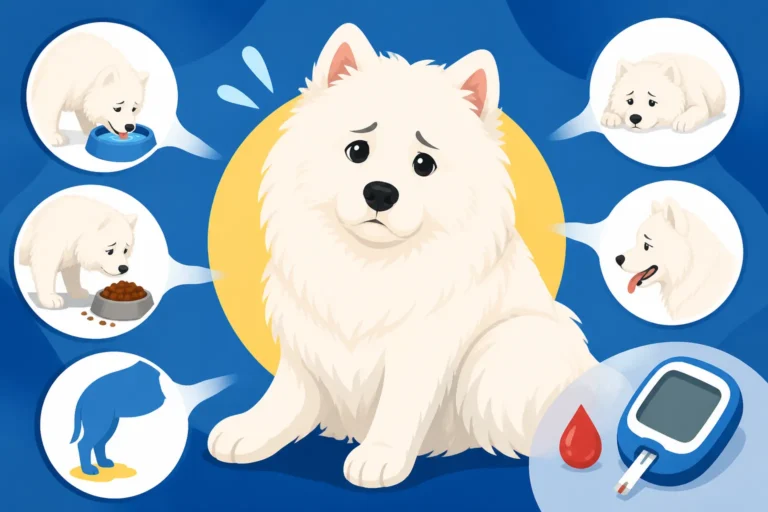
The hallmark signs of SARDS are acute blindness coupled with certain systemic symptoms. Owners often report a sudden onset of increased thirst and urination (polydipsia and polyuria), increased appetite (polyphagia), and sometimes weight gain, mirroring symptoms seen in Cushing's disease. However, the true culprit is the retina rapidly degenerating. A veterinary ophthalmologist can diagnose SARDS through a specialized test called an electroretinogram (ERG), which measures the electrical activity of the retinal cells. In SARDS, the ERG will show no electrical activity, indicating the retina is non-functional. There is currently no effective treatment to restore vision for SARDS, meaning affected dogs will remain blind.
Optic Nerve Anomalies and Their Impact
The optic nerve is the critical cable that transmits the visual signals from the retina to the brain. If there's an issue with this connection, even if the retina itself is healthy, vision will be impaired. Several anomalies can affect the optic nerve, some of which can be seen in Samoyeds, though they are generally less common than retinal degenerations. These conditions are typically congenital, meaning the puppy is born with them.
One such anomaly is optic nerve hypoplasia, where the optic nerve is underdeveloped. Depending on the severity and whether one or both eyes are affected, this can lead to partial or complete blindness from birth. Another related condition is an optic nerve coloboma, which is essentially a "pit" or malformation in the optic nerve head. Again, the visual impact depends on the size and location of the coloboma. Diagnosis typically involves a thorough ophthalmic exam where the ophthalmologist can visualize the back of the eye and assess the optic nerve head. While these conditions are rare, they are important to consider when a Samoyed puppy exhibits vision problems that don't fit the profile of PRA or retinal dysplasia. Unfortunately, like many developmental issues, there's no way to "fix" an underdeveloped or malformed optic nerve, so management focuses on supporting the visually impaired dog.
Essential Diagnostic Tools and Monitoring
When it comes to eye health in Samoyeds, hoping for the best isn't a strategy. Proactive screening and regular monitoring are absolutely critical, especially given the breed's predispositions to various retinal conditions. As owners, we want to catch any problems as early as possible, and as breeders, we have a responsibility to ensure the health of future generations. Thankfully, veterinary medicine offers several excellent tools to help us do just that.
The Importance of Regular Ophthalmic Examinations
One of the most powerful tools in our arsenal is the routine ophthalmic examination performed by a board-certified veterinary ophthalmologist. These aren't just your regular vet check-ups; these are highly specialized exams designed to thoroughly assess the health of your Samoyed's eyes, from the eyelids and tear ducts to the lens, vitreous, and most importantly, the retina. For breeding dogs, these examinations are often part of a certification program, such as the Orthopedic Foundation for Animals (OFA) Eye Certification Registry (CAER) exam. During this exam, the ophthalmologist will dilate your dog's pupils to get a clear view of the retina. They'll look for any signs of congenital abnormalities like retinal dysplasia, or early indicators of progressive diseases like PRA.
For a Samoyed puppy, having an eye exam done by a specialist is crucial, as some conditions are detectable in young pups. For adult Samoyeds, an annual eye exam is highly recommended, especially if they are part of a breeding program or have a family history of eye disease. These regular check-ups can catch subtle changes before they become debilitating, giving you more options and time to prepare. It's a proactive step that can save a lot of heartbreak down the line, and it's a testament to responsible dog ownership and breeding. You should always ask to see The Health Tests Both Samoyed Parents Should Have, and confirm Whether a Samoyed Should Have a Yearly Eye Exam.
| Condition | Type of Onset | Typical Age of Onset | Key Signs | Diagnostic Tool (Primary) | Genetic Test Available? |
|---|---|---|---|---|---|
| Progressive Retinal Atrophy | Gradual, Degenerative | 1.5 – 5 years (variable) | Night blindness, day blindness, dilated pupils | Ophthalmic exam, ERG | Yes (for specific types) |
| Retinal Dysplasia | Congenital | Birth / Early Puppyhood | Retinal folds, detachments, vision loss | Ophthalmic exam | Yes (for OSD-linked form) |
| Sudden Acquired Retinal Degeneration Syndrome (SARDS) | Sudden, Acquired | Middle to Older Age | Acute blindness, increased thirst/appetite | ERG, Ophthalmic exam | No |
| Optic Nerve Hypoplasia/Coloboma | Congenital | Birth / Early Puppyhood | Partial/complete blindness | Ophthalmic exam | No (mostly) |
Advanced Imaging and Genetic Testing
Beyond the physical examination, veterinary ophthalmology has advanced significantly, offering sophisticated tools for diagnosing retinal conditions. When a specific retinal disease is suspected, your ophthalmologist might recommend an electroretinogram (ERG). As mentioned with SARDS, an ERG is a non-invasive test that measures the electrical responses of the retina to light stimulation. It can definitively diagnose conditions like PRA and SARDS by showing the functional status of the retinal cells, even before visible changes are apparent during a routine exam. It's a gold standard for assessing retinal function.
For inherited conditions like PRA and OSD-linked retinal dysplasia, genetic testing is a game-changer. These DNA tests, which typically involve a simple cheek swab or blood sample, can identify if your Samoyed carries the specific mutations associated with these diseases. This is incredibly valuable for breeders to make informed decisions about breeding pairs, helping to reduce the incidence of these conditions in future generations. For pet owners, genetic testing can provide peace of mind or prepare them for potential future challenges. It’s always empowering to have as much information as possible about your dog’s genetic predispositions, allowing you to partner with your vet on a proactive care plan.
Life with a Visually Impaired Samoyed
Discovering that your Samoyed is losing its sight, or has already lost it, can be an incredibly tough pill to swallow. It's natural to feel grief, frustration, and worry for your beloved companion. However, it's vital to remember that blindness, while a significant challenge, doesn't mean the end of a happy, fulfilling life for your Samoyed. These resilient dogs, with their incredible senses and adaptability, can thrive with a little help and understanding from their human family.
Creating a Safe and Navigable Home Environment
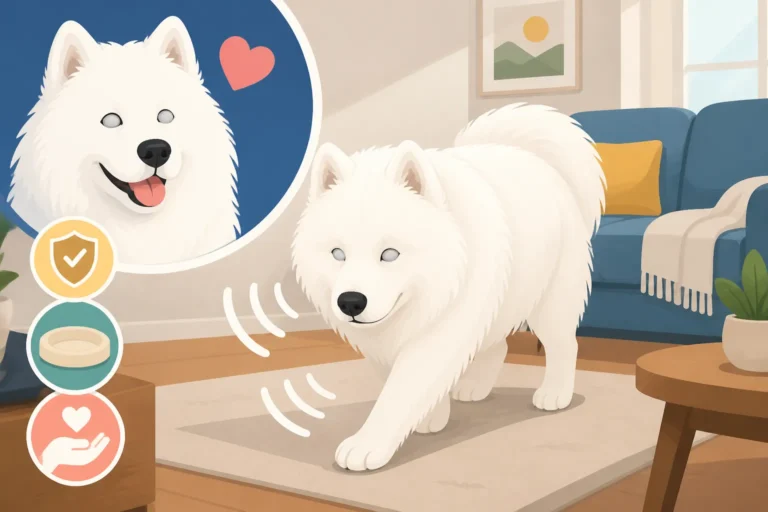
One of the first and most important steps is to make your home a safe and predictable haven for your visually impaired Samoyed. Think of it from their perspective: suddenly, familiar objects become hazards, and open spaces become confusing voids. The key is consistency. Avoid rearranging furniture or leaving clutter on the floor. If you must move something, guide your dog around the new obstruction several times until they learn its location. Using textured mats at the top and bottom of stairs, or even baby gates, can help mark dangerous areas.
Consider placing different scents at doorways or near key areas like their water bowl or bed to provide navigational cues. Many owners find that "scent trails" or even small, distinct rugs can help their blind dog orient themselves. Don't underestimate their other senses; they will rely heavily on their nose and ears. Keep food and water bowls in the same spot, and ensure their bed is easily accessible. If you have a multi-level home, consider blocking off stairs or supervising your Samoyed closely. The goal is to create an environment where they feel secure and can move around confidently without bumping into things or getting hurt. This will contribute significantly to Whether a Blind Samoyed Copes at Home.
Embracing a New Normal with a Blind Companion
Adjusting to life with a blind Samoyed is a learning curve for both of you, but it's a journey filled with incredible moments of connection and resilience. Your Samoyed will quickly learn to compensate for their lack of sight by sharpening their other senses. You'll likely notice their hearing becoming incredibly acute, and their sense of smell will guide them more than ever. Their joyful spirit, often fueled by their bond with you, will shine through.
When walking, keep them on a leash in unfamiliar areas, and use verbal cues like "step up," "watch out," or "stop" to guide them around obstacles. A harness can be very helpful for guiding and provides you with a better connection to them. Be mindful of sudden noises or movements that might startle them. Always approach them from the front, speaking to them softly before touching, so they know you’re there. Engage them with squeaky toys, scent games, and plenty of praise and physical affection. Many blind Samoyeds continue to enjoy walks, playtime, and all the things they loved before, just in a slightly different way. Patience, positive reinforcement, and a consistent routine will be your best friends. It’s truly amazing to see their resilience as you focus on Caring for a Samoyed Past Nine.
Finding Support and Resources
You don't have to navigate the challenges of a visually impaired Samoyed alone. There are numerous resources and support networks available to help you and your dog thrive. Connect with other owners of blind dogs – online forums, social media groups, and local dog clubs can be invaluable sources of practical advice, emotional support, and shared experiences. Organizations dedicated to blind dogs often provide guides on home adaptation, training tips, and product recommendations like "halo" collars that protect a blind dog's head from bumping.
Your veterinary ophthalmologist and primary care veterinarian will also be crucial members of your support team, offering medical advice and ongoing care. Don't hesitate to ask them questions, no matter how small they seem. Pet insurance providers, like Healthy Paws, can sometimes offer financial relief for ongoing care, diagnostics, or specialized equipment, especially if the condition wasn't pre-existing before you enrolled. Remember, seeking support is a sign of strength, and it ultimately benefits your Samoyed by giving you the knowledge and encouragement you need to be the best possible advocate for them.
Proactive Steps for Samoyed Owners and Breeders
Preventative measures are truly worth a pound of cure, especially when it comes to inherited health conditions like retinal diseases in Samoyeds. As a responsible owner or a dedicated breeder, you have the power to make a significant difference in the health and well-being of individual dogs and the breed as a whole. Being proactive isn't just about reacting to problems; it's about anticipating them and working diligently to minimize their impact.
Prioritizing Comprehensive Health Screening
For anyone involved with Samoyeds, from prospective puppy buyers to seasoned breeders, the importance of comprehensive health screening cannot be overstated. This means going beyond basic veterinary check-ups and delving into the specific health concerns known to affect the breed. For eye health, this includes regular eye examinations by a board-certified veterinary ophthalmologist, ideally annually for breeding animals, and periodically for all Samoyeds, especially as they age. These exams are crucial for detecting subtle changes that even the most observant owner might miss.
Furthermore, genetic testing plays a pivotal role. DNA tests for conditions like PRA and OSD-linked retinal dysplasia are available and should be utilized for all breeding Samoyeds. This allows breeders to make informed decisions to avoid passing on deleterious genes. When you're looking for a puppy, always ask to see the health certifications for both parents, including OFA Eye (CAER) exams and genetic test results. A reputable breeder will be transparent and proud to share this information, and they will likely have a thorough understanding of their dogs' pedigrees and any potential health concerns. This comprehensive approach is foundational to producing healthy Samoyeds and giving puppies the best start in life. The COL4A5 Test Every Samoyed Buyer Should Ask About is another crucial genetic test that demonstrates a breeder's commitment to health.
Working with Reputable Breeders
Choosing a puppy from a reputable Samoyed breeder is perhaps the single most impactful proactive step an individual owner can take to minimize the risk of their dog developing inherited retinal diseases. A responsible breeder isn't just breeding for "looks" or "titles"; they are meticulously focused on health, temperament, and preserving the integrity of the breed. They invest significant time, effort, and money into health testing their breeding stock. This includes OFA Eye (CAER) certifications, genetic DNA tests for known conditions like PRA and OSD, and often other health clearances like hips, elbows, and thyroid.
These breeders understand the genetic history of their lines, know how to interpret test results, and make careful breeding decisions to produce healthy puppies. They won't breed dogs that carry two copies of a recessive disease gene, nor will they pair two carriers if there's a test available to prevent affected offspring. They'll be open and honest about potential health concerns, happy to answer all your questions, and often provide a health guarantee. They will also be a valuable resource for you throughout your dog's life. Avoiding "backyard breeders" or puppy mills that cut corners on health testing is essential, as these sources are far more likely to produce puppies with hidden genetic health issues that will only surface later, causing immense financial and emotional strain.
Long-term Monitoring and Care
Even with all the preventative measures and careful breeding, health issues can sometimes arise. That's why long-term monitoring and a commitment to ongoing care are essential throughout your Samoyed's life. This means maintaining regular veterinary check-ups, including those yearly eye exams, even if your dog seems perfectly healthy. Early detection of any issue, whether it's a retinal problem or something else, often leads to better outcomes and more manageable interventions.
Be vigilant about observing your Samoyed for any subtle changes in behavior or physical condition. Are they bumping into things more? Hesitant in new environments? Are their eyes appearing cloudy or different? Any such observations warrant a call to your vet. Maintaining a healthy weight for your Samoyed through proper nutrition and exercise also contributes to overall health, including ocular health. If your Samoyed does develop an eye condition, follow your vet's recommendations diligently. This might involve medications, specialized diets, or adapting your home environment. Pet insurance, such as a plan from Healthy Paws, can be a lifesaver in these situations, helping to cover the costs of diagnostics, specialist visits, and long-term care, providing a crucial safety net for unexpected health challenges. Your commitment to their care, through every stage of their life, ensures they live as happily and comfortably as possible.
Disclaimer
Please remember that the information provided in this guide is intended for educational purposes only and should not be considered a substitute for professional veterinary advice. Always consult with a qualified veterinarian or veterinary ophthalmologist for any health concerns or before making any decisions related to your Samoyed's health and care.