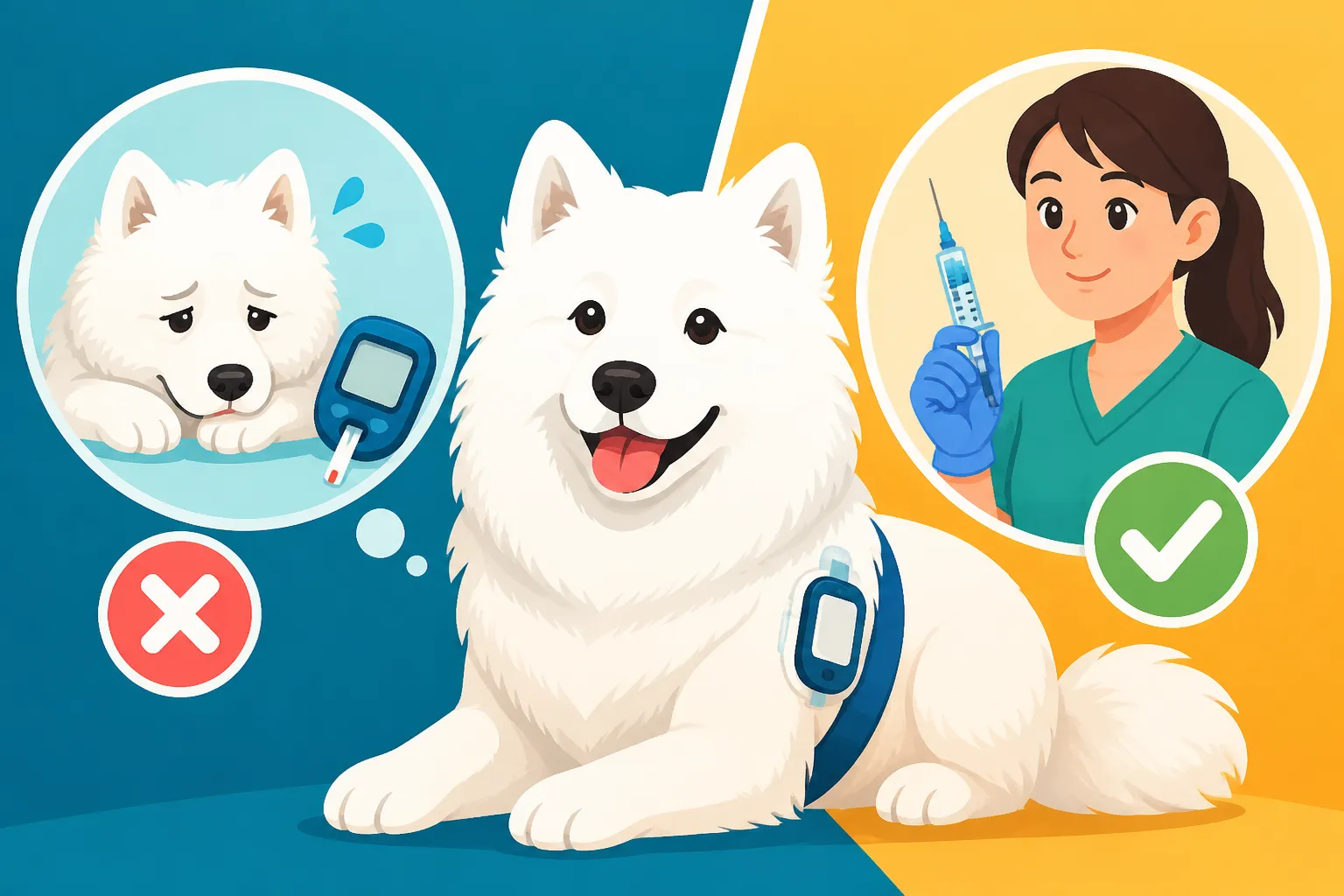
Whether a Diabetic Samoyed Needs a Sitter Who Can Inject
Leaving your precious Samoyed, especially one with a health condition like diabetes, can fill you with a unique kind of dread. The thought of entrusting their daily insulin injections to someone else is enough to make many of us cancel vacation plans or even consider drastic alternatives. This guide will walk you through the realities of finding a suitable caregiver for your diabetic Samoyed, exploring your options, and helping you prepare for a smooth, worry-free absence.
Understanding the Stakes of Diabetic Care
When you have a Samoyed with diabetes, it's not just about managing blood sugar; it's about a delicate balance that affects their entire well-being. Missed or incorrectly administered insulin doses can have serious, even life-threatening, consequences. This isn't just a casual "feed the dog" task; it's a medical responsibility that demands precision and vigilance.
The Precision of Insulin Injections
Administering insulin is a precise art. It requires careful measurement, often with tiny syringes, and a gentle hand to ensure the injection is given subcutaneously (under the skin) without causing stress or discomfort to your Samoyed. You know your dog’s routine, their favorite spot for an injection, and how they react. A new person, even one with good intentions, might struggle with these nuances. The timing, too, is absolutely critical. Insulin is typically given shortly after meals to coincide with the rise in blood glucose. Deviating from this schedule can lead to dangerous fluctuations, either too high (hyperglycemia) or too low (hypoglycemia). If you're interested in understanding the daily routine, our article on Managing a Diabetic Samoyed covers this in detail.
Recognizing and Responding to Hypoglycemia
The biggest fear for any owner of a diabetic dog, and for anyone caring for one, is hypoglycemia, or dangerously low blood sugar. This can happen if too much insulin is given, or if the dog doesn't eat enough after an injection, or if they get an unexpected burst of exercise. Signs can include weakness, disorientation, stumbling, trembling, seizures, and even unconsciousness. A sitter needs to be not just aware of these signs but also trained on immediate first aid, such as offering a sugary syrup or honey on the gums, and knowing when to rush your Samoyed to an emergency vet. This isn't something you can just hope they'll figure out; it requires explicit instruction and preparedness. Our guide on Signs a Samoyed Has Become Diabetic also touches upon general symptoms that can sometimes be confused with hypoglycemic episodes if not understood correctly.
Finding a Qualified Caregiver
So, who can you trust with such a vital task? It's not always easy, but there are options, and each comes with its own set of considerations. The key is thorough vetting and clear communication.
Professional Pet Sitters and Veterinary Technicians
When it comes to medical care, a professional pet sitter who specializes in special needs animals or, even better, a certified veterinary technician, is often the gold standard. These individuals typically have formal training in animal care and experience with administering medications, including injections. They understand sterile techniques, proper disposal of needles, and the importance of adhering to a strict schedule. They might also be more comfortable with monitoring your Samoyed for subtle changes in appetite, energy levels, or water intake, which are crucial indicators in managing diabetes. While they might cost more, the peace of mind they offer is often invaluable. You might also find that some pet sitters have relationships with local vets, which can be beneficial in an emergency.
Family, Friends, and Trusted Neighbors
For many of us, family or close friends are the first choice. They love your Samoyed, and you trust them implicitly. However, while their heart is in the right place, they might not have the medical experience needed for insulin injections. This doesn't mean they're out of the running, but it does mean a significant investment of your time in training. You'll need to demonstrate the injection process multiple times, observe them practicing with saline, and ensure they are genuinely comfortable and confident. Moreover, they need to understand the critical timing of meals and injections, especially if your Samoyed is on a specific diet from brands like Chewy or Ollie that might have particular feeding instructions. Never assume; always verify their comfort level and understanding.
Boarding at a Veterinary Clinic
Sometimes, the best solution for a diabetic Samoyed is boarding them directly at a veterinary clinic or a facility with 24/7 veterinary staff on site. This option provides constant professional oversight, and the staff are already trained in administering medications and handling medical emergencies. It might not offer the home comforts of a pet sitter, but for complex medical cases like diabetes, the medical security can be unparalleled. This can be especially important if your Samoyed's diabetes is newly diagnosed or if they have other compounding health issues. Remember to ask about their specific protocols for diabetic animals, including how often blood glucose is checked, what happens in an emergency, and what the What a Glucose Curve Involves for a Samoyed might look like if they were to perform one during your absence.
| Caregiver Type | Pros | Cons | Ideal For |
|---|---|---|---|
| Professional Pet Sitter | Experienced with animals, comes to your home, often familiar with medication. | Can be expensive, availability varies, may not have veterinary training. | Well-managed diabetic Samoyeds needing in-home comfort. |
| Vet Technician (Private) | High medical expertise, understands emergencies, precise with injections. | Higher cost, limited availability, typically only offers visits, not overnight stays. | Samoyeds needing advanced medical care or strict monitoring. |
| Family/Friend/Neighbor | Trusted relationship, familiar with your Samoyed, often free or low cost. | Requires extensive training by you, may lack medical confidence or experience, potential for error. | Stable diabetic Samoyeds with patient, well-trained caregivers. |
| Veterinary Clinic Boarding | 24/7 medical supervision, trained staff, immediate emergency care. | Less personalized environment, higher cost, potential for stress in some dogs. | Newly diagnosed or unstable diabetic Samoyeds, owners needing maximum peace of mind. |
Training Your Chosen Sitter
Even with an experienced sitter, thorough training is non-negotiable. You can't just hand over a syringe and a bottle of insulin and hope for the best. Preparation is everything.
Step-by-Step Injection Demonstration
You need to walk your sitter through the injection process, step by step, multiple times. Show them how to draw up the correct dose, how to handle the syringe, where to find the "tent" of skin for injection, and how to gently administer the insulin. Let them watch you do it, then guide their hand, and finally, let them try it with saline while you supervise. This practical, hands-on training builds confidence and reduces the likelihood of errors. It's also a good idea to create a short video of you performing the injection for them to refer to if they feel unsure later. Discuss the importance of rotating injection sites to prevent discomfort or scar tissue buildup.
Comprehensive Written Instructions and Emergency Plan
Beyond the practical demonstration, a detailed written plan is absolutely essential. This document should include:
- Your Samoyed's feeding schedule and exact portion sizes. Many owners rely on consistent diets, perhaps ordered through platforms like Chewy for convenience, or specific fresh food plans like those offered by Ollie, and these need to be maintained precisely.
- The exact insulin dosage and injection times.
- Clear instructions on how to store the insulin and dispose of used What Syringes and Supplies Cost a Samoyed Owner.
- A list of emergency contacts, including your veterinarian, an emergency vet clinic, and yourself (and a backup person).
- Detailed instructions on recognizing hypoglycemia and the immediate steps to take (e.g., administering a sugar source).
- Information on what symptoms warrant an immediate vet visit.
- A copy of your Samoyed's veterinary records, especially those pertaining to their diabetes diagnosis and current treatment plan.
- Your pet insurance information (like Healthy Paws) in case of an emergency vet visit.
This written plan acts as a safety net and a constant reference point, minimizing guesswork and potential mistakes.
Practice Runs and Role-Playing Scenarios
Before you leave, do a few "dry runs" where your sitter follows the full daily routine – feeding, injecting, and monitoring – while you are still present but acting as if you're not. This allows them to get comfortable with the rhythm and gives you an opportunity to correct any misunderstandings. You could even role-play potential scenarios: "What would you do if Sammy didn't eat all his breakfast?" or "What if he seems lethargic after his shot?" This kind of preparation is invaluable and helps the sitter feel empowered and ready, rather than overwhelmed.
Ensuring a Smooth Transition
Even with the best sitter and thorough training, a smooth transition depends on meticulous planning and setting everyone up for success.
Providing All Necessary Supplies
Make sure your sitter has everything they need, well stocked, and easily accessible. This includes:
- Plenty of insulin (check expiration dates!)
- Enough syringes
- Sharps container for safe disposal
- Your Samoyed's regular food, perhaps from a subscription service like Chewy, measured out into daily portions to avoid confusion.
- A readily available glucose source (honey, Karo syrup) for hypoglycemia.
- A comfortable, quiet space for injections.
- Any other medications or supplements your Samoyed takes.
- A working thermometer and instructions on how to take your dog's temperature if needed.
Having everything clearly organized reduces stress for the sitter and ensures there are no last-minute scrambles for supplies. It also makes adherence to the routine, like a Whether a Samoyed Needs a Consistent Feeding Schedule, much easier.
Establishing Clear Communication Channels
Before you leave, agree on a communication plan. Will the sitter text you after each injection? Will they send daily updates with photos? How quickly do you expect to be informed of any concerns or changes in your Samoyed's behavior? Establishing these expectations upfront prevents anxiety on both sides. Provide multiple ways to reach you, and ensure you'll have reliable cell service and internet access during your trip. Knowing that your sitter will be proactive in reaching out with updates can make all the difference in your peace of mind.
Consider a Trial Run or Short Stay
If this is the first time your Samoyed will be cared for by this sitter, especially for injections, consider a trial run. This could be a single day where the sitter manages a full cycle of feeding and injections, or even an overnight stay. This allows both your Samoyed and the sitter to get accustomed to the routine without the added pressure of your extended absence. It’s also a great way to iron out any unforeseen kinks in the plan and build confidence for everyone involved. Sometimes, it takes a couple of tries to get the rhythm right, and it's far better to discover that while you're still home.
Alternatives and Considerations for Your Samoyed
While a sitter who can inject is ideal, sometimes that's not feasible. It's important to consider all aspects of your Samoyed's health and happiness.
The Trade-Offs of Different Care Options
Every care option has trade-offs. A professional sitter coming to your home provides familiar surroundings, which can reduce stress for your Samoyed, but requires impeccable training on their part. Boarding at a vet clinic offers medical security but can be a more stressful environment for some dogs. Leaving your Samoyed with a well-meaning but untrained friend might seem convenient, but the risk of error increases exponentially. You need to weigh these factors carefully, prioritizing your Samoyed's health and well-being above all else. For instance, the cost of boarding a diabetic Samoyed (Whether Boarding a Diabetic Samoyed Costs More) might be higher at a vet clinic, but it could be worth it for the peace of mind.
When a Sitter Cannot Administer Injections
If you simply cannot find a sitter comfortable with injections, or if your Samoyed is particularly difficult to inject, you might need to explore alternatives with your veterinarian. This could include discussing temporary changes to their insulin regimen, perhaps a different type of insulin that requires less frequent administration, or looking into a continuous glucose monitor (CGM) if that's an option for your Samoyed to provide better data for an untrained sitter to convey to a vet. However, these are medical decisions that must always be made in consultation with your vet. Never unilaterally change your Samoyed's diabetes management plan.
Ensuring Overall Well-being During Your Absence
Beyond the injections, consider your Samoyed's overall routine and emotional needs. Samoyeds thrive on companionship and routine. How Many Hours a Samoyed Can Be Left is generally not very long without human interaction. Will the sitter provide enough exercise, mental stimulation, and affection? Will they stick to the same walking schedule? Will they spend quality time with your Samoyed, or simply pop in for a few minutes to give the shot and food? A diabetic Samoyed, like any Samoyed, needs more than just physical care; they need emotional support to thrive. It's an important consideration, especially if your Samoyed is typically very bonded to you.
Ultimately, the decision of whether a diabetic Samoyed needs a sitter who can inject is a resounding "yes" if at all possible. The critical nature of insulin administration and blood sugar management means that qualified, confident, and well-trained care is paramount. Your Samoyed's health depends on it, and your peace of mind certainly does too.
Disclaimer
This article is for general informational purposes only and does not constitute professional advice. Laws, prices and regulations vary by location and change over time. Consult a qualified professional for guidance on your specific situation.