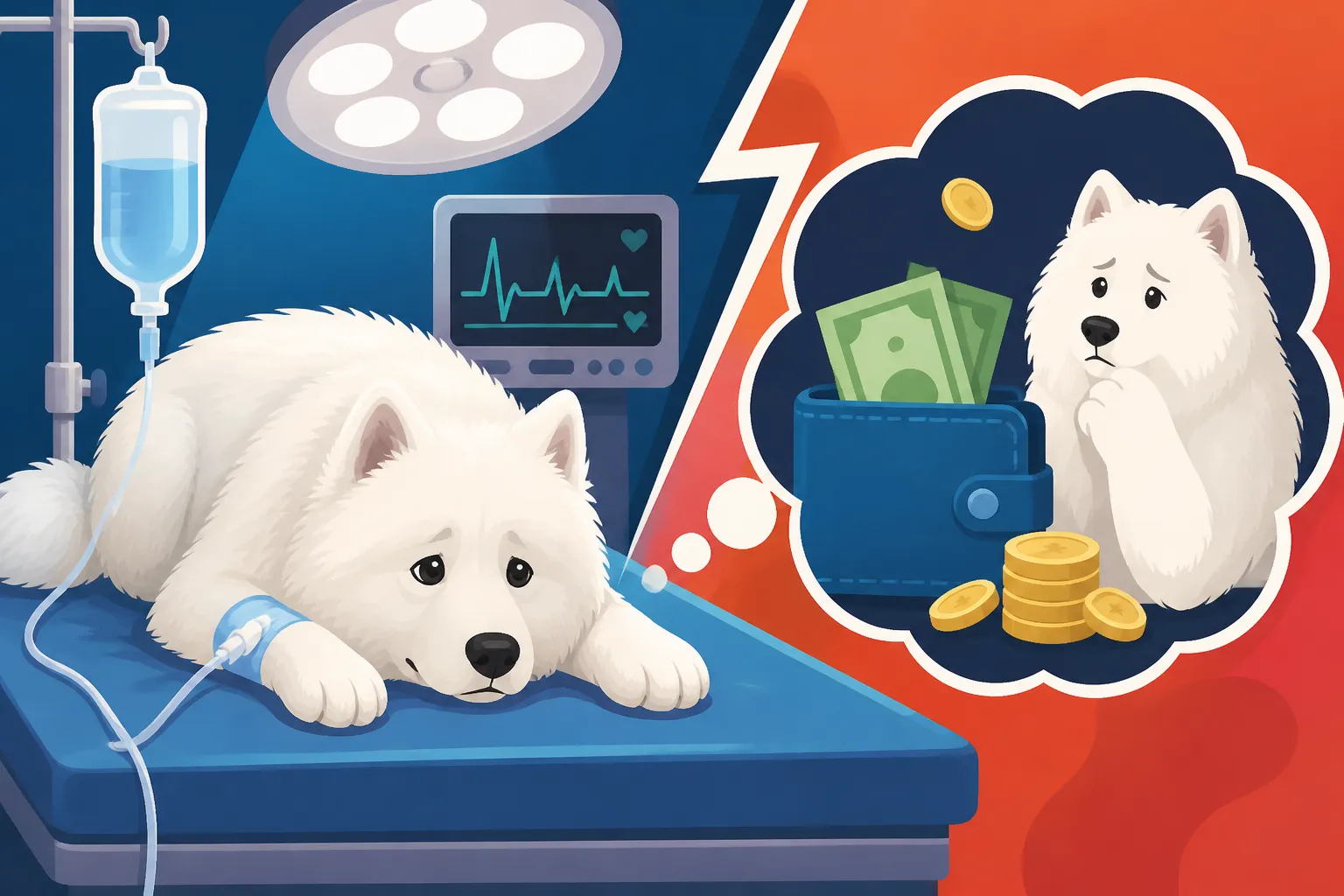
What an Emergency Visit for Samoyed Ketoacidosis Costs
There's nothing quite as terrifying for a Samoyed owner as seeing your normally vibrant, smiling companion suddenly become lethargic, weak, and barely responsive. That gut-wrenching fear of a medical emergency, especially when you suspect something is seriously wrong, is a feeling many of us have faced. This guide will walk you through what to expect, particularly regarding the financial aspects, if your beloved Samoyed ever needs an emergency vet visit for diabetic ketoacidosis (DKA).
Understanding Diabetic Ketoacidosis in Samoyeds
When we talk about DKA, we're discussing a very serious, life-threatening complication of diabetes mellitus. It's not just "high blood sugar"; it's a systemic crisis that happens when the body, starved for glucose (its primary fuel) due to insufficient insulin, starts breaking down fat at an uncontrolled rate. This process produces ketones, which are acidic, leading to a dangerous drop in the body's pH. It's an emergency that demands immediate veterinary intervention.
What is DKA and Why It's an Emergency
Imagine your Samoyed's body as a complex engine. Normally, insulin acts like a key, unlocking cells to allow glucose from food to enter and provide energy. In a diabetic Samoyed, either their pancreas isn't producing enough insulin (Type I, which is common in dogs) or their body isn't responding to it properly. When cells can't get glucose, the body thinks it's starving and switches to burning fat for fuel. This rapid fat breakdown creates ketone bodies, which are toxic and make the blood acidic.
This acidic state, known as acidosis, is incredibly damaging to organs, especially the kidneys, heart, and brain. It causes severe dehydration, electrolyte imbalances (like dangerously low potassium), and can quickly lead to shock, organ failure, and even death if not treated immediately. It’s a full-blown metabolic crisis, and unlike a simple high blood sugar reading, DKA is a critical situation that cannot wait. A Samoyed, known for their stoic nature and ability to mask discomfort, might hide the early signs until DKA is quite advanced, making swift recognition even more vital. You might also want to read Diabetes Mellitus in a Samoyed to understand the underlying condition.
Signs Your Samoyed Might Be in DKA
Recognizing the signs of DKA in your Samoyed is crucial because every minute counts. While some symptoms overlap with regular diabetes, DKA signs are far more severe and indicative of an emergency. Look for a combination of these:
- Profound Lethargy and Weakness: Your normally energetic Samoyed will be unusually tired, unwilling to move, and might seem weak or unsteady. This isn't just a "lazy day"; it's extreme exhaustion.
- Persistent Vomiting: This is a key indicator. Diabetic dogs can sometimes vomit, but persistent, repeated vomiting in a dog with known or suspected diabetes is a major red flag for DKA.
- Loss of Appetite (Anorexia): A Samoyed that suddenly refuses to eat anything, even their favorite treats, especially when combined with other symptoms, is concerning.
- Increased Thirst and Urination (Polydipsia/Polyuria): While typical of diabetes, these symptoms become even more exaggerated in DKA as the body tries to flush out excess glucose and ketones. You might notice them drinking constantly, far more than usual, and having accidents inside.
- Fruity or Acetone Breath: This is a distinct smell, often described as like nail polish remover, coming from your Samoyed's breath. It's caused by the ketones building up in their system. Don't confuse it with regular "dog breath" – it's quite specific.
- Abdominal Pain: Your Samoyed might be reluctant to be touched around their belly, or even guard it. This pain can be subtle or overt.
- Dehydration: Gums might feel tacky or dry, and when you gently pinch the skin on their neck or back, it might be slow to snap back into place.
- Collapse or Seizures: In advanced stages, or if electrolyte imbalances become severe, your Samoyed could collapse or even have seizures.
If you observe any of these symptoms, especially multiple ones, drop everything and head to the emergency veterinary clinic immediately. Do not wait for your regular vet to open.
The Immediate Costs of an Emergency Vet Visit
When you rush your Samoyed to an emergency clinic for suspected DKA, you're not just paying for a quick check-up. You're paying for immediate, life-saving intervention by a team of highly skilled professionals, often outside of regular business hours. The costs start piling up from the moment you walk through the door, reflecting the intensity of care required.
The Emergency Exam and Initial Stabilization
The first thing that happens at the emergency vet is a rapid triage and emergency examination. This initial assessment determines the severity of your Samoyed's condition and guides immediate actions. The emergency exam fee itself will likely be higher than a regular vet visit, reflecting the specialized staff and equipment available 24/7.
Following the exam, the focus shifts to stabilization. This is where critical care begins. Your Samoyed will likely need:
- Intravenous (IV) Catheter Placement: Essential for administering fluids, insulin, and other medications directly into the bloodstream. This is a quick procedure, but it's the gateway to most DKA treatments.
- IV Fluid Therapy: One of the most critical initial steps is aggressive fluid therapy to correct severe dehydration, flush out ketones, and begin addressing electrolyte imbalances. This often involves large volumes of specialized electrolyte-balanced fluids given over many hours, or even days.
- Initial Insulin Dose: A very small, carefully calculated dose of fast-acting insulin might be given to start slowly lowering blood glucose and halting ketone production, but this is done cautiously to avoid rapid shifts.
These immediate steps are labor-intensive and require constant monitoring. The cost reflects not only the supplies but the skilled personnel performing these critical interventions under pressure.
Diagnostic Tests for DKA
Diagnosing DKA isn't just about a quick glance; it requires a battery of diagnostic tests to confirm the condition, assess its severity, and identify any underlying causes or complications. These tests are essential for guiding effective treatment and monitoring your Samoyed's response.
Here's a breakdown of common diagnostic tests and why they're needed:
- Blood Glucose (Blood Sugar) Measurement: This is usually the first test. While high blood sugar is a hallmark of diabetes, it needs to be very high for DKA.
- Blood Ketone Test: This confirms the presence of ketones in the blood, which is definitive for DKA. This can be done with a special meter or laboratory test.
- Complete Blood Count (CBC): This blood test evaluates red blood cells, white blood cells, and platelets. It can reveal infection (which can trigger DKA), anemia, or other systemic issues.
- Chemistry Panel: This comprehensive blood test assesses organ function (kidneys, liver, pancreas), protein levels, and crucial electrolytes like potassium, sodium, and phosphorus. Electrolyte imbalances are particularly dangerous in DKA and must be corrected. You might want to get yearly bloodwork on your Samoyed anyway; check out Whether a Samoyed Needs Yearly Kidney Bloodwork.
- Urinalysis and Urine Ketone Test: A urine sample helps assess kidney function, glucose presence in urine, and confirms ketones. A urine culture might also be run if a urinary tract infection (common in diabetic dogs) is suspected.
- Blood Gas Analysis: This advanced test measures the acidity (pH) of the blood and oxygen/carbon dioxide levels. It's crucial for understanding the severity of acidosis and guiding treatment.
- Abdominal Radiographs (X-rays) or Ultrasound: If there's suspicion of an underlying infection (like pancreatitis, which can precede diabetes in Samoyeds, or a foreign body causing vomiting), imaging might be performed. These can help rule out other concurrent issues.
Each of these tests carries its own cost, and they are typically performed multiple times throughout hospitalization to monitor progress.
Hospitalization and Ongoing Treatment Costs
Once diagnosed with DKA, your Samoyed will require intensive hospitalization, often for several days. This isn't just a place to rest; it's a constant battle to rebalance their body's chemistry and stabilize vital functions. The daily costs of this specialized care are significant, reflecting the constant attention and sophisticated medical interventions involved.
Intensive Care Unit ICU Stay and Monitoring
A Samoyed with DKA will almost certainly be admitted to the Intensive Care Unit (ICU). This isn't your average kennel stay. In the ICU, your dog receives round-the-clock monitoring by a dedicated team of veterinary professionals. This means:
- Continuous IV Fluid Administration: Your Samoyed will be on IV fluids for a prolonged period, often through an IV pump that precisely controls the rate and volume. The type of fluid might even change as their electrolyte levels are corrected.
- Frequent Bloodwork: Blood will be drawn every few hours, sometimes hourly, to monitor blood glucose, ketones, and especially electrolyte levels (like potassium, which can drop dangerously low during DKA treatment). Adjustments to IV fluids and insulin are made based on these real-time results.
- Insulin Drip: Instead of intermittent injections, DKA often requires a continuous rate infusion (CRI) of insulin delivered via an IV pump. This allows for extremely precise and gradual control of blood sugar and ketone production.
- Vital Sign Monitoring: Heart rate, respiratory rate, temperature, blood pressure, and oxygen saturation are constantly monitored to detect any deterioration.
- Pain Management and Comfort Care: Even though DKA is primarily a metabolic issue, supportive care includes managing any pain or discomfort, keeping your Samoyed clean, and encouraging them to eat when possible.
All of this intensive care requires a high staff-to-patient ratio, specialized equipment, and constant vigilance, contributing significantly to the daily hospitalization fees.
Medications and Supportive Care
Beyond the basic ICU stay, a Samoyed recovering from DKA will need a range of medications and supportive therapies tailored to their specific needs.
These often include:
- Insulin: As mentioned, a continuous insulin infusion is common, but once stable, the switch to regular insulin injections will be managed.
- Electrolyte Supplements: Potassium, phosphorus, and other electrolytes will be supplemented via IV fluids or orally, depending on the severity of the deficiency. This is critical to prevent heart arrhythmias and other complications.
- Anti-Nausea Medications: To combat the severe nausea and vomiting associated with DKA, various anti-emetic drugs will be administered.
- Antibiotics: If an underlying infection (like a urinary tract infection or pancreatitis) is suspected or confirmed, broad-spectrum antibiotics will be used to treat it.
- Gastroprotectants: Medications to protect the stomach lining might be given, especially if vomiting has been severe or there's concern for ulcers.
- Nutritional Support: Once your Samoyed is able to tolerate food, a special diet will be introduced. This often starts with small, frequent meals of a prescription veterinary diet, designed to help manage blood sugar levels. Brands like Ollie or prescription diets available through Chewy might be discussed for long-term management, but initially, it's often a specialized vet-prescribed formula.
- Warming Measures: DKA can sometimes lead to hypothermia, so warming blankets or circulating water pads might be used to maintain body temperature.
Each medication, fluid bag, and piece of medical equipment adds to the overall cost, reflecting the complex and multifaceted nature of DKA treatment.
Potential Complications and Extended Stays
Unfortunately, DKA is a tricky condition, and complications can arise, which can extend your Samoyed's stay and significantly increase the total bill. These complications can include:
- Cerebral Edema: A rare but devastating complication where rapid changes in blood glucose or electrolytes cause swelling in the brain.
- Persistent Electrolyte Imbalances: Even with careful monitoring, some Samoyeds struggle to stabilize their electrolytes, requiring prolonged IV supplementation.
- Pancreatitis: This inflammatory condition of the pancreas can both trigger and complicate DKA, requiring additional treatment for pain, nausea, and inflammation. You might find Whether Pancreatitis Precedes Samoyed Diabetes helpful for understanding this link.
- Kidney Failure: While DKA itself can impair kidney function, existing kidney issues can be exacerbated, or new problems can arise, requiring more intensive monitoring and potentially further therapies.
- Secondary Infections: Hospitalized animals are always at risk of hospital-acquired infections, which would require additional diagnostics and antibiotics.
Each complication means more tests, more medications, more monitoring, and ultimately, more time in the ICU. It’s why the cost estimates for DKA can be so broad – the trajectory of recovery isn't always linear.
Post-Emergency Care and Long-Term Management
Getting your Samoyed through the immediate DKA crisis is a monumental achievement, but the journey doesn't end there. DKA is almost always a sign of underlying diabetes, which is a lifelong condition requiring diligent management. The costs shift from emergency intervention to ongoing, consistent care to prevent recurrence and ensure your Samoyed lives a happy, healthy life.
Follow-Up Vet Visits and Monitoring
Once your Samoyed is discharged from the emergency clinic, a critical phase of follow-up care begins with your regular veterinarian. This typically involves:
- Frequent Recheck Appointments: You'll likely have appointments every few days initially, then weekly, and eventually monthly, to fine-tune insulin dosages and monitor overall health.
- Glucose Curves: This involves taking multiple blood glucose readings throughout the day (either at home or at the clinic) to see how your Samoyed's blood sugar responds to insulin and food. This is vital for finding the correct insulin dose and schedule. What a Glucose Curve Involves for a Samoyed explains this process in more detail.
- Urine Monitoring: Your vet may recommend regular urine tests to check for glucose, ketones, and signs of urinary tract infections.
- Weight Checks: Keeping your Samoyed at a healthy weight is crucial for managing diabetes. Regular weigh-ins at the clinic will be part of the routine.
- Adjusting Insulin and Diet: Based on monitoring, your vet will make precise adjustments to your Samoyed's insulin type, dose, and feeding schedule to achieve optimal glucose control.
These follow-up visits, while not as expensive as the initial emergency, are frequent and essential, adding to the total cost of care.
Managing Diabetes Long-Term
Living with a diabetic Samoyed means committing to a structured daily routine and ongoing expenses for the rest of their life. This is where the long-term costs truly accumulate.
Key aspects of long-term diabetes management include:
- Insulin: This is the cornerstone of treatment and a continuous expense. You'll need to purchase insulin vials or pens regularly, often every few weeks to months, depending on the type and your Samoyed's dosage. The cost can vary significantly by insulin type and pharmacy. You might consider checking options available through reputable online pet pharmacies, which can sometimes be more cost-effective. What Insulin Costs for a Diabetic Samoyed delves deeper into these recurring expenses.
- Syringes or Insulin Pens: You'll need a steady supply of appropriate insulin syringes or pen needles, which are single-use items.
- Prescription Diet: Most diabetic Samoyeds benefit greatly from a veterinarian-prescribed diet formulated to help stabilize blood glucose. These diets are typically higher in fiber and have controlled carbohydrate levels. Brands available on platforms like Chewy or specialty fresh food services like Ollie (if vet-approved for diabetes) may offer options, but always discuss with your vet. This food often costs more than regular commercial kibble.
- Blood Glucose Monitoring Supplies: If you monitor at home, you'll need a glucometer, test strips, and lancets. Some owners opt for continuous glucose monitors (CGMs), which are convenient but have their own costs for the device and sensors.
- Regular Veterinary Check-ups and Lab Work: Even when stable, your Samoyed will need at least semi-annual or annual vet visits for general health checks and repeat bloodwork to monitor kidney function, liver health, and overall diabetes control.
- Potential for Other Health Issues: Diabetic dogs can be prone to other complications over time, such as cataracts (which can lead to blindness), urinary tract infections, and nerve damage. These secondary issues would incur their own treatment costs.
Long-term management is a commitment, both in time and finances, but it allows your Samoyed to live a full and happy life despite their diagnosis.
Budgeting for Emergencies and Pet Insurance
Facing an emergency like DKA with your Samoyed can be financially devastating if you're unprepared. It’s one of those moments that highlights the importance of proactive financial planning for pet ownership. Having a strategy in place can turn a terrifying crisis into a manageable challenge.
The Importance of an Emergency Fund
One of the most practical steps any pet owner can take is to build a dedicated emergency fund. This isn't just a general savings account; it's money specifically set aside for unexpected veterinary emergencies, major illnesses, or accidents.
Think of it this way: a DKA emergency can easily run into several thousands of dollars, encompassing the initial stabilization, diagnostics, multiple days of intensive care, and subsequent follow-up. Trying to come up with that kind of money on short notice, especially when you're emotionally distraught over your sick Samoyed, is incredibly stressful.
- Start Small, Be Consistent: Even setting aside $25-$50 a month can build up a significant fund over time.
- Dedicated Account: Keep this money in a separate savings account so you're not tempted to dip into it for other expenses.
- Research Average Costs: Familiarize yourself with the potential costs of common emergencies or chronic illnesses for Samoyeds. This helps you set a realistic savings goal.
- Consider Alternatives: If saving a large sum isn't immediately feasible, research options like veterinary payment plans, credit cards specifically for pet care (like CareCredit), or local animal welfare organizations that offer financial assistance. However, remember these often involve interest or eligibility requirements.
Having an emergency fund provides immense peace of mind and allows you to make medical decisions based on what's best for your Samoyed, rather than being solely driven by financial constraints.
How Pet Insurance Can Help
Pet insurance can be a literal lifesaver when facing a costly emergency like DKA. It acts as a financial safety net, helping to cover a significant portion of unexpected veterinary bills. However, there are crucial aspects to understand, especially concerning pre-existing conditions.
- Coverage for Accidents and Illnesses: Most comprehensive pet insurance policies will cover a large percentage (e.g., 70-90%) of the costs associated with accidents, new illnesses, surgeries, medications, and diagnostics. This includes conditions like DKA, as long as diabetes wasn't diagnosed before you enrolled your Samoyed or during the policy's waiting period.
- Importance of Early Enrollment: This is key. If your Samoyed is diagnosed with diabetes and subsequently DKA before you have insurance, or during the waiting period, it will almost certainly be considered a pre-existing condition and will not be covered. That's why it's always recommended to enroll your Samoyed when they are young and healthy.
- Understanding Your Policy: Read the fine print! Familiarize yourself with deductibles, reimbursement percentages, annual limits, and any exclusions. For example, some plans might not cover certain hereditary conditions or routine wellness care.
- Choosing a Provider: Companies like Healthy Paws are well-regarded for their comprehensive coverage and straightforward claims process. Research different providers, get quotes, and compare plans to find one that fits your budget and your Samoyed's potential needs.
- Claims Process: Typically, you pay the vet bill upfront, then submit a claim to your insurance provider for reimbursement. The turnaround time for reimbursement can vary.
While pet insurance is an ongoing monthly cost, it can drastically reduce the financial burden of a major emergency or chronic illness, allowing you to focus on your Samoyed's recovery without the added stress of overwhelming bills. For more on this, you might be interested in What Insuring a Samoyed With Two Known Diseases Costs or Whether Pet Insurance Covers Samoyed Insulin.
Table of Potential DKA Costs (Estimates Only)
Please note: These are estimates only and can vary wildly based on location, clinic (general vs. specialty/ER), severity of DKA, length of stay, and complications. Always check with your local veterinary clinics for their current fee structures.
| Service/Item | Initial Range (Low Severity, Short Stay) | Higher Range (Severe DKA, Complications, Longer Stay) |
|---|---|---|
| Emergency Exam & Triage | $150 – $300 | $200 – $450 |
| IV Catheter & Fluids (initial) | $200 – $400 | $350 – $600 |
| Diagnostic Bloodwork (initial panel) | $300 – $700 | $500 – $1,000+ |
| Urine Test & Ketone Measurement | $80 – $150 | $100 – $250 |
| Hospitalization (per 24 hrs, ICU) | $800 – $1,500 | $1,200 – $2,500+ |
| Insulin & Other Medications (daily) | $100 – $300 | $250 – $600+ |
| Repeat Bloodwork (daily) | $200 – $500 | $400 – $800+ |
| Imaging (X-rays/Ultrasound, if needed) | $300 – $800 | $500 – $1,200+ |
| TOTAL ESTIMATE (per day) | $1,830 – $4,100 | $3,600 – $7,400+ |
| TOTAL FOR 3-5 Day Stay (Estimate) | $5,490 – $20,500 | $10,800 – $37,000+ |
As you can see, the costs can escalate very quickly. These numbers represent the significant investment in saving a Samoyed battling DKA.
Disclaimer
This article is for general informational purposes only and does not constitute professional advice. Laws, prices and regulations vary by location and change over time. Consult a qualified professional for guidance on your specific situation.