How Many Hours a Samoyed Can Be Left
Leaving your beloved Samoyed home alone can feel like a huge dilemma, especially with their reputation for being so incredibly people-oriented and vocal. You're probably constantly worrying about their happiness, their potential for mischief like digging up the yard or redecorating the couch, and that unmistakable Samoyed 'scream' echoing through the neighborhood. This guide is here to help you understand your Samoyed's unique needs when it comes to alone time, offer realistic expectations, and provide practical strategies to ensure they are content, safe, and well-adjusted even when you're not right there.
Understanding Your Samoyed's Innate Need for Companionship
Samoyeds are truly special dogs, and understanding their historical role is key to comprehending their behavior today. These aren't just any dogs; they were bred for centuries by the Nenets people of Siberia to be integral members of the family unit. They weren't just sled dogs or reindeer herders; they were tent dogs, literally sleeping inside the tents with their human families. This deeply ingrained history means they thrive on close companionship and can really struggle with isolation.
The Samoyed's Instinctive Pack Mentality
Think about it: for generations, a Samoyed's survival and success were directly tied to their ability to work and live harmoniously within a human-canine pack. They slept beside people for warmth, assisted with herding, and even guarded the nomadic camps, though not in an aggressive way. This constant close contact meant they developed an incredibly strong bond with their humans. It's why they tend to follow you from room to room, even just to lie at your feet while you’re doing dishes. They genuinely want to be where you are, observing and participating. This isn't just "clinginess"; it's a fundamental part of their genetic makeup. When they are left alone for extended periods, it can go against this deep-seated need, triggering feelings of anxiety or boredom that manifest in ways we owners often find frustrating.
How Separation Manifests in a Samoyed
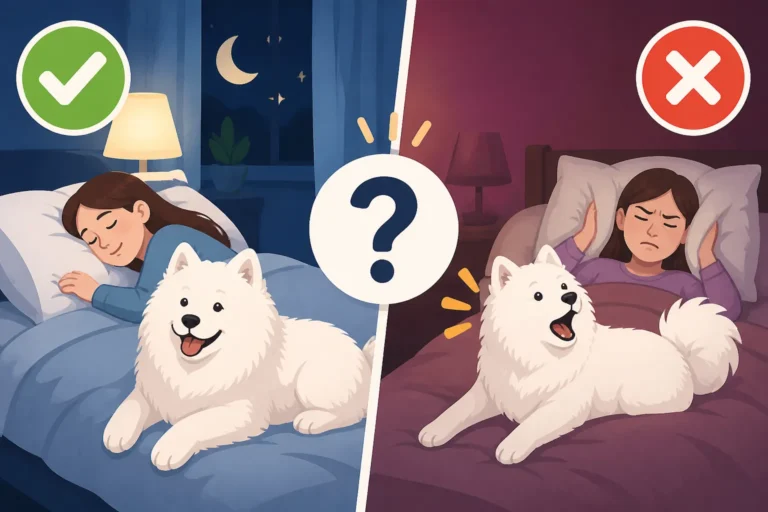
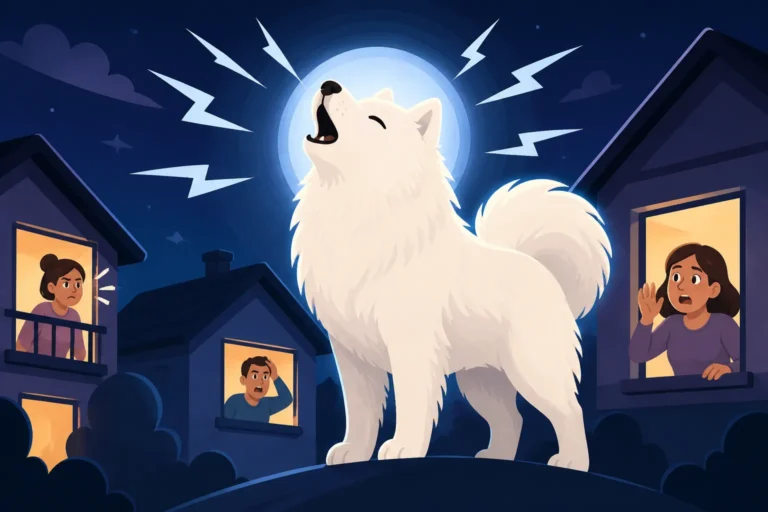
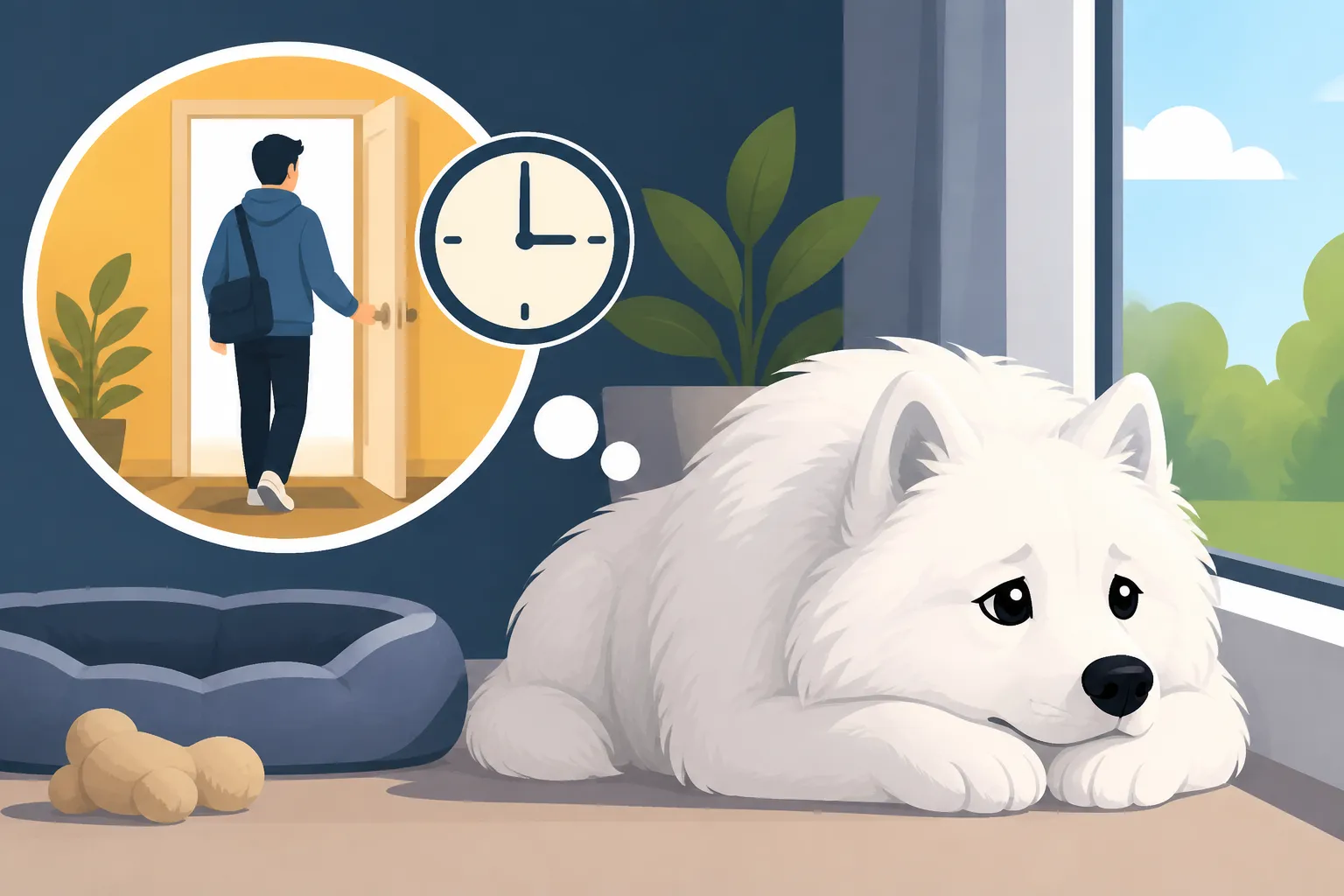
Because of this profound need for companionship, Samoyeds can express their distress or boredom in rather distinct ways when left alone. One of the most common and often exasperating manifestations is vocalization. They might not just bark; they're famous for their "Samoyed scream," a high-pitched, almost operatic wail that can carry quite far. This isn't usually an angry sound, but more a mournful, attention-seeking call. Beyond the noise, you might see destructive behaviors. A bored Samoyed might chew on furniture, doors, or anything they can get their teeth on. They might dig tirelessly at carpets or in the yard, not out of malice, but simply trying to find an outlet for their energy and mental stimulation. In more severe cases, true Separation Anxiety in a Samoyed can develop, leading to house-soiling, frantic attempts to escape (even through walls!), or excessive drooling. It's crucial to remember these aren't acts of spite; they're genuine signs of distress from a dog built for constant company.
Realistic Expectations for Your Samoyed's Alone Time
Knowing their background, it becomes clear that leaving a Samoyed alone for eight to ten hours a day, five days a week, is often an unreasonable expectation without significant training and management. While some individual Samoyeds might be more tolerant, the breed as a whole is not designed for prolonged solitude.
Puppyhood: The Critical Foundation
The early months of a Samoyed puppy's life are absolutely critical for teaching them how to cope with being alone. A young puppy, under six months old, simply cannot hold its bladder for more than a few hours, nor do they have the emotional maturity to understand why their entire world has suddenly disappeared. Expecting them to be alone for four hours is a stretch, let alone longer.
Here’s a general guideline for maximum alone time for puppies:
| Age of Puppy | Maximum Alone Time (Approx.) | Key Considerations |
|---|---|---|
| 8-10 weeks | 1-2 hours | Bladder control, high anxiety, needs frequent potty breaks |
| 10-12 weeks | 2-3 hours | Still developing bladder control, easily bored |
| 3-6 months | 3-4 hours | Can stretch to 4 if well-exercised and crated |
| 6-12 months | 4-6 hours | Bladder control improving, but mental stimulation is key |
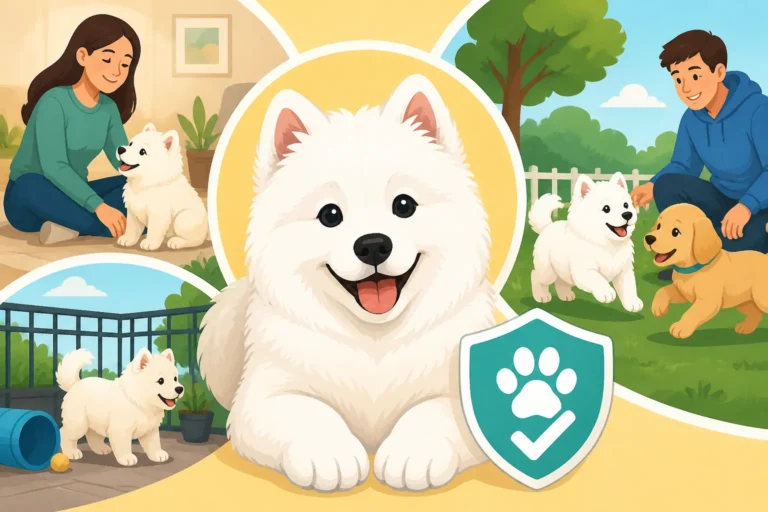
Beyond physical needs, this is when you're building their entire understanding of your household and their place in it. Leaving them alone for too long during this formative period can sow the seeds of separation anxiety and destructive habits that are much harder to break later on. A solid foundation in crate training, coupled with gradual desensitization to alone time, is essential. Whether a Samoyed Puppy Should Be Crated is an important consideration for many owners.
Adult Samoyeds: Finding the Balance
For a well-adjusted adult Samoyed, generally over 18 months old, a realistic maximum for alone time is usually 4-6 hours. Some exceptional individuals, with consistent training, ample exercise, and enriching environments, might tolerate up to 8 hours on occasion, but this should not be a daily routine. Pushing beyond this often leads to issues.
Consider a hypothetical scenario: you work a standard 9-to-5 job. That's eight hours right there. Add in commute time, and your Samoyed could easily be alone for 9-10 hours. For most Samoyeds, this is simply too much. They need a mid-day break, whether it's a professional dog walker, a family member checking in, or even doggy daycare. When people ask Whether a Samoyed Suits a Full Time Worker, this is the primary concern: the sheer volume of alone time. A tired Samoyed is a good Samoyed, but even a tired Samoyed needs company. Without proper outlets, the typical adult Samoyed might resort to howling the house down or meticulously dismantling your sofa, often leading to owners declaring What a Bored Samoyed Does to a House.
Strategies for Managing Your Samoyed's Alone Time
Since completely eliminating alone time isn't realistic for most families, the key is to manage it effectively. This involves a multi-pronged approach that addresses their physical, mental, and emotional needs.
Enrichment and Mental Stimulation
A Samoyed's mind is as active as their body, and ignoring one will inevitably impact the other. When you need to leave them alone, providing engaging mental stimulation can make a huge difference.
- Puzzle Toys: These are fantastic. Fill Kongs or other durable puzzle toys with frozen peanut butter, plain yogurt, or kibble. It takes them a good while to get all the goodies out, keeping their brain engaged and their mouth busy. You can find a wide variety of these on platforms like Amazon.
- Snuffle Mats: These mats have fabric strips where you can hide kibble or small treats, encouraging your Samoyed to use their nose and "hunt" for their food. It's a great way to tap into their natural foraging instincts.
- Chew Toys: Invest in durable, safe chew toys that your Samoyed loves. Not all chews are created equal, so observe what your dog prefers and what holds up best to their powerful jaws. This can redirect destructive chewing from your furniture to an appropriate item.
Remember, a tired mind is just as important as a tired body. Using these tools before you leave can help them settle more quickly.
Physical Exercise Before You Go
There's no substitute for good old-fashioned exercise. A Samoyed with pent-up energy is a Samoyed looking for trouble. Before you leave, dedicate time to a vigorous walk, a solid game of fetch, or even some Whether a Samoyed Can Earn a Sledding Title practice if that's your thing.
- Morning Ritual: Plan your mornings to include a substantial walk or play session. For a Samoyed, this means at least 45 minutes to an hour of active movement, not just a leisurely stroll. This is part of meeting their overall need for How Much Exercise a Samoyed Needs.
- Mental Engagement During Exercise: Incorporate training cues into your walk. Practice "leave it" with tempting smells, work on a solid "heel," or practice their recall in a safe, enclosed area. This blends physical exertion with mental focus.
The goal is for your Samoyed to be genuinely tired, not just "a little winded," when you walk out the door. A truly exhausted Samoyed is more likely to nap and relax than pace, fret, or start vocalizing The Samoyed Scream and Why It Is Not Barking.
Gradual Desensitization and Crate Training
If your Samoyed struggles with being alone, you need to build up their tolerance gradually. This process is called desensitization.
- Start Small: Begin by leaving them alone for very short periods – literally a few seconds. Step out of the room, then immediately return. Gradually increase the time.
- Practice Departure Cues: Pick up your keys, put on your coat – all the things you do before leaving. Do these actions, but then don't leave. This helps desensitize them to the triggers of your departure.
- Crate Training: A crate, when introduced properly, becomes a safe, den-like space for your Samoyed. It helps with house training and provides a secure spot when you're away. Never use the crate as punishment. Whether a Samoyed Puppy Should Be Crated is often debated, but for alone time management, it can be an invaluable tool. Make it a positive place with treats and comfortable bedding.
- Camera Monitoring: Consider getting a pet camera (many affordable options on Amazon) to observe your Samoyed when you're gone. This allows you to understand their behavior, gauge their anxiety levels, and determine how long they genuinely tolerate being alone before distress sets in. This insight is invaluable for adjusting your strategy.
Consistency is paramount. Every time you leave, you should follow the same routine (exercise, enrichment, calm departure) so your Samoyed understands what to expect.
Additional Support and Professional Help
Sometimes, even with the best intentions and consistent effort, a Samoyed still struggles with alone time. This is where additional support, and potentially professional intervention, comes into play.
Utilizing External Resources
If your schedule truly doesn't allow for short alone times or midday breaks, don't feel guilty – explore other options.
- Dog Walkers/Pet Sitters: A professional dog walker can break up the day for your Samoyed, providing a much-needed potty break, some exercise, and a bit of companionship. This can significantly reduce stress and destructive behaviors.
- Doggy Daycare: For Samoyeds who are well-socialized and enjoy the company of other dogs, a few days a week at doggy daycare can be a fantastic solution. They get exercise, mental stimulation, and most importantly, companionship. Look for facilities that understand large, double-coated breeds and ensure they have adequate cooling and supervision.
- Online Training Resources: Online platforms can offer valuable guidance. Programs like BAXTER & Bella provide comprehensive training resources, including sections on managing alone time and preventing separation anxiety, which can be a lifeline for owners needing structured help.
These resources aren't just for your dog's benefit; they also provide peace of mind for you, knowing your furry family member isn't languishing alone.
Recognizing and Addressing Separation Anxiety
There's a big difference between boredom and genuine separation anxiety. Boredom might lead to a bit of chewing or howling, but separation anxiety involves intense panic and distress. Signs include:
- Excessive drooling, even when calm.
- Persistent, frantic attempts to escape, causing self-injury (e.g., bloody paws from scratching at doors).
- Non-stop The Noise a Samoyed Makes When Left Alone – barking, howling, screaming for the entire duration you're gone.
- Urination or defecation indoors, even if house-trained, only when left alone.
- Pacing, panting, trembling.
If you suspect true separation anxiety, consult your veterinarian first. They can rule out any underlying medical conditions that might be contributing to the behavior. If it is separation anxiety, they may recommend a veterinary behaviorist or a certified professional dog trainer specializing in anxiety. This often requires a more intensive, tailored plan, potentially including medication in severe cases, alongside behavior modification techniques. Trying to push through severe anxiety without professional help can worsen the problem and be incredibly stressful for both you and your Samoyed. Remember, Why a Samoyed Wants to Be in the Room With You is a powerful instinct, and sometimes, they just need extra help to cope when that need isn't met.
Disclaimer
This article is for general informational purposes only and does not constitute professional advice. Laws, prices and regulations vary by location and change over time. Consult a qualified professional for guidance on your specific situation.