The Age a Samoyed Grows Quieter
Samoyed vocal tendencies and changes over time explain when these dogs grow quieter and what realistic expectations owners can hold.
Work with the temperament you have.
House-training and crate work, recall, leash manners, separation anxiety, and the behaviors this breed is wired for.
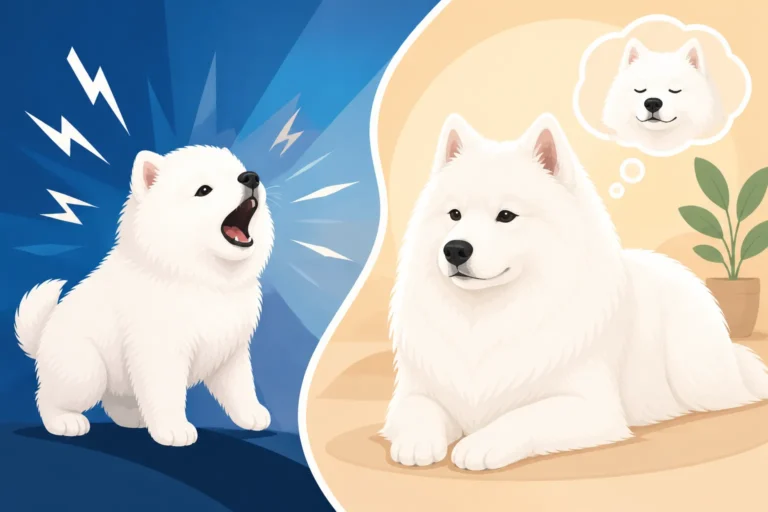
Samoyed vocal tendencies and changes over time explain when these dogs grow quieter and what realistic expectations owners can hold.

Samoyed vocal tendencies explain neighbor complaints and practical ways to manage their loud barking and screaming sounds.
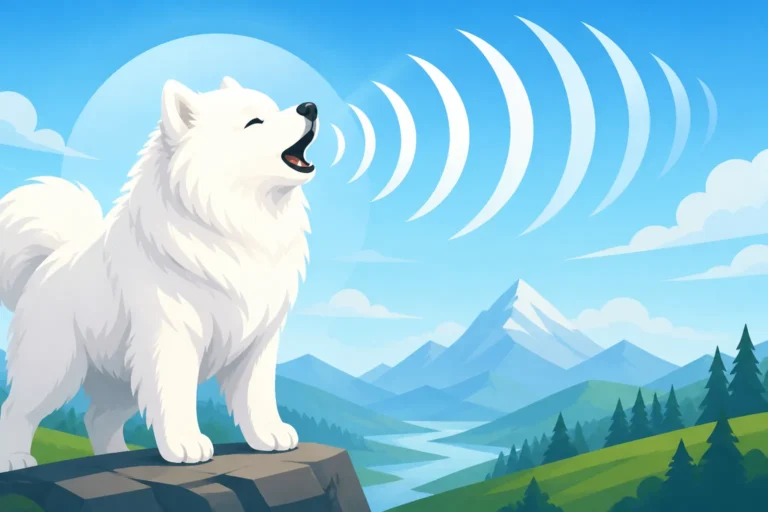
Samoyed vocal acoustics and environmental factors like humidity, wind, and open space explain how far their howls travel.
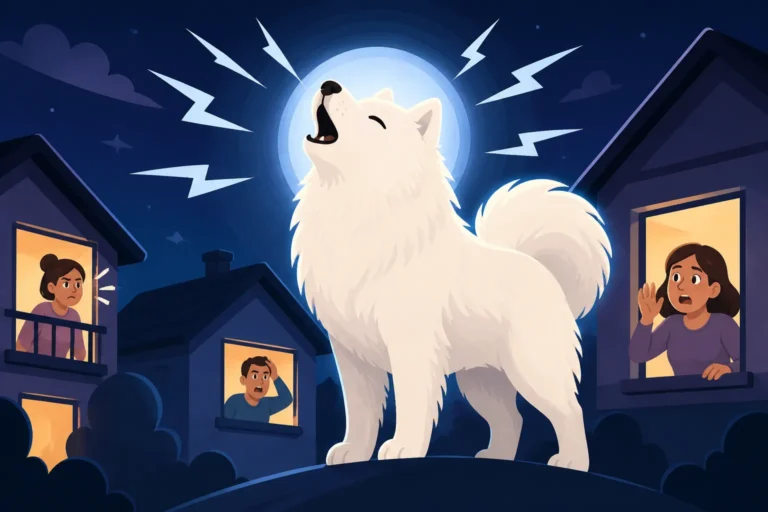
Samoyed barking and the Samoyed scream disrupt neighbors, but owners can take realistic steps to restore peace and quiet.
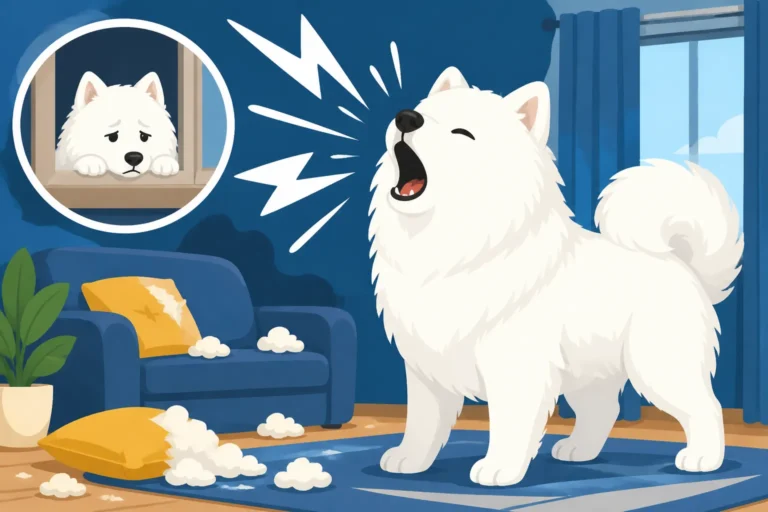
Samoyed noises when left alone include frantic yelps, mournful howls, barks, whines, and the piercing operatic scream of anxiety.
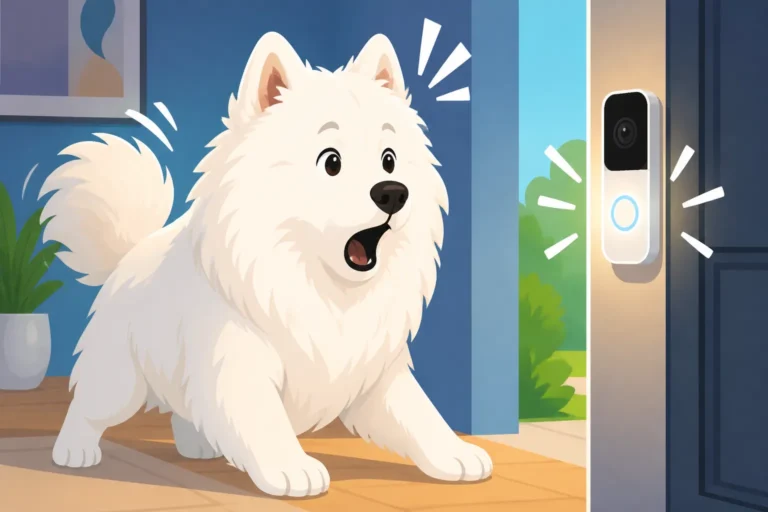
Samoyed doorbell reactions explained through breed history and instincts, plus practical strategies for managing enthusiastic greetings.

Samoyed howling behavior stems from ancestral wolf traits, ancient working history, and natural long-distance communication needs.

Samoyed talking back behaviors and unique vocal sounds originate from historical partnerships with the Nenets people in Siberia.

Samoyed vocalizations include a high-pitched scream, howls, grumbles, and talkative woos driven by excitement or frustration.

Samoyed vocalizations include screams and howls rooted in Nenets history, explaining why these chatty dogs communicate loudly.