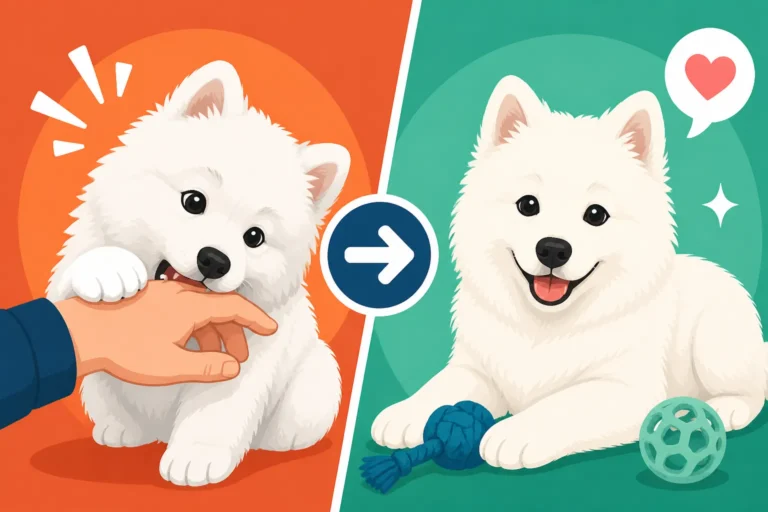
Why a Samoyed Screams Rather Than Barks
It's a common, often startling, experience for new Samoyed owners: you bring home this fluffy, smiling cloud, expecting the occasional bark, only to discover a vast and dramatic repertoire of sounds that includes yips, howls, grumbles, and a particular, ear-splitting "scream." This guide will help you understand why your Samoyed isn't just barking, but engaging in a full-blown vocal performance, and what you can do to manage this inherent trait.
The Samoyed's Unique Vocal Dictionary
Many dog owners anticipate barking, maybe a whimper or a growl, but Samoyeds operate on an entirely different vocal wavelength. They don't just bark; they communicate in a rich tapestry of sounds that can range from endearing "woo-woos" to an alarmingly intense scream that makes neighbors wonder if something terrible has happened. It's a hallmark of the breed, rooted deeply in their history, and understanding this spectrum of sounds is the first step to living harmoniously with your chatty companion.
More Than Just a Bark: The Samoyed's Diverse Sounds
Imagine trying to communicate complex ideas using only one word. That's how a Samoyed might feel if restricted to just barking! Their vocalizations are far more nuanced. While they can and do bark, especially when excited or alerting to something new, it's often a short, sharp burst compared to the drawn-out, almost conversational sounds they produce. You'll hear everything from a happy "singing" that sounds like they're trying to join a choir, to a low rumble of contentment. This isn't just noise; it's how they express joy, frustration, boredom, and even their desire for your attention. What a Samoyed Sounds Like When It Talks delves deeper into these specific sounds.
The Infamous Samoyed Scream
Ah, the "Samoyed scream." If you've heard it, you know it's unforgettable. This isn't a playful yelp; it's a high-pitched, piercing, and sustained vocalization that often sounds like pure anguish or extreme excitement. It's the sound that makes passersby stop in their tracks, concerned for your dog's well-being, or worse, convinced something truly awful is happening. Typically, this scream is triggered by intense emotional states—over-excitement at seeing a long-lost family member, profound frustration at being left alone, or even a dramatic protest when you attempt to trim their nails. It’s their way of turning the volume up to eleven, a trait that can be endearing in small doses but quickly overwhelming. How Loud a Samoyed Gets explains just how far that voice can carry.
Ancestral Roots: Why Samoyeds Are So Vocal
To truly understand why your Samoyed isn't content with simple barks, we need to journey back to their origins with the Nenets people in Siberia. These aren't dogs bred for quiet stealth or solitary guard duty; they were integral members of a nomadic family, working closely with humans and reindeer. Their vocal nature was a tool, a means of communication essential for their survival and their role within the tribe.
The Role of Vocalization in Their Heritage
The ancestors of our modern Samoyeds lived in a harsh environment, herding reindeer across vast, silent expanses. Unlike many herding breeds that use eye contact or nipping, Samoyeds used their voice to communicate with each other and with their human companions. A specific "yodel" or howl might have been used to alert the tribe to predators, signal the location of the herd, or even just call out to other dogs across the tundra. Imagine trying to keep track of a vast reindeer herd in a blizzard – a strong, distinct voice would be invaluable. Their close bond with humans also meant they developed a way of "talking" to them, not just with barks but with a full range of sounds that conveyed needs and feelings. The Nenets of the Yamal Peninsula Bred the Samoyed to be more than just a working dog; they were family.
Social Creatures with a Lot to Say
Samoyeds were, and remain, highly social animals. They weren't kept in kennels far from human activity; they often slept inside the tents with the Nenets, sharing warmth and companionship. This constant proximity fostered a deep desire for connection and communication. When a dog lives that closely with people, it naturally learns to express itself in ways that humans can understand, and for Samoyeds, that often means a rich vocal repertoire. They want to engage, they want to be part of the conversation, and if you don't pick up on their subtle cues, they will simply escalate their vocalizations until they get their point across. It's not rudeness; it's just how they've always operated. Why a Samoyed Wants to Be in the Room With You underscores this need for constant connection.
Living with a Talkative Samoyed: Management and Training Strategies
Acknowledging that your Samoyed is inherently vocal is the first step. The next is learning how to manage it, especially if their "scream" or constant chatter is becoming problematic for you, your family, or your neighbors. You won't eliminate their voice entirely – and honestly, who would want to? – but you can certainly shape when and how loudly they use it.
Understanding Triggers and Setting Boundaries
The key to managing a vocal Samoyed is to become a detective of their emotions and environment. When does the screaming or excessive vocalization happen? Is it when you leave for work? When a visitor arrives? When they see a squirrel? Common triggers often include:
- Separation Anxiety/Frustration: Many Samoyeds do not enjoy being left alone, and this can manifest as prolonged howling or screaming.
- Over-Excitement: The arrival of a beloved family member, a new toy, or an impending walk can send their vocal cords into overdrive.
- Boredom: A Samoyed with nothing to do will invent its own entertainment, and sometimes that involves a lot of talking.
- Alerting: While not true guard dogs, they will certainly announce anything they deem unusual.
- Seeking Attention: They learn quickly that a dramatic vocalization gets your immediate response.
Once you identify the triggers, you can start to address them. For example, if it's separation anxiety, gradual desensitization training and creating a safe, calm space for them is crucial. For attention-seeking, ignoring the vocalization and only rewarding quiet behavior can be effective. The Samoyed That Wakes the Neighbors is often reacting to a predictable trigger.
Training for a "Quiet" Cue
Teaching a "quiet" cue is invaluable. This isn't about silencing your dog forever, but about teaching them an "off" switch when their vocalizations become too much.
Here's a basic approach:
- Trigger a vocalization: Ring the doorbell, or have someone walk past a window. Your Samoyed will likely vocalize.
- Wait for a brief pause: The moment they stop, even for a second, say "Quiet!" (or your chosen cue) and immediately reward them with a high-value treat.
- Repeat: Practice this many times a day in short sessions.
- Increase duration: Slowly ask for longer periods of quiet before rewarding.
Consistency is absolutely critical. Everyone in the household needs to be on board. Online training platforms, like those offered by BAXTER & Bella, often have structured programs and support for teaching specific cues like "quiet" and managing vocal behaviors through positive reinforcement. You can also find many helpful training tools and guides on platforms like Amazon, from treat pouches to clickers, to aid your efforts. Teaching a Samoyed a Quiet Cue provides more detailed instructions.
Enrichment and Exercise: A Tired Samoyed is a Quieter Samoyed
A bored or under-exercised Samoyed is a vocal Samoyed. These dogs are intelligent and were bred for active work. They need mental and physical stimulation to be truly content.
Consider these options:
- Daily walks and runs: More than just a potty break, these are opportunities for sniffing, exploring, and burning off energy.
- Dog sports: Agility, obedience, rally, or even sledding (if you're in the right climate) can harness their natural drives. The Job a Samoyed Actually Needs goes into detail on their working requirements.
- Puzzle toys: Food-dispensing toys that require problem-solving can keep their minds engaged.
- Training sessions: Even short, daily training sessions of 10-15 minutes can provide mental exercise and strengthen your bond.
A Samoyed that has had its physical and mental needs met is far less likely to resort to extreme vocalizations out of frustration or boredom. This isn't a quick fix, but a long-term strategy for a happier, quieter Samoyed.
When to Seek Professional Help
Sometimes, a Samoyed's vocalizations go beyond normal breed tendencies and indicate underlying issues like severe separation anxiety or reactivity. If you've tried consistent training and management strategies without success, or if your Samoyed's vocalizations are causing significant stress to you or your community, it's time to consult a certified professional dog trainer or a veterinary behaviorist. They can provide tailored guidance, assess for any medical issues contributing to the behavior, and help you implement a more advanced behavior modification plan. A specialist can help you decode Why a Samoyed Screams Rather Than Barks when it becomes excessive.
Navigating the Challenges of Samoyed Vocalization
Living with a Samoyed's vocalizations can sometimes feel like a constant negotiation, especially if you live in an apartment or close quarters. But with understanding, patience, and consistent effort, you can create a home where their unique voice is a cherished part of their personality, rather than a source of stress.
| Vocalization Type | Common Sound Examples | Likely Meaning/Context | Management Strategy |
|---|---|---|---|
| Barking | Short, sharp "Woof! Woof!" | Alerting to novelties, excitement, playful invitation | Assess trigger; desensitize to doorbell, visitors; reward calm. |
| Howling/Baying | Long, drawn-out "Awoooo!" | Seeking connection, loneliness, response to sirens | Increase companionship, enrichment, practice short absences. |
| Yipping/Whining | High-pitched, short "Yip!", soft "Wiiiine" | Frustration, pain (check for injury), attention-seeking | Rule out pain; ignore attention-seeking; offer appropriate outlet. |
| Talking/Grumbles | "Mmmph-awooo", chuffs, low murmurs | Contentment, mild protest, "conversation" | Generally harmless; enjoy the chatter! |
| Screaming | Piercing, high-volume, sustained wail | Extreme excitement, intense frustration, protest | Identify specific triggers, pre-empt, "quiet" cue, professional help if severe. |
Building a Strong Bond and Understanding Each Other
Ultimately, the journey of living with a vocal Samoyed is about building a strong relationship based on mutual understanding. They aren't trying to be annoying; they're simply communicating in the way that comes most naturally to them. By providing them with appropriate outlets for their energy and intelligence, teaching them clear boundaries, and responding thoughtfully to their vocal cues, you can channel their talkative nature into something that strengthens your bond rather than strains it. Your Samoyed's unique voice is part of their charm, a remnant of their ancient lineage, and with the right approach, it can be a delightful aspect of your life together.
Disclaimer
This article is for general informational purposes only and does not constitute professional advice. Laws, prices and regulations vary by location and change over time. Consult a qualified professional for guidance on your specific situation.