How a Samoyed Reacts to the Doorbell
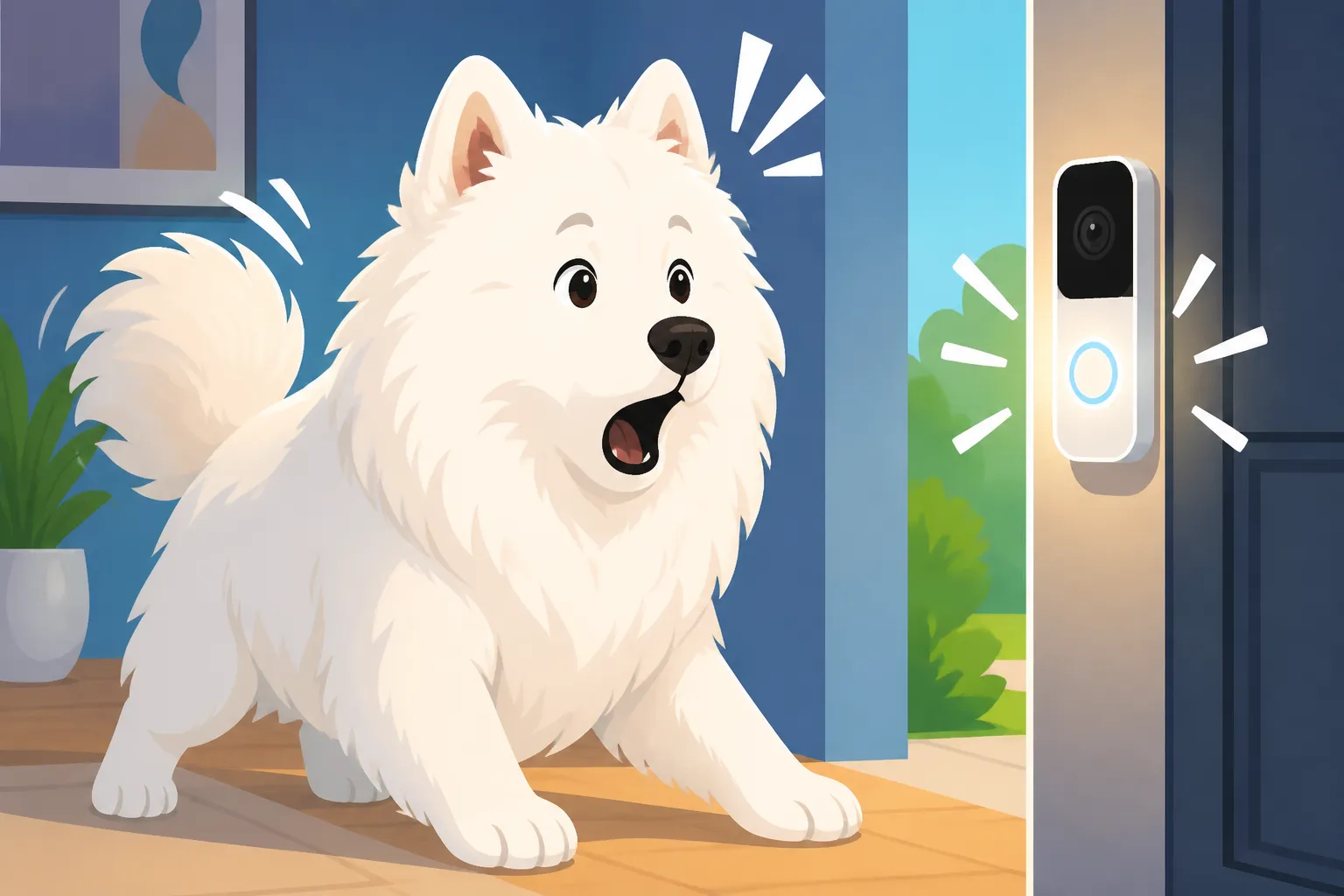
That jarring jingle of the doorbell. For many Samoyed owners, it's not just a signal that someone's at the door; it's a call to arms for their fluffy companion, often unleashing a symphony of unique vocalizations that can range from a joyous yodel to an ear-splitting "Samoyed scream." This guide dives deep into understanding why your Samoyed reacts the way it does to the doorbell, explores the different ways they express themselves, and offers practical, empathetic strategies to help manage and reshape that enthusiastic greeting into something a little more serene for everyone involved.
Why the Doorbell Becomes a Major Event for a Samoyed
Let's face it, the doorbell isn't just an annoying noise to your Samoyed; it's a siren call, a dramatic overture to a potential encounter. These magnificent dogs are highly intelligent, deeply bonded to their families, and were historically bred for a very close partnership with humans, living right inside the tents with the Nenets people. This profound connection means they are acutely aware of their environment and absolutely dedicated to their "flock" – which is you and your family.
The Samoyed's Instinctive Alert System
Think about the Samoyed's history. They weren't bred to be guard dogs in the traditional sense, aggressively warding off intruders. Instead, their role was more akin to an alarm system for their human companions. They'd alert their family to anything unusual, whether it was a change in the weather, the approach of a reindeer herd, or the presence of an unfamiliar person or animal. The doorbell, to them, is just another one of those "unusual approaches" that demands attention and notification. It triggers a deep-seated instinct to alert the pack. While they might not be chasing off a wolf from your porch, they are certainly going to make sure you know someone is there. This isn't naughtiness; it's their heritage bubbling to the surface. It's often a mix of curiosity, excitement, and a desire to inform you, their beloved leader.
High Alert Due to Human-Centric Nature
Samoyeds thrive on interaction and being part of the family unit. They love people, often Why a Samoyed Welcomes Everyone with boundless enthusiasm, which means a visitor at the door is often seen as an exciting opportunity for new greetings and possibly even pets. Their world revolves around their humans, and anything that disrupts the peaceful routine of the household, even briefly, can be perceived as something that requires their input. They want to be involved, to know what's happening, and to be a central part of the welcoming committee. This human-centric nature, while endearing, can make the doorbell a huge trigger because it signifies an event they don't want to miss. They aren't trying to be difficult; they are simply trying to participate fully in the household's social life, just as they would have participated in the life of the Nenets people centuries ago.
The Power of Novelty and Excitement
Let's be honest, life isn't always a non-stop adventure. For many dogs, a doorbell ringing is one of the few truly unpredictable and exciting events of the day. It's not a scheduled walk, not a mealtime, not even a familiar person coming home. It's a mystery! Who could it be? What new smells will they bring? Will they give me attention? This novelty factor plays a huge role. For a Samoyed, a breed known for its playful and sometimes mischievous nature, the doorbell can be like the opening act of a fantastic, attention-grabbing show. This build-up of anticipation and the sheer joy of a potential new interaction can lead to incredibly exuberant responses. It's often not aggression or fear, but pure, unadulterated "WOOHOO, SOMEONE'S HERE!" energy that needs an outlet.
Common Samoyed Doorbell Reactions and What They Mean
When that doorbell rings, a Samoyed's reaction can be quite varied, though almost always vocal and enthusiastic. It's important to understand what your Samoyed is trying to communicate, rather than just dismissing it as "bad behavior."
The Infamous Samoyed Scream
Ah, the "Samoyed scream." If you own one, you know it. It's not a bark, not a howl, but a truly unique, high-pitched, often repetitive yodel or shriek that seems to originate from their very soul. It can be startling, especially to guests who aren't familiar with this peculiar breed trait. This reaction is often a pure expression of over-the-top excitement and a powerful alert. They're not just barking; they are emphatically declaring, "NOTICE! NOTICE! THERE IS A HUMAN UNIT AT THE ENTRANCE!" It's their way of ensuring that absolutely no one, especially not you, could possibly miss the presence of a visitor. This is why it's so important to understand that The Samoyed Scream and Why It Is Not Barking; it's a completely different form of communication. They are letting the whole neighborhood know, and they are doing it with gusto.
Barking, Howling, and Jumping
While the scream is iconic, many Samoyeds also engage in more traditional barking and howling when the doorbell rings. Barking is typically a direct alert, a sharper, more insistent sound than the scream. Howling, on the other hand, can be a form of communication or even an expression of anxiety or loneliness, though with the doorbell, it's usually part of the general uproar of excitement. The jumping, however, is almost always about greeting. They want to get eye-level, to sniff, to lick, and to be as close to the new person as possible. This can be problematic for small children or elderly visitors, and it's a clear sign that while their intentions are good, their manners need a little polish. They are trying to engage, but perhaps a bit too intensely. Understanding How Loud a Samoyed Gets in these situations can help you prepare visitors and manage expectations.
A Mix of Curiosity and Affection
Beneath all the noise and bouncy energy, a Samoyed's doorbell reaction is often rooted in profound curiosity and an innate desire for connection. They are social creatures, bred to be close companions, and a new face almost always represents a potential friend. When the doorbell rings, they're not usually thinking, "I must protect my home from this threat!" (In fact, Why a Samoyed Will Never Guard Your House). Instead, their mind is probably racing with thoughts like, "Who is this person? Will they pet me? Do they have treats? Can I convince them to play?" It's an expression of their friendly, outgoing nature. They want to investigate, to gather information, and then usually to bestow their endless affection upon the newcomer. This underlying positive motivation is key when considering how to approach training and management.
| Reaction Type | Common Samoyed Expression | Underlying Motivation (Often) | Potential Challenges |
|---|---|---|---|
| Alert Vocalization | Samoyed Scream, persistent barking, excited yodeling | Notifying the "pack" (you) of an approaching presence, excitement. | Noise disturbance, startling visitors, creating a chaotic environment. |
| Physical Excitement | Jumping on the door, guests, or furniture; spinning; darting. | Desire to greet, seek attention, release pent-up energy/anticipation. | Knocking over people, accidental injury, poor manners, overstimulation. |
| Curiosity/Investigation | Sniffing vigorously, trying to get past the door, intense focus. | Gathering information about the newcomer, assessing the situation. | Escaping through open doors, pushing boundaries, ignoring commands. |
| Pack Behavior | Running to join other dogs if present in the uproar. | Reinforcing group alerting behavior, shared excitement. | Amplifying the noise and chaos if multiple dogs are involved. |
Strategies for Managing Your Samoyed's Doorbell Response
While a Samoyed's enthusiasm is part of their charm, an uncontrolled doorbell reaction can be stressful for both you and your visitors. The good news is that with consistent training and management, you can teach your Samoyed more polite ways to greet.
Desensitization and Counter-Conditioning
This is the gold standard for changing your Samoyed's emotional response to the doorbell. The goal is to change their association from "doorbell = freak out" to "doorbell = calm reward."
- Start Small: Don't use the actual doorbell initially. Find a recording of a doorbell sound on YouTube or an app and play it very softly, so quiet your Samoyed barely notices. The moment you play it, immediately give them a high-value treat. Repeat this many times.
- Gradual Increase: Slowly, over days or weeks, increase the volume of the doorbell sound, always pairing it immediately with a treat. The key is to keep the sound below their reaction threshold. If they start to react, you've gone too fast. Go back to a lower volume.
- Add Distance: Once they're calm with the sound at a reasonable volume in one room, move to another room further from the door. Repeat the process.
- Introduce the Real Thing: Eventually, you can use the actual doorbell, starting with very light, quick presses, and immediate rewards.
- Practice Makes Perfect: Enlist a friend or family member to ring the doorbell while you practice.
- The Setup: Your Samoyed is on a leash, in a designated "place" (like a dog bed or mat) away from the door.
- The Ring: Friend rings the doorbell once.
- The Reward: You immediately reward your Samoyed for staying calm (even if it's just a moment of quiet before the eruption) with a super tasty treat.
- Repeat: Have your friend ring the doorbell multiple times, each time rewarding for any moment of quiet. Gradually increase the time they need to be quiet before the reward.
- Visitor Entry (Controlled): Once your Samoyed can stay relatively calm for the ring, have your friend open the door and step inside briefly, then step back out. Reward your Samoyed for calm. Only when your Samoyed can hold a calm "place" should the visitor fully enter and greet the dog on your terms, perhaps after the dog has settled.
This process is about consistently creating a new, positive association. It takes patience, especially with a breed as vocal and excitable as the Samoyed. Online training platforms like BAXTER & Bella offer excellent, structured programs for these kinds of behavioral challenges, guiding you step-by-step through desensitization.
Teaching a "Quiet" Cue and a "Place" Command
Alongside desensitization, teaching a "quiet" command is crucial. When your Samoyed barks or screams, say "Quiet," wait for a brief pause (even a breath), and immediately reward. You can also teach a "place" command, where your Samoyed goes to a specific mat or bed and stays there until released. This gives them a job to do and a designated spot away from the commotion. Teaching a Samoyed a Quiet Cue is an invaluable skill for managing all kinds of vocalizations, not just at the door.
- "Place" Training: Start by luring your Samoyed onto their mat with a treat. Say "Place!" as they step on. Reward. Gradually increase the time they stay on the mat, rewarding them frequently. Then, introduce distractions, like you walking around the room. Finally, practice with the doorbell. The idea is that when the doorbell rings, you can send them to "Place" and they know to settle there until released. Many effective dog beds and mats, often found on Amazon, can serve as a comfortable "place" for your Samoyed.
Environmental Management and Enrichment
Sometimes, managing the environment can be just as effective as direct training.
- Remove the Trigger: If the doorbell is simply too overstimulating, consider replacing it with a knock or using a smart doorbell that notifies your phone without ringing loudly inside. You can even unplug it if it's causing too much stress.
- Sound Machines: White noise machines or classical music can help muffle outside sounds that might alert your Samoyed before the doorbell even rings.
- Visual Barriers: If your Samoyed can see people approaching through a window, that visual stimulation can heighten their arousal before the doorbell even sounds. Use privacy film, frosted glass, or even dog-safe window coverings to block their view.
- Enrichment Beforehand: A tired Samoyed is a quieter Samoyed. Ensure your dog gets plenty of exercise and mental stimulation throughout the day. A long walk, a game of fetch, or a puzzle toy before anticipated visitors can make a huge difference. How Much Exercise Quiets a Samoyed is a topic worth exploring for general calmness.
- Manage Greetings: When guests arrive, instruct them on how to interact with your Samoyed. No excited greetings until the dog is calm. Ask guests to ignore the dog until it has settled, then reward calm behavior with a gentle pet or treat. This reinforces that calm behavior gets attention, not jumping or screaming.
| Strategy | Description | Key Benefits | Example Tools/Approaches |
|---|---|---|---|
| Desensitization | Gradually expose Samoyed to doorbell sound at low intensity, paired with positive reward. | Reduces fear/excitement response, creates positive association. | Recorded doorbell sounds, high-value treats, gradual volume increase. |
| Counter-Conditioning | Change emotional response by pairing trigger with something positive (e.g., treats). | Replaces negative/over-aroused reaction with a calm anticipation of reward. | Tasty treats, favorite toys, a comfortable "place" mat. |
| "Place" Command | Teach Samoyed to go to a designated spot (mat, bed) and stay until released. | Provides a structured outlet for excitement, keeps dog away from door. | Dog bed, mat, crate, consistent positive reinforcement. |
| "Quiet" Cue | Teach Samoyed to stop barking/vocalizing on command. | Gives you a tool to interrupt unwanted vocalizations. | Timed rewards for silence, short training sessions. |
| Environmental Control | Modify the home environment to reduce triggers or manage dog's access. | Prevents rehearsal of unwanted behavior, reduces overall arousal. | Unplugging doorbell, window film, white noise machine, baby gates. |
| Pre-Arrival Exercise | Ensure Samoyed is well-exercised before anticipated visitors. | Burns off excess energy, promotes a calmer state. | Long walks, fetch, mental games, interactive toys (e.g., from Amazon). |
Living with a Vocal Samoyed and Doorbell Triggers
Let's be realistic: a Samoyed is never going to be completely silent when the doorbell rings, and honestly, we wouldn't want them to be! Their vocal nature is a core part of their charm and heritage. The goal isn't to silence them completely, but to manage their reactions so they are less overwhelming and more polite.
Setting Realistic Expectations
Understand that training takes time, consistency, and patience, especially with a Samoyed. These dogs are intelligent but can also be quite independent, sometimes finding obedience "negotiable" as we often joke. Don't expect overnight miracles. Celebrate small wins: a moment of silence, a slightly less intense scream, or staying on their "place" for a few seconds longer. The journey is often more about continuous improvement than instant perfection. If you're feeling overwhelmed, don't hesitate to seek advice from a professional dog trainer or a behaviorist, especially if the reactions are extreme or accompanied by stress signals. Sometimes, What a Behaviorist Costs a Samoyed Owner With a Barker can be a worthwhile investment for peace of mind.
Consistency is Key for the Whole Family
Every member of the household needs to be on the same page. If one person allows the Samoyed to jump and greet wildly, while another tries to enforce calm behavior, your dog will get mixed signals and progress will be slow. Hold a family meeting and establish clear rules and responses to the doorbell. Decide on your chosen training method (e.g., "place" command, quiet cue) and practice it consistently. This unified front will help your Samoyed understand what's expected of them. Their bond with you is strong, How a Samoyed Bonds to One Person, and they respond best when the rules are clear and consistently enforced by everyone they love and respect.
Embracing Their Unique Personality
Ultimately, part of owning a Samoyed is embracing their joyful, vocal, and sometimes over-the-top personality. While managing their doorbell reaction is important for a peaceful household, remember that their enthusiasm is often a testament to their loving nature and deep bond with you. With consistent positive reinforcement, smart management strategies, and a healthy dose of patience, you can help your Samoyed become a more mannered greeter without losing any of that wonderful Sammy spirit. They are truly unique companions, and navigating these quirks is just another part of the rewarding experience of life with a cloud-like smile.
Disclaimer
This article is for general informational purposes only and does not constitute professional advice. Laws, prices and regulations vary by location and change over time. Consult a qualified professional for guidance on your specific situation.