The First Year With a Samoyed Puppy
Raising a Samoyed puppy involves navigating the first year, establishing a safe space, and managing early socialization.
Work with the temperament you have.
House-training and crate work, recall, leash manners, separation anxiety, and the behaviors this breed is wired for.

Raising a Samoyed puppy involves navigating the first year, establishing a safe space, and managing early socialization.

Samoyed dogs from Siberia lived closely with the Nenets people, developing a gentle temperament suited for busy families.
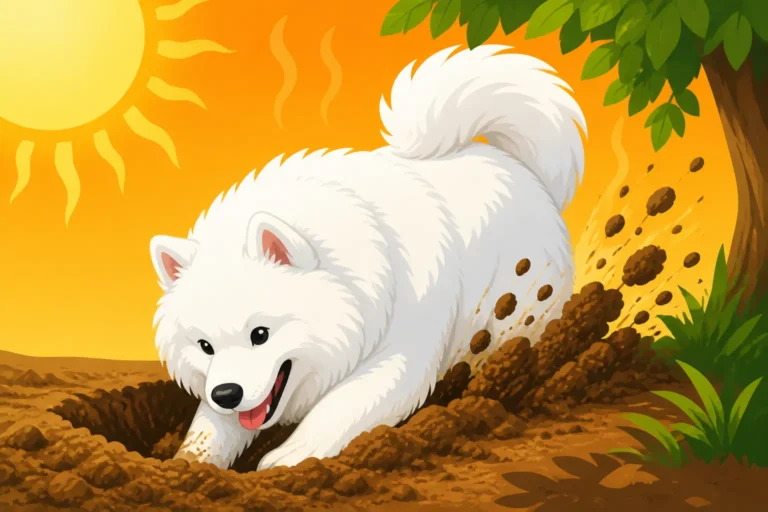
Samoyed digging during warm weather stems from ancient instincts to find cool damp soil and escape the intense summer heat.

Samoyed obedience training methods explain independent working history and why these dogs negotiate commands instead of repeating drills.

Samoyed clinginess stems from nomadic Nenets history where dogs shared Arctic tents with families for warmth and survival.

Samoyed pulling behavior originates from a Siberian heritage of herding reindeer and hauling sleds across snow and ice for survival.

The powerful herding instinct in Samoyeds originates from Siberian reindeer management and manifests as modern circling behaviors.

Samoyed history and Nenets breeding explain why this sled dog breed lacks aggression and territorial guarding instincts.
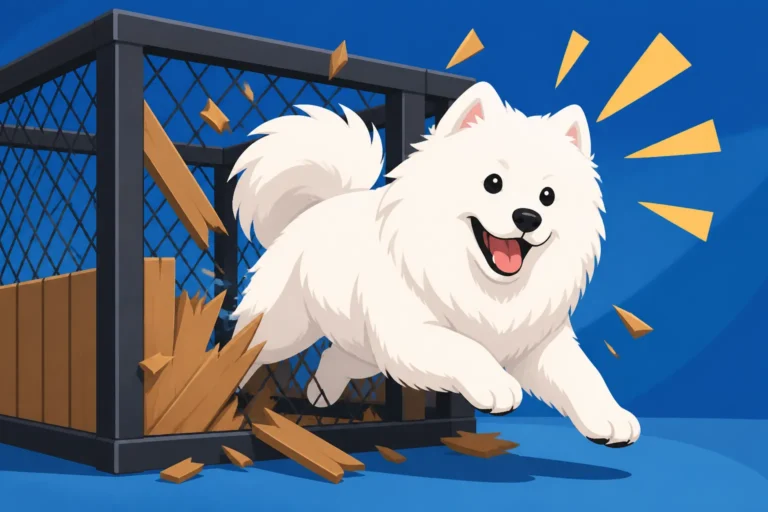
Samoyed escape behavior stems from ancestral wanderlust and high intelligence, requiring specialized yard defenses and mental stimulation.

The Samoyed scream is a high-pitched, prolonged vocalization used during extreme excitement, frustration, or a plea for attention.