Whether a Samoyed Needs Yearly Kidney Bloodwork
It’s a natural worry for any Samoyed owner, isn't it? We pour our hearts into these fluffy, smiling companions, and the thought of them facing a silent illness like kidney disease can be truly agonizing. You want to do everything right, to catch any issue early, but the sheer amount of information (and misinformation) out there can be overwhelming. This guide is here to cut through the noise and give you a clear, empathetic understanding of whether yearly kidney bloodwork is truly necessary for your beloved Samoyed, and what other steps you can take to protect their precious health.
Understanding Samoyed Kidney Health Concerns
When you own a Samoyed, you quickly learn they are a breed with specific health considerations. One that often surfaces is kidney disease, and it's not always the "typical" age-related kidney decline you might expect in other breeds. There’s a hereditary component that makes us Samoyed parents particularly vigilant.
The Shadow of Hereditary Glomerulopathy
For Samoyed males, specifically, there's a formidable genetic condition known as Samoyed Hereditary Glomerulopathy (SHG). It's a cruel disease that can manifest alarmingly early, sometimes proving fatal before a male Samoyed even reaches 15 months of age. This condition is caused by a mutation in the COL4A5 gene, which leads to a defect in the collagen that forms the delicate filters in the kidneys, called glomeruli.
Unlike many diseases that show obvious signs early on, SHG can be insidious. The kidneys begin to fail, but our Samoyeds are masters at hiding discomfort, often maintaining their cheerful demeanor even when they're seriously ill. This is why being proactive and understanding the nuances of their health is so crucial. If you're looking into buying a Samoyed, knowing about The COL4A5 Test Every Samoyed Buyer Should Ask About is non-negotiable.
General Kidney Disease in Samoyeds
Beyond the specific hereditary concern, Samoyeds can, of course, develop more common forms of kidney disease, just like any other dog. This often becomes more prevalent as they age, with kidneys simply wearing out over time or being damaged by other health issues like infections or toxins. Recognizing the general signs of illness in a breed known for its stoicism is incredibly important. If you've ever wondered How a Samoyed Hides Illness Behind a Smile, you'll understand why yearly check-ups and being observant at home are so vital.
When we talk about kidney health in older Samoyeds, the focus shifts slightly to proactive monitoring for age-related decline. For those with a senior Samoyed, understanding how to adjust their care is key, and you might find useful tips in Caring for a Samoyed Past Nine.
The Role of Regular Kidney Bloodwork
So, with these concerns in mind, what role does routine kidney bloodwork play? It's a piece of the puzzle, certainly, but it’s not the only piece, and its effectiveness depends on what you're trying to detect and at what stage.
What Bloodwork Reveals and Conceals
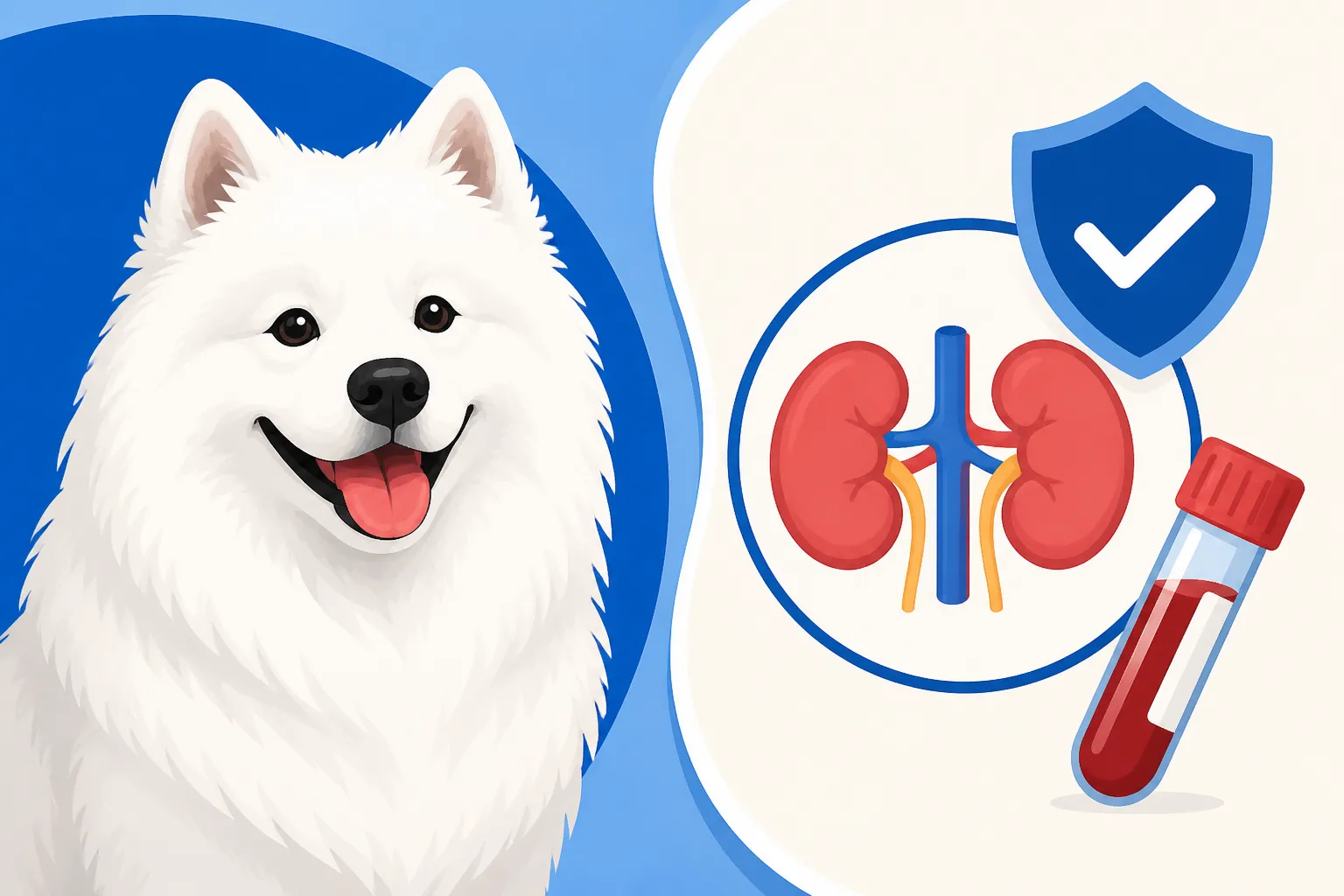
Standard kidney bloodwork typically measures markers like creatinine and Blood Urea Nitrogen (BUN). These values are indicators of kidney function, specifically how well the kidneys are filtering waste products from the blood. If these levels are elevated, it usually means the kidneys aren't doing their job efficiently.
The catch is, these markers often don't become elevated until kidney function has already declined significantly—sometimes by as much as 60-75%. For a rapidly progressing disease like severe SHG in a young male, by the time bloodwork shows abnormalities, the disease may be quite advanced. For general, slower-onset kidney disease, annual bloodwork can establish a baseline and track changes over time, signaling a problem before clinical signs become apparent. For owners, understanding Whether a Samoyed's Creatinine Should Be Watched is a good start.
It's also worth noting newer blood tests, like Symmetric Dimethylarginine (SDMA), can often detect kidney disease earlier than traditional BUN and creatinine levels—sometimes when as little as 25% of kidney function is lost. Your vet might recommend incorporating SDMA into your Samoyed's routine blood panel, especially as they get older, offering a more sensitive early warning system.
How Often is "Yearly" Enough?
For most adult Samoyeds without known predispositions or current symptoms, yearly kidney bloodwork as part of their annual wellness exam is a solid recommendation. This establishes a regular pattern of monitoring, allows your vet to catch trends, and serves as a baseline for future comparisons.
However, for Samoyed males with an unknown genetic status regarding SHG, or those from lines where SHG has been identified, simply waiting for yearly bloodwork might not be enough. The aggressive nature of SHG means that by the time bloodwork shows changes, it could be too late to intervene meaningfully. This is why for such cases, a more focused diagnostic approach, including specific genetic testing and more frequent urinalysis, is crucial, especially in their first couple of years.
As your Samoyed transitions into their senior years, which for many breeds like the Samoyed can start around nine years old, your vet might suggest more frequent bloodwork—perhaps every six months. This increased frequency allows for earlier detection of age-related kidney decline, giving you more time to implement dietary changes or other supportive therapies to manage the condition. Insurance providers like Healthy Paws often cover these routine preventative care costs if you opt for a wellness plan add-on, which can ease the financial burden of more frequent check-ups.
Beyond Routine Bloodwork: Other Kidney Health Indicators
Blood tests are vital, but they’re just one piece of the intricate puzzle that is your Samoyed’s kidney health. To get a truly comprehensive picture, we need to look at other indicators, particularly urine tests.
The Power of Urinalysis
If bloodwork tells us what's in the blood, urinalysis tells us what the kidneys are letting out. This is where we can often find the earliest clues, especially for conditions like Samoyed Hereditary Glomerulopathy. SHG's primary initial sign is often protein leaking into the urine, even before blood values change. The glomeruli, those tiny filters, become damaged and allow precious protein, which should stay in the body, to escape.
A simple urine test, ideally performed yearly or even more frequently for at-risk young males, can detect this protein loss. The urine protein:creatinine (UPC) ratio is a crucial test here, as it quantifies the amount of protein being lost. An elevated UPC can be an early warning sign that something is amiss with the kidneys. If you're concerned about your Samoyed’s risk, it's beneficial to ask your vet about Why a Samoyed's Urine Should Be Tested Young.
In addition to protein, urinalysis also checks for specific gravity (how concentrated the urine is), pH, presence of blood, glucose, bacteria, and crystals. All of these factors provide insights into kidney function and overall urinary tract health. It’s an easy, non-invasive test that offers a wealth of information.
Behavioral and Physical Clues
Your Samoyed's behavior and physical condition are also vital indicators. Remember, they are stoic by nature, so any noticeable change warrants attention. Subtle shifts might be the only warning you get.
Watch for changes in thirst and urination. Are they drinking significantly more water than usual? Are they having accidents in the house, or asking to go out more frequently? Increased thirst and urination can be classic signs of kidney trouble, as the kidneys struggle to concentrate urine. Other signs can include a decrease in appetite, weight loss, lethargy, or even changes in coat condition. If you observe any of these, don't wait for the annual check-up; contact your vet immediately.
It’s also important to consider the full picture of their health. For instance, sometimes other conditions can impact kidney function. If your Samoyed is diagnosed with diabetes, for example, managing that condition well is also crucial for kidney health. This is why understanding Managing a Diabetic Samoyed can be important not just for diabetes itself, but also for preventing secondary kidney complications.
Proactive Care and Prevention Strategies
While yearly bloodwork and regular urinalysis are fundamental to monitoring, there's so much more you can do as a dedicated Samoyed owner to support their kidney health proactively. Prevention and early intervention are always the best paths.
Genetic Testing and Responsible Breeding
For a breed with a known hereditary condition like SHG, genetic testing is paramount. Reputable Samoyed breeders should be transparent about the health testing of their breeding dogs, including the COL4A5 DNA test. This test can identify carriers and affected males before they are bred, helping to eliminate the disease from future generations. If you're considering a Samoyed puppy, always ask about the parents' health clearances, especially the COL4A5 test results. This knowledge empowers you to choose a puppy with the best possible genetic start, and it’s a key part of The Health Tests Both Samoyed Parents Should Have.
While the DNA test is specifically for SHG, a responsible breeder also screens for other common Samoyed ailments that could indirectly impact kidney health or overall well-being. This comprehensive approach is part of ensuring a long, healthy life for your furry family member.
Dietary Considerations and Hydration
Diet plays a significant role in kidney health. For Samoyeds without diagnosed kidney disease, a high-quality, balanced diet that isn't excessively high in protein or phosphorus is generally recommended. Avoid feeding table scraps, especially fatty ones, which can put strain on various organs, including the kidneys and pancreas.
For Samoyeds diagnosed with early kidney disease, or those at high risk, your veterinarian might recommend a prescription renal diet. These diets are carefully formulated with controlled levels of protein, phosphorus, and sodium to reduce the workload on the kidneys and slow the progression of disease. While it might seem like a drastic step, a renal diet can sometimes significantly Whether a Renal Diet Extends an Affected Samoyed's Life and improve their quality of life.
Hydration is also incredibly important for kidney function. Ensure your Samoyed always has access to fresh, clean water. Some dogs benefit from having multiple water bowls around the house, or even a pet water fountain, which encourages them to drink more. Good hydration helps the kidneys flush out waste products efficiently.
Regular Veterinary Check-ups and Early Intervention
Beyond the specific kidney bloodwork and urinalysis, regular comprehensive veterinary check-ups are essential for your Samoyed's overall health. Your vet can perform a thorough physical examination, listen to their heart and lungs, and discuss any changes you've noticed at home. These routine visits allow for early detection of any health issue, not just kidney disease.
If a kidney problem is detected, whether through bloodwork, urinalysis, or clinical signs, prompt intervention is crucial. Depending on the diagnosis, treatment might involve specific medications, fluid therapy, dietary changes, or other supportive care. Even for a severe condition like SHG, while there's no cure, Whether an Affected Samoyed Can Be Treated to manage symptoms and support remaining kidney function can make a significant difference in their comfort and lifespan. Pet insurance plans, such as those offered by Healthy Paws, can be invaluable in covering the costs associated with diagnosing and managing chronic conditions like kidney disease, providing peace of mind during challenging times.
When to Act Immediately
While yearly checks are a great foundation, some signs warrant immediate veterinary attention, regardless of when their last blood test was. Don't hesitate if you notice:
- Sudden increase or decrease in urination: Especially if they're having accidents indoors.
- Drinking significantly more water: This is a classic sign often overlooked.
- Loss of appetite or weight loss: If sustained or significant.
- Lethargy or weakness: More tired than usual, less interested in activities.
- Vomiting or diarrhea: Especially if persistent.
- Any visible discomfort or pain: Samoyeds hide pain well, so if you see it, it's serious.
- Changes in urine appearance: Very dilute, dark, or bloody urine.
These symptoms could indicate a rapidly progressing issue or an acute kidney injury, both of which require urgent veterinary assessment to give your Samoyed the best chance of recovery or management.
Summary of Kidney Health Monitoring
To help you keep track, here's a quick overview of key kidney health tests and their typical frequency for a Samoyed:
| Test Type | What it Measures | Typical Frequency (Healthy Adult) | Special Considerations for Samoyeds |
|---|---|---|---|
| Blood Urea Nitrogen (BUN) | Waste product, indicator of kidney filtration | Annually | Elevated levels often indicate significant kidney function loss (60-75%) |
| Creatinine | Waste product from muscle, indicator of kidney filtration | Annually | Similar to BUN, also elevated with significant kidney function loss. Less reliable in very muscular or very thin dogs. |
| Symmetric Dimethylarginine (SDMA) | Early kidney function biomarker | Annually (especially in seniors) | Can detect kidney disease earlier than BUN/creatinine (around 25% function loss). Recommended for older or at-risk Samoyeds. |
| Urinalysis (Full Panel) | Urine specific gravity, pH, protein, glucose, blood, cells, crystals | Annually | Crucial for early detection of protein leakage (proteinuria), common in SHG, and overall urinary tract health. |
| Urine Protein:Creatinine (UPC) Ratio | Quantifies protein loss in urine | Annually (more often if at-risk) | Essential for young male Samoyeds due to SHG. A key indicator of glomerular damage even before blood values change. |
| COL4A5 DNA Test | Genetic test for Samoyed Hereditary Glomerulopathy | One-time for breeding dogs or at-risk males | Highly recommended for all Samoyed breeding stock. Can be done on puppies or adults to determine genetic status. |
Disclaimer
This guide offers general information and cannot replace professional veterinary advice. Always consult your veterinarian for any health concerns regarding your Samoyed.