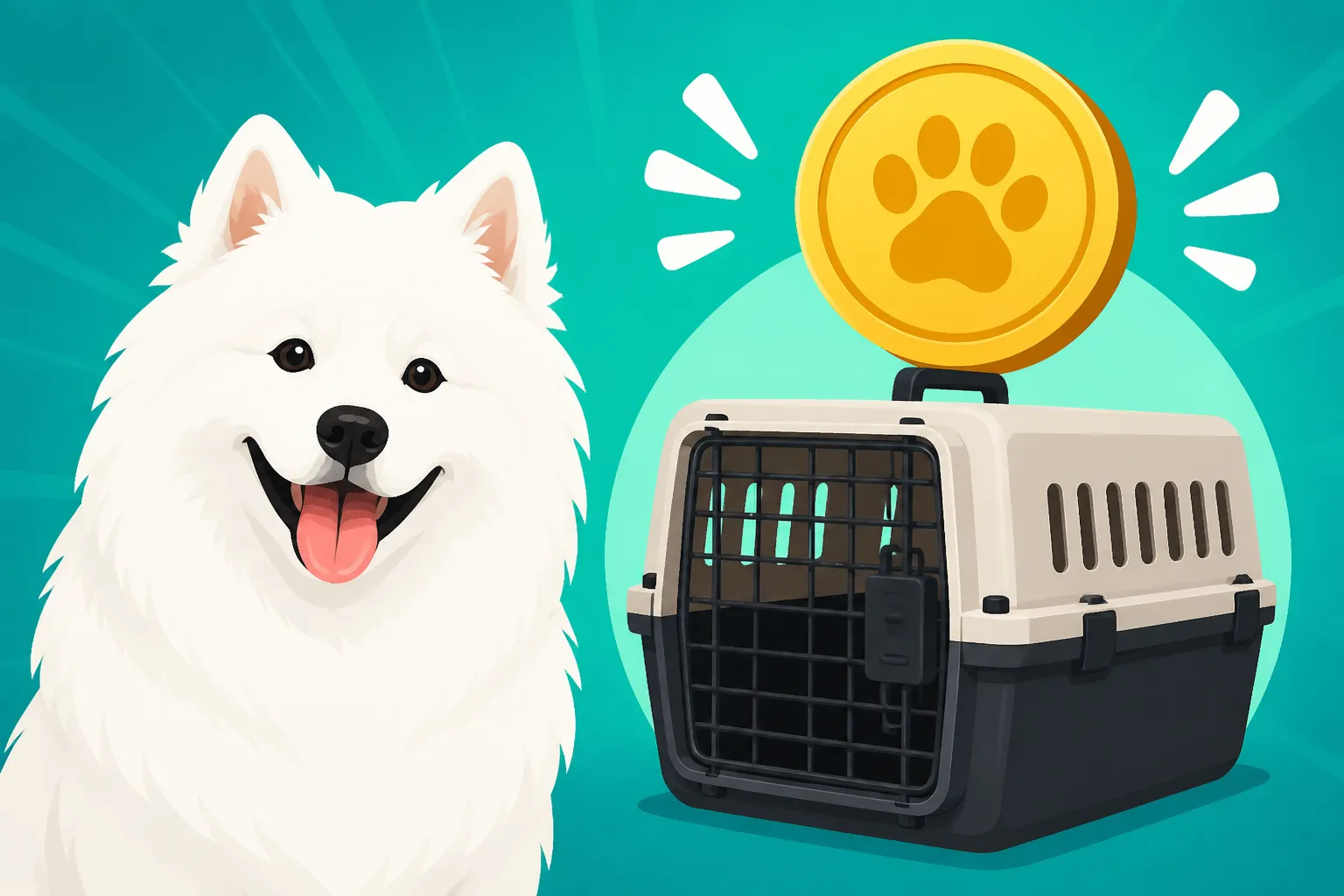
What a Crate Sized for a Samoyed Costs
Bringing a Samoyed puppy or even an adult rescue into your home is an incredibly exciting time, but it also comes with a significant list of preparations. One of the most common dilemmas new Samoyed owners face is figuring out the right crate size, and what that essential piece of equipment is actually going to cost. It's not just about finding any crate; it's about finding one that's safe, comfortable, and durable enough for a rapidly growing, intelligent, and sometimes mischievous companion. This guide will walk you through everything you need to know about determining the appropriate crate size for your Samoyed and the various factors that influence its price tag.
Why Crate Size Matters So Much for Your Samoyed
When you bring home that fluffy white puppy, it's hard to imagine it growing into a powerful, substantial dog, but they do – and quickly! Choosing the right size crate from the start, or adjusting as your Samoyed matures, isn't just about comfort; it's fundamental to their well-being, training, and even preventing behavioral issues.
The Goldilocks Principle: Not Too Big, Not Too Small
Think of a crate as your Samoyed's personal den. In the wild, canines seek out small, secure spaces to sleep and feel safe. A crate works on this same instinct. If a crate is too large, your clever Samoyed might decide one end is for sleeping and the other is for relieving themselves, completely undermining your How Long a Samoyed Puppy Takes to House Train efforts. They need just enough space to stand up, turn around comfortably, and lie down fully stretched out. Any more room than that, and you're inviting accidents.
On the flip side, a crate that's too small is simply inhumane. It restricts movement, can cause physical discomfort, and turns their safe den into a cramped prison. This can lead to anxiety, fear of the crate, and resistance to going inside, making crate training a nightmare. A Samoyed should never feel squished or unable to adjust their position. For a puppy, you’ll typically start with a crate that has a divider, allowing you to expand the space as they grow. This way, you invest in one adult-sized crate from the beginning, rather than buying multiple crates as your pup blossoms from a tiny fluff ball into a full-grown, majestic Samoyed. Remember, a full-grown male Samoyed can weigh upwards of 60 pounds, and a female not far behind, so their adult crate needs to accommodate that substantial size.
Accommodating Growth and Development
Samoyeds are intelligent dogs, and they need a consistent routine, especially during their first year. Starting with a properly sized crate is a cornerstone of this. You'll likely use the crate for supervised rest, quiet time, and definitely for house-training. As your Samoyed matures, its needs might change slightly. While a puppy might spend more time crated, an adult Samoyed might primarily use it as a safe haven when you're away for short periods or overnight. The goal is for the crate to remain a positive space, associated with security and comfort, rather than a punishment. If you're wondering about the overall journey, consider exploring The First Year With a Samoyed Puppy for a broader perspective on their development.
A common approach is to buy an adult-sized crate from the get-go and use a divider to adjust the internal space. This saves you from buying multiple crates as your Samoyed grows, which, let's be honest, is a huge money-saver. You'll simply move the divider as your puppy gains size, making sure they always have just enough room to be comfortable without having space for accidents. This method is often the most cost-effective in the long run, even if the initial outlay for a large crate seems higher.
Different Crate Types and Their Cost Shapes
The world of dog crates is surprisingly diverse, and each type comes with its own set of advantages, disadvantages, and, of course, price points. Understanding these differences is crucial when budgeting for What a Crate Sized for a Samoyed Costs.
Wire Crates: Versatile and Popular
Wire crates are perhaps the most common type you’ll encounter. They are typically made from steel wire, often coated for rust resistance. They fold flat for easy storage and portability, which is a huge plus if you travel or need to move the crate frequently. Most come with a removable plastic tray for easy cleaning and a divider panel, making them ideal for growing puppies.
The cost of wire crates can vary significantly. You can find basic, entry-level models that are quite affordable, often found on large pet supply websites like Chewy. These are functional and get the job done for many dogs. However, if you have a Samoyed with a strong personality or a tendency to be a bit of an escape artist, you might need to invest in a heavier gauge wire or a more robust design. These sturdier versions, often with multiple locking mechanisms, will naturally come with a higher price tag. They offer better security and durability, which can be a worthwhile investment for a strong, intelligent breed like a Samoyed.
| Crate Type | Key Features | General Cost Shape | Ideal For |
|---|---|---|---|
| Wire Crates | Collapsible, good ventilation, with dividers | Affordable to Mid-range | Growing puppies, adult dogs, good visibility, home use, easy transport |
| Plastic Crates | Den-like feel, airline approved, secure | Mid-range | Travel (especially air), dogs who like enclosed spaces, good security |
| Soft-Sided | Lightweight, portable, comfortable | Mid-range to Higher-end | Calm dogs, short trips, temporary use, not for chewers or escape artists |
| Heavy-Duty/Impact | Welded steel, escape-proof, extremely durable | Significant Investment | Strong chewers, persistent escape artists, destructive dogs, long-term security |
| Furniture Crates | Blends with home decor, wood/MDF | Higher-end to Premium | Owners prioritizing aesthetics, calm dogs, double as furniture |
Plastic Crates: Secure and Travel-Friendly
Plastic crates, also known as travel or airline crates, are molded from durable plastic and typically feature a wire door. Their solid sides provide a den-like feel, which many dogs appreciate, and they offer good privacy. A major advantage of plastic crates is their suitability for air travel, as many designs meet airline cargo requirements.
These crates generally fall into a mid-range cost category. They are often more expensive than basic wire crates but less than high-end specialty models. Their robust construction means they can withstand more bumps and jostles, making them a solid choice for car travel or if you need a more secure containment option. For a Samoyed, a plastic crate can be excellent for providing a dark, quiet space for rest, though ventilation might be less than a wire crate, so placement in a cool, well-aired spot is important, especially given their thick coats.
Soft-Sided Crates: Lightweight and Portable
Soft-sided crates are made from fabric stretched over a collapsible frame. They are incredibly lightweight and fold down compactly, making them super convenient for quick trips, dog shows, or visiting friends. Many models feature mesh windows for ventilation and visibility.
The price of soft-sided crates is typically in the mid-range to higher-end for good quality ones. However, it's important to be realistic about their use for a Samoyed. While they offer comfort and portability, they are absolutely not suitable for dogs who are chewers, diggers, or escape artists. A determined Samoyed could easily tear through the fabric, rendering the crate useless and potentially ingesting harmful materials. These are best reserved for calm, crate-trained Samoyeds who see their crate as a safe haven and won't try to chew their way out. They are fantastic for temporary setups, but rarely a primary, long-term crate for an energetic Samoyed.
Heavy-Duty or Impact Crates: The Ultimate Investment
For those Samoyeds who are truly masters of escape, or if you simply want the absolute most robust containment solution, heavy-duty or impact crates are the answer. These are often constructed from aluminum or heavy-gauge welded steel, designed to withstand intense chewing, digging, and attempts at breaking out. They feature robust latches and are built like tanks.
Naturally, these crates represent a significant investment. Their cost will be at the higher end of the spectrum, sometimes quite a bit more than other types. While the upfront expense is substantial, for some owners, the peace of mind that comes with knowing their Samoyed is safe and secure, and the crate is virtually indestructible, is worth every penny. If you've got a Samoyed that has managed to Houdini its way out of every other containment option, this might be the one for you. They are built for longevity and extreme durability.
Furniture Crates: Blending In
Furniture-style crates are designed to look like a piece of furniture, such as an end table or sideboard, with the crate built into the design. They are often made from wood, MDF, or a combination of materials. These are a popular choice for owners who want their dog's crate to blend seamlessly into their home decor rather than standing out as a utilitarian object.
These aesthetically pleasing crates typically come at a premium price point. You're paying not just for the functionality of a crate but also for the design and craftsmanship. Like soft-sided crates, they are best suited for calm, already crate-trained Samoyeds who aren't prone to destructive chewing. While they look lovely, a determined Samoyed might still manage to chew on wooden bars or corners, so assessing your dog's temperament is key before making this kind of investment. They are certainly a beautiful way to incorporate a crate into your living space, but they require a well-behaved occupant.
Factors Influencing Crate Pricing Beyond Type and Size
Beyond the basic type and required size for your fluffy companion, several other elements can significantly impact What a Crate Sized for a Samoyed Costs. It’s easy to get overwhelmed by the options, but knowing what drives the price can help you make a more informed decision.
Material Quality and Construction
This is perhaps the biggest differentiator. A crate isn't just a crate. There's a vast difference between a lightweight, thinner gauge wire crate and one made from heavy-duty, reinforced steel. Higher-quality materials, better welding, stronger latches, and more durable finishes will always command a higher price. For a Samoyed, a breed known for its strength and intelligence, investing in a well-constructed crate is often a wise choice. A flimsy crate might not stand up to their playful energy or their attempts to "redecorate" their living space.
Consider the coating on wire crates: a good quality powder-coat finish will be more resistant to rust and chipping, lasting longer and looking better. For plastic crates, thicker, more rigid plastic will endure more wear and tear. These seemingly small details contribute to the overall longevity and safety of the crate, making the higher price point for a premium product a true investment rather than just an expense. This isn't just about avoiding a broken crate; it's about ensuring your Samoyed's safety and comfort for years to come.
Brand Reputation and Warranty
Just like with any other product, some brands specialize in high-quality, durable pet supplies, and their reputation often comes with a higher price tag. Established brands that offer excellent customer service and a solid warranty can provide peace of mind. If something goes wrong with the crate, knowing the manufacturer stands behind their product can save you money and hassle in the long run.
A strong warranty, for example, might cover defects in materials or workmanship, which can be invaluable. While a generic, no-name brand might offer a cheaper initial cost, you could end up replacing it sooner if it doesn't hold up. When you consider the long-term cost of The Full Cost of Thirteen Years With a Samoyed, choosing durable, reputable products like a quality crate can make a small difference that adds up. Exploring options on comprehensive pet platforms like Chewy allows you to compare different brands and read reviews, helping you gauge quality and reliability.
Special Features and Accessories
Modern dog crates come with an array of features that can add to the cost. Think about things like multiple doors for easier access and placement versatility, rounded corners for safety, or even integrated wheels for effortless repositioning. Some crates might include specific liners, beds, or bowls designed to fit perfectly, increasing the overall package price. While some of these might seem like minor additions, they can genuinely enhance the user experience for both you and your Samoyed.
For example, a crate with a secure, chew-proof bowl attachment can be a lifesaver for keeping water accessible without spills, particularly if your Samoyed is going to be spending a few hours inside. Some crates even offer specific aesthetic features, like decorative finishes or colors, which cater to those who want the crate to match their home decor. While not strictly necessary, these added comforts and conveniences can certainly influence your final decision and the total outlay.
Where You Purchase Your Crate
The vendor you choose also impacts the price. Large online retailers, big-box pet stores, and smaller specialty pet boutiques each have different pricing structures. Online stores often have competitive pricing due to lower overheads and can be a great place to find sales. Sites like Chewy, for instance, offer a vast selection, often with free shipping on larger items, which can be a significant saving for a large Samoyed crate.
However, local pet stores might offer personalized advice and the opportunity to see the crate in person, which can be invaluable for judging size and quality. Sometimes, you might even find used crates in good condition through local rescue groups or online marketplaces, which can be a very cost-effective option, provided you thoroughly clean and inspect them for safety. Just be sure to verify the condition and ensure there are no broken pieces or sharp edges that could harm your Samoyed.
Making the Best Crate Investment for Your Samoyed
Choosing the right crate is more than just picking a box; it's about creating a safe, comfortable space for your Samoyed that aligns with your lifestyle and budget. Approaching this decision strategically can save you stress and money in the long run.
Prioritizing Durability and Safety
For a Samoyed, known for their strength and intelligence, durability isn't just a nice-to-have; it's essential. A flimsy crate won't last long, and a determined Samoyed can quickly discover its weaknesses, potentially leading to escapes or even injury. Look for crates made with sturdy materials, secure latches that your Samoyed can't easily manipulate, and smooth edges to prevent cuts or scrapes.
Think about the long haul. A cheap crate that needs replacing in a year or two will end up costing you more than a quality one that lasts for the entirety of your Samoyed's life. This long-term perspective is crucial when considering all aspects of Caring for a Samoyed Past Nine or even The Twelve to Fourteen Years a Samoyed Lives. A safe, secure crate provides peace of mind, knowing your furry family member is protected when you can't directly supervise them. This also extends to other elements of pet ownership; for example, budgeting for pet insurance through providers like Healthy Paws can help protect against unexpected veterinary costs that might arise from an accident, though a quality crate is preventative in itself.
Considering Your Lifestyle and Home Environment
Your personal circumstances play a huge role in the ideal crate choice. Do you travel frequently? A portable, airline-approved plastic crate might be a priority. Do you live in a smaller home or apartment? A furniture-style crate that doubles as an end table could be perfect, assuming your Samoyed is not a destructive chewer. If you have a large yard and your Samoyed spends a lot of time outdoors (in appropriate weather, of course!), then a robust indoor crate for nights and quiet time might be sufficient.
The location of the crate within your home matters too. If it's in a high-traffic area, you might prefer a crate that's easy to clean and less prone to tipping. If it's tucked away in a quiet corner, aesthetics might be less of a concern. Remember, the crate should be a positive space for your Samoyed, so placing it in a communal but quiet area where they still feel part of the family, but can retreat, is often best. This helps them understand it's their safe den rather than a place of isolation.
The Value of Crate Training
No matter what type of crate you choose, its effectiveness largely hinges on proper crate training. A fantastic, expensive crate is useless if your Samoyed fears it or associates it with negative experiences. Introduce the crate gradually, making it a positive place with treats, toys, and comfortable bedding. Never use the crate for punishment. The goal is for your Samoyed to willingly enter their crate and view it as their personal sanctuary.
Many Samoyed owners find success by feeding meals in the crate or offering high-value chews only when they are inside. Covering a wire crate with a blanket can provide that den-like, private feel that many dogs instinctively appreciate. While training requires time and consistency, it transforms the crate from a mere enclosure into a valuable tool for managing your dog's behavior, ensuring safety, and providing them with a secure retreat. This dedication to training impacts all aspects of Training a Samoyed That Finds Obedience Negotiable.
Budgeting for the Long-Term
When you calculate the total lifetime cost of owning a Samoyed, the crate is just one item. You'll have ongoing expenses for food, vet care, grooming supplies, and more. Thinking about a crate as a long-term investment rather than a one-time purchase can help justify spending a bit more upfront for quality and durability. While a budget is important, compromising too much on a critical item like a crate can lead to more problems and expenses down the road.
Factor in the cost of comfortable bedding, too. A high-quality, durable crate bed can make the crate even more inviting for your Samoyed. Consider chew-resistant options if your Samoyed is prone to redecorating. Ultimately, the best crate is one that is safe, appropriately sized, durable, and well-integrated into your Samoyed's routine, providing a secure and happy space for many years.
Disclaimer
This article is for general informational purposes only and does not constitute professional advice. Laws, prices and regulations vary by location and change over time. Consult a qualified professional for guidance on your specific situation.