Whether a Samoyed Gets Osteosarcoma
Finding out your beloved Samoyed might be susceptible to a serious health condition like bone cancer is enough to make any dog parent's heart sink. It's a terrifying thought, especially when you consider how stoic our fluffy companions can be, often hiding discomfort until things are quite advanced. This guide will walk you through what osteosarcoma is, if Samoyeds are particularly at risk, and crucially, what you need to look out for and what steps you can take if you ever face such a challenging diagnosis.
Understanding Osteosarcoma and Its Impact on Dogs
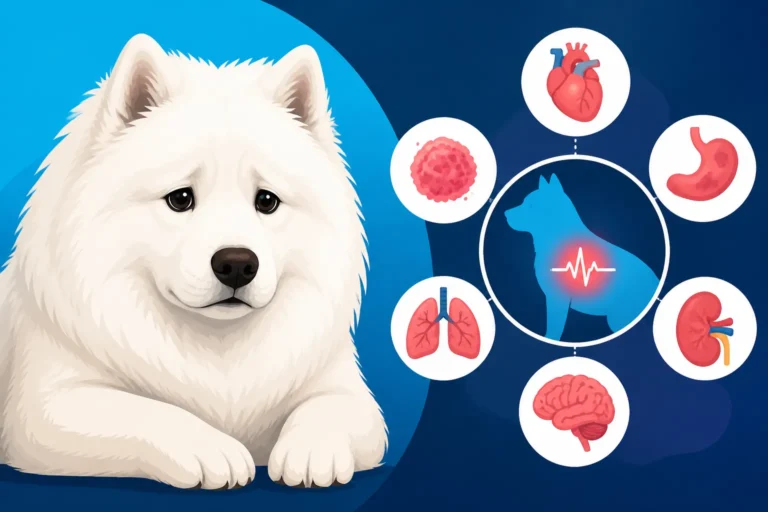
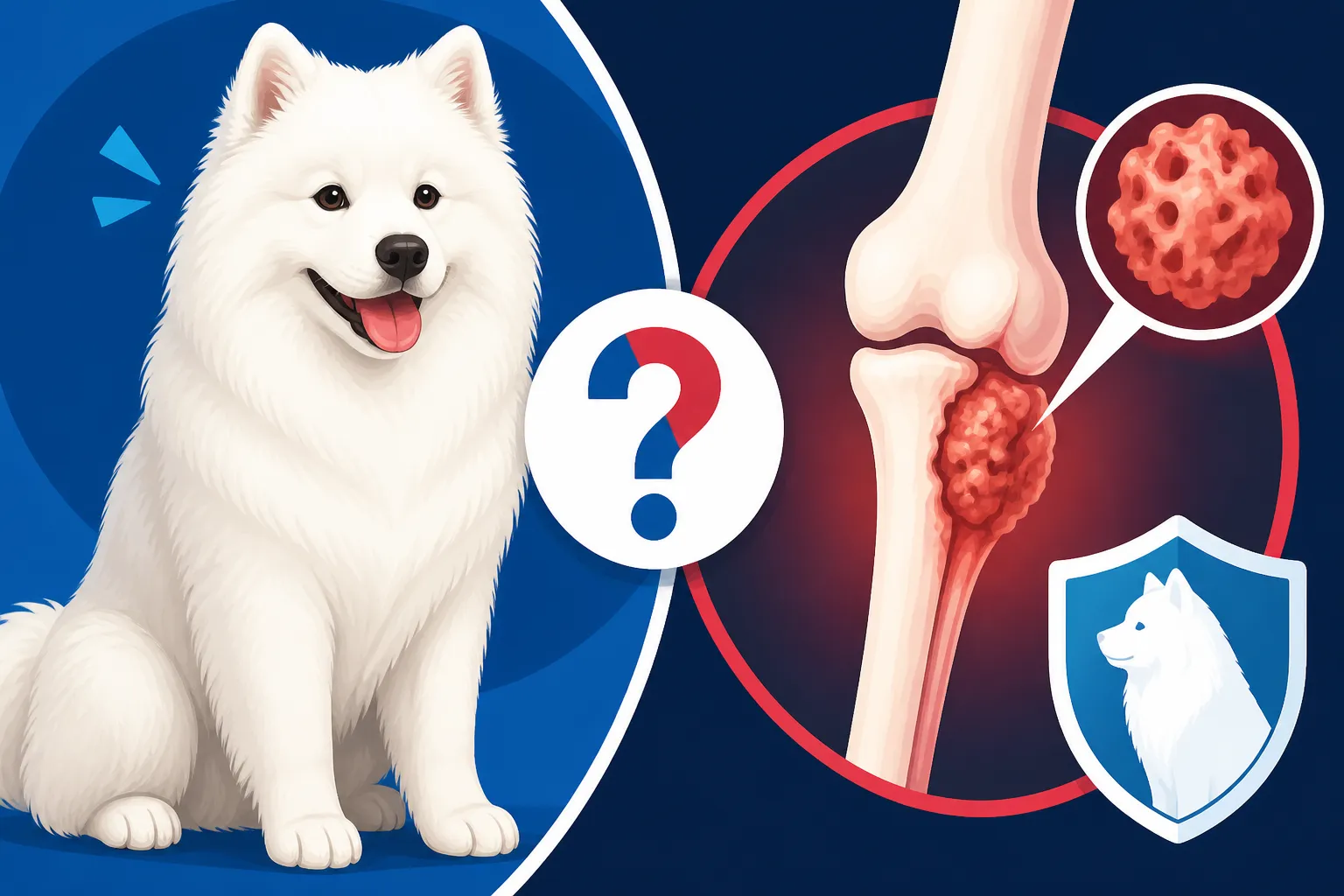
Osteosarcoma is a word that strikes fear into the hearts of many dog owners, and for good reason. It's an aggressive, primary bone tumor that originates in the bone cells themselves. Unlike some other cancers that might spread to the bones, osteosarcoma starts there and then tends to be incredibly good at spreading to other parts of the body, most commonly the lungs. It's a cruel disease that can progress quickly, often leaving pet parents feeling overwhelmed and helpless.
The Nature of This Aggressive Bone Cancer
This isn't just any bone tumor; it's a rapidly growing and highly metastatic cancer. What does that mean for your Samoyed? It means that by the time you might even notice the first subtle signs, there's a good chance that microscopic cancer cells have already started their journey to other organs. The primary tumor site is often in the long bones of the limbs – think above the wrist (radius/ulna) or below the knee (tibia/fibula), or even in the shoulder or hip. It's less common, but not impossible, for it to appear in other bones like the ribs, spine, or skull. The pain it causes is intense and debilitating, arising from the tumor destroying the bone from the inside out and stretching the periosteum, the membrane covering the bone.
For a family that's used to a vibrant, active Samoyed, watching their dog struggle with pain and lameness can be incredibly distressing. You might wonder, is this just an old injury? Did they tweak something playing in the yard? The insidious nature of osteosarcoma is that its initial signs can be easily mistaken for other, less severe issues, delaying diagnosis and potentially treatment.
Are Samoyeds Particularly at Risk?
When we talk about breeds at higher risk for osteosarcoma, the conversation usually centers around larger and giant breeds. Think Great Danes, Irish Wolfhounds, Rottweilers, German Shepherds, and Saint Bernards. These magnificent dogs, with their rapid growth rates and heavy bone structures, statistically have a higher incidence of this particular cancer.
So, where do Samoyeds fit into this picture? While they are not typically classified as a "giant" breed, they are a large breed, with males often weighing 45-65 pounds and females 35-50 pounds. This size puts them in a category where, unfortunately, they can be affected by osteosarcoma, although perhaps not with the same frequency as some of the true giant breeds. It's less common than, say, hip dysplasia in a Samoyed, but it’s definitely a cancer that Samoyed owners should be aware of. The exact genetic predispositions are still being researched, but the general consensus is that larger size and rapid bone growth contribute to the risk. It's also worth noting that older dogs, generally over the age of seven, are more commonly affected, though it can strike younger individuals. Knowing the signs a Samoyed is getting old is crucial for monitoring general health.
Recognizing the Early Warning Signs of Osteosarcoma in Your Samoyed
One of the hardest parts of dealing with any serious illness in our dogs is that they are masters at hiding pain. Our Samoyeds, with their ever-present "smile," can be particularly adept at this, making it even more challenging to spot problems early. This is why being vigilant and knowing what subtle changes to look for is so important. When it comes to something as aggressive as osteosarcoma, early detection can make a world of difference in managing the disease and maintaining your dog's quality of life.
Subtle Lameness and Pain Progression
The most common first sign of osteosarcoma is often an unexplained, persistent lameness or limping. At first, it might be intermittent, perhaps just after a long walk or a vigorous play session. You might notice your Samoyed putting less weight on a particular leg, or holding it up entirely for short periods. This lameness might come and go, leading you to believe it's just a strain or a minor injury. However, with osteosarcoma, this lameness typically progresses. It becomes more consistent, more severe, and eventually, unrelenting.
You might see your Samoyed hesitating to jump on the couch, struggling with stairs, or becoming reluctant to engage in activities they once loved, like chasing a ball in the yard. This isn't just a physical reluctance; it’s often driven by deep bone pain. Remember, a Samoyed might not always complain when it hurts, so observing changes in their movement and behavior is key. They might even whine or cry out if the affected limb is accidentally bumped or moved. As the tumor grows, the pain intensifies, and your dog will naturally try to compensate, shifting weight to other limbs, which can sometimes lead to secondary muscle soreness or strain.
Swelling and Other Physical Changes
Beyond lameness, another significant warning sign is swelling at the tumor site. This swelling might be hard and warm to the touch, and it won't typically respond to anti-inflammatory medications in the way that a simple sprain might. Because osteosarcoma often affects the long bones, this swelling is most commonly seen around the wrist, shoulder, or knee joint. You might feel a noticeable lump or thickening of the bone, particularly if you routinely check your Samoyed's limbs during grooming or petting sessions. This is why regular physical checks, feeling for any unusual lumps worth checking on a Samoyed, are so important.
Other, more general signs can include:
- Lethargy: A noticeable decrease in energy levels. Your typically playful Samoyed might just want to sleep more.
- Loss of Appetite: Pain can make eating uncomfortable, leading to a decreased interest in food.
- Weight Loss: This can be a consequence of reduced appetite and the metabolic demands of fighting cancer.
- Reluctance to Be Touched: Your dog might shy away from being petted, especially near the affected area, due to pain.
- Anemia: In more advanced cases, this can lead to pale gums.
- Difficulty Breathing: If the cancer has metastasized to the lungs, your Samoyed might start to cough, breathe rapidly, or show other respiratory distress. This is a very serious sign and requires immediate veterinary attention.
If you observe any combination of these signs, especially persistent lameness and swelling, don't wait. Schedule a visit with your veterinarian right away. It's always better to rule out something serious than to wait and potentially lose valuable time.
Diagnosing and Treating Osteosarcoma in Samoyeds
Receiving a diagnosis of osteosarcoma for your Samoyed is devastating, but understanding the diagnostic process and available treatment options can help you feel more empowered to make the best decisions for your beloved companion. It's a journey no one wants to take, but having a clear picture of what lies ahead can make it a little less daunting.
The Diagnostic Journey: X-rays to Biopsy
The diagnostic process usually begins with your observations and a thorough physical examination by your veterinarian. If lameness and swelling are present, the next logical step is often radiographs (X-rays) of the affected limb. Osteosarcoma typically presents with a characteristic "moth-eaten" appearance on X-rays, indicating bone destruction, and sometimes a sunburst pattern as the tumor grows outward. While X-rays can be highly suggestive, they aren't always definitive. Other conditions like bone infections or fungal diseases can sometimes mimic osteosarcoma, which is why further testing is crucial.
If the X-rays point strongly to osteosarcoma, your vet will likely recommend a biopsy. This involves taking a small sample of the bone tissue from the suspicious area and sending it to a pathology lab for microscopic examination. A bone biopsy is the only way to get a definitive diagnosis. This procedure usually requires sedation or general anesthesia, depending on the location and your dog's temperament.
Once osteosarcoma is confirmed, the next critical step is to determine if the cancer has spread (staging). This typically involves:
- Thoracic (chest) X-rays: To check for lung metastasis, which is the most common site for osteosarcoma to spread.
- Abdominal ultrasound: To look for spread to internal organs.
- Blood work: To assess your Samoyed's overall health, kidney, and liver function, which is important for planning anesthesia and chemotherapy. This might include a complete blood count and a biochemistry panel. You might also be wondering whether a Samoyed needs yearly kidney bloodwork, which is a good general practice regardless.
- Bone scan (less common, but possible): A nuclear scintigraphy scan can sometimes identify other bone lesions that might not be visible on standard X-rays.
Understanding the stage of the cancer is vital for determining prognosis and tailoring the most effective treatment plan.
Navigating Treatment: Surgery, Chemotherapy, and Palliative Care
The treatment approach for osteosarcoma is multi-modal, meaning it often involves a combination of therapies aimed at controlling both the primary tumor and the metastatic disease. Without treatment, the prognosis is very poor, usually just a few months, primarily due to unrelenting pain.
1. Surgery (Amputation):
For most osteosarcoma cases involving a limb, amputation of the affected limb is considered the cornerstone of treatment. While this sounds drastic, it is the most effective way to eliminate the source of incredible pain and remove the largest tumor burden. Many dogs, including Samoyeds, adapt remarkably well to three legs. They are resilient, and for them, the relief from pain often outweighs the loss of a limb. While it's a huge decision, it can significantly improve their quality of life.
- Limb-Sparing Surgery: In some very specific cases, if the tumor is small and in a favorable location (e.g., distal radius, above the wrist), a limb-sparing procedure might be an option. This involves removing the cancerous section of bone and replacing it with a bone graft or prosthetic. This is a complex surgery, has a higher complication rate (infection, implant failure), and is only suitable for a small percentage of cases.
2. Chemotherapy:
Because osteosarcoma is highly metastatic, surgery alone is rarely curative. Chemotherapy is almost always recommended after amputation (or limb-sparing surgery) to target and destroy any microscopic cancer cells that have already spread throughout the body. The goal of chemotherapy is to delay or prevent the onset of visible metastasis and extend survival time.
Common chemotherapy drugs used include Carboplatin, Cisplatin, and Doxorubicin. Chemotherapy in dogs is generally much less harsh than in humans, with fewer severe side effects. Most dogs tolerate it well, with mild, temporary side effects like lethargy, decreased appetite, or mild gastrointestinal upset. Your veterinary oncologist will guide you through the protocol and what to expect.
3. Radiation Therapy:
Radiation can be used in a few scenarios:
- Palliative Radiation: For dogs where amputation isn't an option (e.g., due to other health issues or if the tumor is in a non-amputatable location), palliative radiation can be used to manage pain and improve limb function. It doesn't cure the cancer but can significantly improve comfort.
- Adjuvant Radiation: Sometimes used in conjunction with limb-sparing surgery.
4. Pain Management and Palliative Care:
Even with aggressive treatment, osteosarcoma remains a challenging disease. For dogs and families who opt against surgery or chemotherapy, or as the disease progresses, comprehensive pain management and palliative care become paramount. This focuses on keeping your Samoyed as comfortable and happy as possible for as long as possible. This can involve:
- NSAIDs: Non-steroidal anti-inflammatory drugs like Rimadyl, Deramaxx, or Galliprant.
- Opioids and other pain medications: Tramadol, Gabapentin, Amantadine.
- Bisphosphonates: Drugs like pamidronate can help slow bone destruction and reduce pain.
- Acupuncture or other complementary therapies.
The decision of whether and how to treat osteosarcoma is deeply personal. Your veterinary team, including your primary vet and potentially a veterinary oncologist, will discuss all options, prognoses, potential side effects, and costs. This is where pet insurance from providers like Healthy Paws can truly make a difference, helping to cover the often substantial costs associated with diagnostics and advanced treatments. What a Samoyed's vet bills look like can be daunting, and having insurance can alleviate some of that financial pressure.
Coping with an Osteosarcoma Diagnosis and Supporting Your Samoyed
Receiving an osteosarcoma diagnosis for your Samoyed is truly one of the hardest things a pet parent can face. It's a heavy burden, filled with difficult decisions, emotional swings, and the heartbreaking reality of a beloved companion facing a serious illness. But you're not alone, and there are many ways to support your Samoyed and yourself through this challenging time.
The Emotional Toll on Pet Parents
Let's be real, this is absolutely gut-wrenching. You've brought this fluffy, smiling creature into your home, and they become a core part of your family. To then hear that they have an aggressive cancer that often requires drastic measures like amputation, or that their time might be severely limited, can feel like a punch to the gut. It's okay to feel overwhelmed, scared, angry, or profoundly sad. These feelings are valid and normal. Many pet parents experience anticipatory grief, mourning the future they envisioned with their Samoyed.
You might find yourself questioning every little limp or ache your Samoyed ever had, wondering if you missed something. Please don't fall into that trap. Osteosarcoma often presents subtly, and our dogs are so good at masking their pain, especially our stoic Samoyeds. What you need now is self-compassion and support. Talk to your family, friends, or even a pet bereavement counselor. Lean on online communities of other pet parents who have navigated similar diagnoses. Sharing your feelings can be incredibly cathartic and remind you that you're not isolated in this struggle. This period is also when you'll truly understand how a Samoyed hides illness behind a smile.
Maintaining Quality of Life and Comfort
While the diagnosis is grim, it doesn't mean the end of joy and comfort for your Samoyed. The focus shifts to maximizing their quality of life for the time they have left, whether that's through aggressive treatment or comprehensive palliative care.
1. Pain Management is Key:
This cannot be stressed enough. Osteosarcoma pain is severe. Work closely with your veterinarian and potentially a veterinary pain specialist or oncologist to create an effective pain management plan. This often involves a combination of medications, as discussed earlier. Don't hesitate to advocate for your Samoyed if you feel their pain isn't adequately controlled. You know your dog best. Ensuring comfort will allow them to eat, sleep, and engage with you.
2. Environmental Adjustments:
Make your home as comfortable and accessible as possible. If amputation is chosen, consider ramps for beds or cars, non-slip rugs on slick floors, and raised food and water bowls. An orthopedic bed can provide crucial support for arthritic joints, which might be compensating for the affected limb. Keep their world small and easy to navigate, especially if they are recovering from surgery or experiencing significant weakness.
3. Nutrition and Hydration:
Encourage eating and drinking. Your vet might recommend a specific diet, or you might find your Samoyed prefers certain palatable foods. Small, frequent meals can be easier to manage. Ensure fresh water is always available. Hydration is vital for overall health and for supporting kidney function, especially if medications are being used.
4. Gentle Exercise and Mental Stimulation:
Even with osteosarcoma, your Samoyed will still need some level of activity and mental engagement. Short, gentle walks on soft surfaces can be beneficial, as can quiet playtime or puzzle toys. Keep their routine as normal as possible, as familiarity provides comfort. Focus on what they can do, not what they can no longer do. Maybe it's a car ride to their favorite park to sniff the air, rather than a long hike.
5. Cherish Every Moment:
This sounds cliché, but it's profoundly true. Take extra photos, record videos of their happy moments, cuddle more, and just be with them. Create lasting memories. Focus on their comfort and happiness. It's a time to give back all the unconditional love they've given you. Remember to review your pet insurance policy from providers like Healthy Paws; it's designed to help during these tough times, potentially covering a significant portion of the costs so you can focus on care rather than finances. Knowing what insurance covers, even for conditions like diabetes in a middle aged Samoyed, can provide peace of mind. Setting money aside for a Samoyed's vet bills is always a good practice, but insurance helps with the unexpected.
Making the difficult decision about end-of-life care is also part of this journey. Your vet can guide you on signs that indicate your Samoyed's quality of life is declining. It's a conversation no one wants to have, but planning can bring a small measure of peace during an incredibly painful time. The average age a Samoyed reaches is around 12-14 years, and facing a life-limiting illness earlier than that is particularly hard.
| Stage of Osteosarcoma | Typical Signs | Diagnostic Steps | Common Treatment Goals |
|---|---|---|---|
| Early Stage | Intermittent lameness, mild swelling, reluctance to bear weight. | Physical exam, X-rays of affected limb. | Pain control, confirming diagnosis. |
| Confirmed Localized | Persistent lameness, noticeable swelling, confirmed biopsy. No visible metastasis. | Biopsy, chest X-rays, abdominal ultrasound, blood work. | Remove primary tumor (amputation), prevent/delay metastasis (chemotherapy). |
| Metastatic | Symptoms of primary tumor, plus coughing, difficulty breathing, general lethargy. | Staging tests showing spread (lungs, other bones, etc.). | Palliative care, pain management, chemotherapy to slow progression. |
| Advanced/Terminal | Severe pain, poor appetite, significant lameness, extreme lethargy, widespread metastasis. | Clinical signs, progression of disease despite treatment. | Maximize comfort, ensure dignity, manage pain. |
Ultimately, navigating osteosarcoma with your Samoyed is about providing them with love, comfort, and the best possible care, making decisions that prioritize their well-being every step of the way.
Disclaimer
The information provided in this guide is for general informational purposes only and does not constitute veterinary advice. Always consult with a qualified veterinarian for any health concerns or before making any decisions about your Samoyed's medical care.