Whether a Samoyed Gets Addison’s Disease
It's truly unsettling to wonder if your beloved Samoyed might be silently battling a serious health condition, especially one as insidious as Addison's disease. As dog parents, we live with that constant worry about what might be brewing beneath their beautiful, fluffy exterior, and when you hear about diseases that can be hard to spot, it's natural to feel a knot in your stomach. This guide aims to demystify Addison's disease, particularly as it relates to Samoyeds, helping you understand what it is, recognize its often-vague symptoms, and navigate diagnosis and management to ensure your furry family member lives their best, longest life possible.
Understanding Addison's Disease: The "Great Pretender"
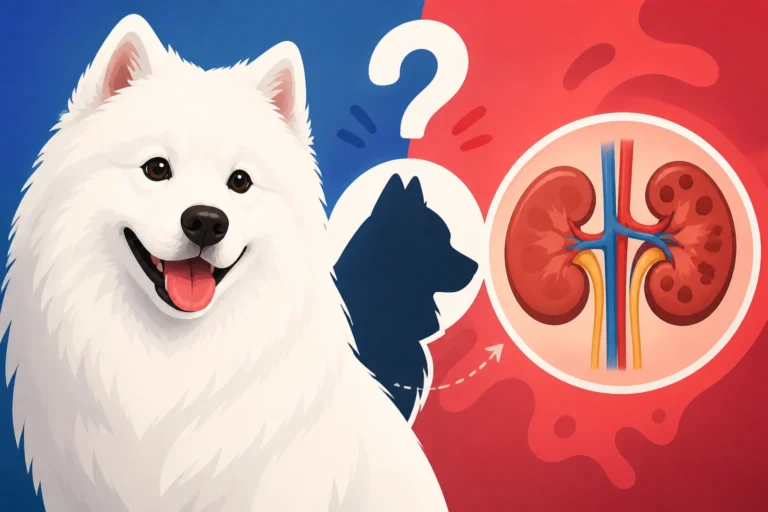
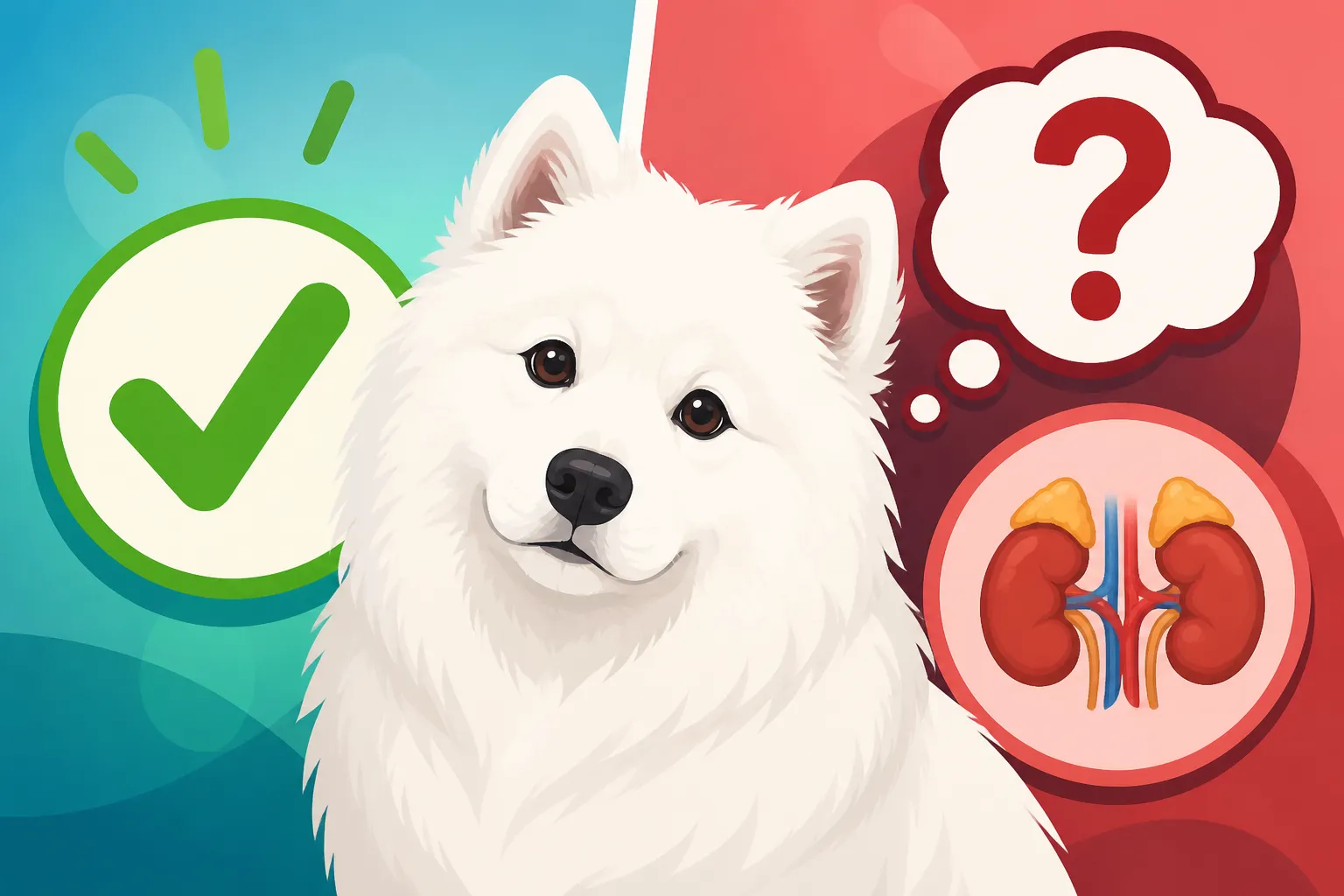
Addison's disease, medically known as hypoadrenocorticism, is often called "the great pretender" in veterinary circles because its symptoms are so non-specific and can mimic a host of other common ailments. In essence, it's a hormonal disorder where your dog's adrenal glands, two tiny glands located near the kidneys, fail to produce enough of crucial steroid hormones. Think of these glands as the body's internal pharmacy, churning out vital compounds that regulate stress, metabolism, electrolyte balance, and even blood pressure.
There are two main hormones involved that are critically important: cortisol and aldosterone. Cortisol is your dog's natural stress hormone; it helps regulate metabolism, inflammation, and immune response. Without enough of it, the body struggles to cope with everyday stressors, let alone significant ones. Aldosterone, on the other hand, is a mineralocorticoid that plays a huge role in balancing electrolytes, specifically sodium and potassium, which in turn affects blood pressure and hydration. When aldosterone levels drop too low, this electrolyte balance goes haywire, leading to serious, life-threatening issues.
The adrenal glands themselves are quite small, but their function is monumental. When they don't do their job, the entire system begins to falter. Most cases of Addison's in dogs are "primary Addison's," meaning the immune system mistakenly attacks and destroys the adrenal tissue. This is often an idiopathic condition, meaning the exact cause isn't known, but genetics are believed to play a significant role. There's also "atypical Addison's," where only the cortisol-producing part of the adrenal glands is affected, meaning the electrolyte imbalances might not be present initially, making it even harder to diagnose. This distinction is really important because it changes how the disease might present in your Samoyed and can lead to a longer diagnostic journey.
Addison's Disease and Your Samoyed: Are They at Risk?
When you own a Samoyed, you're always keeping an eye out for conditions that are more prevalent in the breed. While Samoyeds aren't typically listed among the top breeds with a strong genetic predisposition for Addison's disease, like Standard Poodles, Portuguese Water Dogs, or Great Danes, that doesn't mean they're entirely immune. Any dog, regardless of breed, can develop Addison's. It's just that some breeds have a higher documented incidence.
For Samoyeds, our primary genetic concerns often revolve around things like hereditary glomerulopathy, hip dysplasia, or eye diseases. However, knowing that Addison's can strike any dog means we, as Samoyed owners, need to remain vigilant. The genetic component of Addison's is complex, and while specific genes have been identified in some affected breeds, research is ongoing. It's not as clear-cut as, say, the single gene mutation for The COL4A5 Test Every Samoyed Buyer Should Ask About, which makes it harder to breed away from, or predict, in a general population.
So, while you might not hear "Samoyed" immediately when vets list breeds prone to Addison's, it's crucial not to dismiss it as a possibility if your fluffy companion starts showing concerning signs. Instead, think of it as a condition that could affect your Samoyed, much like any other dog. Its relative rarity in Samoyeds, compared to some other breeds, can sometimes even lead to diagnostic delays, simply because it's not the first thing a vet might suspect in a breed without a strong, well-known link. This is where advocating for your dog and knowing the signs yourself becomes incredibly powerful.
Spotting the Elusive Signs: Why It's Tricky in a Samoyed
Here's where owning a Samoyed adds an extra layer of challenge: they are notoriously stoic. They were bred for harsh environments and, culturally, their ancestors were revered companions that kept their families warm. They’re not exactly ones to complain at the first sign of discomfort. This means that by the time a Samoyed displays obvious symptoms, an underlying illness might be quite advanced. This tendency to hide pain or illness is something every Samoyed owner grapples with, and it makes diagnosing conditions like Addison's particularly difficult. If you've ever wondered How a Samoyed Hides Illness Behind a Smile, you'll understand this struggle deeply.
The symptoms of Addison's disease are maddeningly vague and can come and go, often described as "waxing and waning." You might see your Samoyed have a few bad days, then perk up, only to decline again. This can be incredibly confusing, making you second-guess if it's just a stomach upset or something more serious.
Common signs to watch out for include:
- Lethargy and Weakness: Your normally energetic Samoyed might be unusually tired, reluctant to play, or struggle with walks they usually love. This isn't just "being lazy"; it's a profound lack of energy.
- Loss of Appetite: They might turn their nose up at food, or eat only small amounts, leading to gradual weight loss.
- Vomiting and Diarrhea: These gastrointestinal upsets are very common and can lead to dehydration. They often come and go, which can make owners think it's just an occasional upset stomach.
- Increased Thirst and Urination (PU/PD): While more typical in kidney disease or diabetes, some Addisonian dogs, especially those with electrolyte imbalances, might show subtle changes in water intake or urination frequency. If your Samoyed is suddenly drinking Whether a Diabetic Samoyed Drinks Constantly, it's worth investigating.
- Trembling or Shaking: This can be due to weakness, pain, or electrolyte imbalances.
- Weight Loss: A gradual decline in weight, often hidden by their voluminous coat. You might not notice it until you feel their ribs more prominently.
- Muscle Weakness and Shivering: Sometimes appearing after mild exercise or stress.
- Poor Coat Condition: While Samoyeds naturally have magnificent coats, a dull, dry, or thinning coat can sometimes be a subtle sign of underlying endocrine issues, though this is also seen in Signs a Samoyed's Thyroid Has Failed.
The most dangerous manifestation of Addison's is an Addisonian crisis. This is an acute, life-threatening emergency where the dog collapses, goes into shock, and may experience severe vomiting, diarrhea, and extreme weakness. It happens when the body's mineralocorticoid levels are critically low, leading to severe electrolyte imbalances (high potassium, low sodium) and dangerously low blood pressure. If your Samoyed suddenly becomes acutely ill, collapses, or is unresponsive, it's a medical emergency requiring immediate veterinary attention. Don't wait; get to an emergency vet right away.
It's important to remember that all these symptoms can be attributed to countless other conditions. The key is their persistent, recurrent, or worsening nature. If you notice a constellation of these signs, even if they're mild or intermittent, don't dismiss them. Your Samoyed's stoic nature means you need to be their most diligent advocate.
Diagnosing and Managing Addison's Disease in a Samoyed
The diagnostic journey for Addison's can be frustrating because of its "great pretender" nature. Often, initial blood tests might show some abnormalities, like electrolyte imbalances (high potassium, low sodium – classic for Addison's), high kidney values, or low blood sugar, but these aren't definitive. Many vets will initially suspect more common issues.
Here's the typical diagnostic path:
- Routine Blood Work and Urinalysis: These might raise suspicion if electrolytes are out of whack or if other values (like kidney indicators or glucose) are unusual. However, in atypical Addison's, electrolytes might be normal.
- ACTH Stimulation Test: This is the gold standard for diagnosing Addison's disease. It involves taking a baseline blood sample, administering a synthetic form of adrenocorticotropic hormone (ACTH), and then taking another blood sample an hour or two later. In a healthy dog, ACTH stimulates the adrenal glands to produce cortisol, so cortisol levels will rise significantly. In a dog with Addison's, the adrenal glands are damaged and can't produce much cortisol, so their levels will remain low or show no significant increase. This test definitively confirms the diagnosis.
- Basal Cortisol Test: Sometimes, a basal cortisol test (a single measurement of cortisol) can be used as a screening tool. If the basal cortisol level is normal, Addison's is highly unlikely. However, if it's low, an ACTH stim test is still needed to confirm.
Once diagnosed, managing Addison's disease is a lifelong commitment, but the good news is that with proper treatment, most dogs with Addison's can live full, normal, happy lives. The treatment involves replacing the hormones the body isn't producing.
- Mineralocorticoid Replacement: For typical Addison's, this usually involves an injectable medication like desoxycorticosterone pivalate (DOCP), often known by brand names like Percorten-V or Zycortal. This is given every 25-30 days by your vet or at home by you, once you're comfortable with injections. Alternatively, some dogs can be managed with oral fludrocortisone acetate (Florinef), which replaces both mineralocorticoids and glucocorticoids, but it often requires more careful dosage adjustments.
- Glucocorticoid Replacement: Most dogs with Addison's also need a daily low dose of a glucocorticoid, like prednisone, to replace the missing cortisol. This dose might need to be increased during times of stress (e.g., vet visits, travel, boarding, or surgery) to help their body cope.
- Regular Monitoring: Your Samoyed will need regular blood tests, especially in the initial stages of treatment, to ensure their electrolytes and hormone levels are well-regulated. This helps your vet fine-tune the medication dosages.
The costs associated with diagnosis and lifelong medication can be significant. This is where having a robust pet insurance plan, such as those offered by Healthy Paws, can make a huge difference, covering a large portion of the expenses for chronic conditions. Knowing that you have financial support can ease the burden and allow you to focus solely on your Samoyed's health. You might be interested in knowing What a Samoyed's Vet Bills Look Like generally, but a chronic condition like Addison's can add substantially to that.
| Symptom Category | Typical Addison's Presentation | Atypical Addison's Presentation | Common Misinterpretations in Samoyeds |
|---|---|---|---|
| Energy Level | Lethargy, weakness, exercise intolerance | Lethargy, weakness | "Just tired," "getting older," general malaise |
| Appetite | Decreased appetite, anorexia, weight loss | Decreased appetite, weight loss | Picky eater, upset stomach, hairball |
| Gastrointestinal | Vomiting, diarrhea, abdominal pain | Vomiting, diarrhea | Dietary indiscretion, sensitive stomach |
| Electrolytes | High potassium, low sodium | Normal electrolytes initially | Not observable without blood test |
| Thirst/Urination | Can be increased (PU/PD) | Less common, often normal | Normal water intake, bladder infection |
| Stress Response | Poor coping with stress, shivering | Poor coping with stress, shivering | Anxiety, fear, cold intolerance |
| Crisis | Collapse, severe shock, acute illness | Less likely to have classic crisis, but can develop typical over time | Sudden acute illness, heat stroke |
While the journey with an Addisonian Samoyed requires diligence and partnership with your veterinarian, it’s a manageable condition. Many dogs go on to enjoy many more healthy years, often for their full The Twelve to Fourteen Years a Samoyed Lives, once their medication is properly adjusted. It’s all about consistency, observation, and giving your precious companion the support they need.
Disclaimer
This article is for general informational purposes only and does not constitute professional advice. Laws, prices and regulations vary by location and change over time. Consult a qualified professional for guidance on your specific situation.